#friendly

Articles tagged with friendly

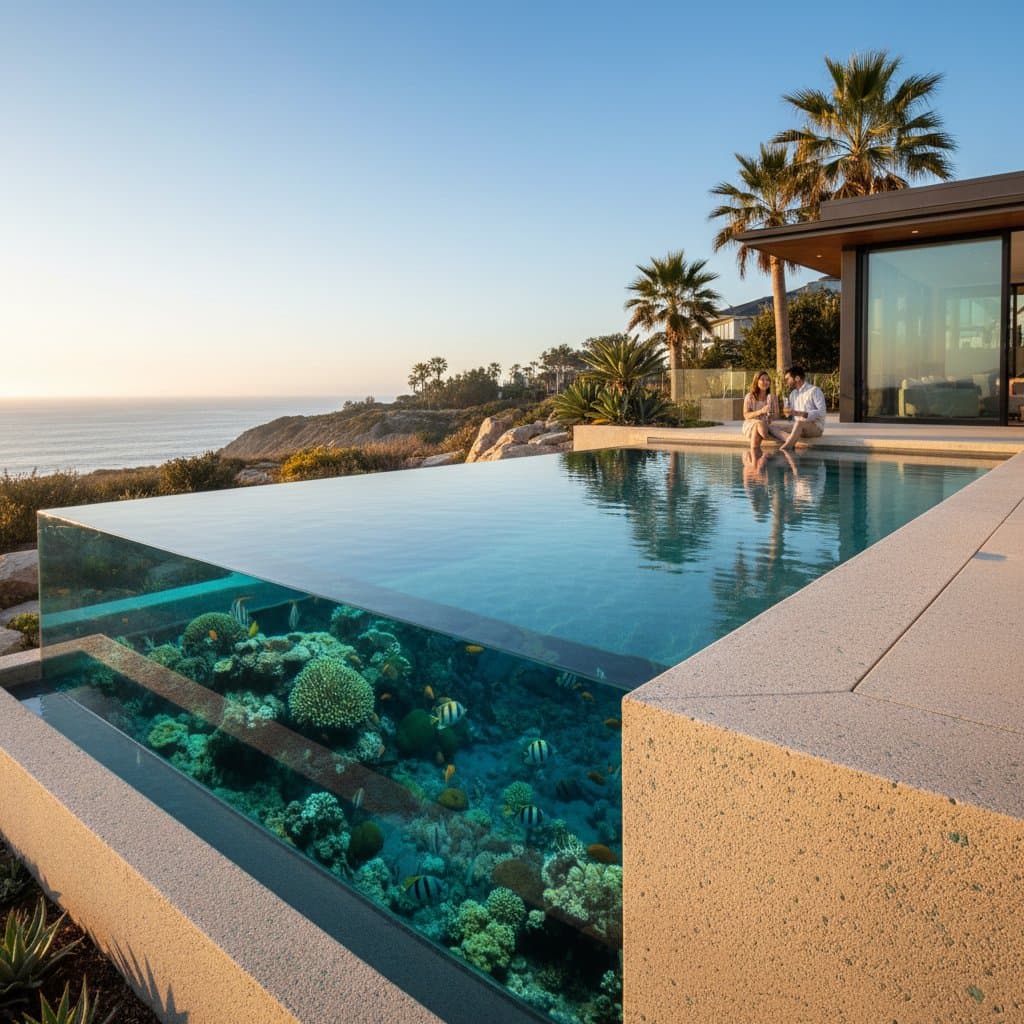
Featured image for New EPA Pool Rules Protect Coral Reefs by 2026

New EPA Pool Rules Protect Coral Reefs by 2026

The Environmental Protection Agency introduces coral-safe pool regulations effective 2026, targeting coastal homeowners to minimize runoff impacts on marine ecosystems. These rules mandate advanced filtration, non-toxic sanitizers, and improved drainage to prevent chemical pollution from harming coral reefs. Compliance involves upfront investments but yields long-term benefits like reduced maintenance costs, superior water quality, and elevated property appeal in eco-conscious markets.

4 min read
Featured image for Coastal Pool Costs Jump $65K Under New EPA Rules

Coastal Pool Costs Jump $65K Under New EPA Rules

Recent EPA regulations for coastal areas are reshaping pool construction, pushing costs from $65,000 to $120,000 through requirements for sustainable materials and advanced runoff management. These changes promote resilient pools and pristine shorelines, underscoring the importance of proactive planning and professional advice for eco-conscious coastal residents.

4 min read
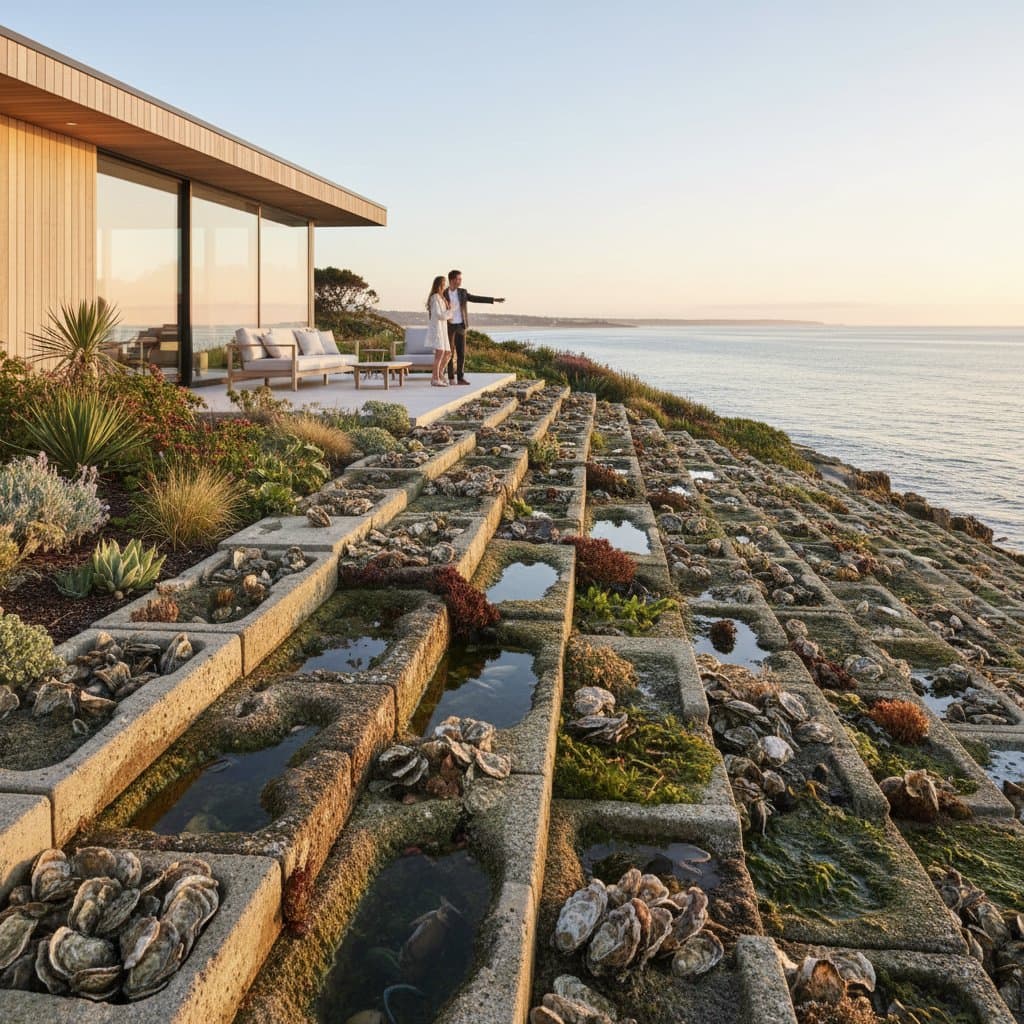
Featured image for Living Seawalls Protect Coasts While Supporting Marine Life

Living Seawalls Protect Coasts While Supporting Marine Life

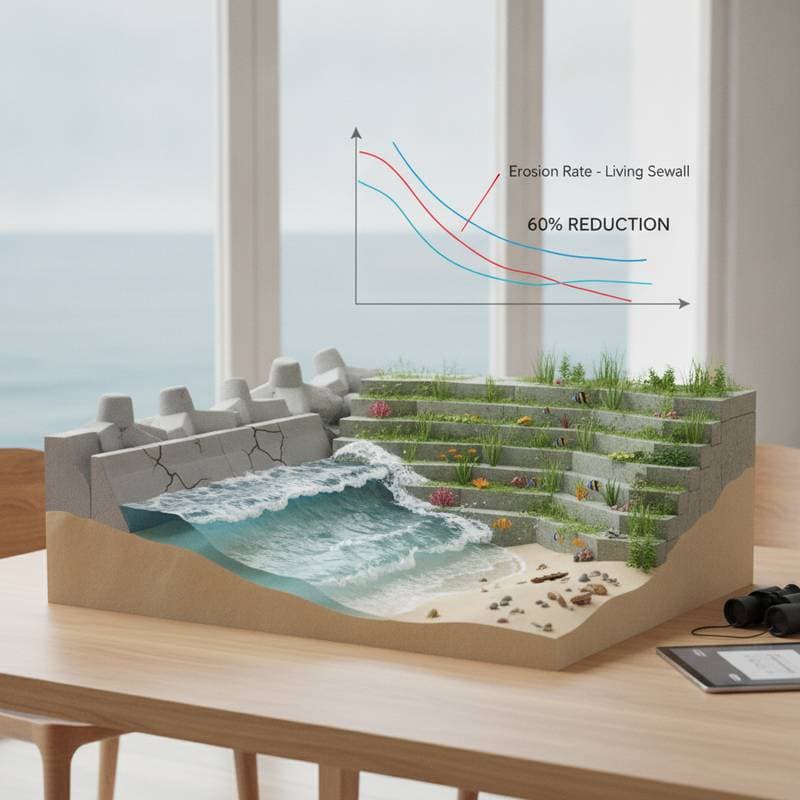
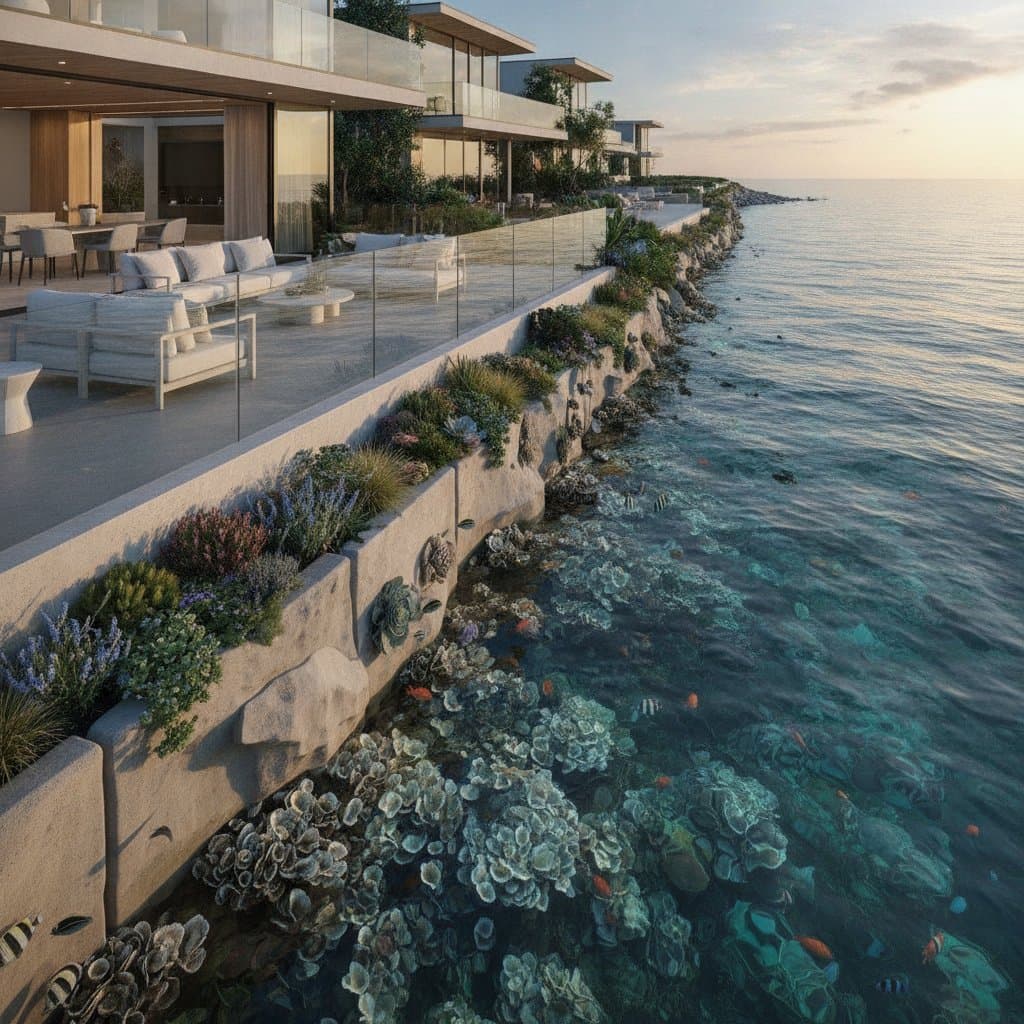
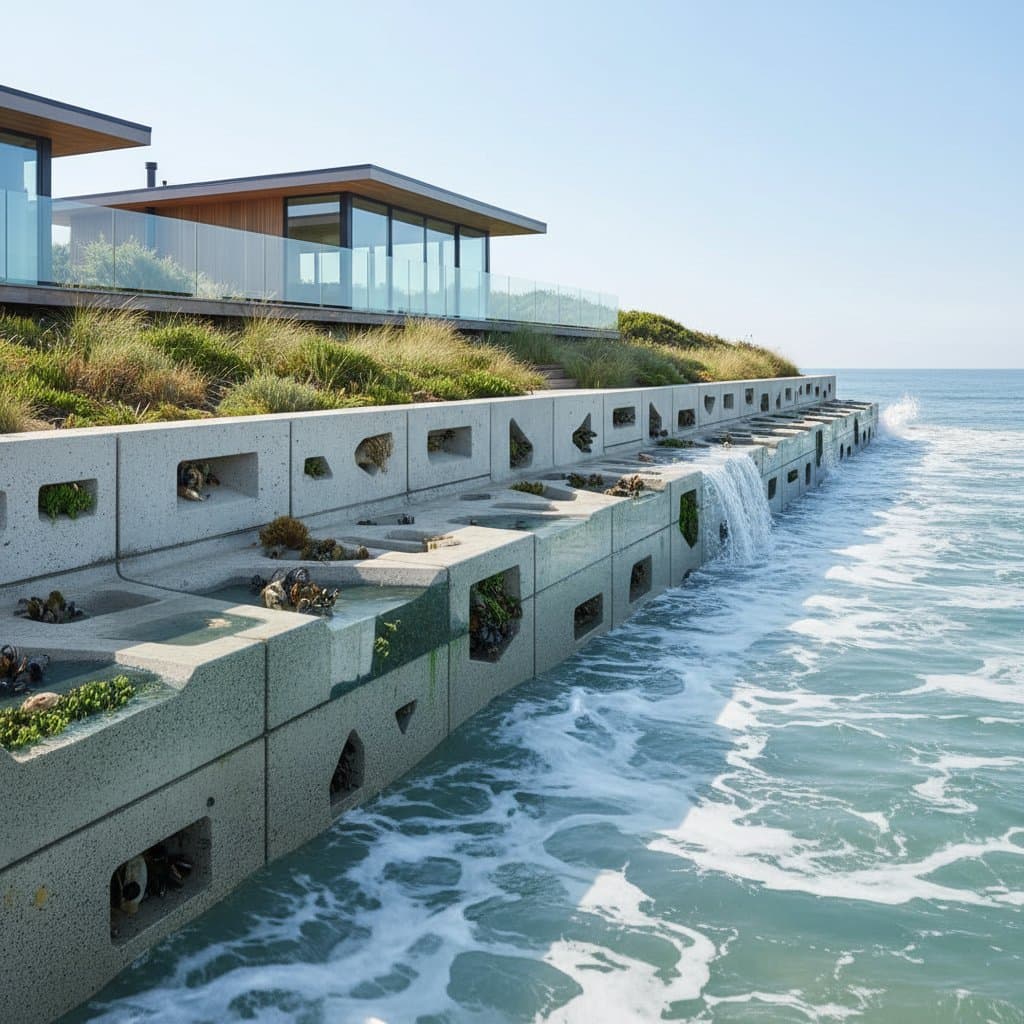
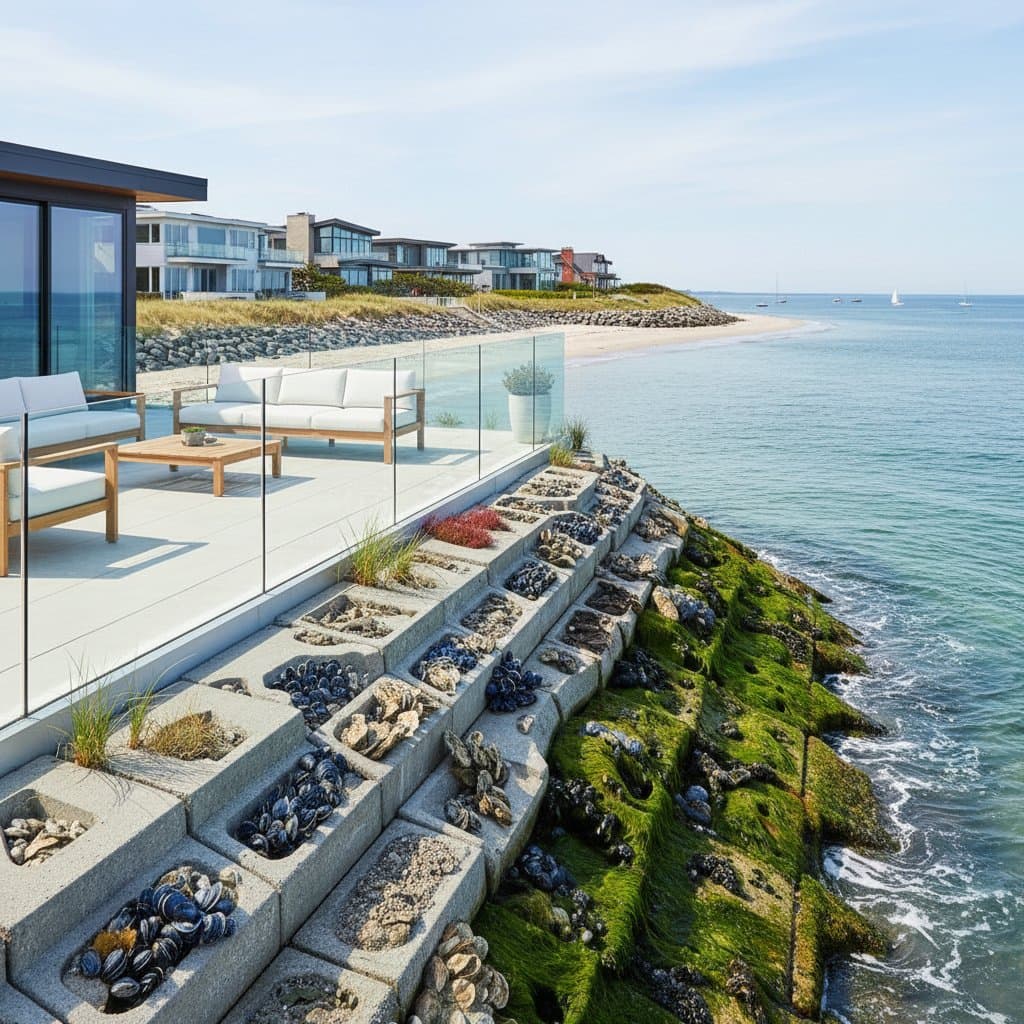
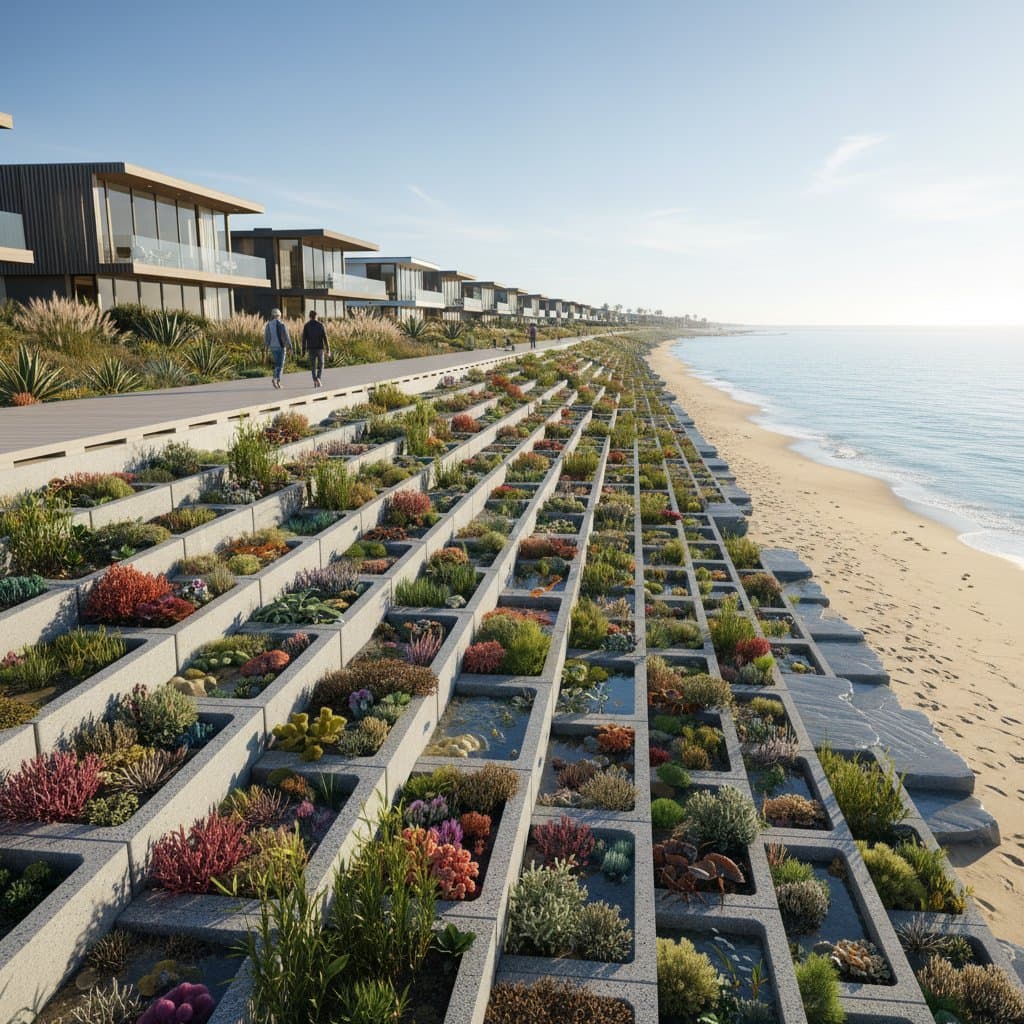
Living seawalls fuse engineering innovation with ecological principles to shield coastlines from erosion while cultivating marine habitats. Featuring textured surfaces, indigenous plants, and porous elements, they dissipate waves, stabilize soils, and elevate species diversity. Despite higher initial investments, these adaptable barriers demand less upkeep, beautify landscapes, and deliver enduring, eco-conscious coastal fortification.

5 min read
Featured image for Living Shorelines Cut Erosion 60% for $50-$200/Foot

Living Shorelines Cut Erosion 60% for $50-$200/Foot

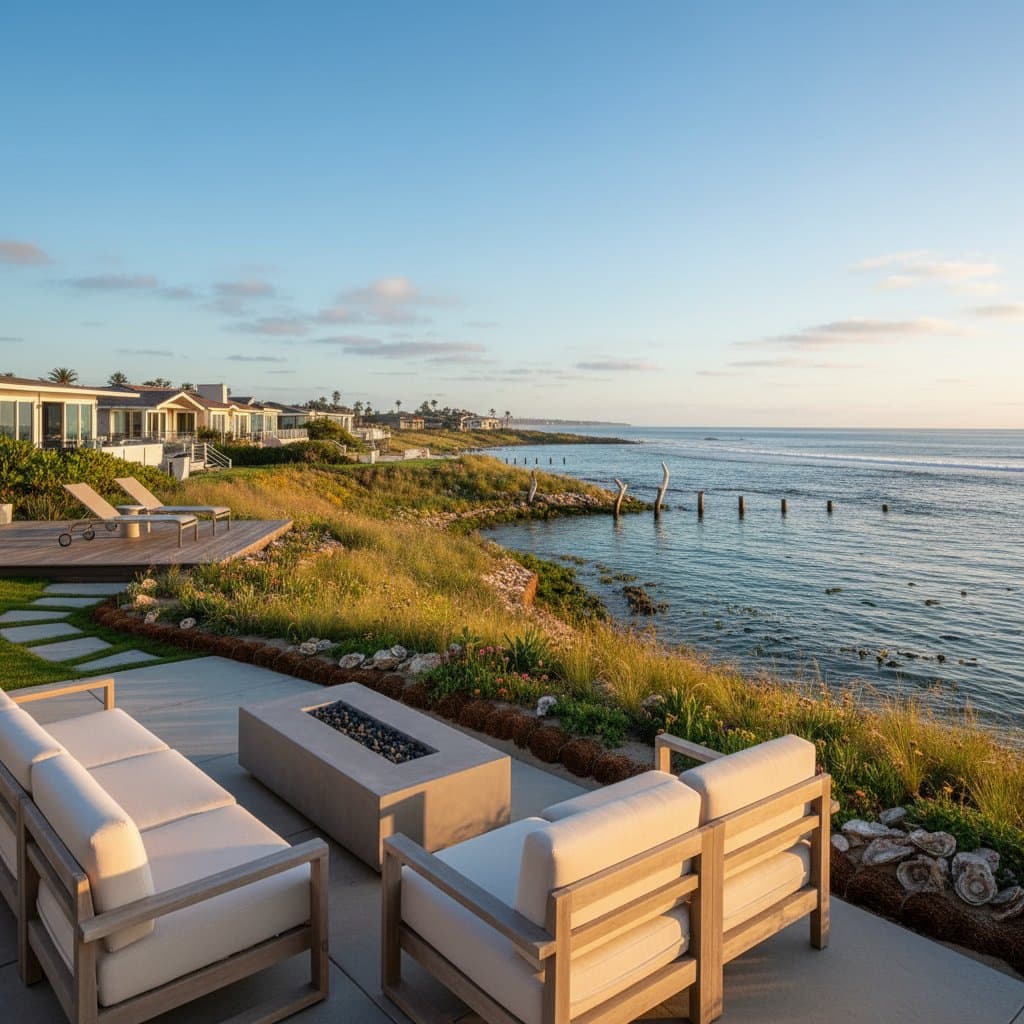
Replace rigid concrete barriers with living shorelines, sustainable options that reduce erosion by up to 60 percent, cost less than conventional seawalls, and support diverse marine ecosystems. These innovative approaches integrate plants and structures like oyster reefs to safeguard shorelines, lower expenses, and foster habitats that adapt and strengthen over time.

5 min read
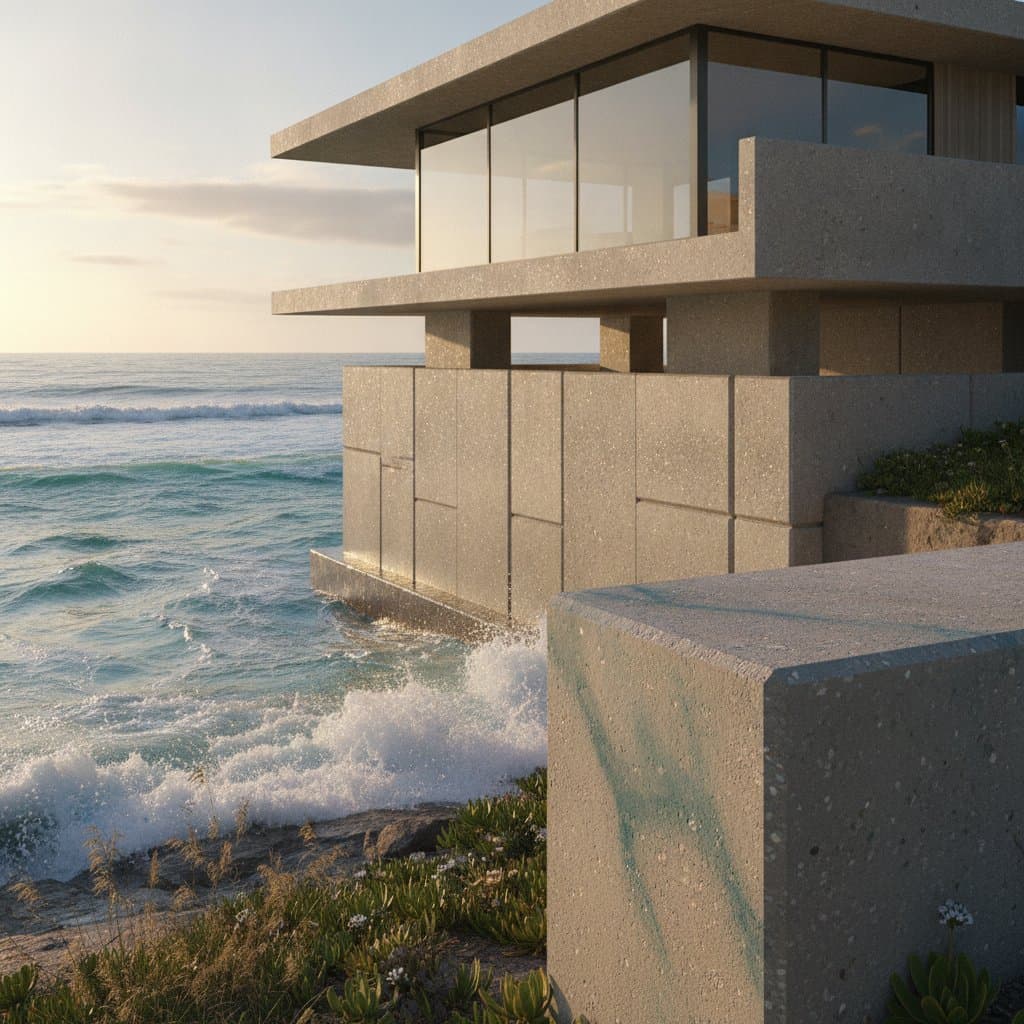
Featured image for Coral-Safe Concrete Protects Reefs While Building Stronger

Coral-Safe Concrete Protects Reefs While Building Stronger

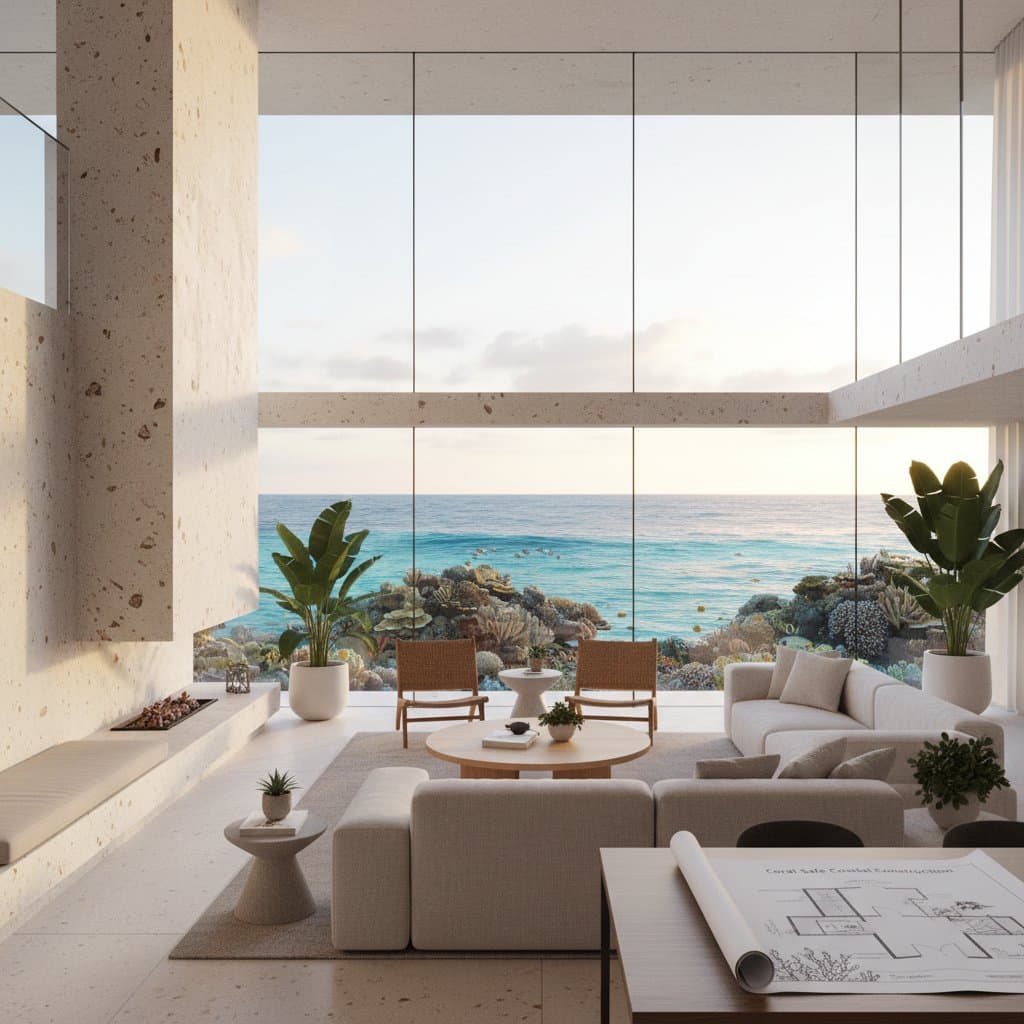
Coral-safe concrete transforms coastal construction by shielding reefs from harmful chemicals while delivering superior strength and longevity. Formulated with low-carbon binders, it withstands corrosion, cuts maintenance expenses, and fosters marine biodiversity. Despite a modest initial investment, its environmental and economic advantages position it as an essential option for sustainable shoreline development.

5 min read
Featured image for Why Living Seawalls Outperform Concrete Barriers

Why Living Seawalls Outperform Concrete Barriers

Living seawalls integrate natural elements and marine organisms to defend shorelines while fostering biodiversity and aesthetic appeal. In contrast to concrete barriers that degrade and disrupt ecosystems, these structures gain strength over time, purify water, and respond to sea level rise. Learn why they represent a superior, sustainable option for coastal resilience.

7 min read
Featured image for Living Shorelines Protect Homes While Saving Marine Life

Living Shorelines Protect Homes While Saving Marine Life

Living shorelines provide coastal property owners with a resilient, nature-based defense against erosion and flooding. By incorporating native plants, oyster reefs, and sand features, these systems stabilize shorelines, improve water quality, and create vital habitats. They deliver aesthetic and economic benefits, proving more cost-effective over time than conventional barriers.

5 min read
Featured image for Living Shorelines Cut Seawall Costs in Half

Living Shorelines Cut Seawall Costs in Half

Frustrated by expensive and failing seawalls? Living shorelines employ native vegetation, oyster reefs, and organic materials to shield waterfront properties, revive marine habitats, and lower erosion control costs by as much as 50 percent. These strategies offer practical, environmentally beneficial options that build resilience over time, preserving your coastal assets affordably.

5 min read
Featured image for Coral-Safe Decking Costs 40% More But Saves 30% Long-Term

Coral-Safe Decking Costs 40% More But Saves 30% Long-Term

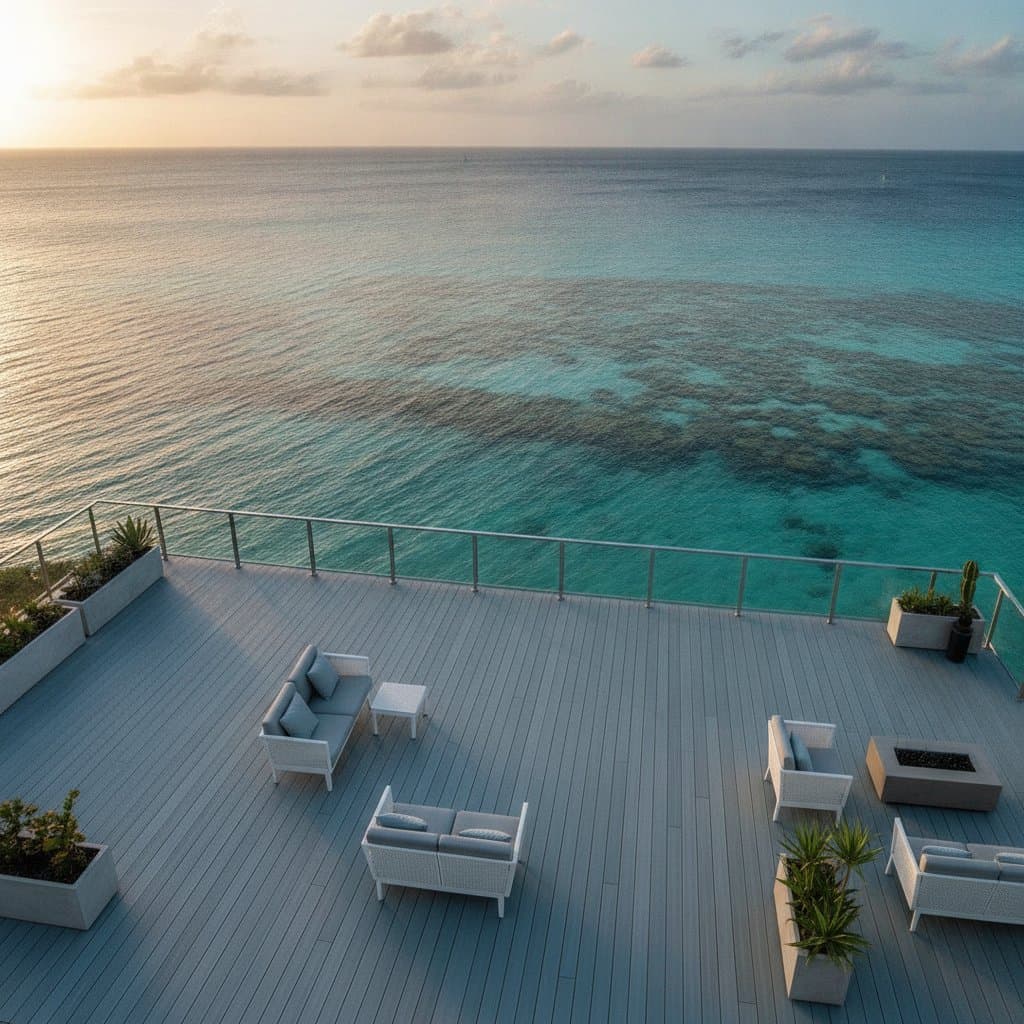
Coral-safe composite decking now outsells traditional wood by a ratio of three to one, thanks to its superior durability, reduced upkeep, and commitment to environmental protection. Despite a higher initial price tag, this material delivers substantial long-term savings and safeguards nearby marine ecosystems. This guide examines costs, design options, installation considerations, and strategies to optimize your coastal deck investment.

5 min read
Featured image for Living Seawalls Protect Coasts Without Harming Life

Living Seawalls Protect Coasts Without Harming Life

Living seawalls fuse engineering with ecology to secure shorelines and revive marine ecosystems. These innovative structures absorb wave impacts, minimize erosion, and promote biodiversity. Installation costs vary from $250 to $1,200 per foot, delivering enduring strength and visual appeal. Learn about design choices, cost-saving strategies, and professional advice for eco-conscious coastal safeguarding.

5 min read
Featured image for Living Seawalls Turn Concrete Barriers Into Coral Habitats

Living Seawalls Turn Concrete Barriers Into Coral Habitats

Living seawalls transform sterile concrete barriers into thriving marine habitats that protect coastlines and restore coral ecosystems. By merging engineering with ecology, these eco-friendly structures reduce erosion, boost biodiversity, and enhance coastal resilience. Discover how innovative design and community collaboration are reshaping shoreline protection for a sustainable future.

7 min read