
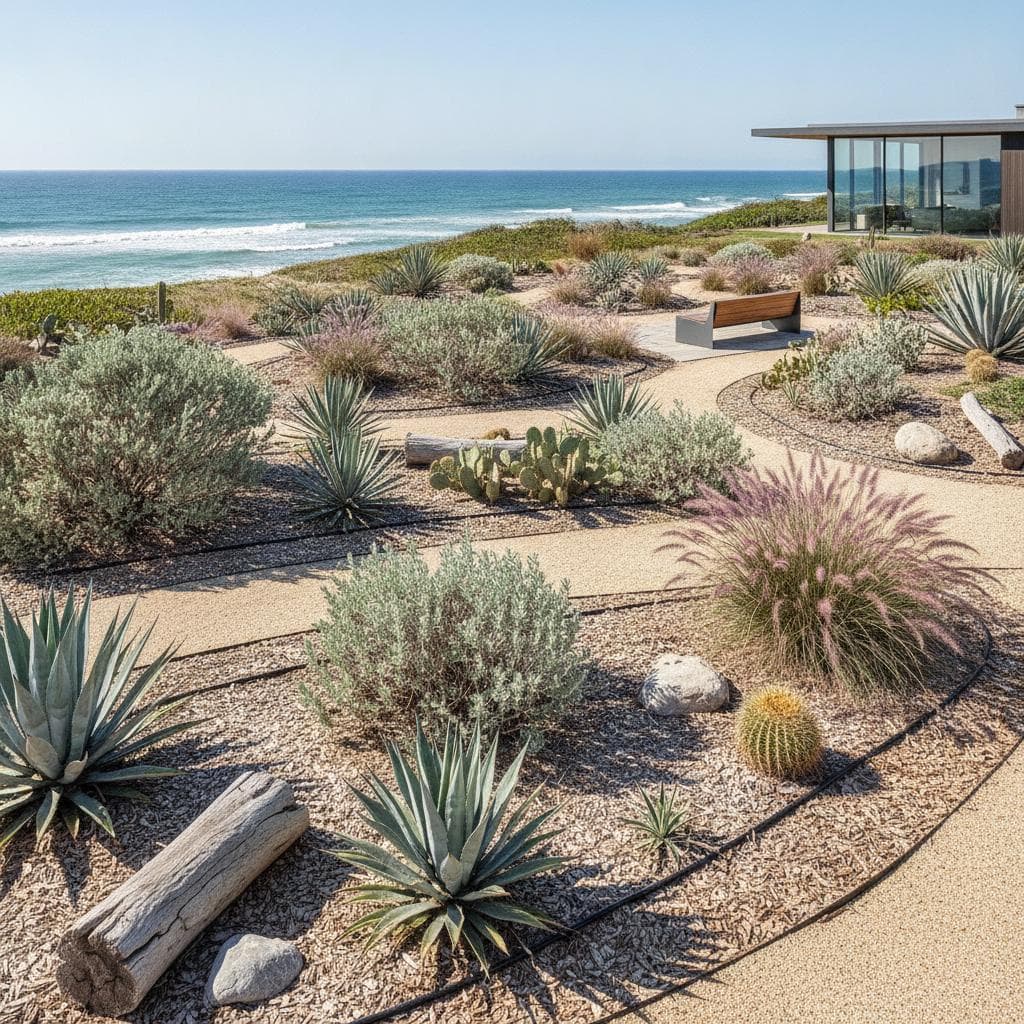
Coastal Gardens That Thrive on Half the Water
Design a sustainable coastal garden with xeriscaping. Follow clear steps for plant choice, soil improvement, and irrigation that conserve water in sandy, salty conditions.
By Jessie Landes
5 min read
Design a sustainable coastal garden with xeriscaping. Follow clear steps for plant choice, soil improvement, and irrigation that conserve water in sandy, salty conditions.
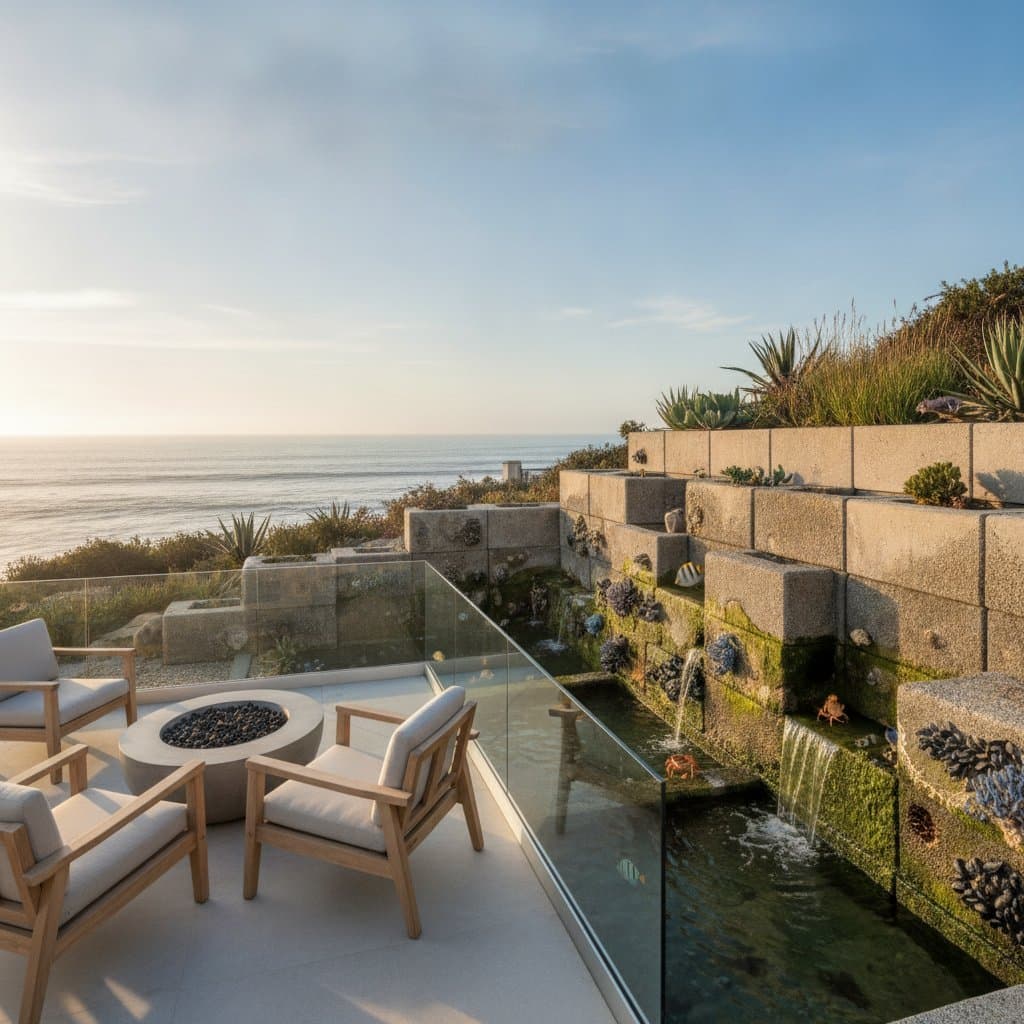
Southern California homeowners are replacing traditional concrete seawalls with eco-friendly living seawalls that blend engineering and ecology. These dynamic structures curb erosion, foster marine habitats, and enhance coastal beauty while lowering maintenance costs.
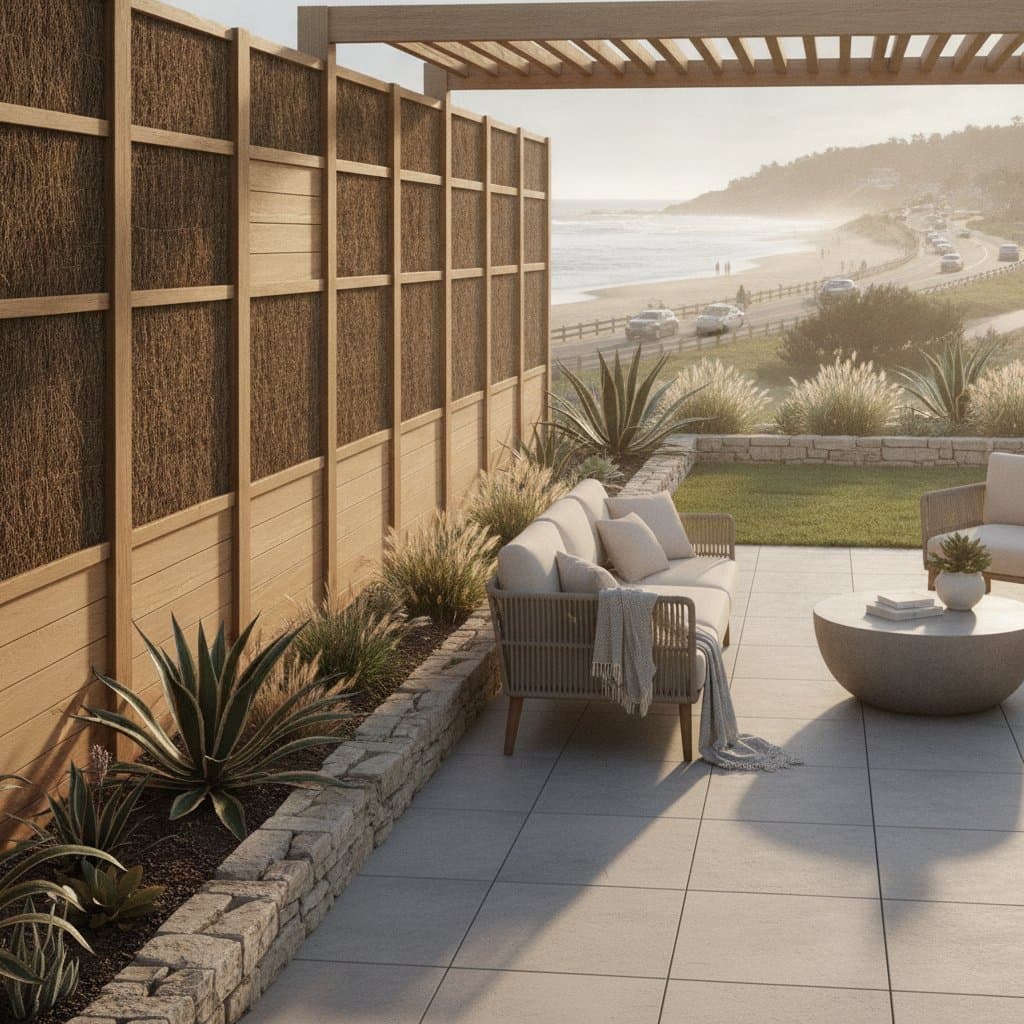
Transform your coastal yard into a serene retreat with acoustic fencing. These barriers block beach noise, traffic, and chatter while reducing sound by up to 30 decibels. Materials, placement, and landscaping combine to deliver privacy, peace, and lasting curb appeal.

Coastal homeowners replace rigid concrete barriers with living seawalls that combine engineering and ecology. Oyster reefs, native vegetation, and eco-friendly materials reduce erosion, boost biodiversity, and lower maintenance costs while creating resilient shorelines.
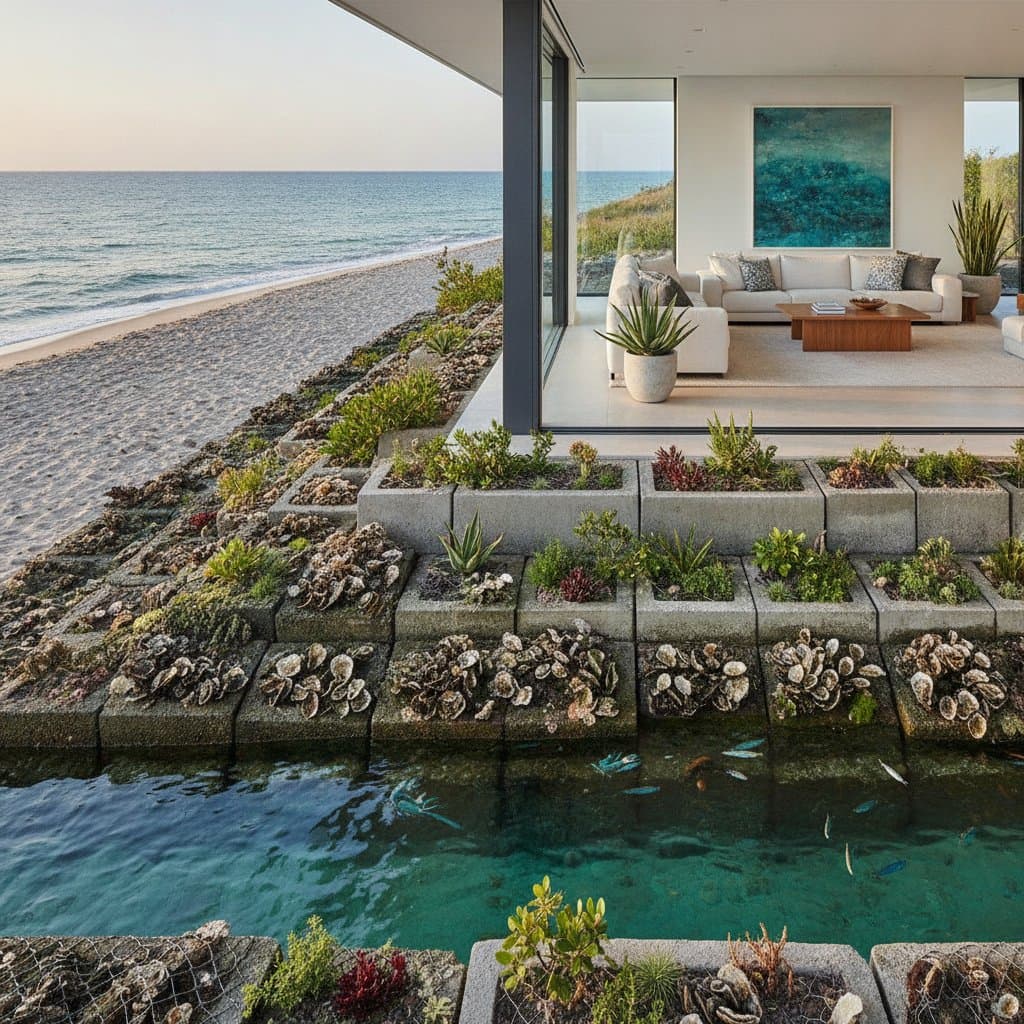
Living seawalls blend engineering and ecology to protect waterfront homes while restoring marine habitats. Though slightly costlier than concrete barriers, they reduce erosion, enhance biodiversity, and boost property value through strategic materials, design, and planning.
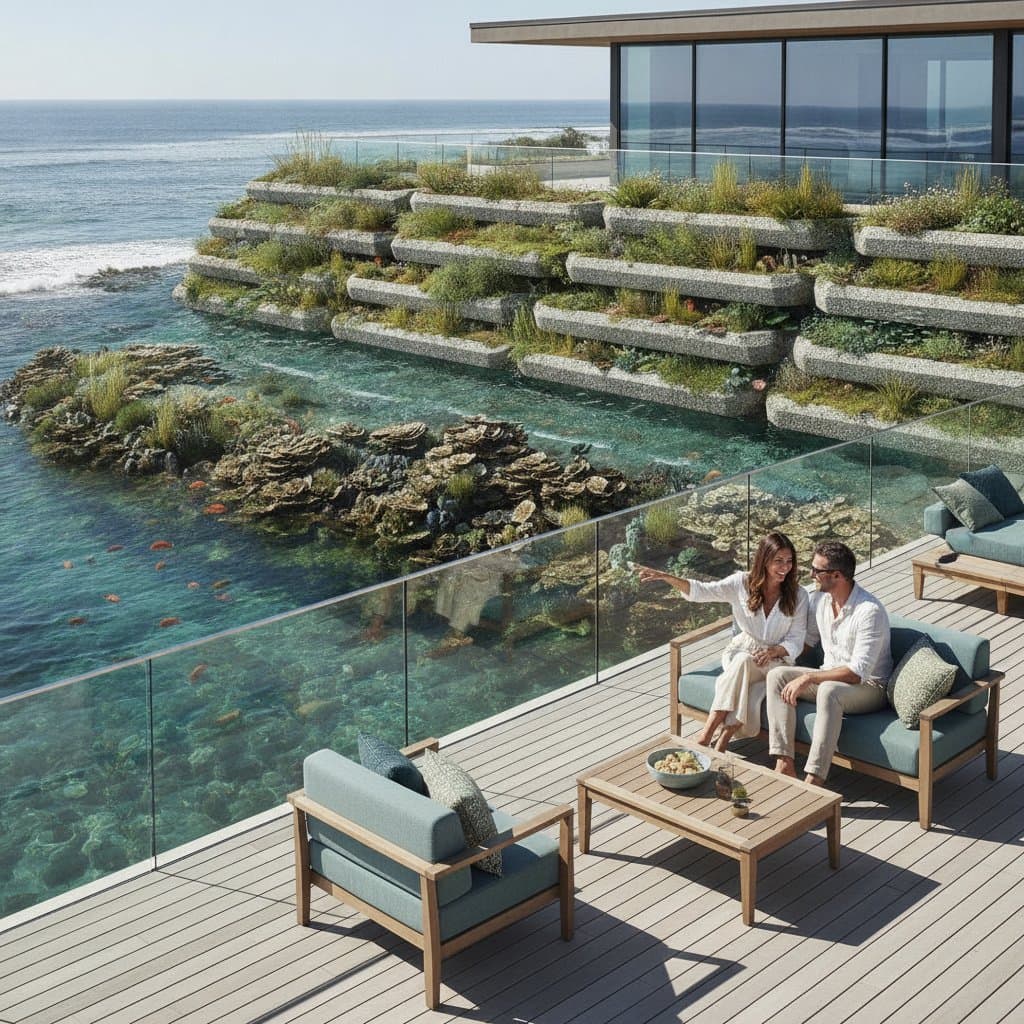
Living seawalls merge structural protection with ecological restoration. They stabilize coastlines, support marine species, and deliver long-term cost advantages for communities such as San Diego.
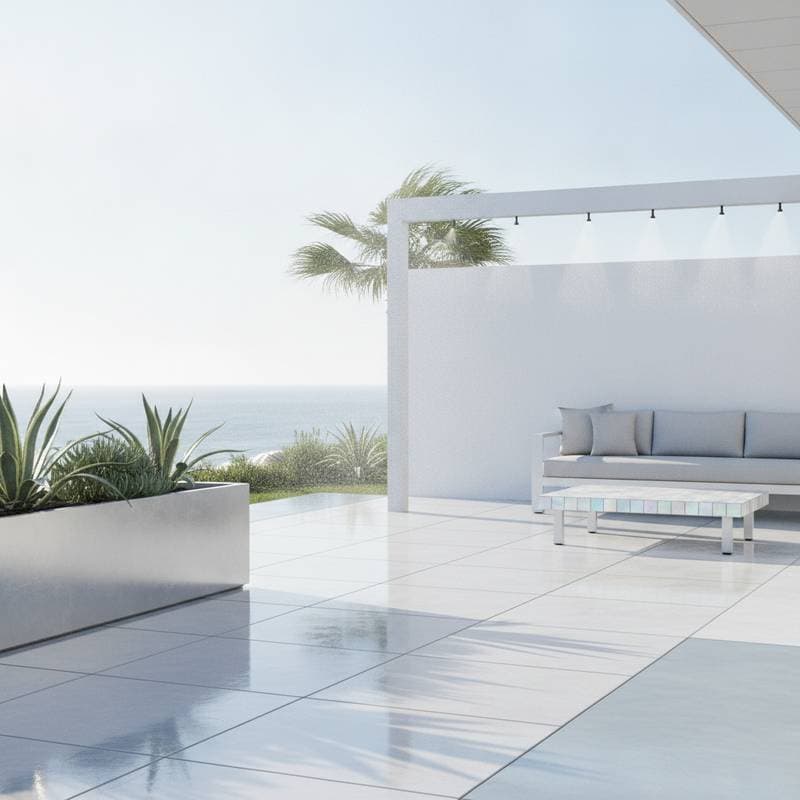
Beat the summer heat by transforming your patio with reflective finishes that can lower surface temperatures by up to 25 degrees. From cool coatings and high albedo pavers to reflective paints and composite tiles, discover nine stylish, energy efficient ways to keep your outdoor space comfortable, durable, and effortlessly inviting all season long.
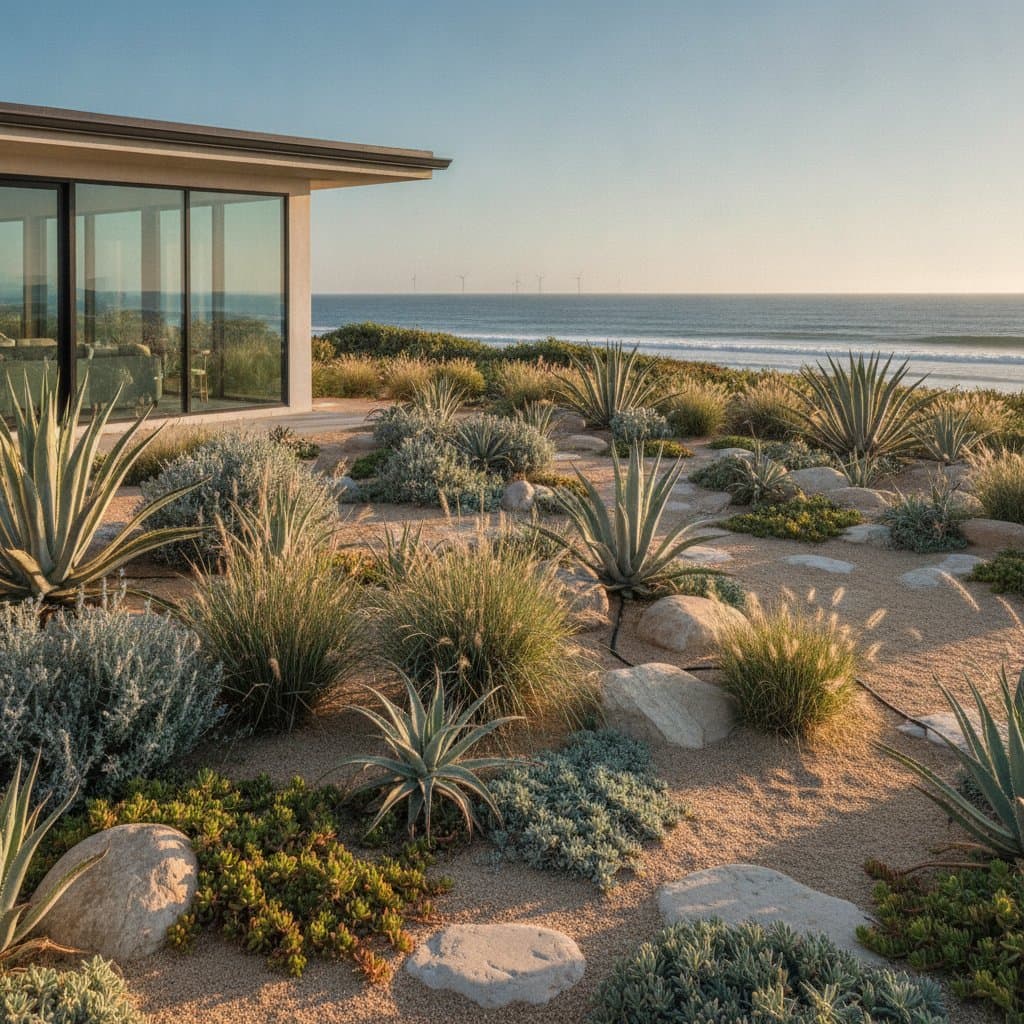
Coastal homeowners can reduce outdoor water consumption by up to 60 percent by 2026 through xeriscaping. This method uses drought-tolerant plants, targeted irrigation, and soil improvements to create resilient landscapes suited to sandy and saline environments.
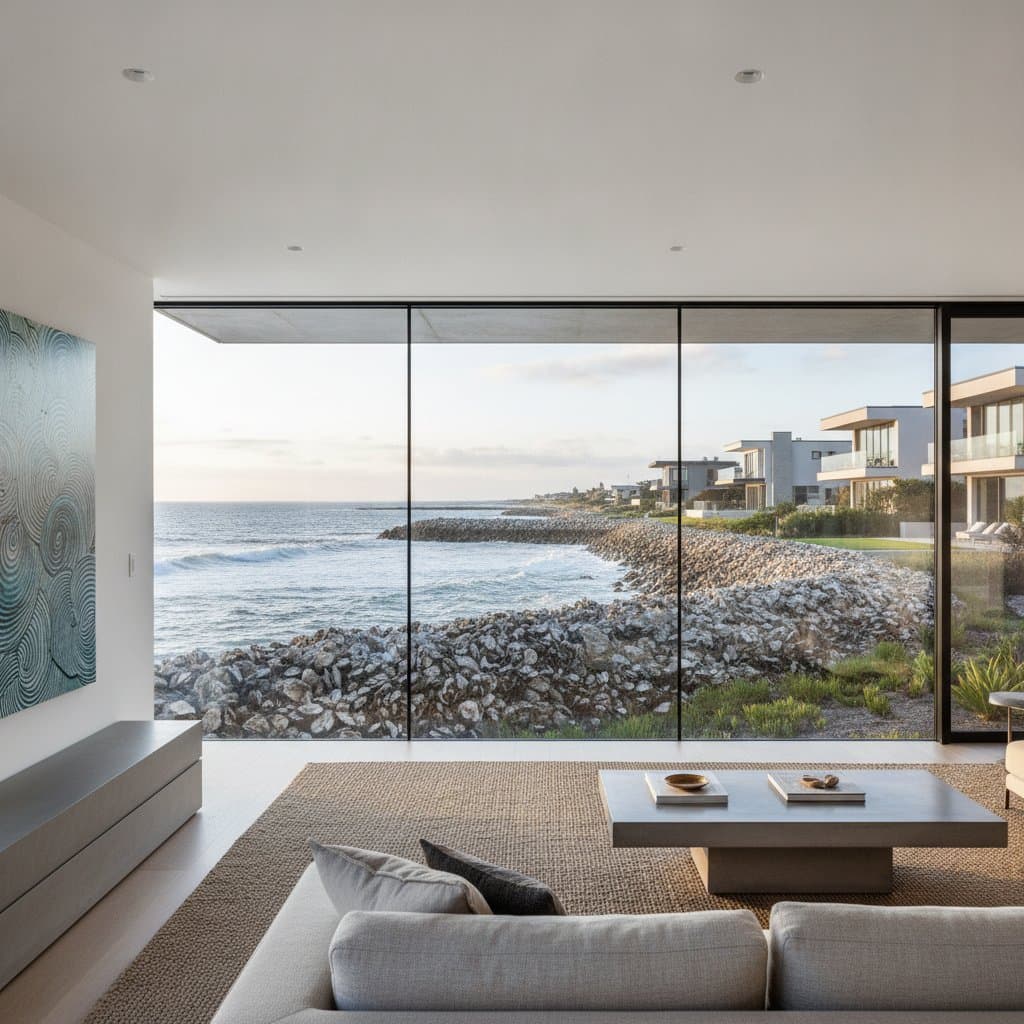
Oyster reefs are emerging as a cost-effective, eco-friendly alternative to seawalls, protecting waterfront homes while enhancing marine ecosystems. These living barriers absorb wave energy, reduce erosion, and even improve water quality. With lower costs, minimal maintenance, and self-sustaining growth, oyster reefs offer a resilient, nature-based defense for coastal properties.
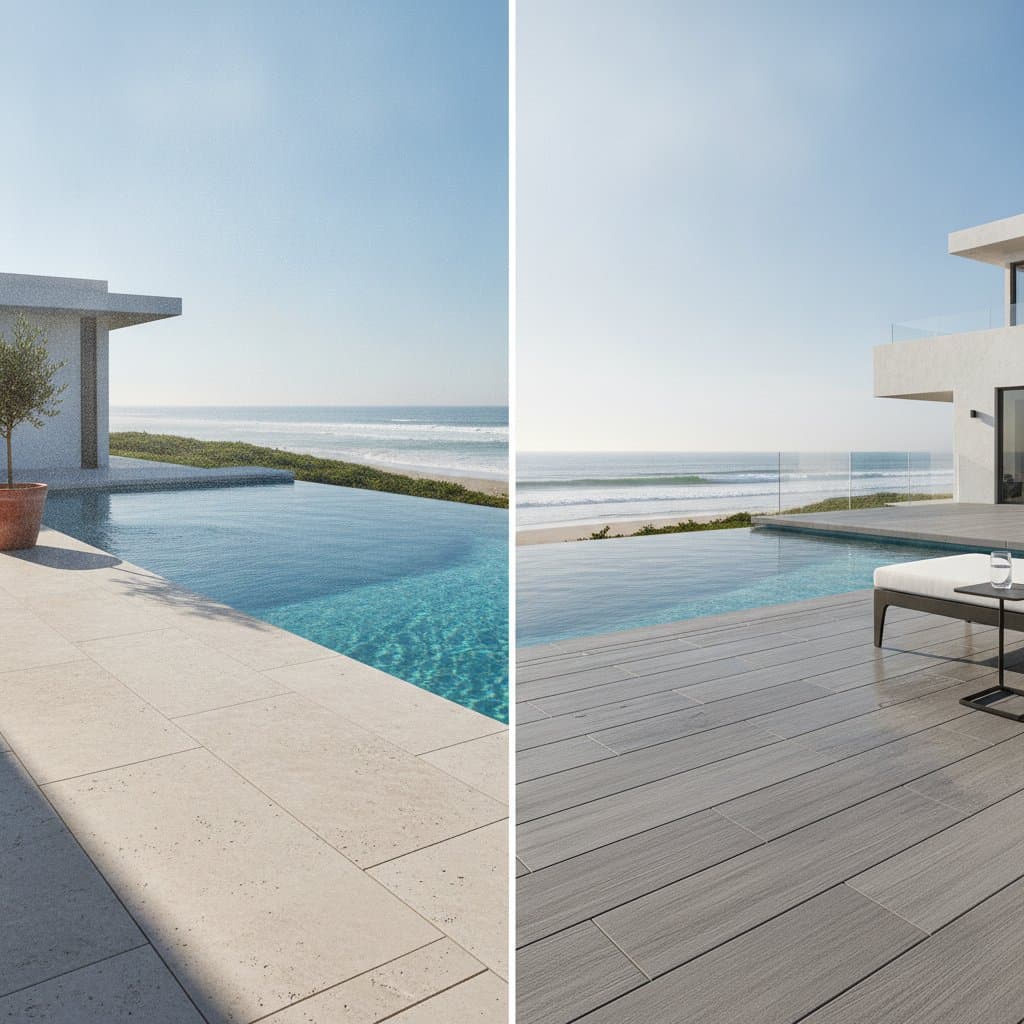
Choosing between limestone and porcelain for coastal pool decks involves balancing natural beauty with durability. Limestone offers timeless elegance but needs sealing against salt air. Porcelain delivers sleek, low-maintenance resilience. Learn which material best suits your seaside lifestyle, climate, and design goals for lasting comfort and style.
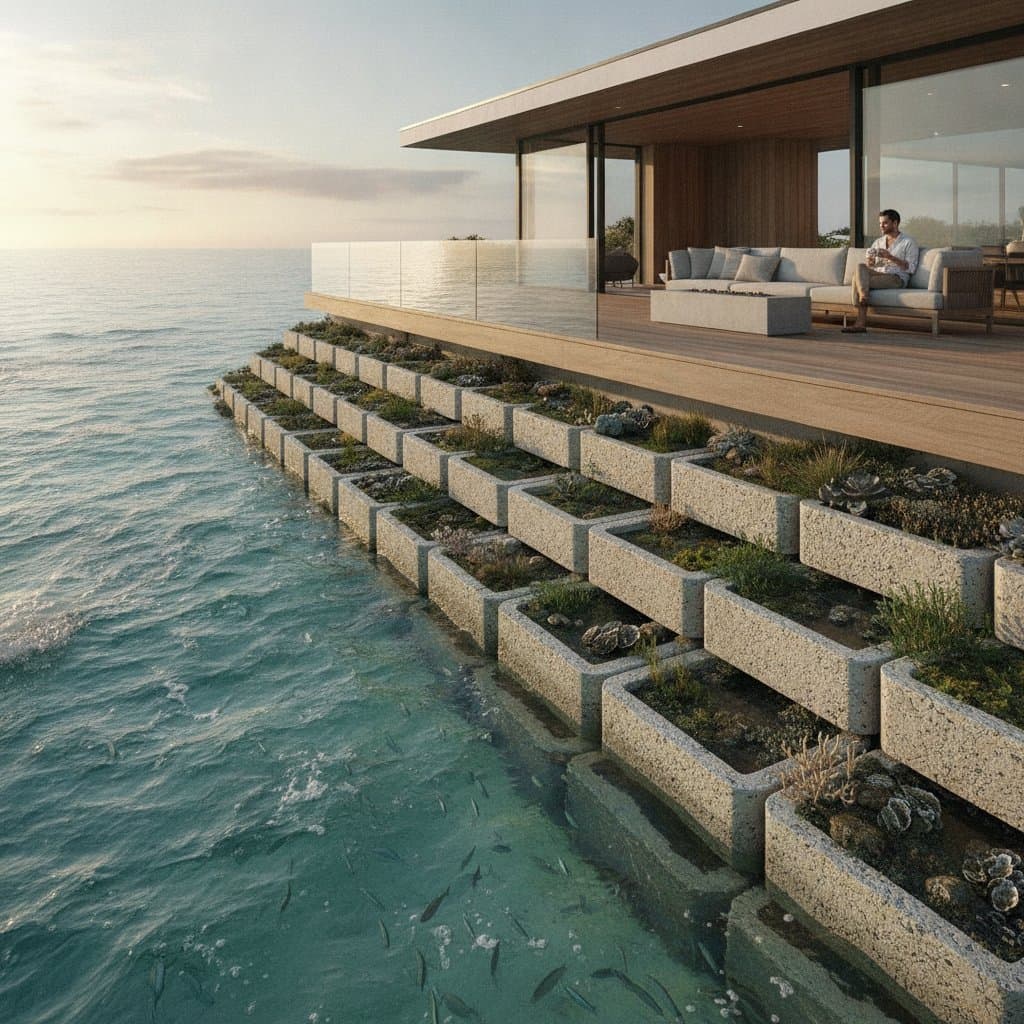
Coastal homeowners are replacing rigid concrete seawalls with living eco friendly alternatives that protect shorelines while restoring marine habitats. These bioengineered barriers balance durability, cost efficiency, and sustainability.
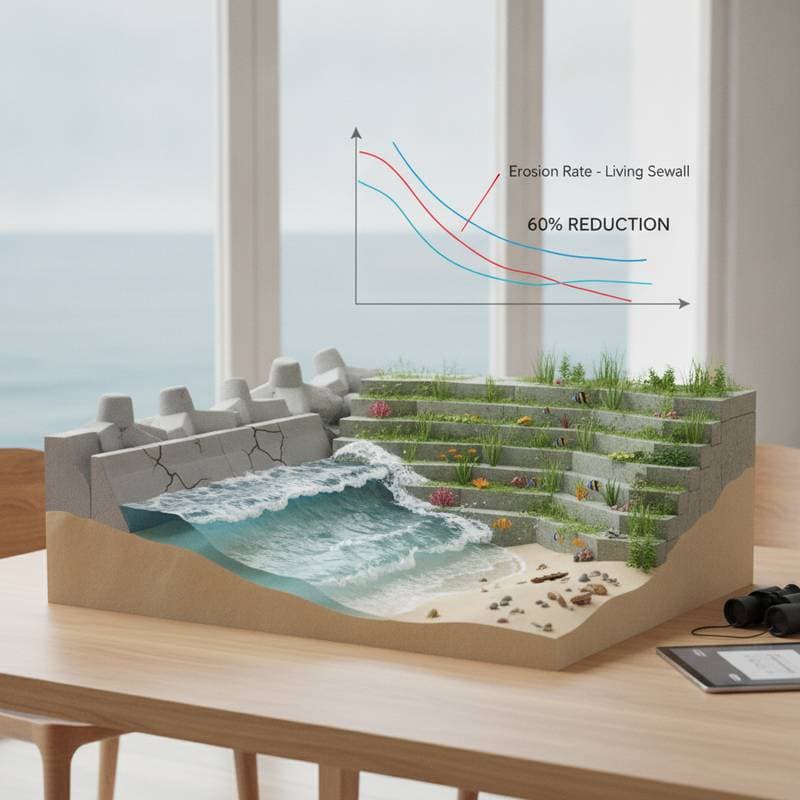
Living seawalls combine engineered strength with biological growth to cut erosion by up to 60 percent. They absorb wave energy, improve water quality, and support marine life. This guide covers design choices, costs, permitting, and long-term care.
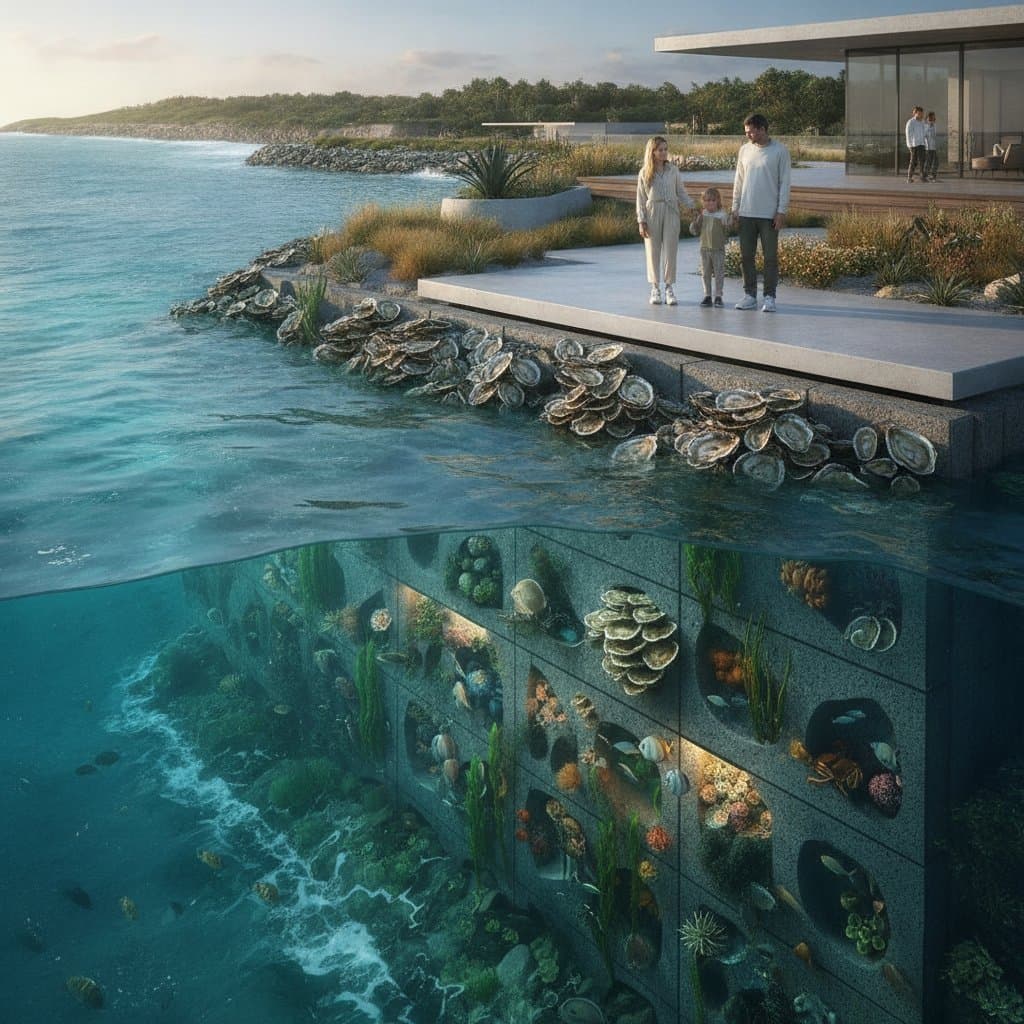
Living seawalls replace traditional concrete barriers with eco friendly designs that support marine ecosystems. With average costs around 140000 dollars, these systems provide lasting resilience, cost savings over time, and significant gains in biodiversity for sustainable coastal defense.
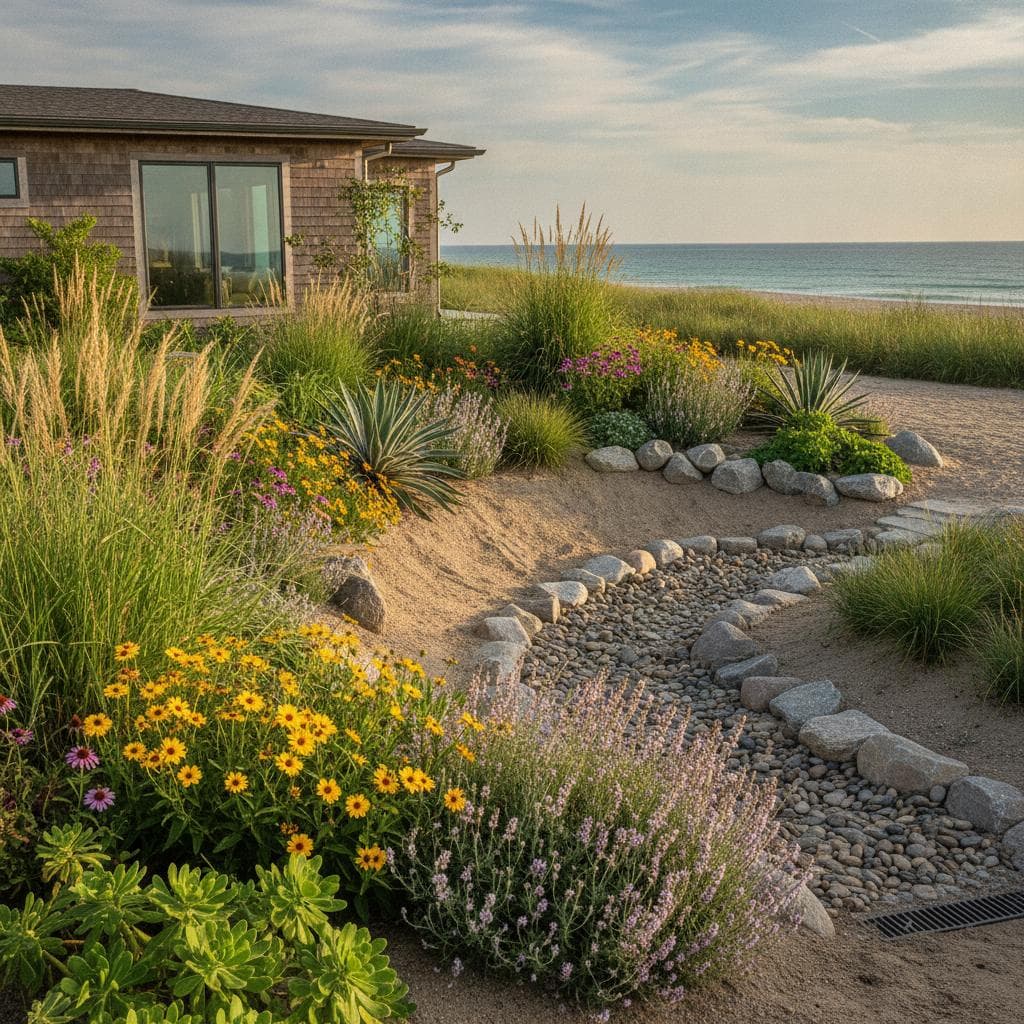
Transform your coastal yard into a storm ready oasis with a rain garden that captures runoff, prevents flooding, and nourishes native plants. Learn how to design, build, and maintain these eco friendly landscapes that thrive in sandy soils, resist salt, and bring natural beauty and resilience to every coastal home.
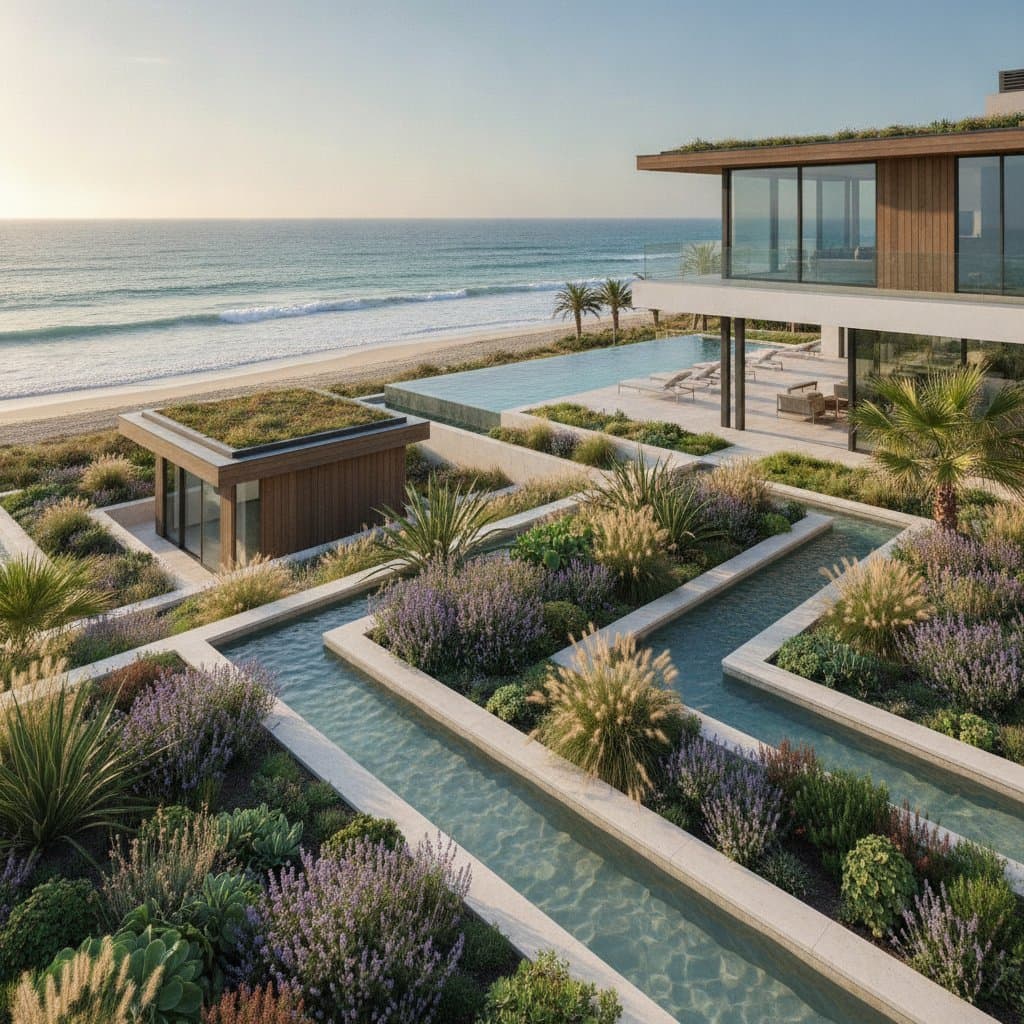
Cut coastal water bills by up to 60% with tidal irrigation. This system uses filtered seawater and natural tides to nourish salt tolerant plants. Learn costs, design steps, and maintenance requirements for a sustainable beach landscape.
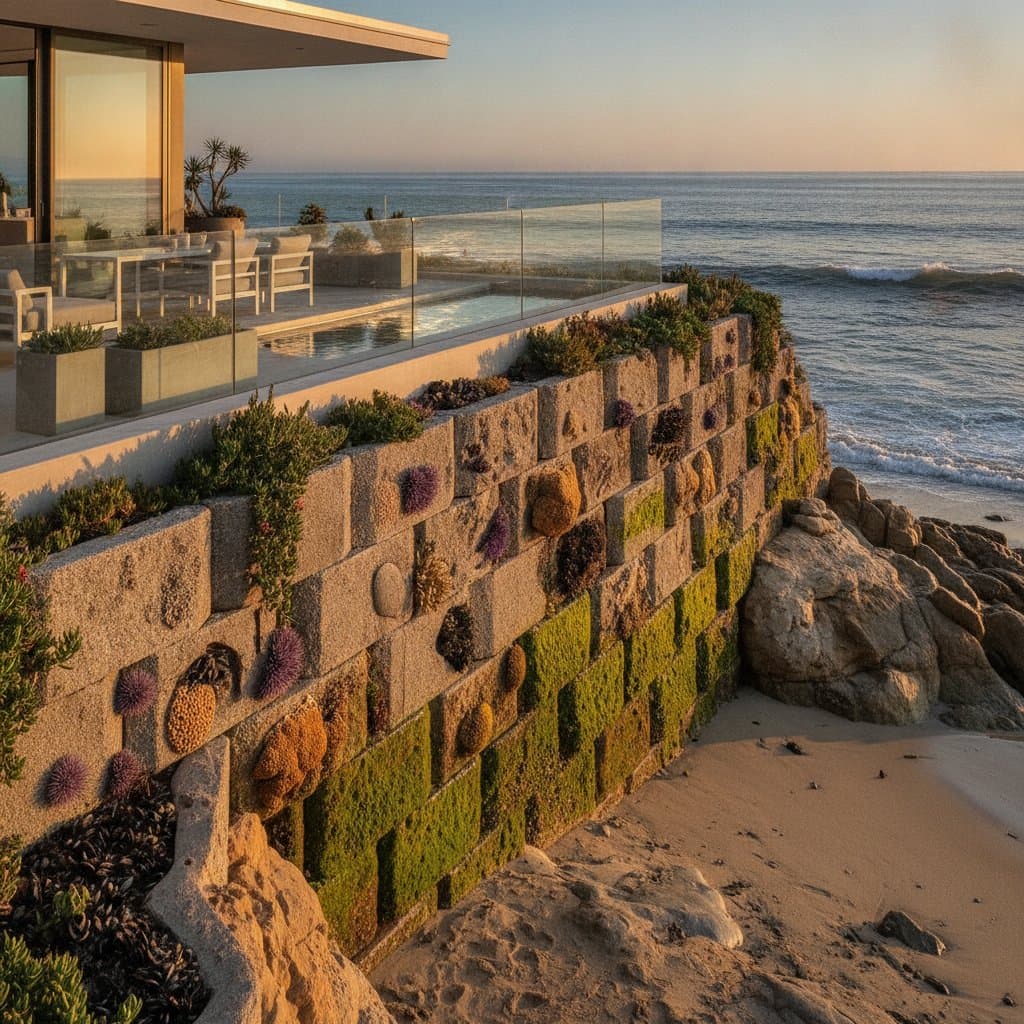
Living seawalls combine engineered barriers with natural habitat features to protect shorelines. Costs range from 250 to 600 dollars per linear foot. This guide details materials, installation steps, and maintenance practices for San Diego coastal properties.
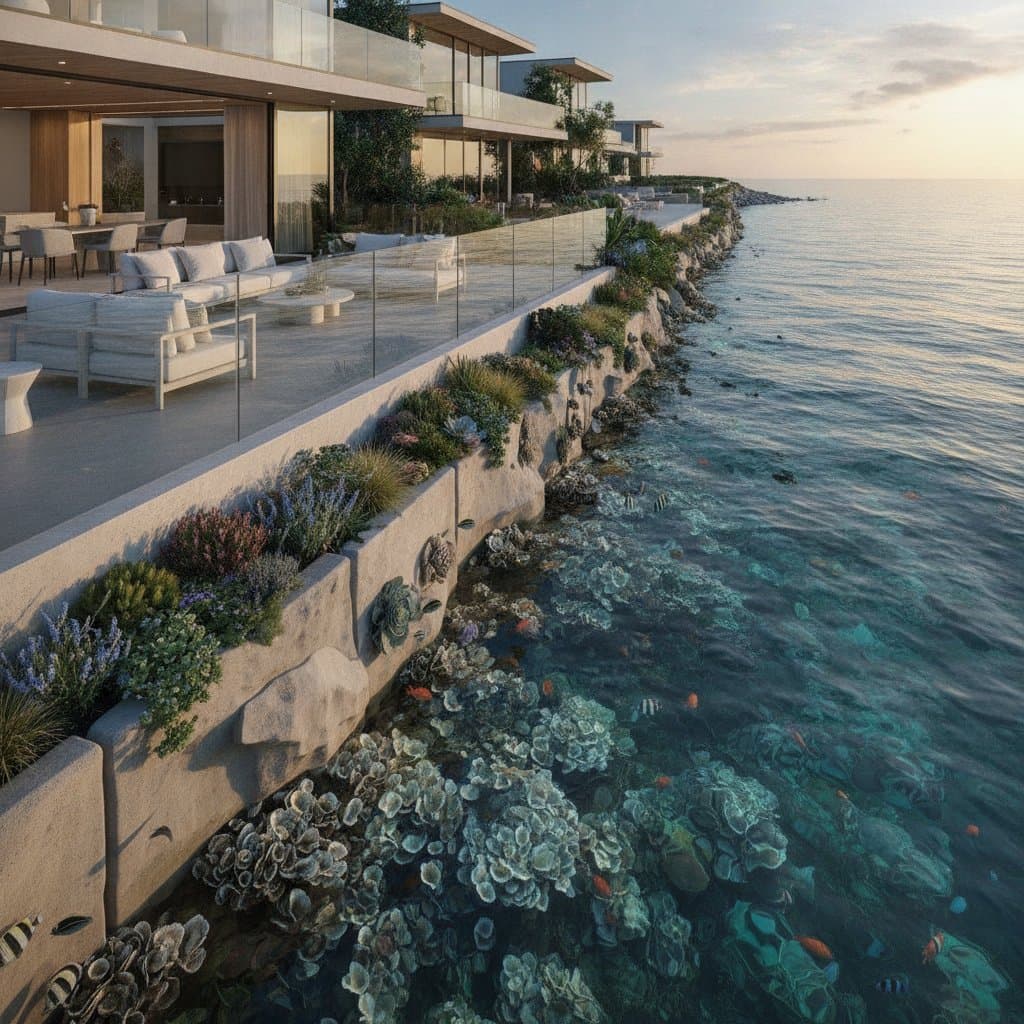
Living seawalls protect waterfront properties from erosion while restoring marine habitats through textured panels, native vegetation, and oyster integration. Learn practical designs and planning steps for sustainable coastal homes.
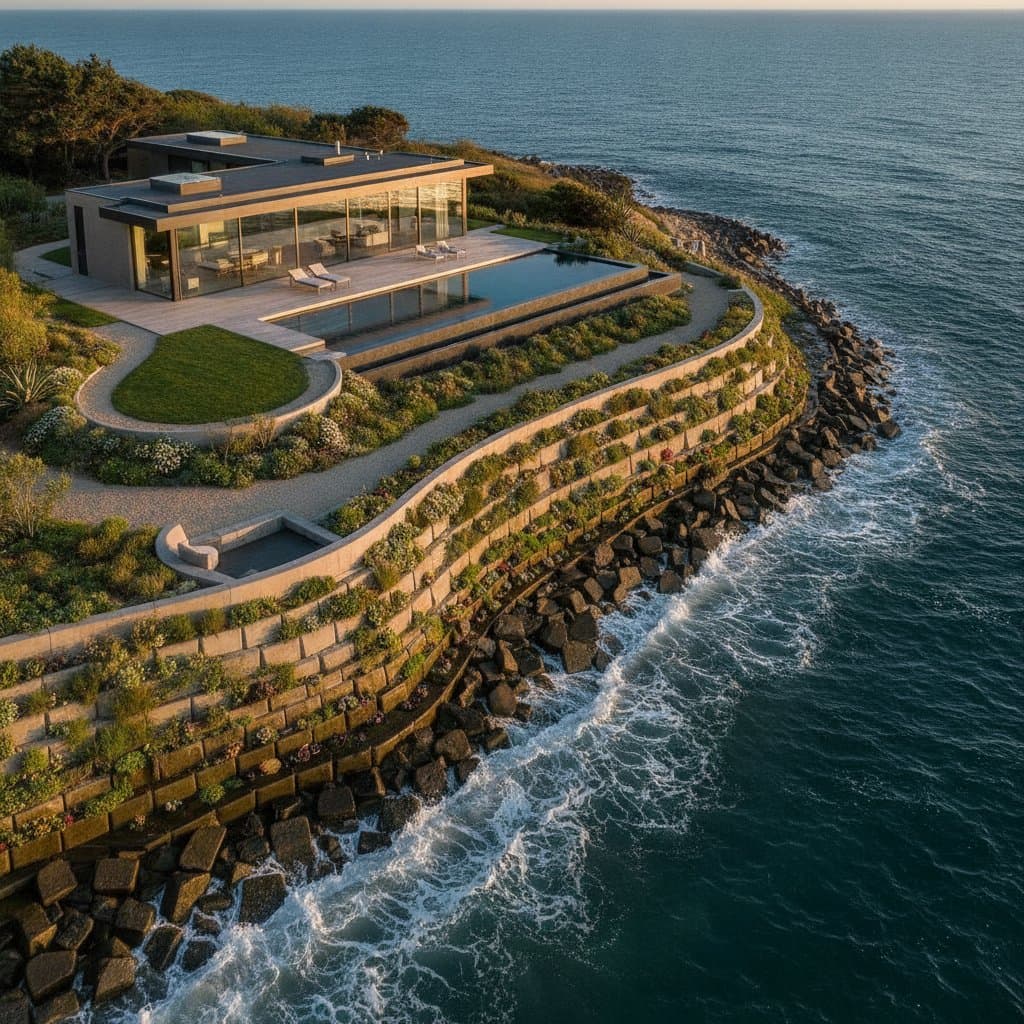
Living seawalls combine engineered strength with habitat features to protect coastlines and support marine life. Property owners gain durable erosion control with lower long-term maintenance and added ecological value.
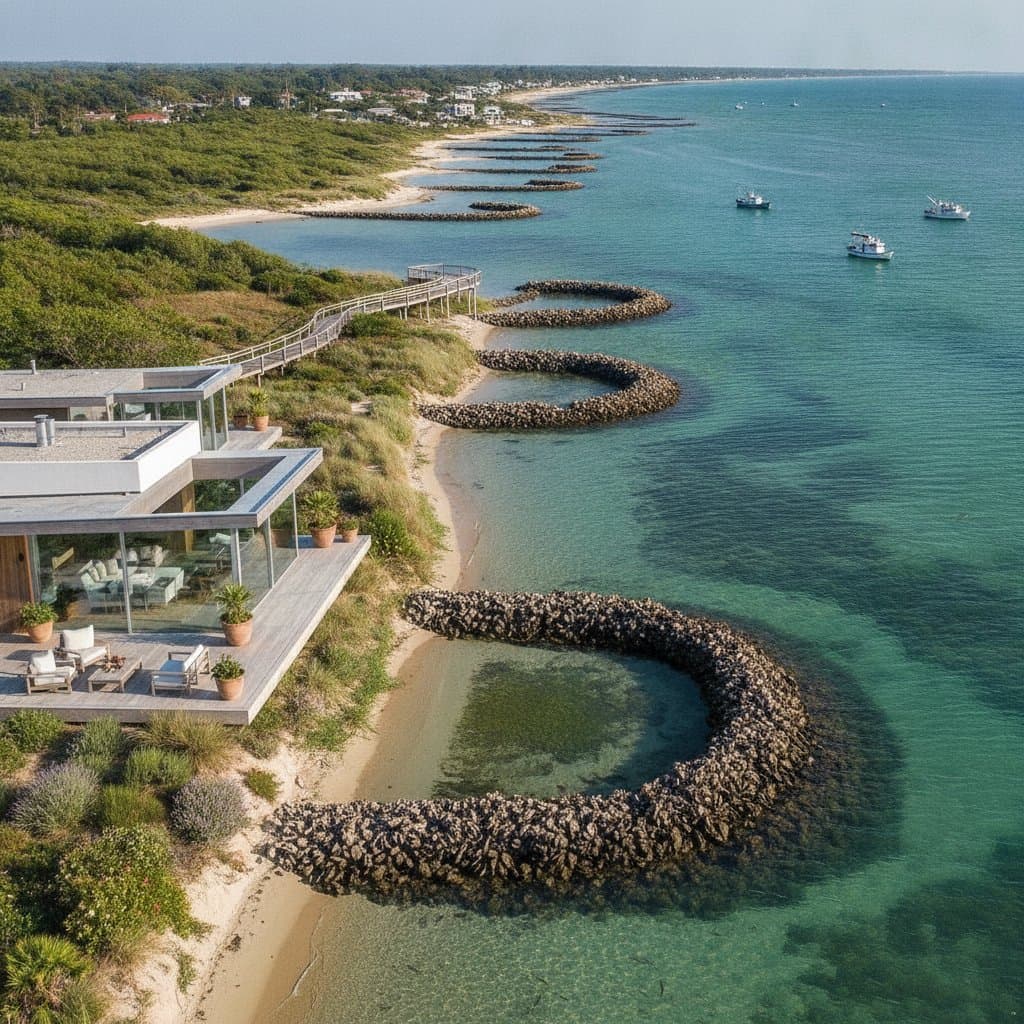
Oyster reefs serve as living seawalls that defend shorelines from erosion while restoring marine ecosystems. Explore nine strategies to establish and maintain these natural barriers for stronger coastal resilience.
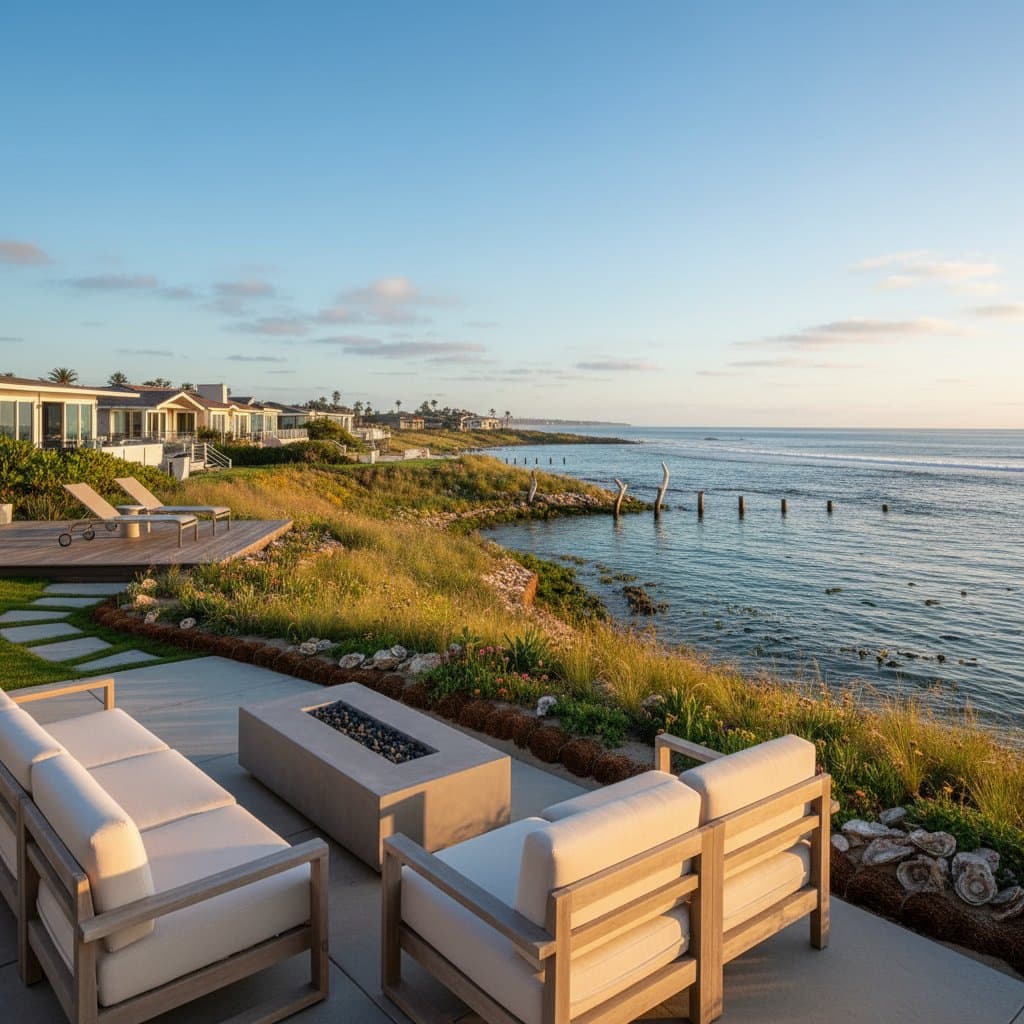
Living shorelines replace rigid seawalls with natural defenses of plants, sand, and shell. These systems reduce erosion, support marine life, and enhance property value for San Diego homeowners seeking sustainable coastal solutions.