
Understanding Living Seawalls
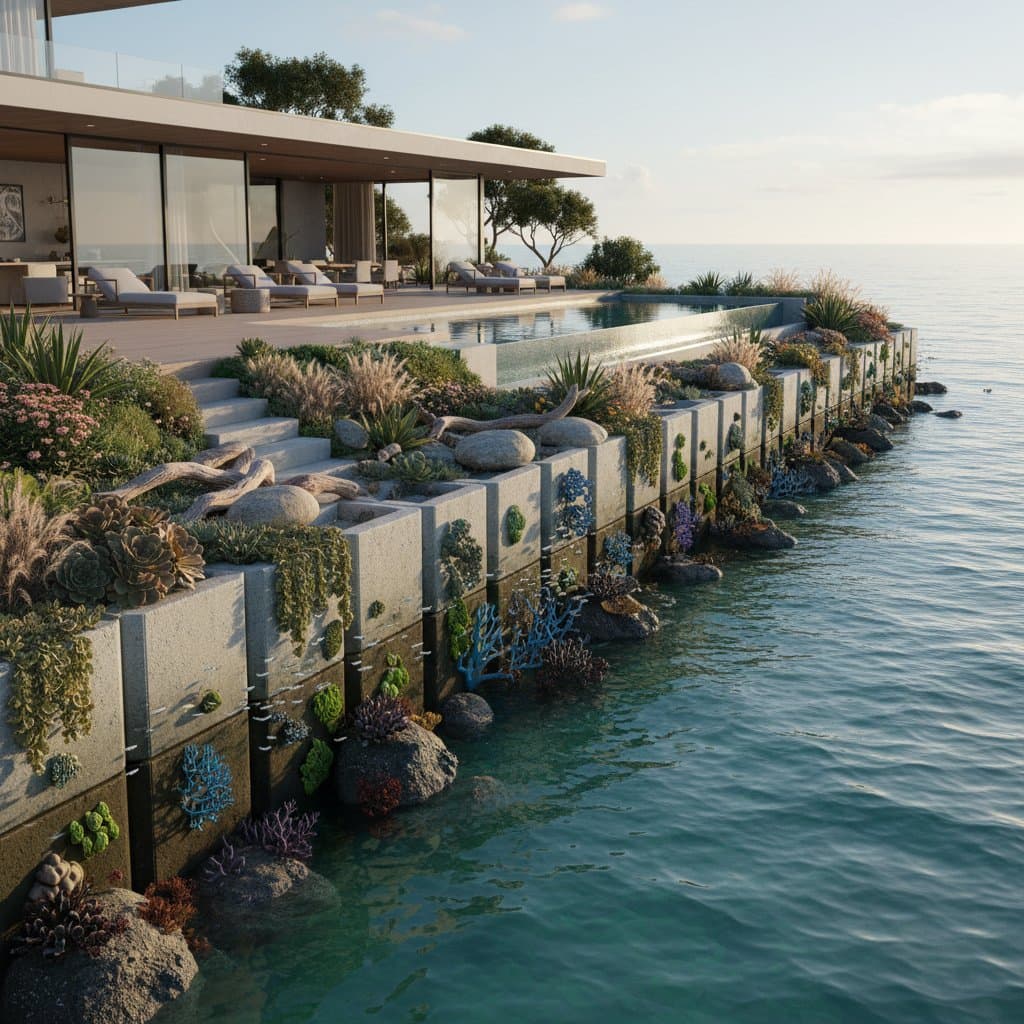
Living seawalls represent an innovative approach to coastal defense. Traditional concrete barriers often harm marine ecosystems by creating sterile environments. In contrast, living seawalls incorporate natural elements such as oysters, mussels, and algae to create thriving habitats while providing structural protection.
These hybrid structures use eco-friendly materials like recycled plastics or permeable concrete infused with seed pockets for marine growth. Homeowners in areas like San Diego benefit from reduced wave impact and enhanced biodiversity. The result combines practical engineering with ecological restoration.
Key Benefits for Coastal Properties
One primary advantage lies in erosion control. Living seawalls absorb wave energy through their textured surfaces and root systems, preventing soil loss that threatens beachfront foundations. Studies show they can reduce erosion rates by up to 50 percent compared to rigid walls.
They also improve water quality. Attached organisms filter pollutants and excess nutrients, leading to clearer coastal waters. This filtration supports healthier fish populations and reduces algal blooms, benefiting both the environment and nearby recreational activities.
Property values see a notable uplift. The aesthetic integration of greenery and marine life appeals to buyers seeking sustainable luxury. Real estate experts report increases of 10 to 20 percent in home appraisals for properties with these features.
Materials and Design Options
Designs vary to suit different coastal conditions. Modular panels made from high-density polyethylene allow for easy installation and customization. Some systems include vertical gardens with native plants that stabilize the structure and attract pollinators.
For luxury applications, architects incorporate artistic elements such as sculpted rock facades embedded with habitat pockets. Permeable designs permit water flow, minimizing stagnant areas that could harbor invasive species. Durability remains high, with lifespans exceeding 50 years under proper maintenance.
Selection depends on site-specific factors like wave height and soil type. Consulting marine engineers ensures the design aligns with local regulations and environmental goals.
Installation Process
The process begins with a site assessment. Professionals evaluate water depth, current patterns, and existing marine life to plan the layout. This step typically takes one to two weeks and informs material choices.
Construction follows in phases. Workers anchor the base structure to the seabed using eco-friendly pilings that avoid disturbing coral or seagrass. Then, they attach habitat modules, seeding them with juvenile oysters or algae to kickstart growth.
Post-installation monitoring ensures success. Homeowners schedule annual inspections to remove debris and replenish organisms. Full ecological integration occurs within six to twelve months, after which the seawall functions as a living ecosystem.
- Conduct environmental survey.
- Secure permits from coastal authorities.
- Install foundational elements during low tide.
- Add biological components.
- Monitor and maintain over time.
Cost Considerations and ROI
Initial costs range from $300 to $700 per linear foot, depending on length and complexity. Shorter installations for private docks fall on the lower end, while extensive beachfront systems approach the higher figure. Factors like custom designs or premium materials influence the total.
Long-term savings offset the investment. Reduced maintenance compared to traditional walls cuts annual expenses by 30 percent. Insurance premiums often decrease due to proven erosion resistance, providing financial relief in storm-prone areas.
The return on investment extends to ecological and aesthetic value. Enhanced marine life attracts eco-tourism, indirectly boosting local economies. For luxury homeowners, the seamless blend of protection and beauty justifies the upfront expenditure.
Real-World Applications
In Southern California, several high-end residences feature living seawalls. One notable example involves a La Jolla estate where the structure supports diverse shellfish populations, improving local water clarity. The design mimics natural rock formations, enhancing the property's scenic appeal.
Further north, in Malibu, developers integrated these seawalls into community projects. The result includes vibrant intertidal zones that draw marine biologists for study. Homeowners report greater satisfaction with the natural look over stark concrete alternatives.
These cases demonstrate adaptability. Urban coastal areas benefit from compact designs, while expansive estates allow for elaborate habitat integrations. Success hinges on collaboration between engineers, ecologists, and designers.
Steps for Homeowners to Get Started
Assess your property's needs first. Measure the vulnerable shoreline length and note exposure to tides or storms. This evaluation helps determine scale and budget.
Research certified providers. Look for companies with experience in marine restoration and references from similar projects. Request detailed proposals outlining materials, timelines, and warranties.
Engage local experts early. Marine biologists can advise on species selection to maximize habitat benefits. Architects ensure the design complements your home's architecture.
Budget for ongoing care. Allocate funds for inspections and seeding replenishment to sustain the ecosystem. Many providers offer maintenance packages tailored to luxury properties.
Embracing Sustainable Coastal Resilience
Living seawalls offer a forward-thinking solution for coastal challenges. They protect assets while nurturing the ocean, creating balanced environments for future generations. Homeowners who adopt this technology enjoy enhanced security and natural beauty.
The shift toward these structures signals a broader commitment to sustainability. As climate pressures intensify, such innovations provide practical paths to resilience. Ultimately, they transform potential vulnerabilities into opportunities for ecological harmony and elevated living.