Crushed Shells Create Cool, Coastal Driveways Naturally
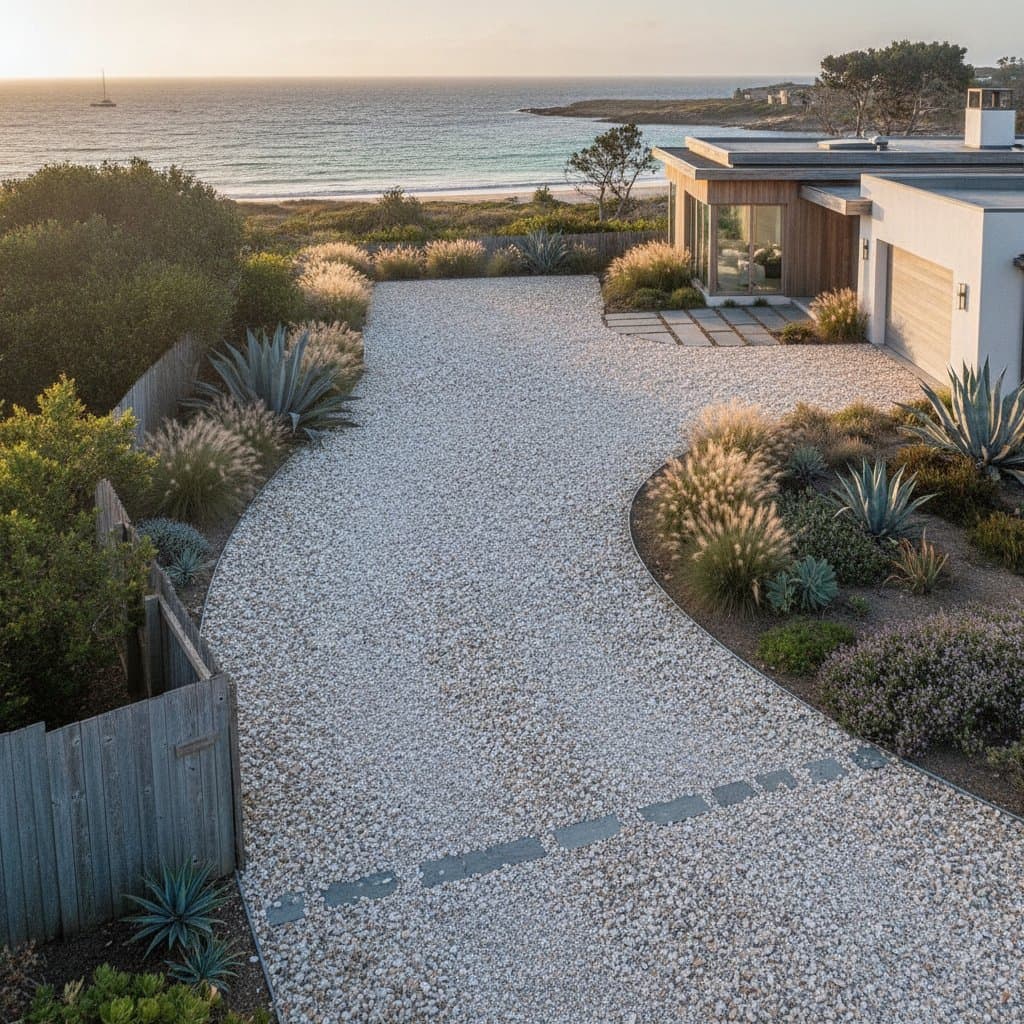
Crushed shell driveways deliver coastal style through recycled materials that stay cool, drain well, and require little upkeep. They suit beach homes seeking sustainable curb appeal.
Articles tagged with eco
Crushed shell driveways deliver coastal style through recycled materials that stay cool, drain well, and require little upkeep. They suit beach homes seeking sustainable curb appeal.
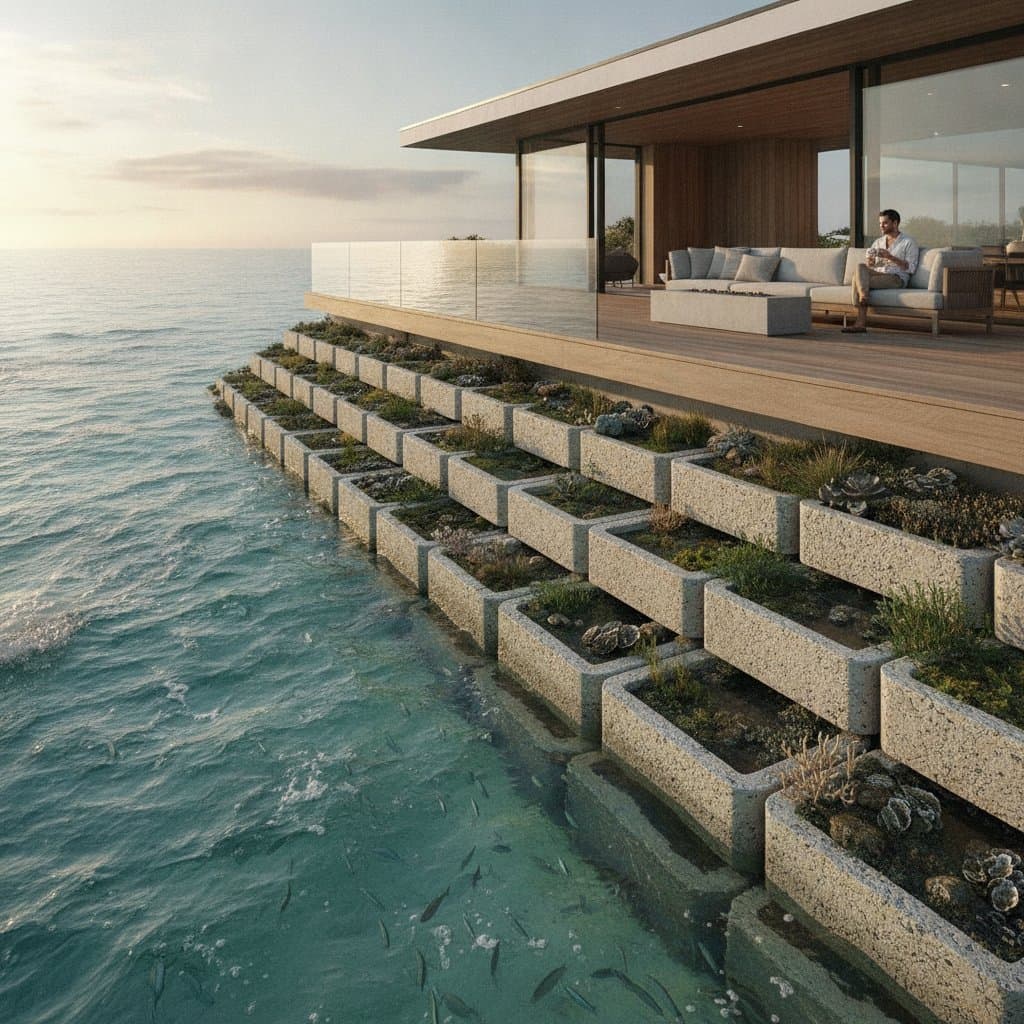
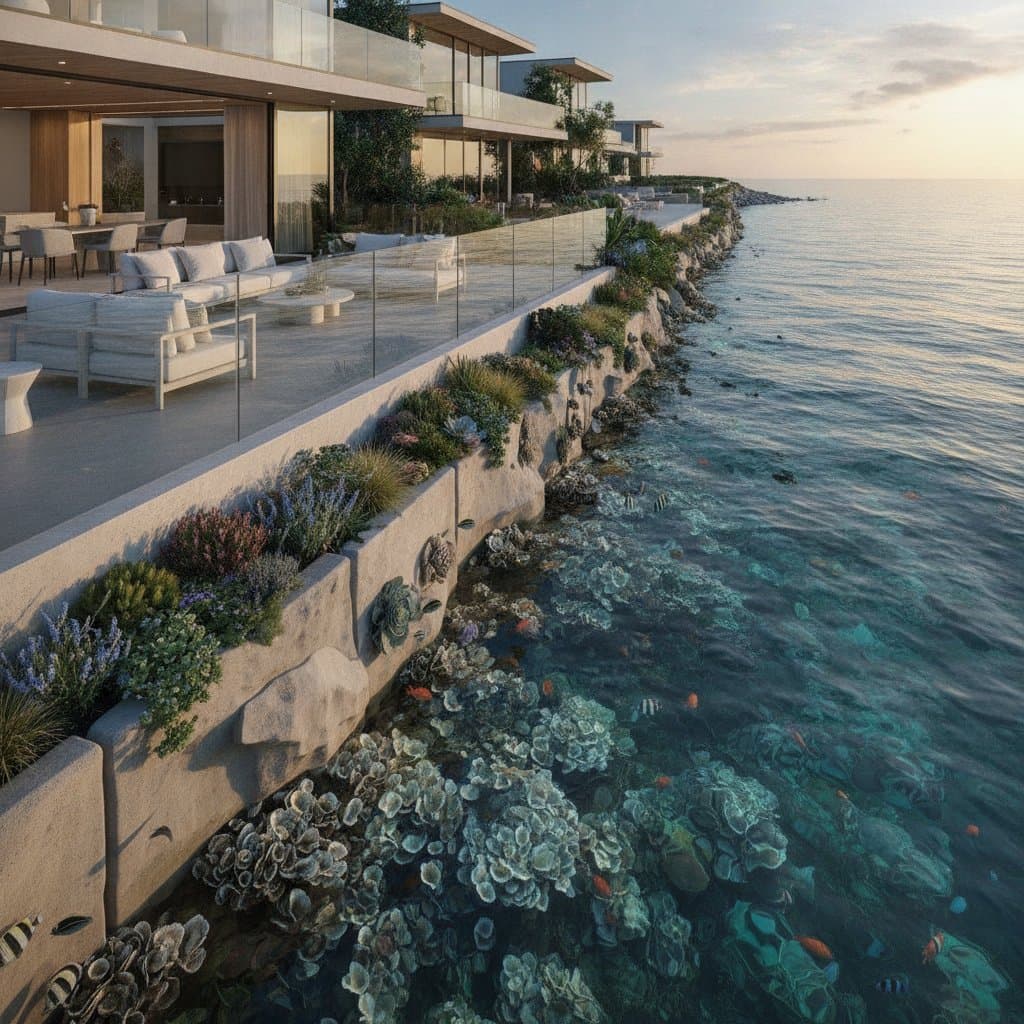
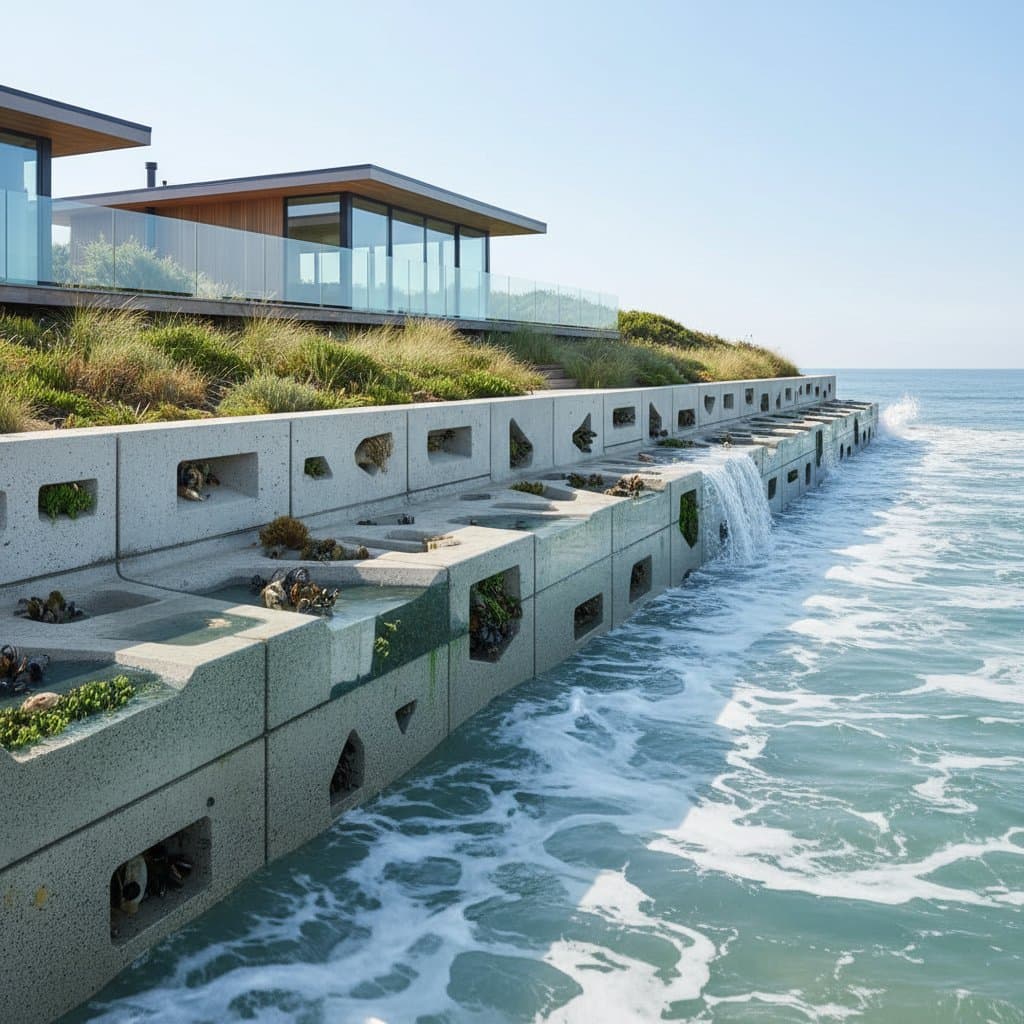
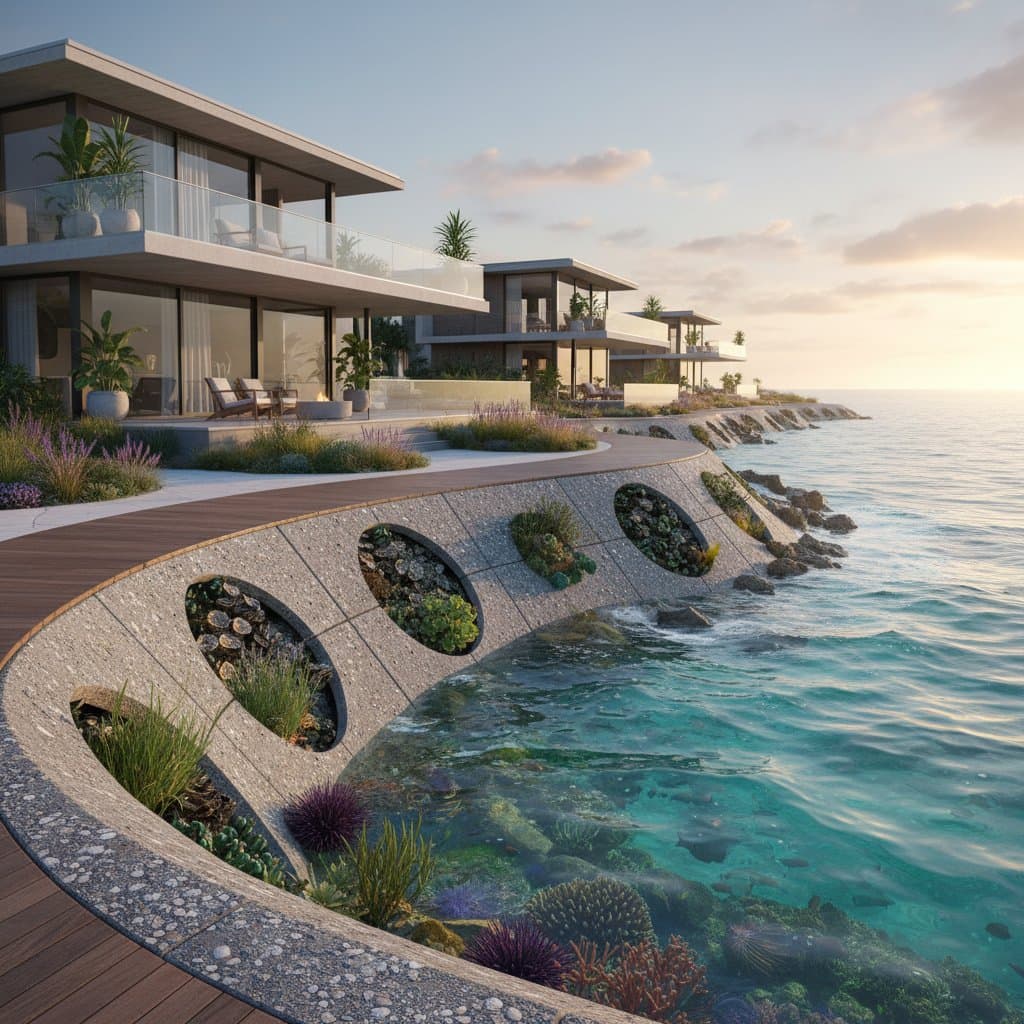
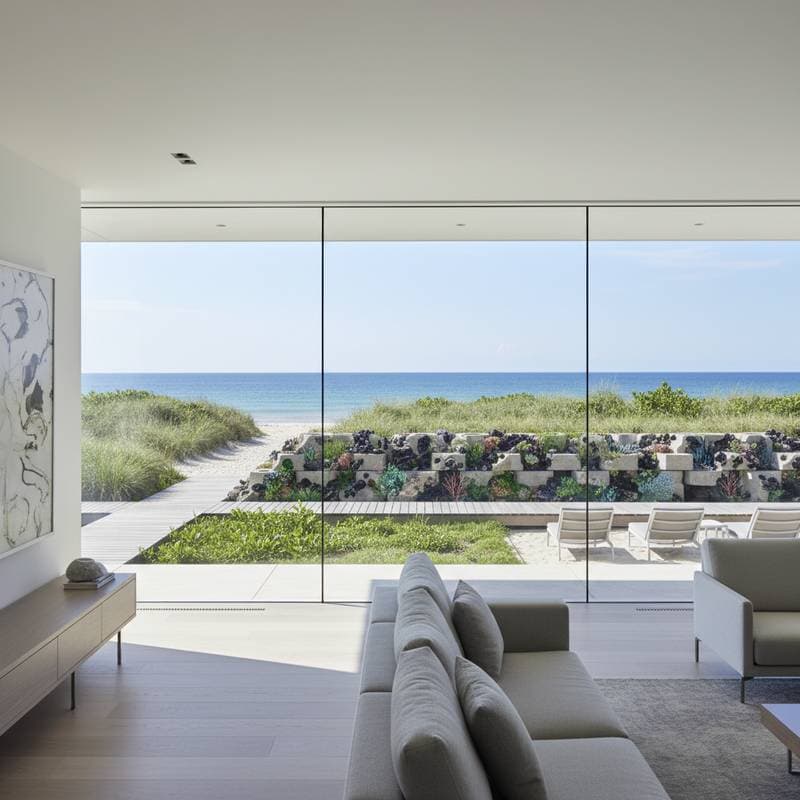
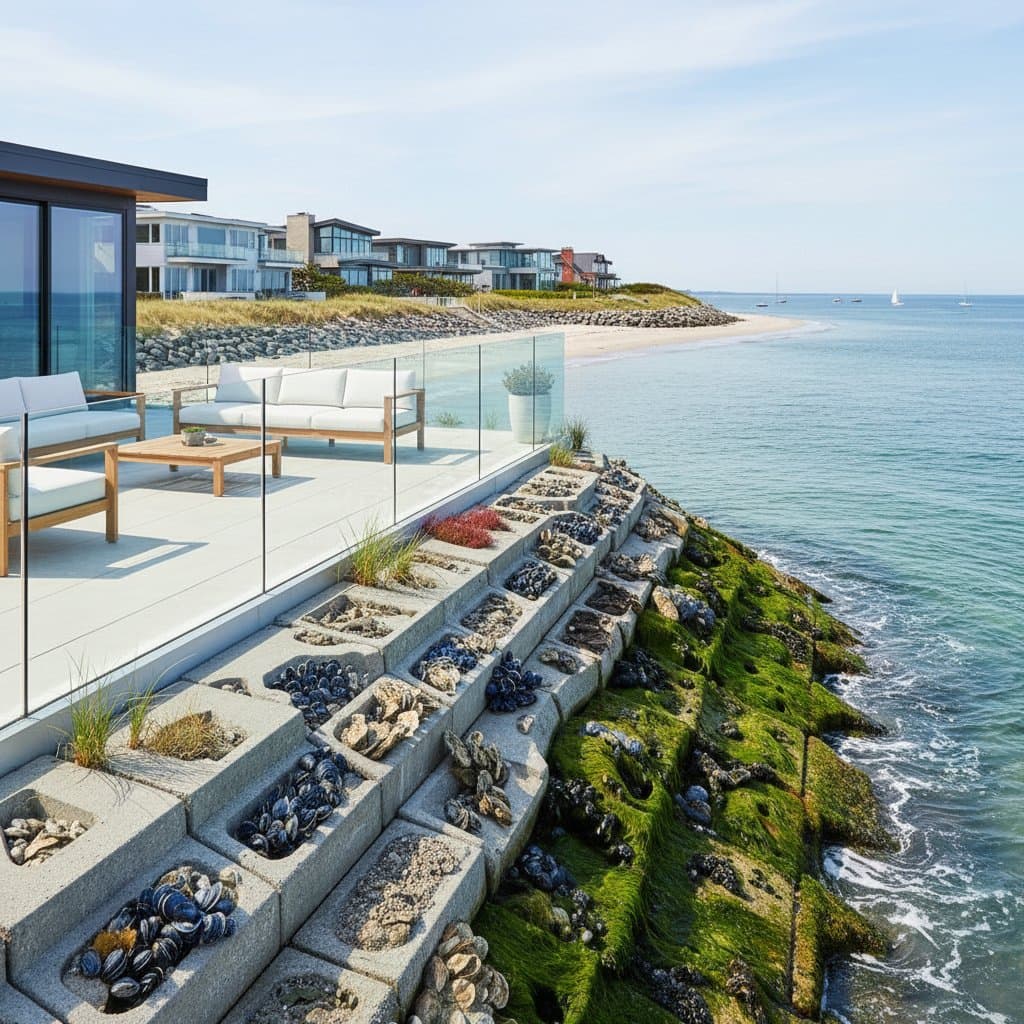
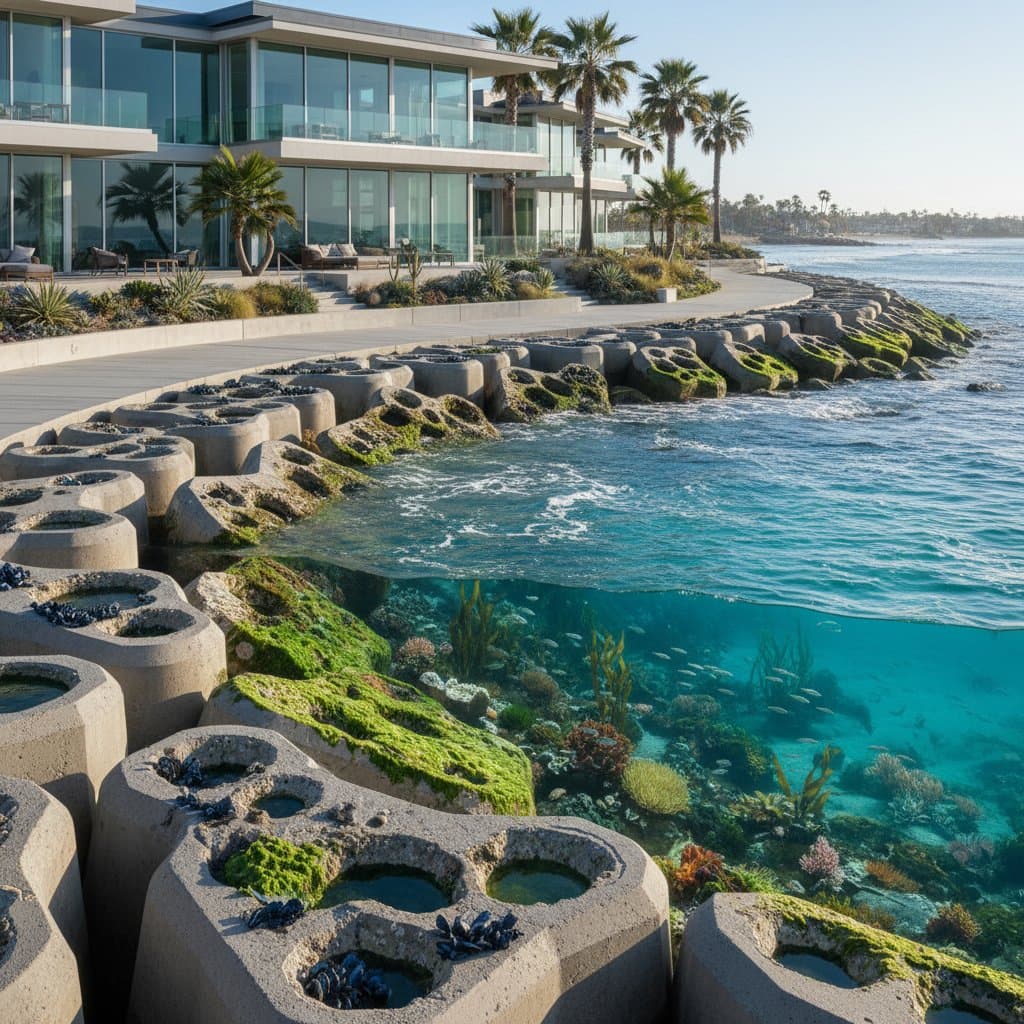
Living seawalls blend engineering and ecology to protect waterfront homes while restoring marine habitats. Though slightly costlier than concrete barriers, they reduce erosion, enhance biodiversity, and boost property value through strategic materials, design, and planning.
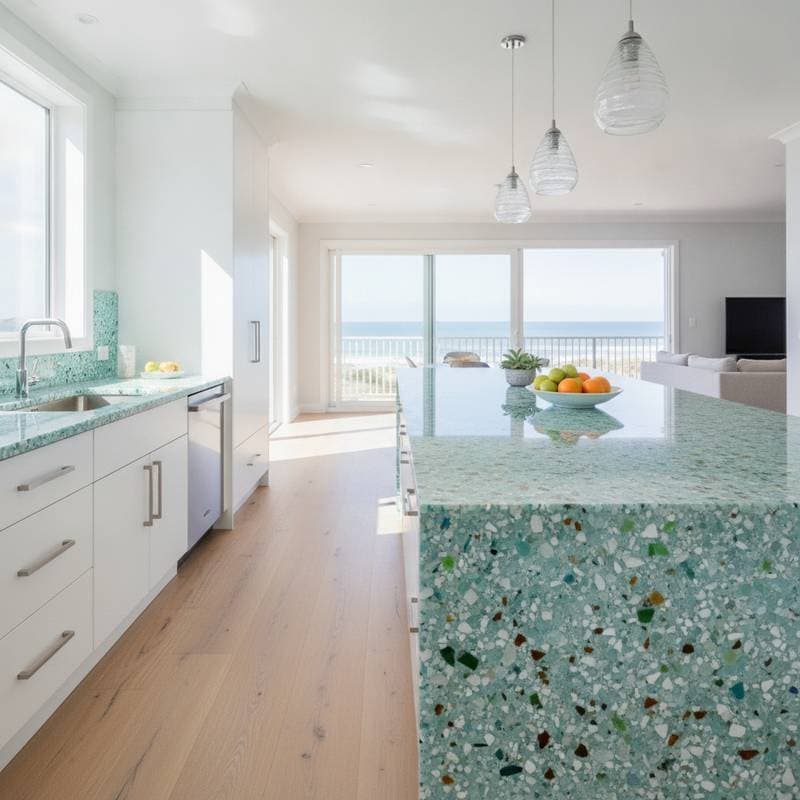
Recycled glass countertops deliver ocean inspired sparkle and sustainable performance. Installed prices range from 60 to 120 dollars per square foot. Discover benefits, care steps, and design ideas suited to coastal homes.
Coastal homeowners are replacing rigid concrete seawalls with living eco friendly alternatives that protect shorelines while restoring marine habitats. These bioengineered barriers balance durability, cost efficiency, and sustainability.
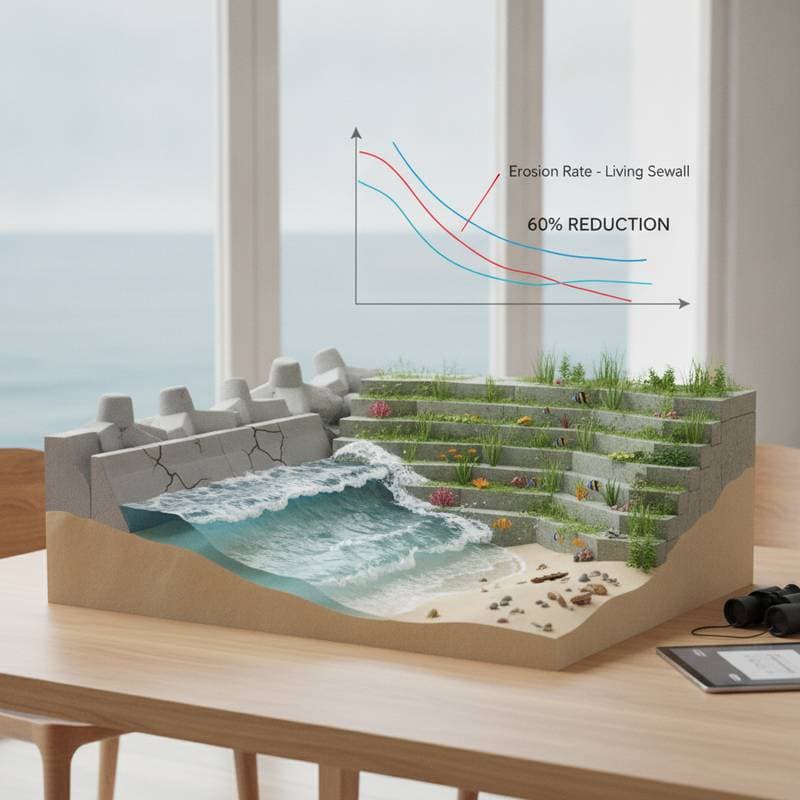
Living seawalls combine engineered strength with biological growth to cut erosion by up to 60 percent. They absorb wave energy, improve water quality, and support marine life. This guide covers design choices, costs, permitting, and long-term care.
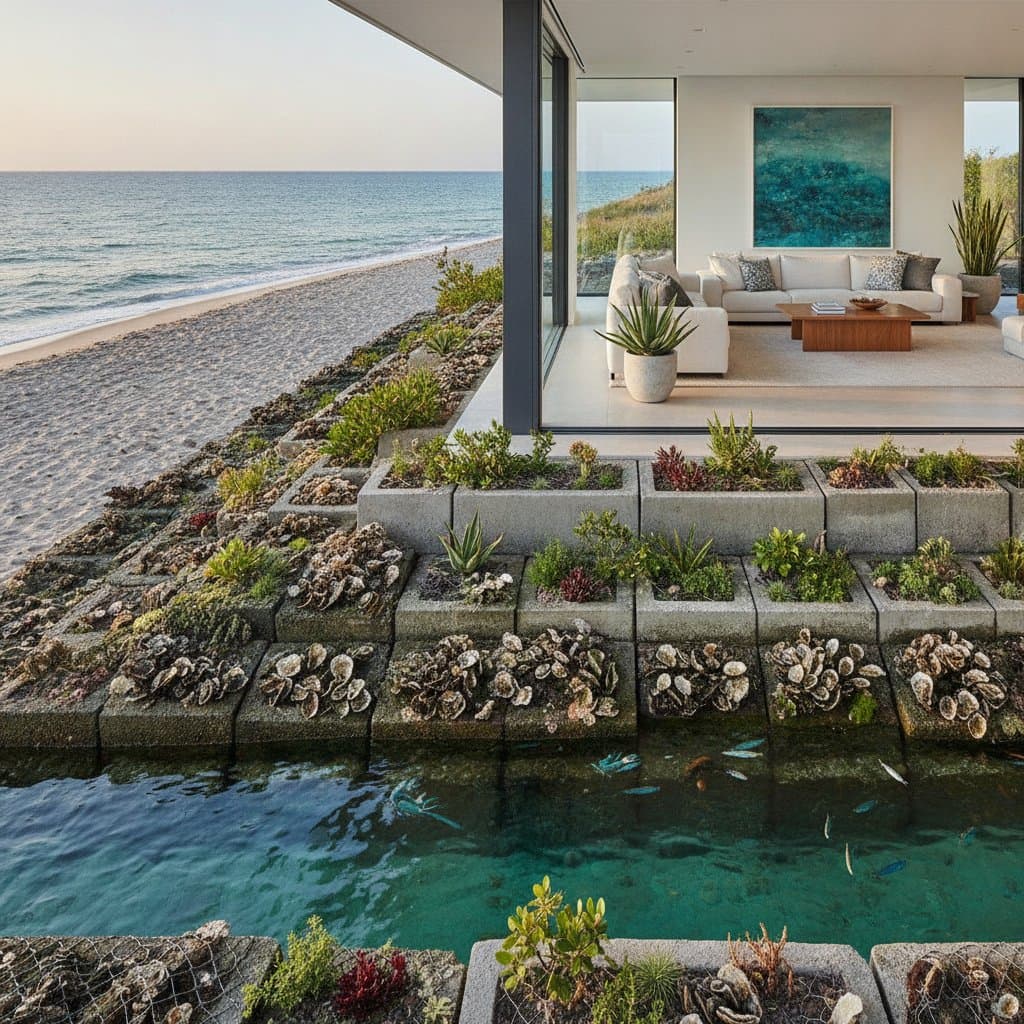
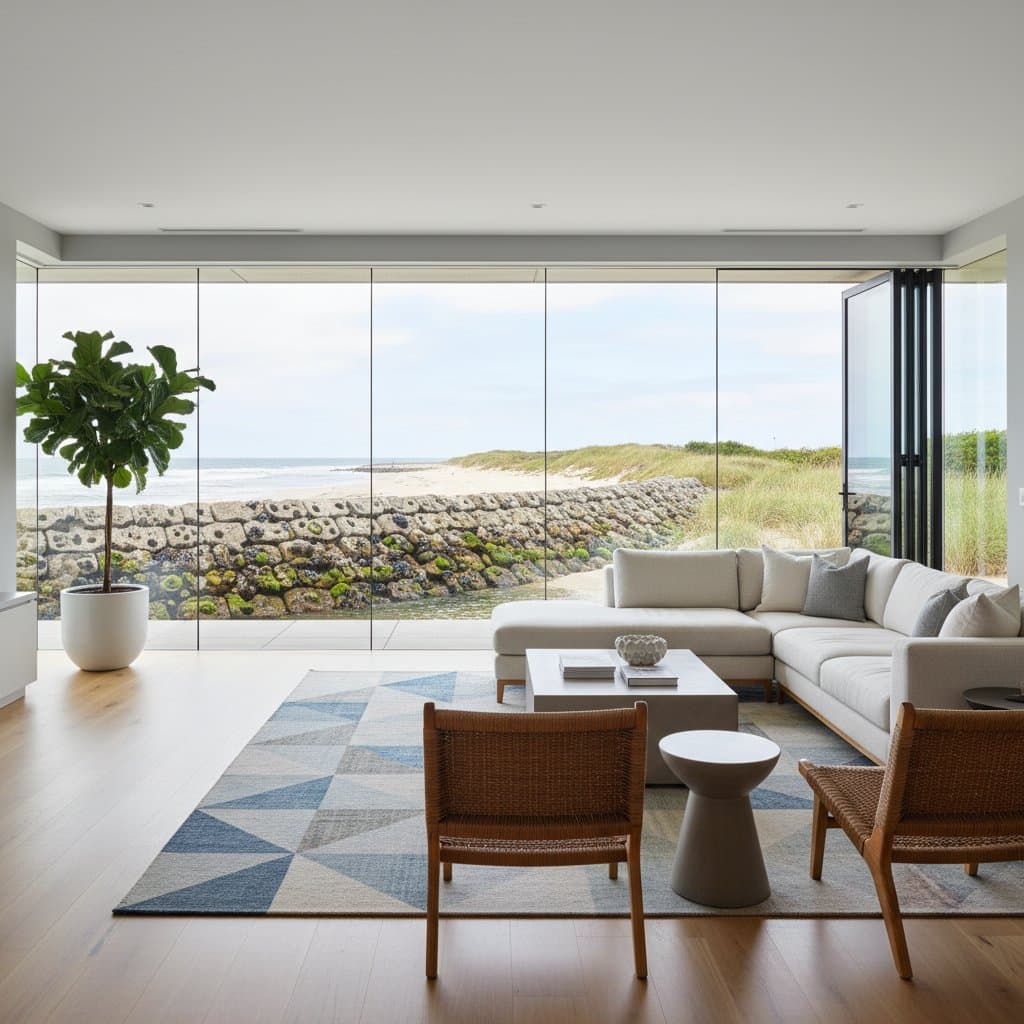
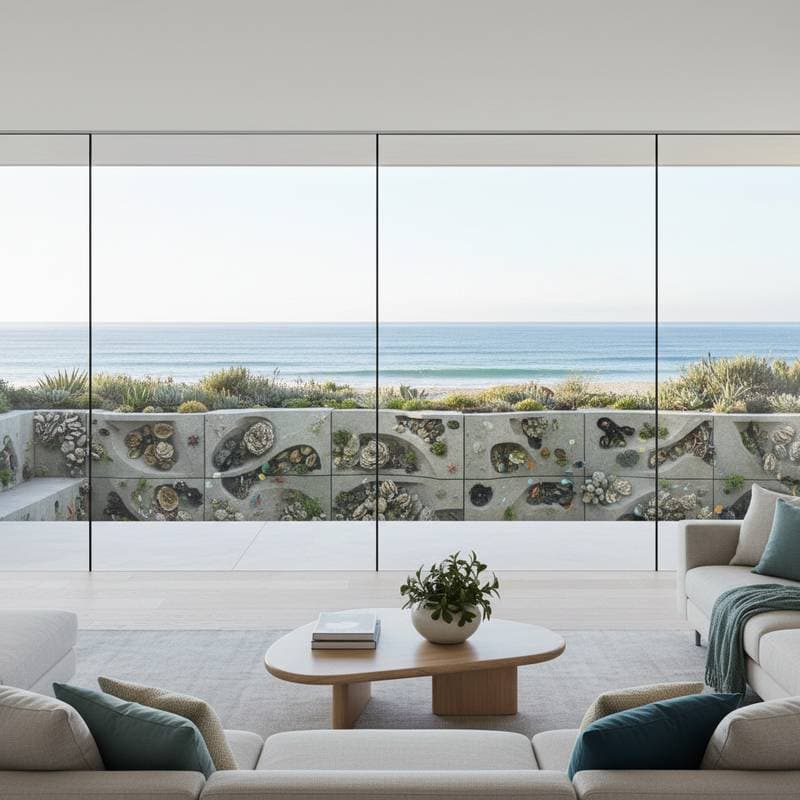
Living seawalls protect waterfront properties from erosion while restoring marine habitats through textured panels, native vegetation, and oyster integration. Learn practical designs and planning steps for sustainable coastal homes.
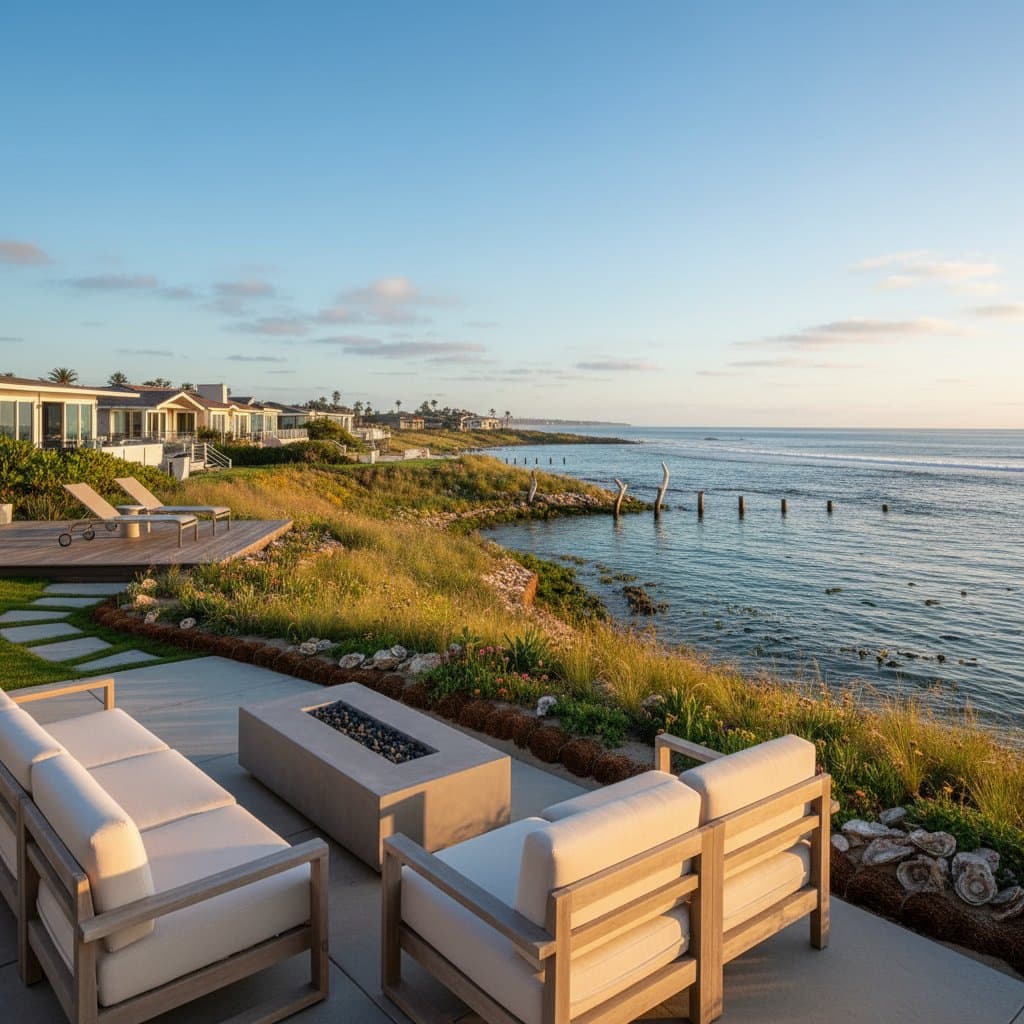
Living shorelines replace rigid seawalls with natural defenses of plants, sand, and shell. These systems reduce erosion, support marine life, and enhance property value for San Diego homeowners seeking sustainable coastal solutions.
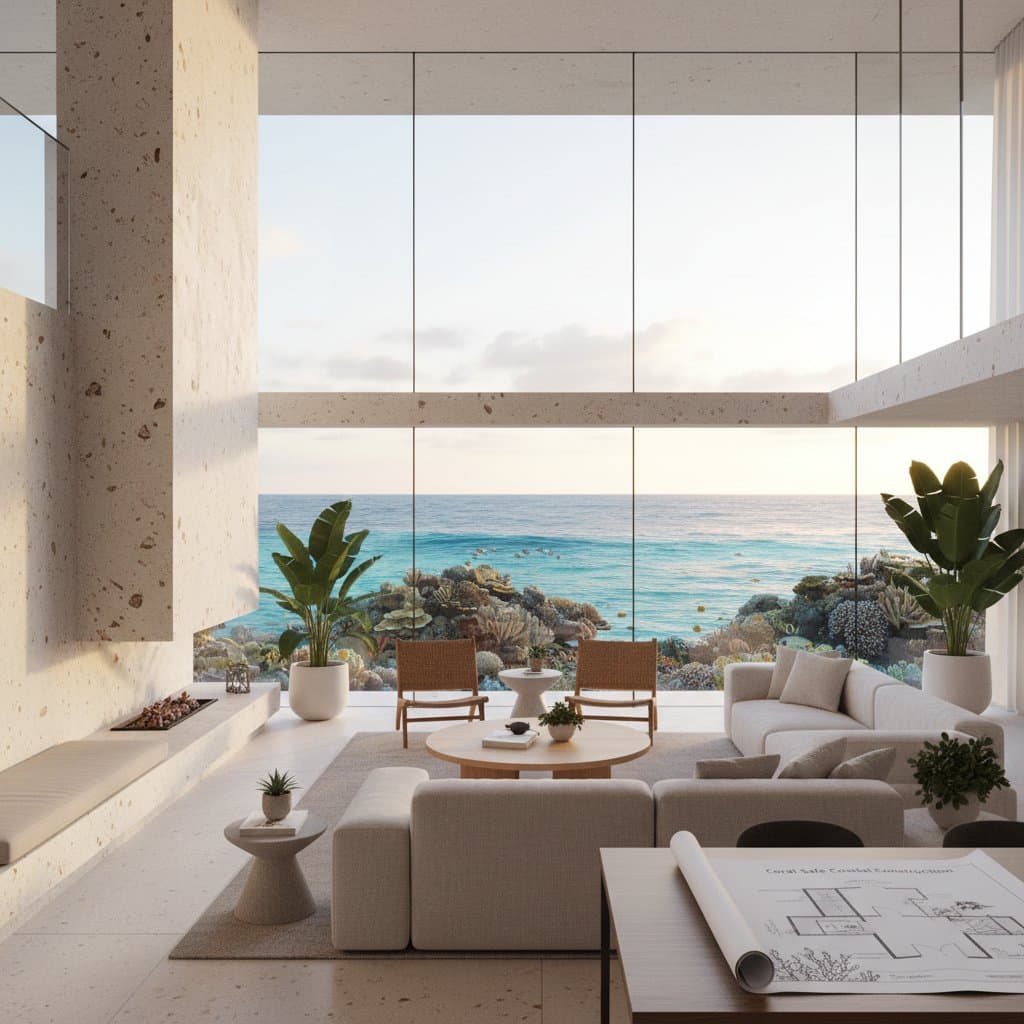
A coral-safe concrete standard now guides coastal construction with low-alkalinity mixes that limit marine harm without reducing strength. Homeowners gain durability, regulatory compliance, and lower lifetime maintenance for foundations and outdoor structures.
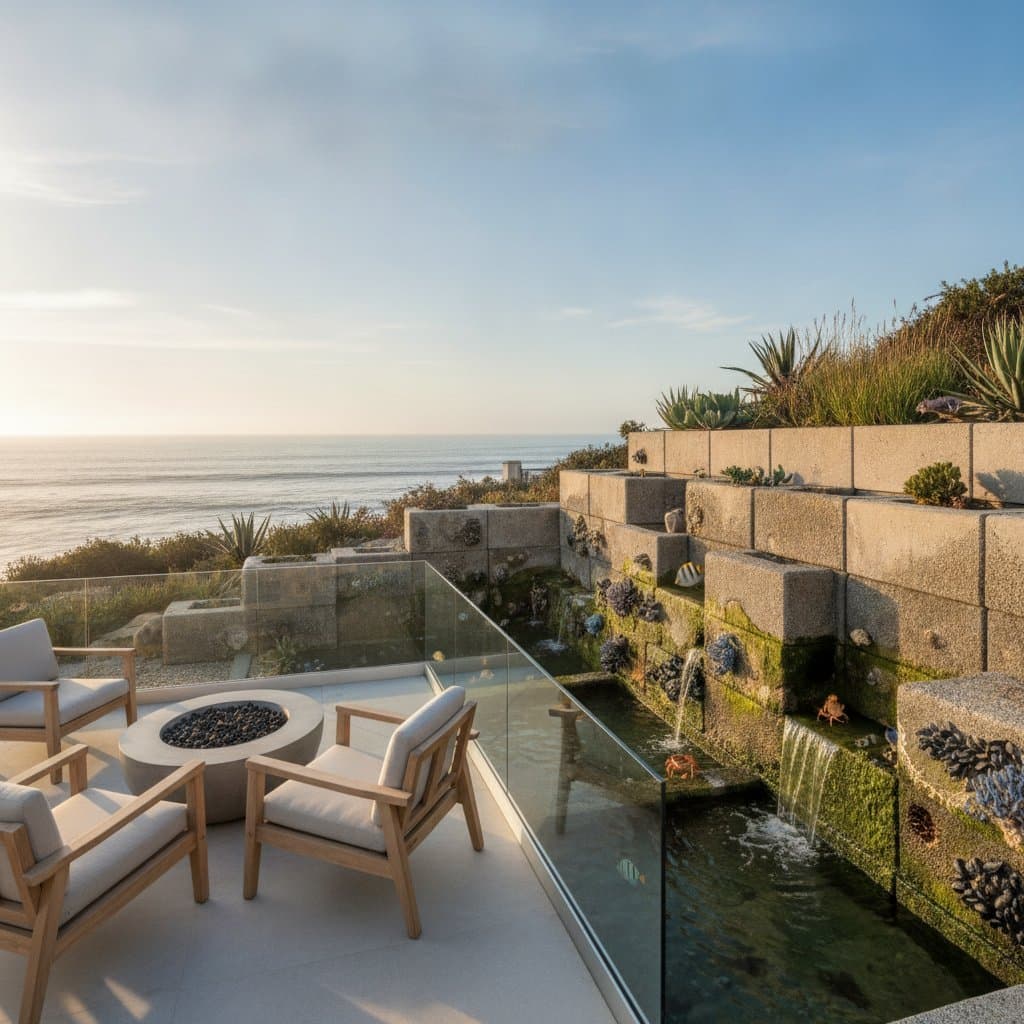
Waterfront homeowners are adopting living seawalls as durable, eco-friendly barriers that curb erosion and create habitats for marine species. This overview details expenses, design choices, installation methods, and upkeep practices that deliver decades of reliable coastal protection.
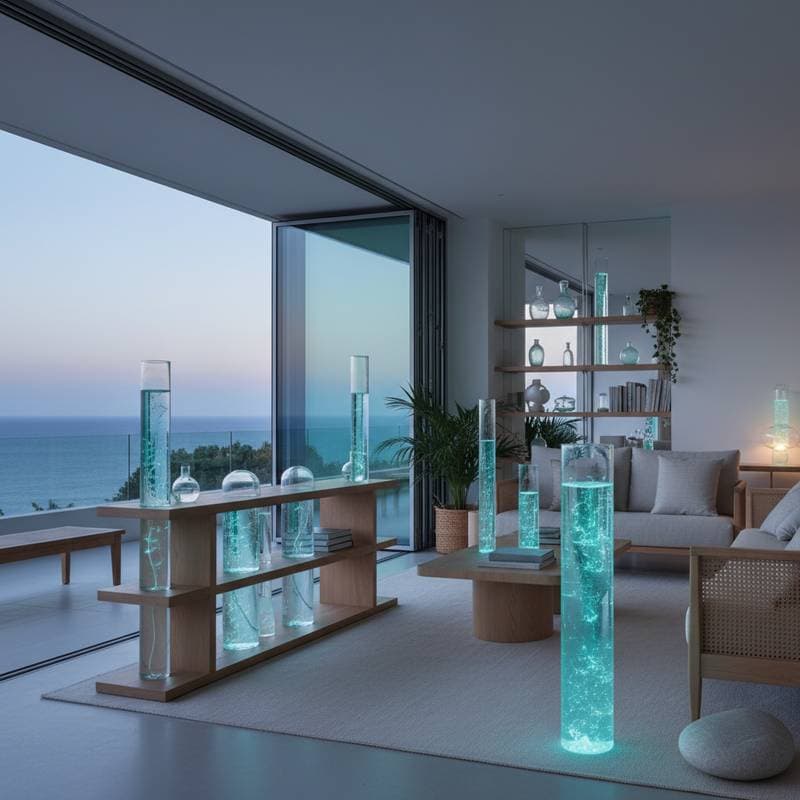
Add living bioluminescent light to beach homes with this practical guide. Discover safe installation methods, daily care routines, and design pairings that produce a calm sustainable glow.
Living seawalls merge robust engineering with natural ecology to defend coastlines effectively. Unlike rigid concrete walls that reflect waves and harm habitats, these dynamic structures dissipate energy, nurture sea life, and fortify shores progressively. Initial investments yield enduring advantages in maintenance savings, cleaner waters, and resilient ecosystems that benefit both human settlements and natural surroundings.
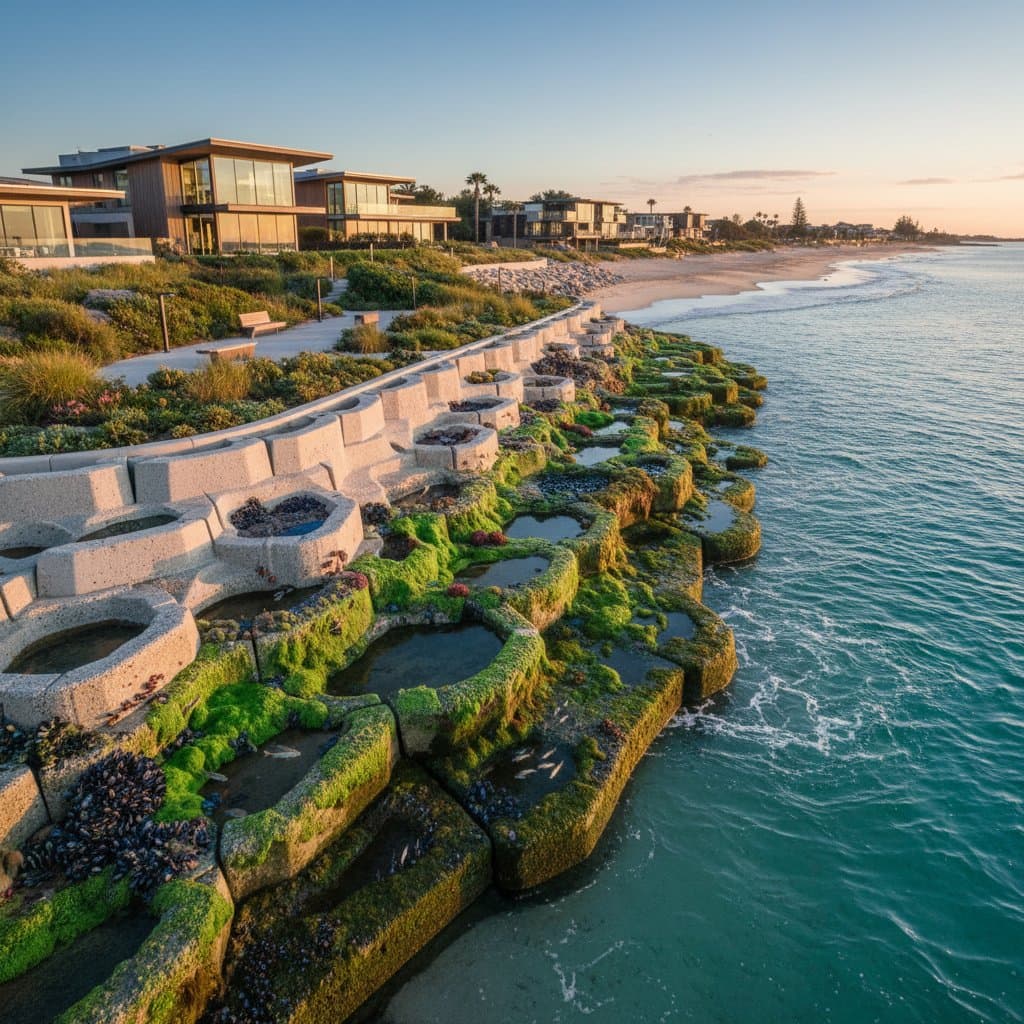
Learn how living seawalls fuse structural defense with ecological restoration to tackle coastal erosion and revive ocean habitats. Featuring oyster integrations, tiered designs, and recycled builds, these nine approaches demonstrate how eco-integrated shorelines safeguard assets, boost wildlife, and redefine coastal protection.
Living seawalls integrate engineering and ecology to shield coastlines from erosion and nurture marine habitats. This comprehensive guide covers design principles, cost breakdowns, material options, and maintenance strategies, demonstrating how these innovative structures surpass conventional seawalls in enhancing property resilience, environmental health, and long-term coastal sustainability.
Living seawalls revolutionize waterfront defense by fusing sturdy engineering with natural ecology. These innovative structures prevent erosion, boost marine biodiversity, and fortify shorelines. Despite higher initial costs compared to concrete alternatives, they yield enduring savings, ecological gains, and aesthetic appeal, ideal for homeowners balancing protection with planetary stewardship.
With intensifying coastal erosion, living seawalls offer an innovative solution by merging robust engineering with ecological design. These structures mitigate wave impacts, cultivate diverse marine habitats, and improve water quality. Comparable in cost to conventional options yet requiring less maintenance, living seawalls enable communities like San Diego to adopt sustainable, resilient approaches that support vibrant oceanfronts.
As sea levels rise and erosion threatens coastal areas, living seawalls emerge as a sustainable defense. These engineered barriers combine shoreline protection with habitat creation, supporting marine ecosystems while preserving property values and natural beauty for homeowners and communities.
Living seawalls integrate engineering and ecology to defend coastlines while reviving marine habitats. In contrast to concrete barriers that accelerate erosion and habitat destruction, these bioengineered solutions absorb wave energy, promote biodiversity, and enhance water quality. Durable, visually appealing, and environmentally sound, they transform coastal defense into a process of regeneration for vibrant shorelines.
Living seawalls integrate engineering with ecology to safeguard coastlines and foster marine ecosystems. Priced at $300 to $1,200 per linear foot, these structures minimize erosion, enhance water quality, and elevate beach aesthetics. Modular, hybrid, and bio-enhanced designs provide durable shoreline protection, increased biodiversity, and superior value compared to conventional concrete barriers.
Seaweed insulation revolutionizes coastal living by regulating humidity, cutting air conditioning expenses by up to 50 percent, and delivering eco-friendly durability. This guide covers costs, installation tips, savings strategies, and why it outperforms traditional insulators for energy-smart homeowners.
Coral-resistant concrete transforms seaside home construction by delivering unmatched resilience against saltwater, marine organisms, and environmental wear. Despite a modest initial premium, it promises extended durability, lower upkeep, and substantial savings over time, ideal for ocean-adjacent builds and upgrades.