
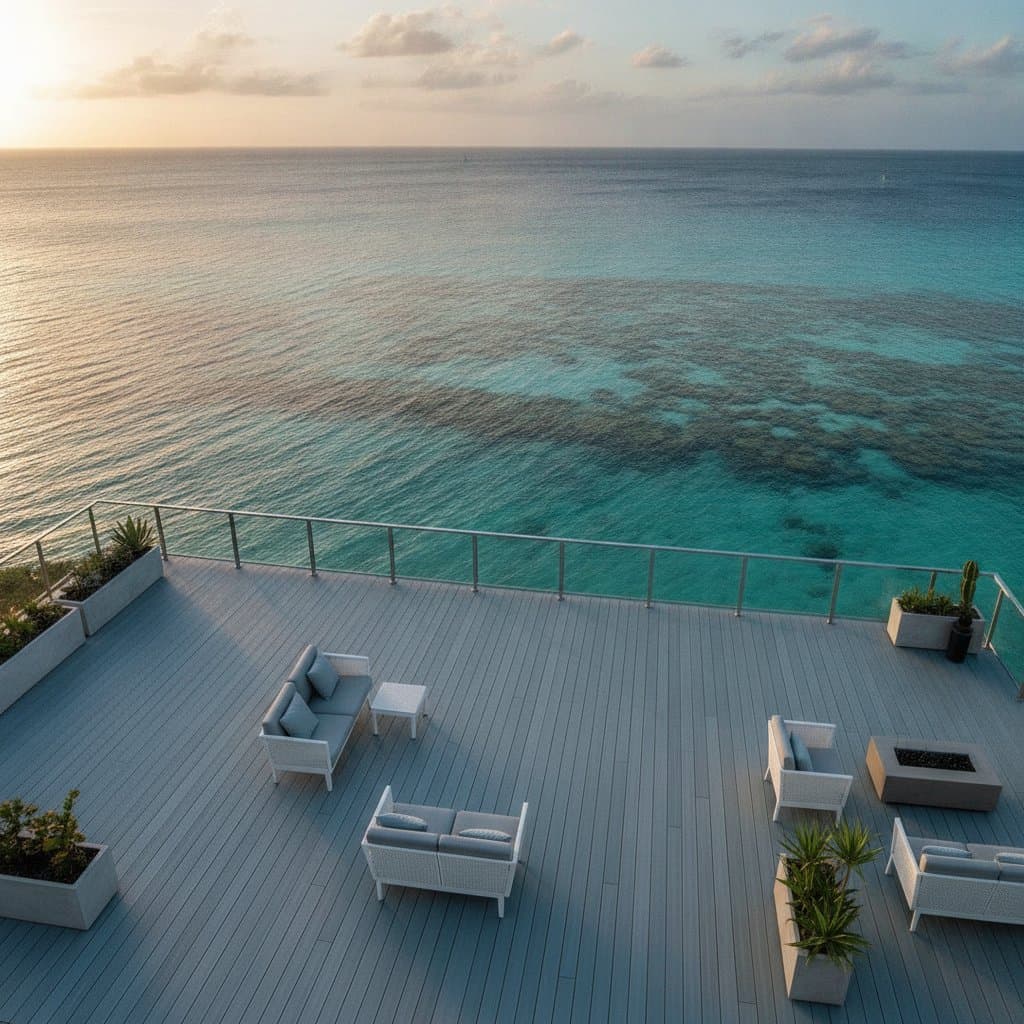
Coral-Safe Decking Becomes Top Choice for Coastal Homes
Coastal homeowners are turning to coral-safe decking as an eco-friendly alternative. This option protects marine ecosystems while enhancing outdoor living spaces. The solution resists saltwater corrosion and avoids chemical runoff that can harm coral reefs. In a coastal city like San Diego, the average cost ranges from $8 to $20 per square foot installed.
Understanding Coral-Safe Decking
Coral-safe decking refers to materials and finishes that do not leach toxic chemicals into waterways. Traditional options often rely on wood treatments or composite blends that release harmful substances over time. Coral-safe materials prevent this outcome by using non-toxic binders, recycled composites, or responsibly sourced natural hardwoods.
Why It Matters for Coastal Homes
Coastal homes face unique challenges from humidity, salt exposure, and intense sunlight. Coral-safe decking withstands these conditions while supporting the health of nearby ecosystems. Every rainstorm can carry residues from decks into the sea. Choosing coral-safe decking reduces that environmental footprint.
Key benefits include:
- No chemical leaching into soil or water
- Resistance to moisture, mold, and insects
- Reduced maintenance costs over time
- Eco-friendly production and recyclability
Average Cost of Coral-Safe Decking
The cost varies by material type, brand, and installation complexity. The table below provides a general overview of price ranges and characteristics.
| Material Type | Cost per sq. ft. (installed) | Durability | Eco Rating | Maintenance Level |
|---|---|---|---|---|
| Recycled Composite | $8 - $14 | High | Excellent | Low |
| Bamboo Composite | $10 - $16 | High | Very Good | Low |
| FSC-Certified Hardwood | $12 - $20 | Very High | Good | Moderate |
| Recycled Plastic Lumber | $9 - $13 | High | Excellent | Very Low |
Cost Factors to Consider
- Location: In coastal regions, labor and materials can cost 10 to 25 percent more due to salt-resistant hardware and protective finishes.
- Deck Size: Larger decks reduce cost per square foot but increase total expenditure.
- Design Complexity: Multi-level decks, built-in seating, or curved layouts increase labor time.
- Permitting: Coastal areas often require additional environmental permits, adding to the total project cost.
For a 300-square-foot deck, homeowners typically spend between $2,400 and $6,000.
Best Materials for Coral-Safe Decking
Choosing the right material is essential for both performance and sustainability. The most popular options balance aesthetics, strength, and environmental responsibility.
Recycled Composite Decking
Recycled composite decking combines reclaimed wood fibers and recycled plastics. It offers excellent resistance to moisture, fading, and warping. This material requires no staining or sealing. It is one of the most widely recommended coral-safe materials due to its closed manufacturing loop and long lifespan.
Pros:
- Resistant to salt corrosion
- Available in many colors and textures
- Low maintenance
Cons:
- Can retain heat in direct sunlight
- Slightly higher upfront cost
Bamboo Composite Decking
Bamboo decking provides a natural look with eco-friendly credentials. It grows rapidly, making it highly renewable. When combined with recycled resins, bamboo decking becomes durable enough for harsh coastal climates.
Pros:
- Renewable and biodegradable
- Naturally resists mold and insects
- Attractive grain pattern
Cons:
- Requires UV-resistant coating in sunny areas
- Slightly limited color options
FSC-Certified Hardwood Decking
Hardwoods like ipe or teak have been used for centuries in marine environments. When certified by the Forest Stewardship Council, they meet sustainable harvesting standards. These woods offer unmatched beauty and longevity but require periodic maintenance.
Pros:
- Luxurious appearance
- Extremely durable under coastal exposure
- Can last several decades
Cons:
- Higher cost
- Needs sealing or oiling every few years
Recycled Plastic Lumber
Made from 100 percent post-consumer plastics, this decking material is virtually maintenance-free and fully recyclable. It resists fading, cracking, and moisture absorption.
Pros:
- Impervious to salt and water
- No splinters or rot
- Simple cleaning with soap and water
Cons:
- Less natural look
- Can expand with heat if not installed properly
Environmental Benefits of Coral-Safe Decking
The environmental advantage extends beyond material selection. It influences manufacturing, installation, and long-term sustainability.
Major environmental benefits include:
- Reduced Runoff Pollution: Coral-safe decking eliminates harmful chemical leaching from treated wood or composites.
- Lower Carbon Footprint: Many materials use recycled plastics or reclaimed wood, reducing landfill waste.
- Longer Lifespan: Durability reduces replacement frequency, saving resources over time.
- Responsible Production: Certified materials ensure ethical sourcing and minimal deforestation.
Factors Influencing Performance and Longevity
Several factors influence how coral-safe decking performs in coastal environments. Proper planning during selection and installation helps maximize durability and appearance.
Climate Conditions
Salt air, high humidity, and sun exposure accelerate wear on standard decking materials. Coral-safe composites and plastics resist these elements better than untreated wood. Choosing UV-stabilized materials prevents fading and brittleness.
Installation Quality
Even the best materials can fail with poor installation. Use stainless steel fasteners, hidden clips, and professional-grade supports to reduce corrosion and movement. Proper spacing ensures water drainage and prevents mold buildup.
Maintenance Practices
Coral-safe decks require minimal upkeep, but routine cleaning extends their lifespan. Rinse the deck with fresh water periodically and remove salt residue. For hardwood decks, apply an eco-friendly oil or sealant as recommended by the manufacturer.
Design Considerations
Design choices can influence sustainability. Incorporating drainage channels or rain gardens around the deck helps filter runoff naturally. Using lighter-colored materials keeps deck surfaces cooler and reduces heat absorption near marine habitats.
Budgeting and Planning Tips
Building a coral-safe deck requires thoughtful budgeting and a clear plan. Here are some practical tips to manage costs while staying environmentally responsible.
- Set a Realistic Budget: Allocate 10 to 15 percent of your remodeling budget for contingency expenses such as permits or unexpected repairs.
- Compare Material Options: Get quotes for at least two coral-safe materials before finalizing your decision.
- Hire Local Contractors: Professionals familiar with coastal conditions can recommend the best materials for longevity.
- DIY vs. Professional Installation: While DIY installation saves money, professional services ensure compliance with coastal building codes.
- Long-Term Value: Consider lifecycle cost, not just upfront price. Lower maintenance and replacement rates often outweigh initial expenses.
Return on Investment
Eco-friendly improvements often lead to higher property value and reduced maintenance costs. Coral-safe decking offers both aesthetic and financial rewards.
| Deck Type | Average Cost | Estimated ROI | Lifespan |
|---|---|---|---|
| Recycled Composite | $3,500 - $5,000 | 70% | 25+ years |
| Bamboo Composite | $4,000 - $6,000 | 65% | 20 years |
| FSC Hardwood | $5,000 - $8,000 | 75% | 30+ years |
| Recycled Plastic Lumber | $3,800 - $5,500 | 68% | 25 years |
Homeowners who choose coral-safe decking often recoup a large portion of their investment through energy savings, durability, and improved property appeal.
FAQs About Coral-Safe Decking
What makes decking coral-safe?
Coral-safe decking uses materials and finishes that avoid chemical runoff and are resistant to saltwater corrosion. They protect marine life and require minimal maintenance.
Is coral-safe decking more expensive?
Initial costs are slightly higher than standard decking, but savings on maintenance and longer lifespan balance the total investment.
Can I install coral-safe decking myself?
Yes, many coral-safe materials come in easy-to-install systems. However, for coastal properties, professional installation ensures proper sealing and drainage.
How do I maintain a coral-safe deck?
Rinse with fresh water regularly and use mild soap for cleaning. Avoid harsh chemicals or bleach, which can damage both the material and marine ecosystems.
Does coral-safe decking fade over time?
High-quality composites and plastics are UV-stabilized to resist fading. Natural hardwoods may require occasional oiling to maintain rich color.
Are all composite decks coral-safe?
Not all composites qualify. Look for products labeled as non-toxic, recycled, and free from harmful additives or coatings.
Maintaining Your Investment
After installing a coral-safe deck, consistent care ensures beauty and performance for years. Schedule seasonal inspections to check for loose boards or fasteners. Keep surrounding landscaping trimmed to prevent debris buildup. For hardwood decks, refresh protective coatings as needed using eco-friendly oils. The small effort spent on care pays off through extended durability and continued protection for nearby marine life.
For homeowners in coastal regions, coral-safe decking represents a commitment to sustainable living, environmental stewardship, and long-term value. A coral-safe deck creates a space that feels good to walk on and even better to protect.