
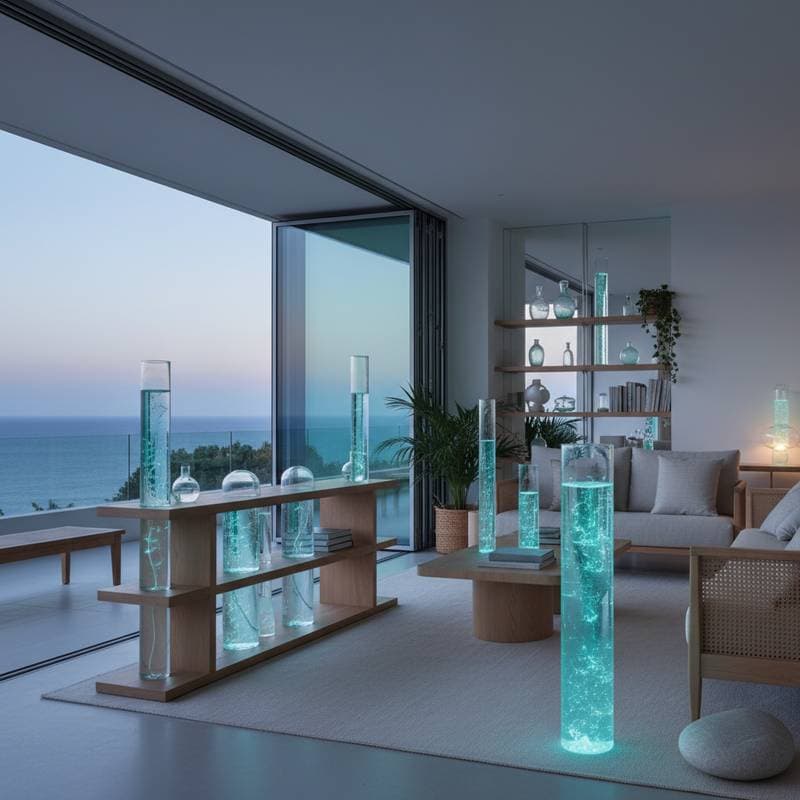
Natural Bioluminescent Lights for Stunning Beach Homes
Creating a beach home that feels both peaceful and extraordinary often comes down to the lighting. Soft glowing light transforms a space from ordinary to magical when it reflects the ocean itself. Natural bioluminescent lighting brings that magic indoors by capturing the soft ethereal glow of marine organisms.
This guide explains how these lights work and how to integrate them safely into a beach home. Readers will learn the underlying science, practical installation choices, and maintenance routines that keep the systems thriving.
Understanding Natural Bioluminescent Lighting
Bioluminescent lighting relies on living organisms that produce light through natural chemical reactions. In coastal waters glowing plankton and algae create soft blue-green displays. Designers now contain these organisms in controlled panels to generate sustainable indoor illumination.
The Science Behind the Glow
Light forms when luciferin reacts with the enzyme luciferase in the presence of oxygen. The reaction releases almost no heat and remains completely safe inside sealed enclosures. Systems built this way earn the name living illumination because the organisms stay active.
Benefits for Coastal Homeowners
Homeowners choose this approach for several practical reasons. It reduces electricity use while supplying a calm ambient glow. The light also links interior rooms directly to the surrounding marine environment. Low heat output suits warm climates without adding extra warmth to living spaces.
Planning a Bioluminescent Lighting Design
Successful integration begins with careful placement and system selection. Consider room conditions, containment needs, and daily upkeep before any work starts.
Identifying the Best Spaces
Place units in low-light zones where the glow stands out. Suitable locations include outdoor patios, spa bathrooms, bedrooms, and under-counter kitchen accents. Keep panels away from direct sunlight to protect the organisms.
Choosing Between Live and Synthetic Options
Live systems house real algae or bacteria inside sealed glass or acrylic panels and need care similar to a small aquarium. Synthetic versions use chemical or LED mimics that require less attention yet lack the authentic movement of living cultures. Select live systems for maximum sustainability and visual purity. Choose synthetic units when minimal maintenance is the priority.
Installing Bioluminescent Lighting Systems
Installation involves live materials and demands professional expertise rather than typical do-it-yourself methods.
Work with Experienced Professionals
Hire specialists in eco-lighting or marine biology applications. Request photos of completed projects and ask about feeding schedules, sealing methods, and backup plans if the glow fades. A qualified installer will also explain how to maintain stable temperature and humidity.
Preparing the Space and Ensuring Safety
Maintain moderate room temperatures and control humidity to prevent condensation. Use marine-grade enclosures that resist corrosion and stay clear. Separate any electrical components from the biological chamber to avoid contact with the nutrient solution.
Caring for Your Living Light
Routine care keeps organisms healthy and glowing for months at a time.
Routine Maintenance
Add the recommended nutrient solution on schedule. Shield panels from direct sun and gently rock containers occasionally to stimulate light production. Replace cloudy liquid promptly to preserve clarity and brightness.
Refreshing the System
Cultures lose strength over time. Many suppliers provide refill kits that let owners remove old material and introduce fresh organisms into the same enclosure. With consistent attention the system continues to perform without full replacement.
Designing for Maximum Effect
Placement and surrounding materials determine how striking the feature appears.
Integrate Natural Textures
Pair glowing panels with driftwood, sea glass, or stone. The blue-green light highlights these textures and reinforces a cohesive coastal atmosphere.
Combine with Traditional Lighting and Motion
Use bioluminescent units as accent pieces alongside warm LED fixtures. Motion-responsive systems brighten when touched or when water flows nearby, creating interactive moments along pathways or pool edges.
Cost Considerations and Value
Prices range from several hundred dollars for small tabletop units to several thousand for large custom walls. Factors include size, live versus synthetic choice, and professional labor. Although the initial investment exceeds standard fixtures, the result delivers a distinctive sustainable element that enhances daily enjoyment of the home.
Frequently Asked Questions
What organisms are used in natural bioluminescent lighting?
Most systems rely on marine dinoflagellates or similar plankton that emit light when disturbed.
Is bioluminescent lighting safe for homes?
Yes. Properly sealed enclosures keep organisms contained and non-toxic.
How long does the light last?
Healthy cultures glow for several months. Regular feeding and periodic culture refresh extend performance indefinitely.
Can I install it myself?
Small decorative kits allow limited DIY work. Larger built-in systems require professionals experienced with live algae.
Does it require electricity?
The organisms generate light without power, though small pumps or temperature controls may use minimal electricity.
What happens if the algae stop glowing?
Stress or nutrient depletion usually causes fading. Adjusting conditions or adding fresh culture restores output.
Is bioluminescent lighting environmentally friendly?
It draws on renewable organisms and uses very little energy, ranking among the most sustainable lighting choices.
Maintaining Daily Enjoyment
Treat the installation as a living element that rewards steady attention. Protect it from harsh light, supply nutrients on schedule, and notice how the gentle rhythm enhances relaxation. Over time the feature becomes a quiet daily connection to the sea.