
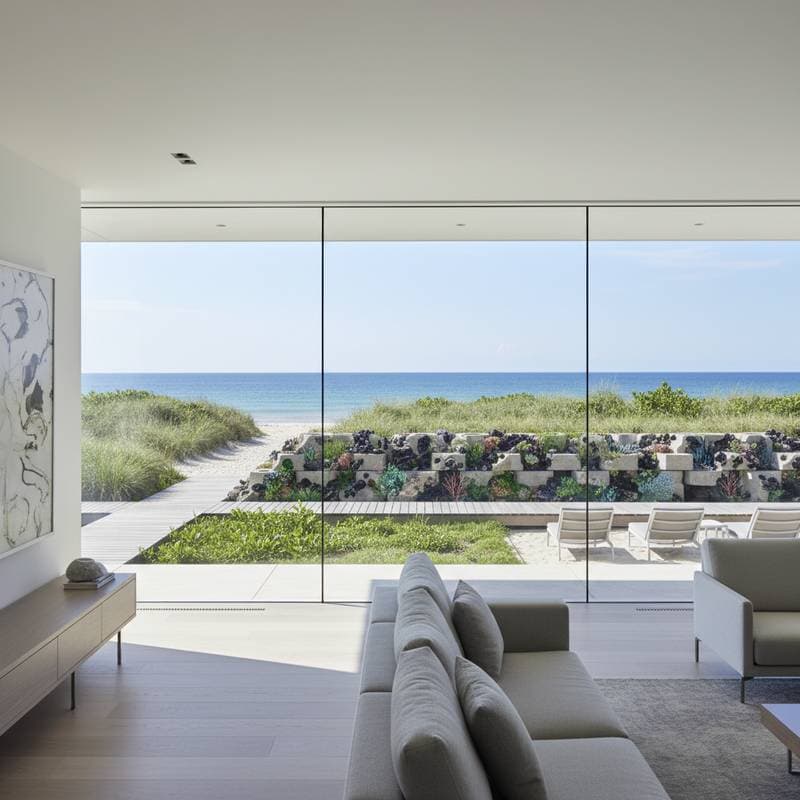
Living Seawalls: Eco Shield for Coastal Erosion
Coastal property owners confront escalating threats from shoreline erosion, which endangers homes, natural ecosystems, and community areas. Conventional concrete seawalls provide temporary barriers but frequently accelerate erosion elsewhere and harm marine environments. Living seawalls present a superior alternative, merging structural integrity with biological elements to defend shorelines while promoting biodiversity.
This guide details the fundamentals of living seawalls, including construction costs, material selections, and implementation processes. Readers gain insights into assessing their property, budgeting effectively, and selecting designs that deliver enduring protection and ecological advantages.
What Is a Living Seawall?
A living seawall functions as a bioengineered barrier that combats erosion and fosters marine growth. These structures feature roughened surfaces, integrated native flora, and modular components that replicate natural features like oyster beds or intertidal zones, distinguishing them from smooth concrete alternatives.
They combine robust engineering for wave resistance with living components that enhance habitat development. This approach dissipates wave forces, minimizes sediment loss, and purifies water via biological processes, creating a resilient coastal defense.
Average Cost of a Living Seawall
Installation costs for living seawalls typically fall between $450 and $1,200 per linear foot, with an average of $750 per linear foot for standard residential applications. Variations arise from site-specific challenges, customization levels, and the extent of habitat integration.
The following table outlines cost ranges based on project scale:
| Project Scope | Typical Cost per Linear Foot | Description |
|---|---|---|
| Small Residential Shoreline | $450 - $650 | Basic panels with limited vegetation |
| Mid-Range Coastal Property | $700 - $900 | Integrated hard structures and plantings |
| Large or Complex Site | $1,000 - $1,200+ | Advanced foundations, extensive habitats, high-exposure areas |
For a 100-foot section, expect expenditures from $45,000 to $120,000. These investments yield savings over time, as maturing ecosystems reduce repair needs compared to traditional seawalls.
Cost by Material and Design
Selecting materials impacts not only expenses but also durability and habitat support. Common options balance cost with performance, as shown in this comparison:
| Material Type | Cost per Linear Foot | Durability | Ecological Benefit | Maintenance |
|---|---|---|---|---|
| Precast Concrete Panels with Habitat Texture | $600 - $850 | High | Moderate | Low |
| Composite or Recycled Plastic Units | $500 - $750 | Medium | High | Low |
| Stone with Planted Crevices | $700 - $1,000 | Very High | Very High | Medium |
| Hybrid Modular Reef Blocks | $800 - $1,200 | High | Exceptional | Low |
Hybrid designs incorporating stone bases and textured panels often deliver optimal results for residential settings, combining strength with biodiversity gains.
Labor Costs
Labor constitutes 30 to 45 percent of overall expenses, involving teams skilled in marine construction, habitat restoration, and engineering. Hourly rates for qualified workers range from $80 to $120, influenced by regional factors and site logistics.
Additional requirements like dredging or equipment transport can elevate costs. Permitting processes, essential for regulatory adherence, add $5,000 to $15,000, ensuring compliance with environmental and coastal guidelines.
Factors That Influence the Total Cost
Project pricing and duration hinge on multiple elements:
- Shoreline characteristics, including gradient, soil composition, and erosion intensity
- Exposure to wave action, dictating reinforcement needs
- Depth of water and tidal variations, complicating access
- Chosen materials and habitat enhancements
- Regulatory approvals and oversight in sensitive zones
- Selected plant and shellfish species for integration
- Availability of construction pathways and preparation spaces
Evaluating these aspects early enables accurate budgeting and streamlined execution.
How to Save Money on a Living Seawall
- Integrate related tasks, such as pier maintenance or beach reshaping, to minimize equipment mobilization fees.
- Incorporate locally sourced stone or repurposed materials to cut transportation expenses.
- Opt for indigenous plants adapted to local salinity and tides, which root quickly and demand minimal upkeep.
- Implement phased construction, starting with foundational elements before incorporating living features.
- Collaborate with a marine biologist in the planning stage to optimize species choices and lower long-term replanting needs.
DIY vs. Hiring a Professional: A Cost-Benefit Analysis
Living seawall projects demand professional involvement for core structural work, though owners can contribute to simpler tasks. The table below assesses feasibility:
| Task | DIY Feasibility | Professional Required | Risk Level |
|---|---|---|---|
| Planting native vegetation | Moderate | Optional | Low |
| Installing precast panels | No | Yes | High |
| Designing foundation and drainage | No | Yes | Very High |
| Monitoring habitat growth | Yes | Optional | Low |
| Securing permits and compliance | No | Yes | High |
Experts guarantee stability, effective water flow management, and legal conformity, preventing structural failures or penalties.
Common Mistakes to Avoid
- Overlooking permitting requirements, which may result in demolition mandates or fines.
- Relying excessively on rigid materials, diminishing habitat value and amplifying wave rebound effects.
- Introducing exotic plants, leading to low survival and elevated care demands.
- Disregarding drainage systems, risking hydrostatic pressure accumulation.
- Timing plantings outside optimal seasons, hindering growth and project outcomes.
Frequently Asked Questions About Living Seawalls
Do I need a permit for a living seawall?
Yes, shoreline alterations generally require approvals from local authorities and environmental bodies. These ensure the project safeguards both infrastructure and natural habitats while meeting zoning standards.
How long does a living seawall last?
Properly constructed living seawalls endure 40 to 70 years, with biological reinforcements like root systems and shellfish often extending their lifespan beyond that of non-living counterparts.
What maintenance does a living seawall need?
Routine tasks involve checking for shifts in components, replenishing plants post-storm events, and controlling invasives. Yearly inspections typically range from $500 to $1,500, scaled to project dimensions and accessibility.
Does a living seawall increase property value?
Yes, properties featuring these eco-friendly defenses attract premium pricing, as they offer reliable protection, aesthetic appeal, and alignment with sustainability preferences among discerning buyers.
Can a living seawall stop flooding?
Living seawalls primarily address erosion but contribute to flood mitigation by absorbing waves and stabilizing sediments. For severe flood risks, they pair effectively with elevated structures or natural buffers like dunes.
What are the environmental benefits?
These seawalls enhance biodiversity by providing habitats for fish, invertebrates, and birds, while improving water clarity through filtration by algae and shellfish. They also reduce pollution runoff and support carbon sequestration via plant growth.
Sustaining Your Living Seawall for Lasting Impact
Regular monitoring forms the cornerstone of seawall longevity. Schedule biannual inspections to detect early signs of wear or ecological shifts, adjusting as needed with targeted replanting or minor repairs.
Engage community resources, such as local conservation groups, for volunteer planting events that bolster habitat maturity. Over time, these efforts not only preserve your investment but also contribute to broader coastal resilience, ensuring thriving shorelines for future generations.