
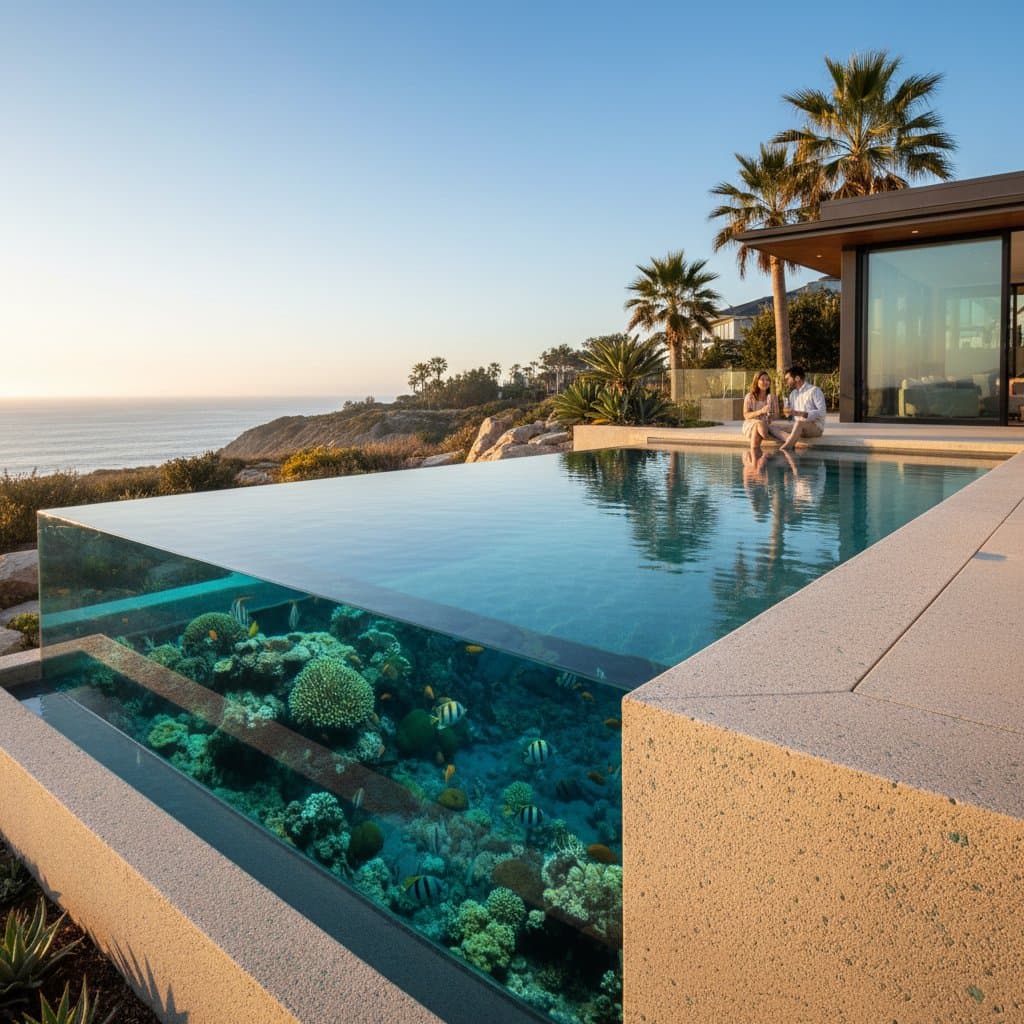
Coastal Pools and the EPA's 2026 Coral-Safe Concrete Mandate
Homeowners in coastal areas like San Diego often envision constructing a pool that complements their lifestyle. The Environmental Protection Agency introduces a mandate requiring coral-safe concrete for all new coastal pool projects starting in 2026. This policy ensures that luxury features align with efforts to preserve vital marine habitats.
The mandate addresses environmental concerns by specifying materials that minimize pollution. Contractors must incorporate formulations tested to reduce leaching into nearby waters. As a result, pool owners contribute to broader conservation goals without sacrificing aesthetic or functional quality.
Key Aspects of the Mandate
- Coral-safe concrete limits the release of lime, metals, and particulates that threaten coral reefs.
- The rule covers new constructions and significant remodels in designated coastal zones.
- Approved blends incorporate alternative binders and recycled components to meet federal criteria.
- These materials enhance water clarity and structural resilience against coastal conditions.
- Properties equipped with compliant features often command higher market values among discerning purchasers.
The Importance of Coral-Safe Concrete
Standard concrete formulations release alkaline substances and trace metals during curing and exposure to elements. In coastal settings, runoff from these materials flows into oceans, where it disrupts coral growth and ecosystem balance. Coral-safe alternatives employ geopolymer binders or low-alkalinity cements, along with additives that bind potential pollutants.
Reefs serve as protective barriers against erosion, habitats for marine life, and indicators of ocean health. The EPA's focus on construction materials targets a subtle yet ongoing risk to these ecosystems. By adopting these standards, communities help maintain vibrant underwater environments for future generations.
Homeowners benefit from pools that integrate seamlessly with natural surroundings. Contractors recommend verifying product certifications from organizations aligned with EPA guidelines. Such proactive choices support both personal enjoyment and planetary stewardship.
Implications for Coastal Homeowners
The mandate applies to properties within EPA-defined coastal boundaries, typically extending inland from shorelines. New builds require full compliance, while remodels involving structural concrete must upgrade to approved types. Local authorities enforce these standards through permitting processes.
Homeowners face updated sourcing protocols for materials. Initial expenses may increase by 5 to 15 percent, varying by supplier and blend complexity. Federal or state programs could provide rebates for verified installations, offsetting investments.
Over time, these pools demonstrate greater resistance to saltwater intrusion and weathering. Enhanced durability reduces repair needs, yielding cost savings. Properties with sustainable features appeal to buyers prioritizing environmental alignment, potentially boosting resale prices by 10 percent or more in eco-focused markets.
Traditional Versus Coral-Safe Concrete: A Detailed Comparison
| Feature | Traditional Concrete | Coral-Safe Concrete |
|---|---|---|
| Binder Composition | Portland cement-based | Geopolymer or low-carbon alternatives |
| Environmental Impact | Elevated CO2 output and pollutant leaching | Lower emissions with controlled runoff |
| Durability | Solid performance, vulnerable to salts | Superior corrosion resistance in marine air |
| Cost | Economical initial outlay | Moderate premium, balanced by longevity |
| Reef Protection | No inherent safeguards | Formulated to minimize marine harm |
This comparison highlights trade-offs and advantages. Select based on project scope and long-term priorities. Professional assessments ensure optimal material selection.
Photo: A sleek coastal pool constructed with coral-safe concrete, offering views of the Pacific Ocean.
Integrating Additional Sustainable Pool Elements
Concrete forms the foundation, yet complementary features amplify overall eco-impact. Permeable deck surfaces, such as porous pavers, permit water infiltration to recharge groundwater and reduce urban runoff. Energy-efficient systems, including variable-speed pumps and LED fixtures, lower operational demands.
Natural filtration options employ wetland-inspired designs or zeolite media to purify water without chlorine reliance. Recycled materials like crushed glass aggregates for finishes cut down on virgin resource extraction. Integrating these elements creates a holistic sustainable pool environment.
Consult certified designers for customized integrations. Such approaches not only meet regulatory needs but also qualify for green certifications that enhance property prestige.
Photo: An eco-enhanced backyard pool with permeable decking, solar accents, and native plant borders.
Steps to Comply with the 2026 Mandate
Planning a coastal pool demands early coordination with licensed professionals. Verify that builders possess experience with EPA-compliant materials through references or portfolios. Request detailed specifications on concrete mixes, including pH levels and leachate tests.
Obtain quotes from at least three suppliers to evaluate cost variations. Account for extended procurement periods, which may add 2 to 4 weeks for specialty orders. Partner with regional vendors committed to sustainability to streamline logistics.
Incorporate broader upgrades, such as drought-resistant landscaping or greywater systems, to maximize rebates. Track evolving incentives via state environmental departments. Thorough preparation ensures a smooth transition to compliant construction.
Checklist for Project Readiness:
- Review site plans against coastal zone maps.
- Secure material safety data sheets for all concrete components.
- Schedule pre-construction consultations with environmental experts.
- Budget for certification inspections post-installation.
Addressing Frequent Concerns
What is the cost differential for coral-safe concrete? Prices typically exceed standard options by 5 to 10 percent, influenced by regional availability. Maintenance reductions and incentive programs frequently offset this premium within the first few years.
Does coral-safe concrete alter the visual finish? Finishes remain versatile, supporting stains, stamps, and polishes identical to conventional types. Aesthetic customization preserves design intent.
How can older pools achieve compliance? Structural overhauls or resurfacing qualify for upgrades using compatible overlays. Contractors apply thin, bonded layers to extend compliance without full demolition.
Are incentives available for early adopters? Programs vary by location, but federal tax credits and local grants support sustainable retrofits. Application processes require documentation of material use.
Building Toward Sustainable Coastal Living
Embracing the EPA mandate opens pathways to resilient, reef-friendly pools. Engage builders versed in green technologies to navigate requirements efficiently. Your project becomes a model of balanced development, where personal retreats enhance rather than endanger coastal vitality.
Explore options through consultations today. The result is a pool that endures environmental challenges while fostering community conservation efforts.