#landscaping

Articles tagged with landscaping

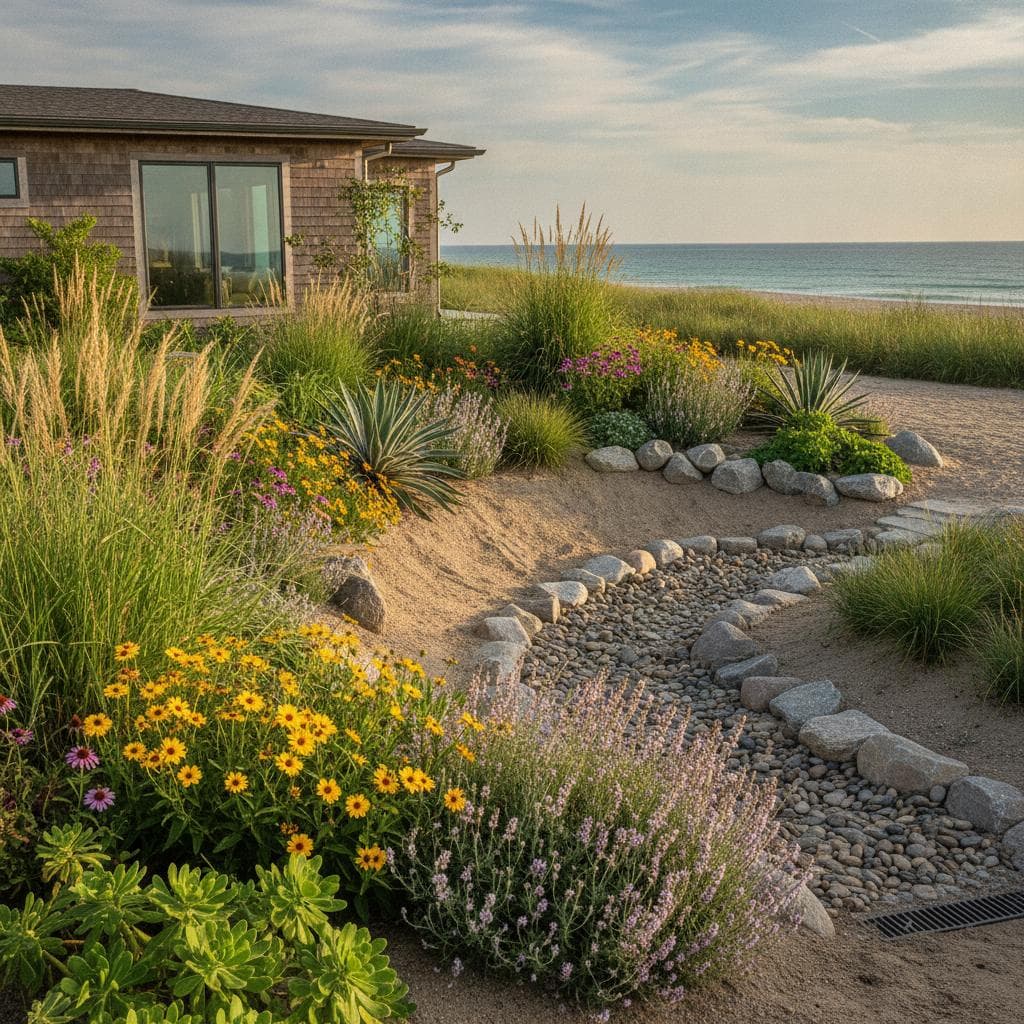
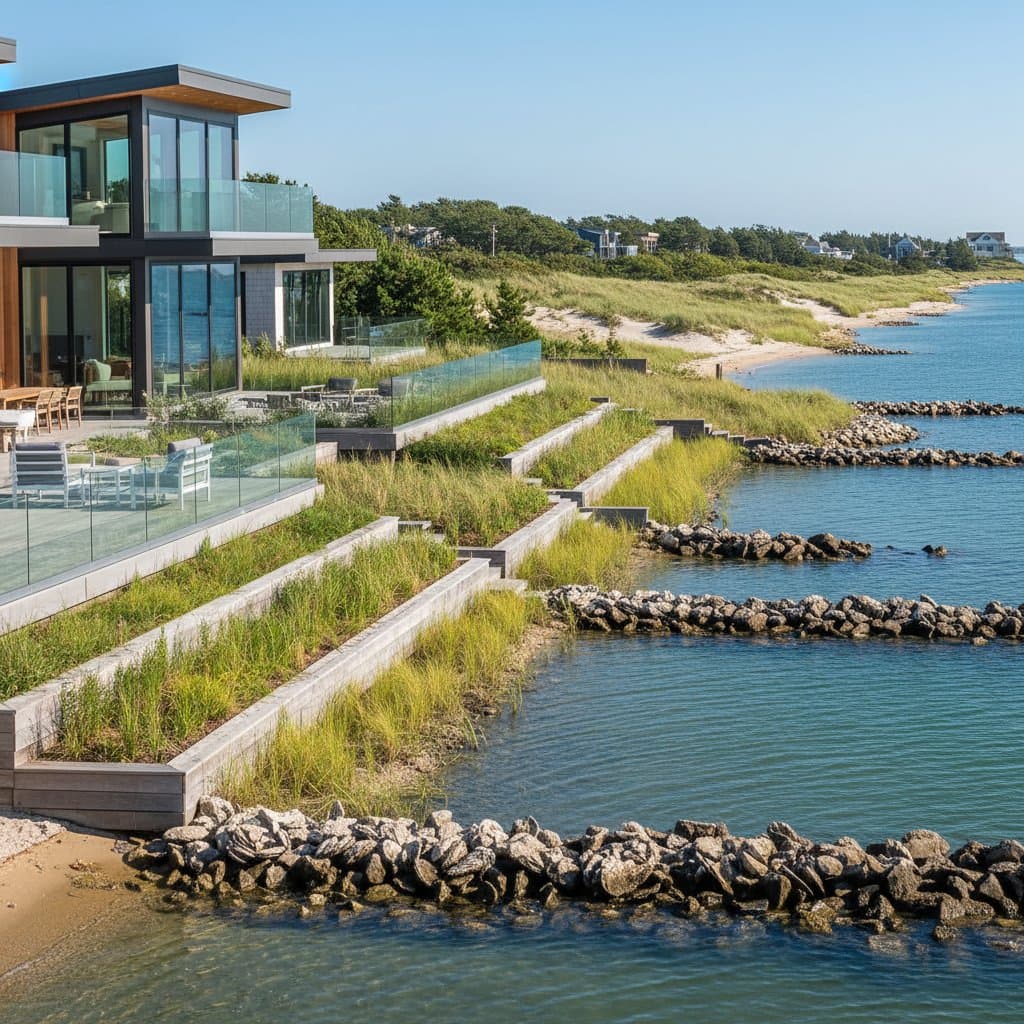
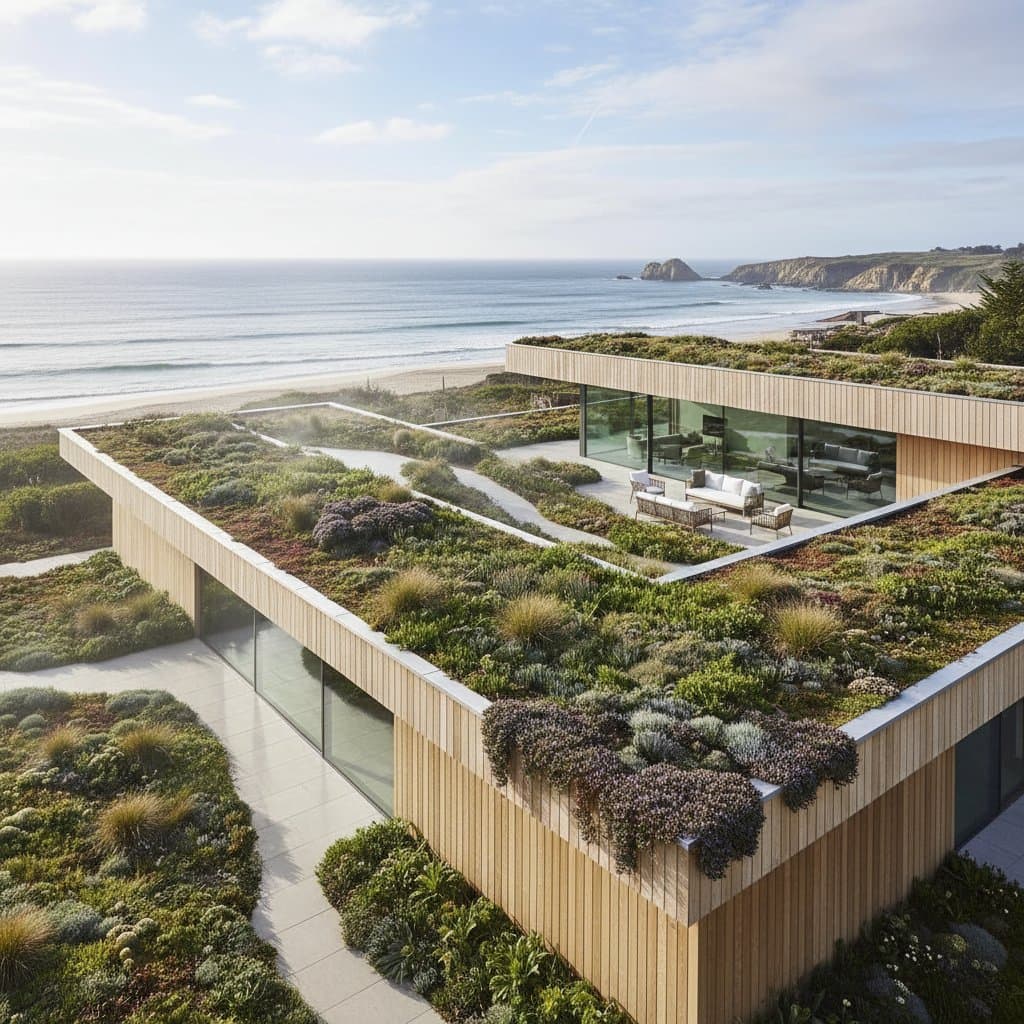
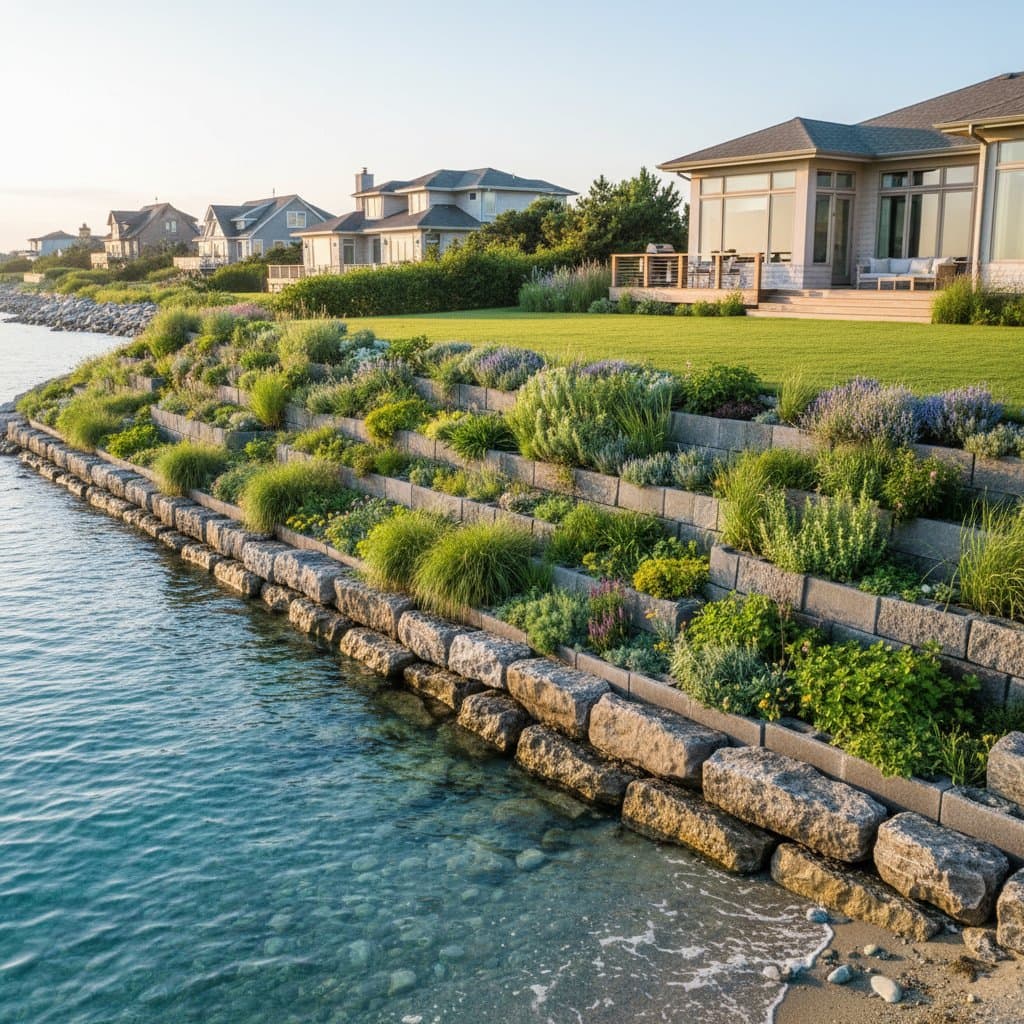
Featured image for Living Shorelines Protect Coasts Without Seawalls

Living Shorelines Protect Coasts Without Seawalls

Living shorelines provide a resilient, nature-based alternative to rigid seawalls. Techniques such as native marsh plantings, oyster reefs, hybrid structures, and dune restoration combat erosion, support wildlife, and enhance the aesthetic appeal of waterfront areas. Implement these methods to develop durable coastal defenses that harmonize with the environment.

5 min read
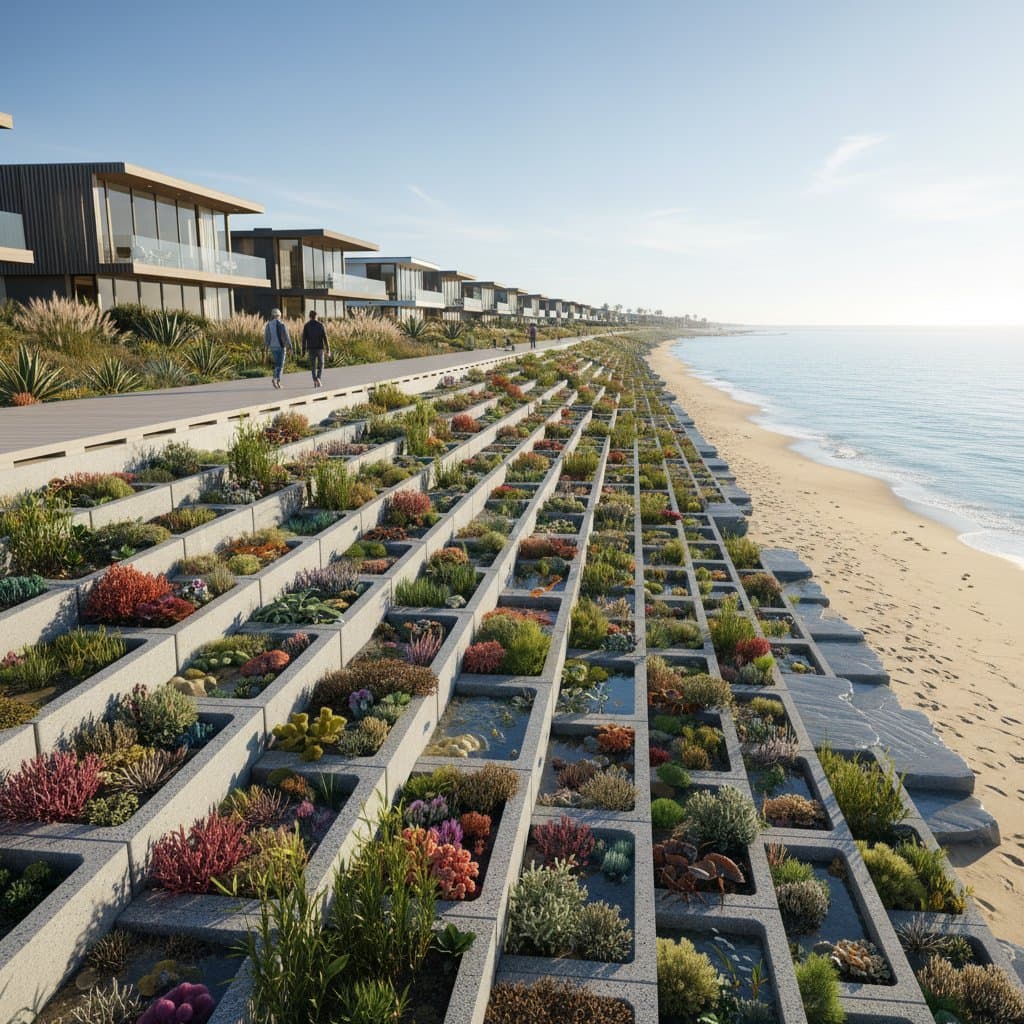
Featured image for Living Shorelines Cut Costs and Outlast Seawalls

Living Shorelines Cut Costs and Outlast Seawalls

By 2026, living shorelines redefine coastal defense with reduced costs, enhanced durability, and vibrant habitats over traditional seawalls. Native vegetation and natural features adapt to sea level rise, increase real estate value, and support biodiversity. Learn how this sustainable method endures beyond concrete solutions to protect shorelines effectively.

5 min read
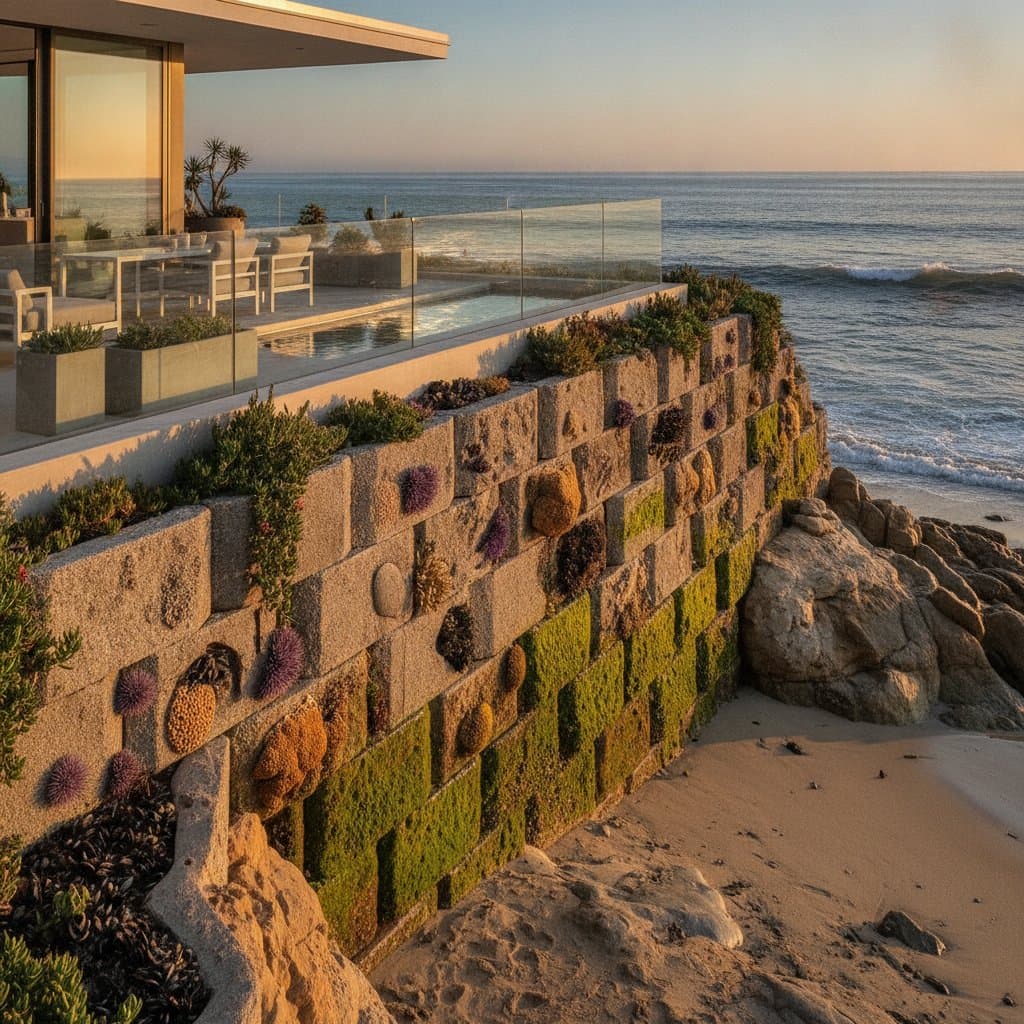
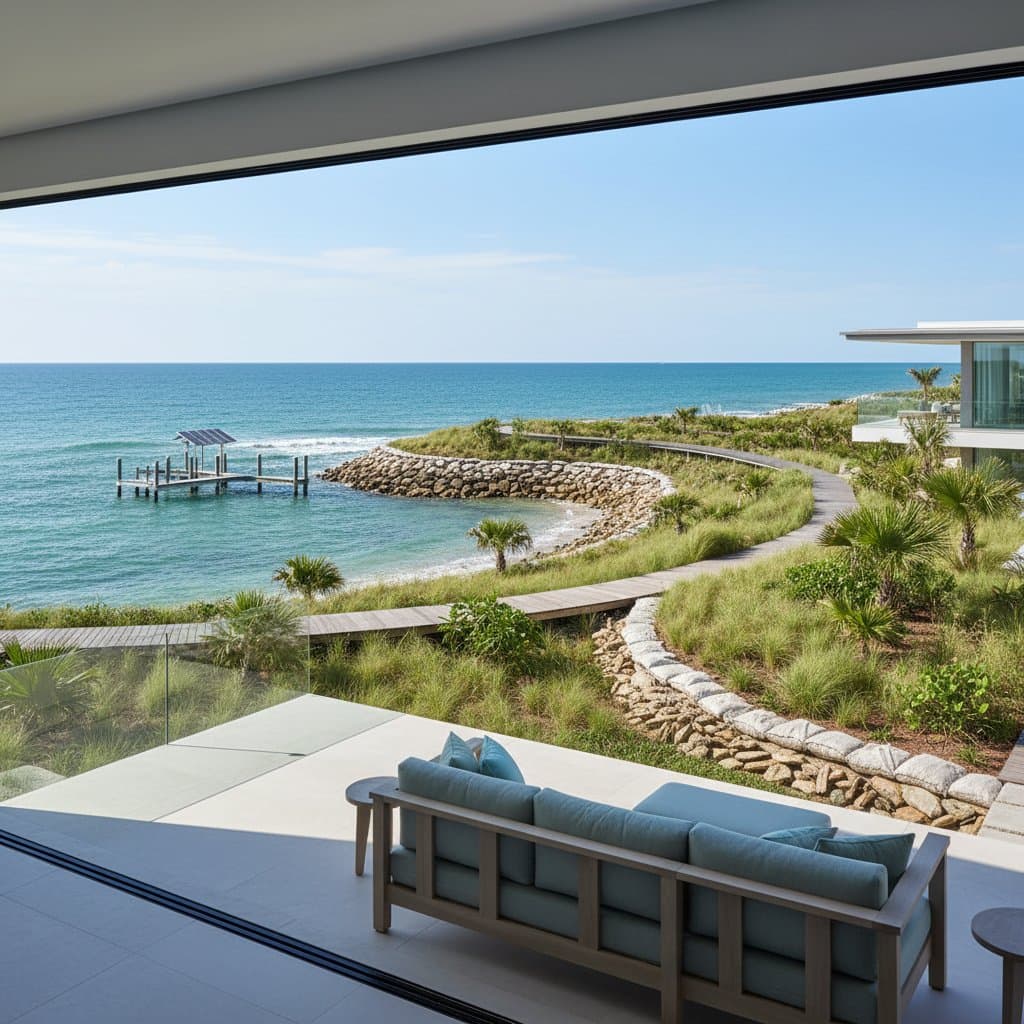
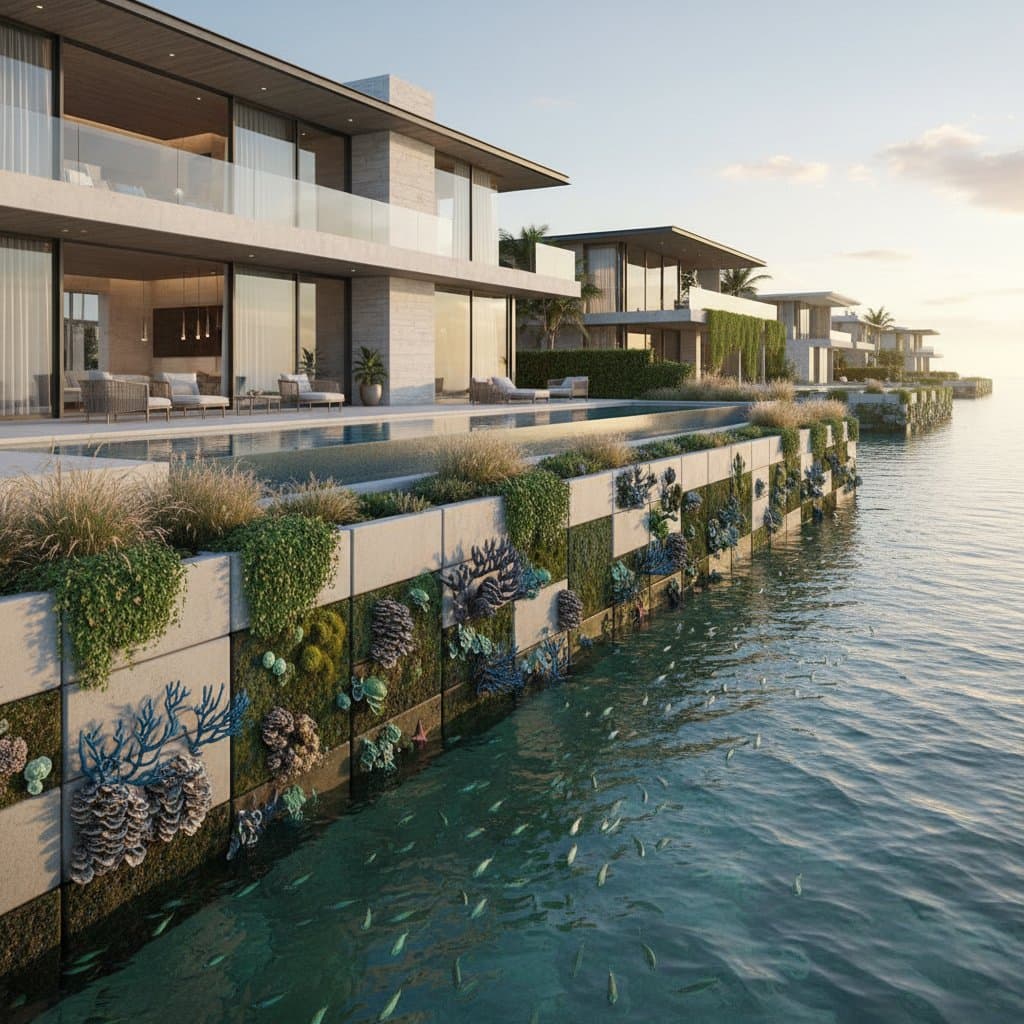
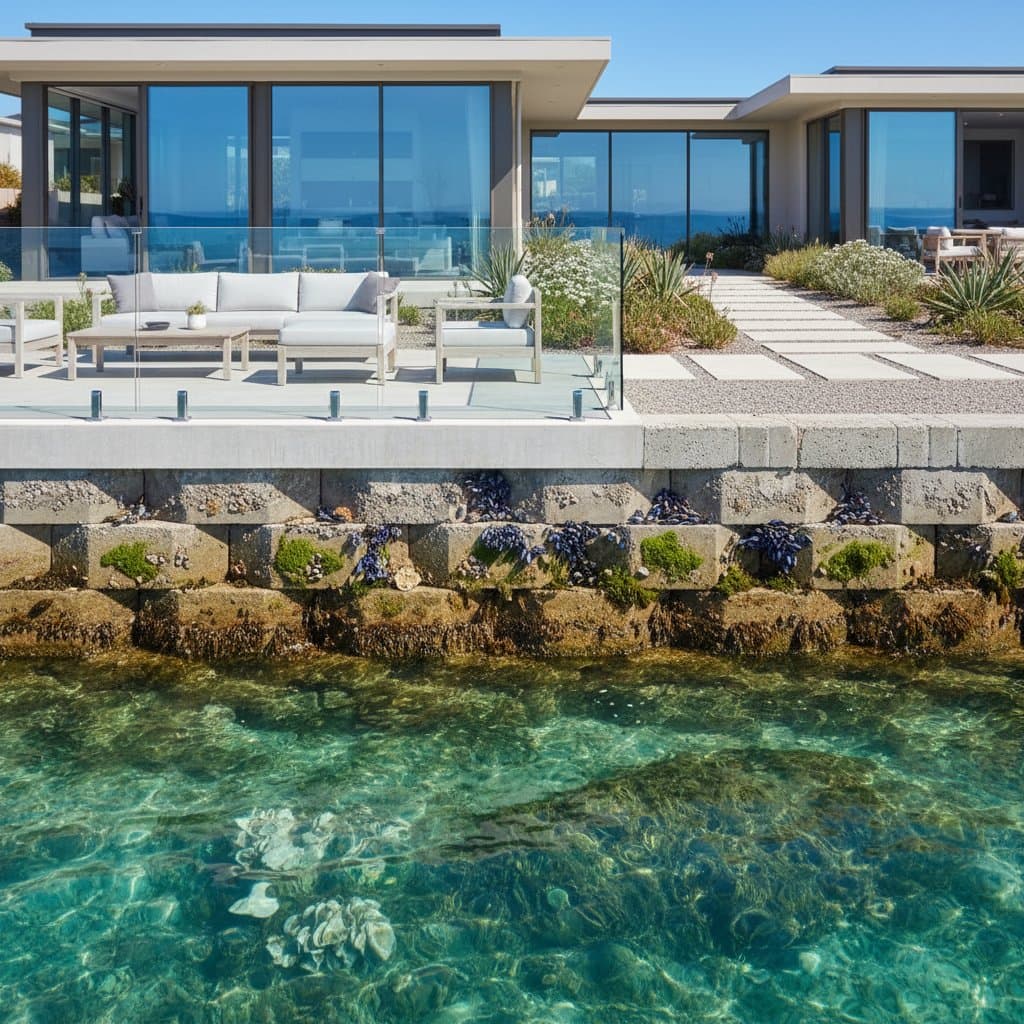
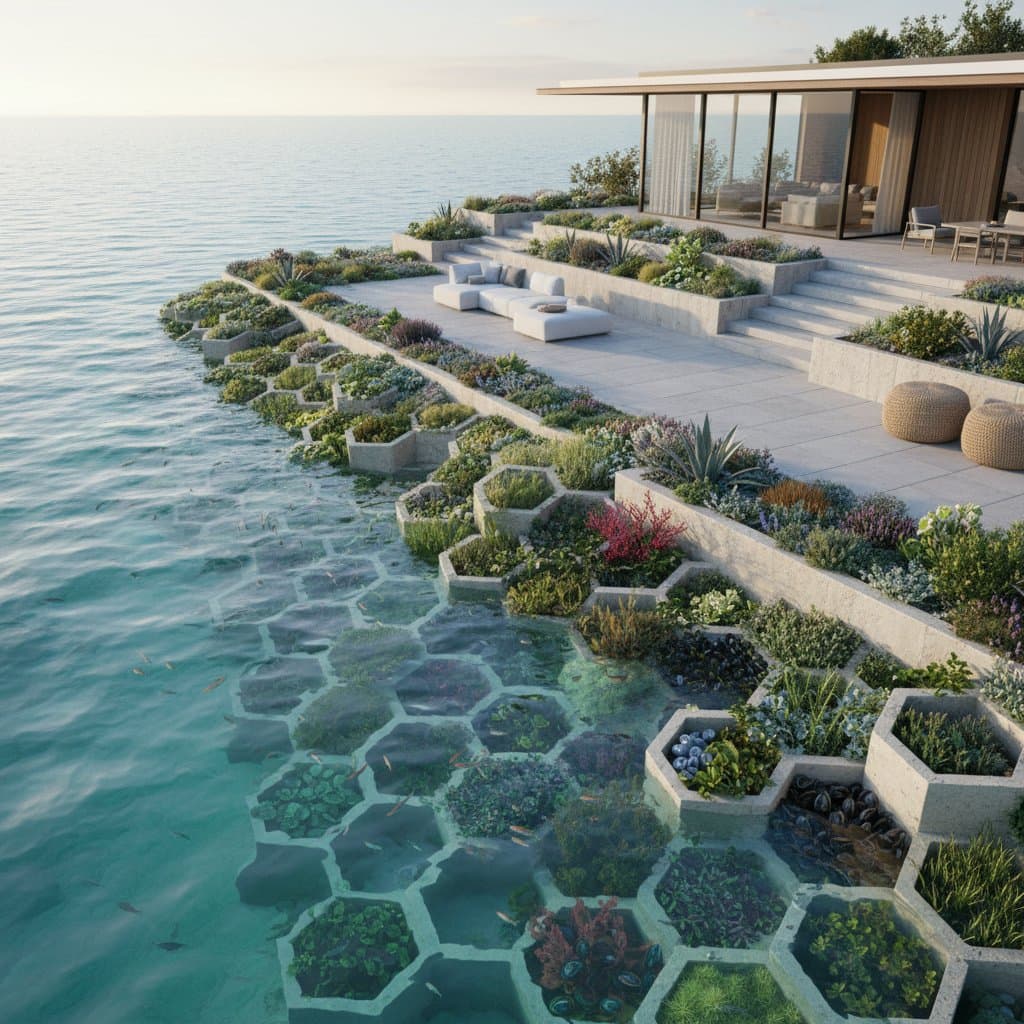
Featured image for Why Living Seawalls Beat Concrete for Beach Protection

Why Living Seawalls Beat Concrete for Beach Protection

Living seawalls integrate engineering with ecology to safeguard coastlines and foster marine ecosystems. Priced at $300 to $1,200 per linear foot, these structures minimize erosion, enhance water quality, and elevate beach aesthetics. Modular, hybrid, and bio-enhanced designs provide durable shoreline protection, increased biodiversity, and superior value compared to conventional concrete barriers.

6 min read
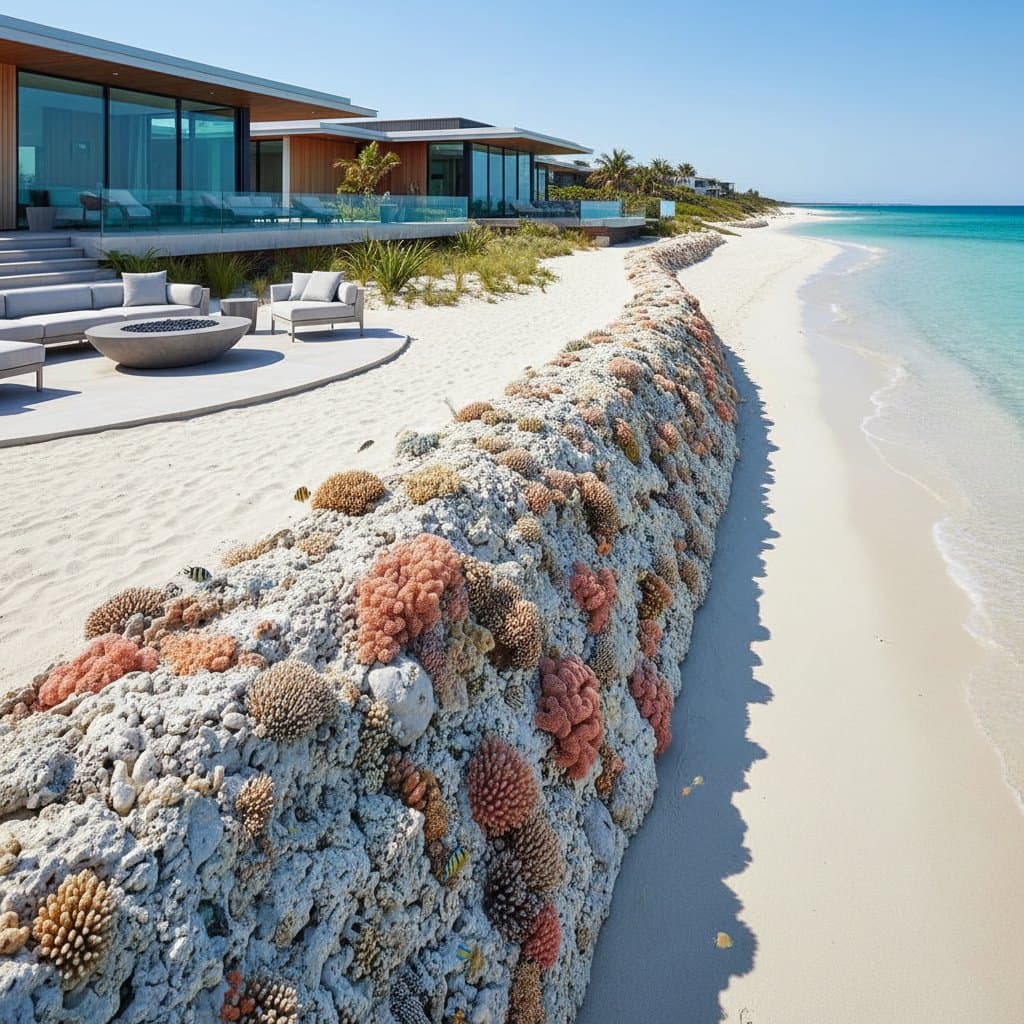
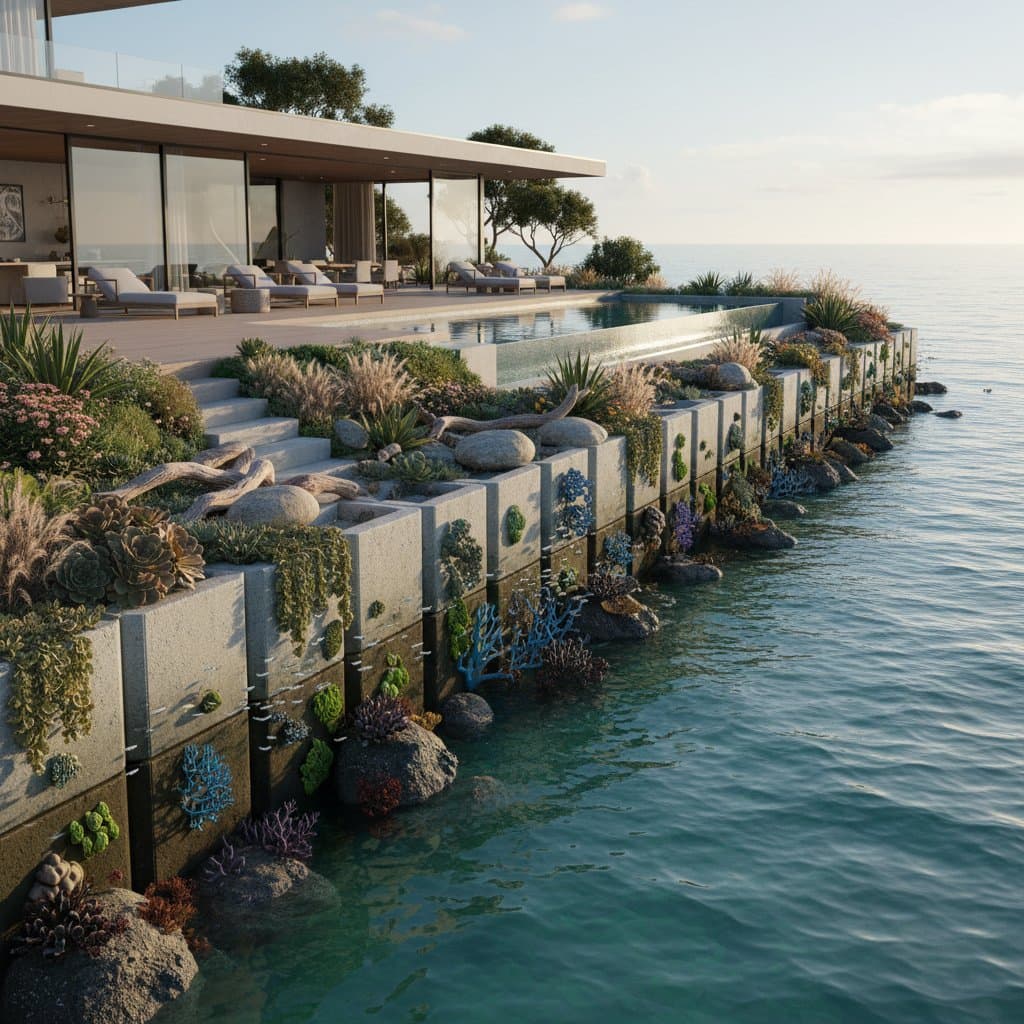
Featured image for Living Seawalls Protect Shores While Boosting Marine Life

Living Seawalls Protect Shores While Boosting Marine Life

Living seawalls integrate natural elements with structural engineering to combat erosion while revitalizing coastal ecosystems. These designs safeguard waterfront properties, elevate biodiversity, and purify surrounding waters. Delve into nine effective strategies, from modular panels and bio-concrete to oyster reefs and native vegetation, for crafting a durable, ecologically vibrant shoreline.

6 min read
Featured image for Why Living Seawalls Outperform Concrete for Shores

Why Living Seawalls Outperform Concrete for Shores

Living seawalls combine durable engineering with ecological restoration to safeguard shorelines effectively. They match concrete costs yet offer superior longevity, water purification, and habitat creation. Modular, hybrid, and oyster-integrated options provide versatile, attractive solutions for waterfront properties aiming for environmental balance and robust defense.

6 min read
Featured image for Living Seawalls Blend Beauty With Marine Protection

Living Seawalls Blend Beauty With Marine Protection

Living seawalls integrate engineering with ecology to shield luxury coastlines and foster marine biodiversity. Priced at $300 to $700 per linear foot, these structures mitigate erosion, enhance water quality, and increase property values. Their natural designs offer durability and visual appeal, transforming coastal barriers into harmonious elements for homeowners who value resilience and environmental stewardship.

5 min read
Featured image for Bioengineered Seawalls Save $50K on Coastal Erosion

Bioengineered Seawalls Save $50K on Coastal Erosion

Bioengineered seawalls integrate vegetation and natural materials with structural elements to defend coastlines, slash maintenance needs, and deliver up to $50,000 in savings for property owners. These innovations surpass traditional barriers by promoting biodiversity, refining water quality, and elevating aesthetic value. Learn how living seawalls redefine erosion prevention and fortify future shoreline durability.

5 min read
Featured image for Living Seawalls Cost $350-700 Per Linear Foot

Living Seawalls Cost $350-700 Per Linear Foot

Living seawalls integrate engineering with ecology to safeguard shorelines and foster marine habitats. Priced at $350 to $700 per linear foot, these structures provide enduring protection, minimal maintenance, and environmental advantages. Despite the initial expense, they yield substantial returns through preserved property values, aesthetic improvements, and resilient coastal defenses.

4 min read
Featured image for Why Coastal Homeowners Are Replacing Concrete Seawalls

Why Coastal Homeowners Are Replacing Concrete Seawalls

Coastal residents shift from concrete seawalls to living alternatives that merge defense against erosion with ecological benefits. These structures nurture marine ecosystems, refine water quality, and elevate landscape appeal. Offering reduced upkeep, adaptability to climate shifts, and enhanced durability, living seawalls advance eco-conscious waterfront management.

4 min read
Featured image for Why Living Seawalls Outperform Concrete Barriers

Why Living Seawalls Outperform Concrete Barriers

Living seawalls integrate natural elements and marine organisms to defend shorelines while fostering biodiversity and aesthetic appeal. In contrast to concrete barriers that degrade and disrupt ecosystems, these structures gain strength over time, purify water, and respond to sea level rise. Learn why they represent a superior, sustainable option for coastal resilience.

7 min read
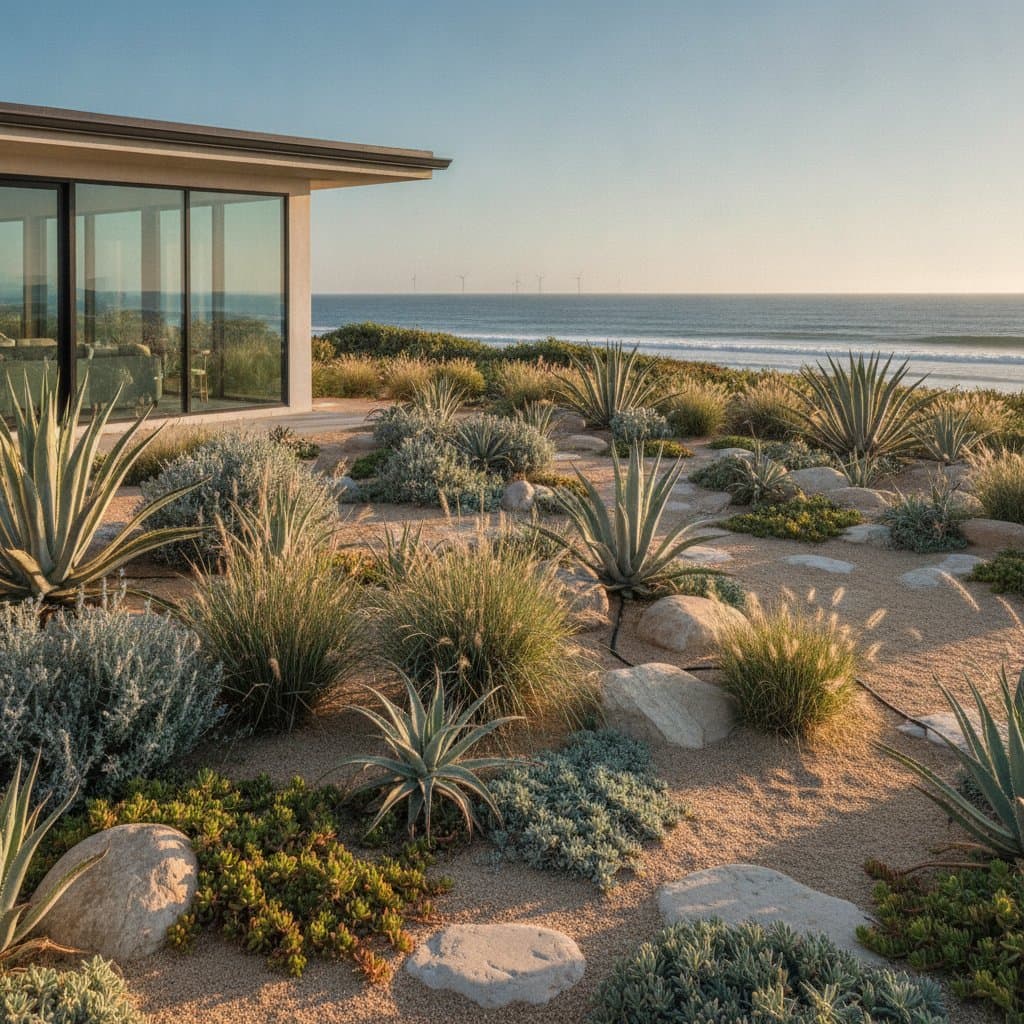
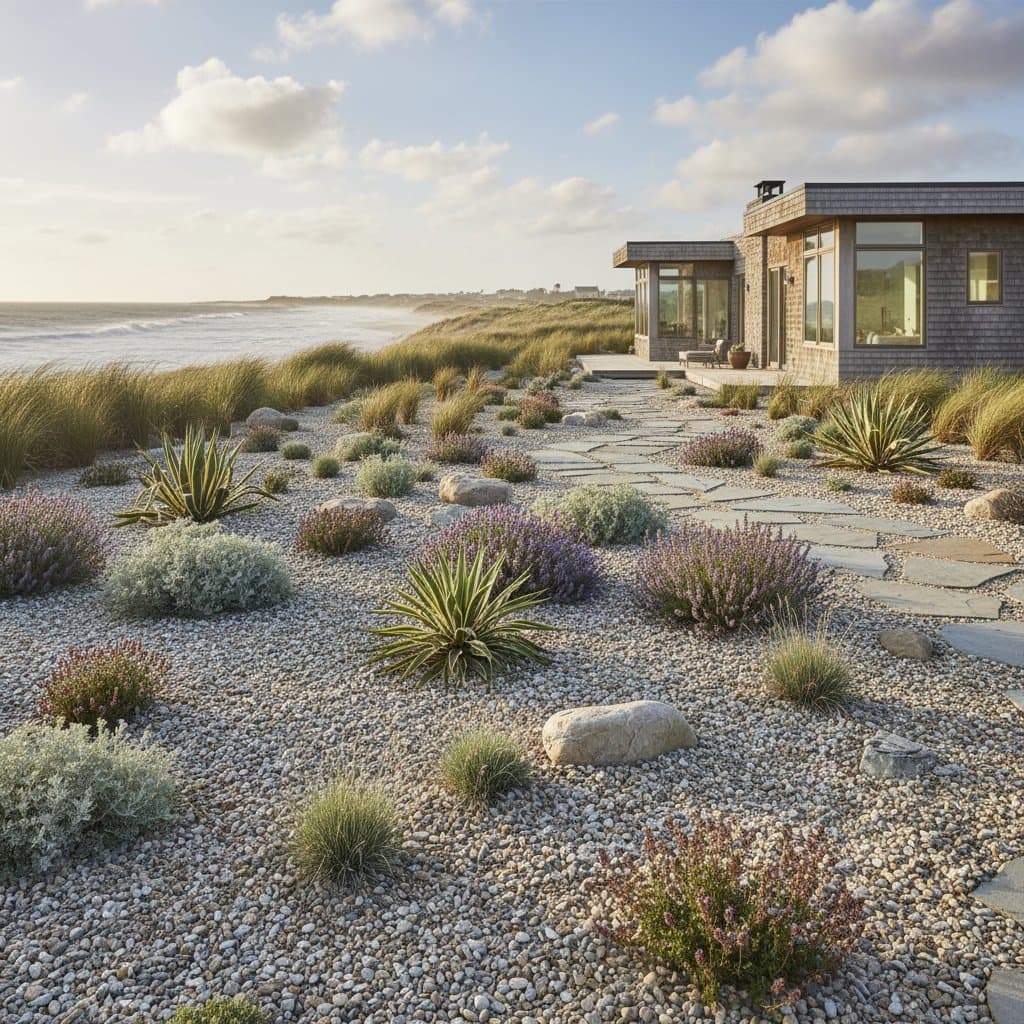
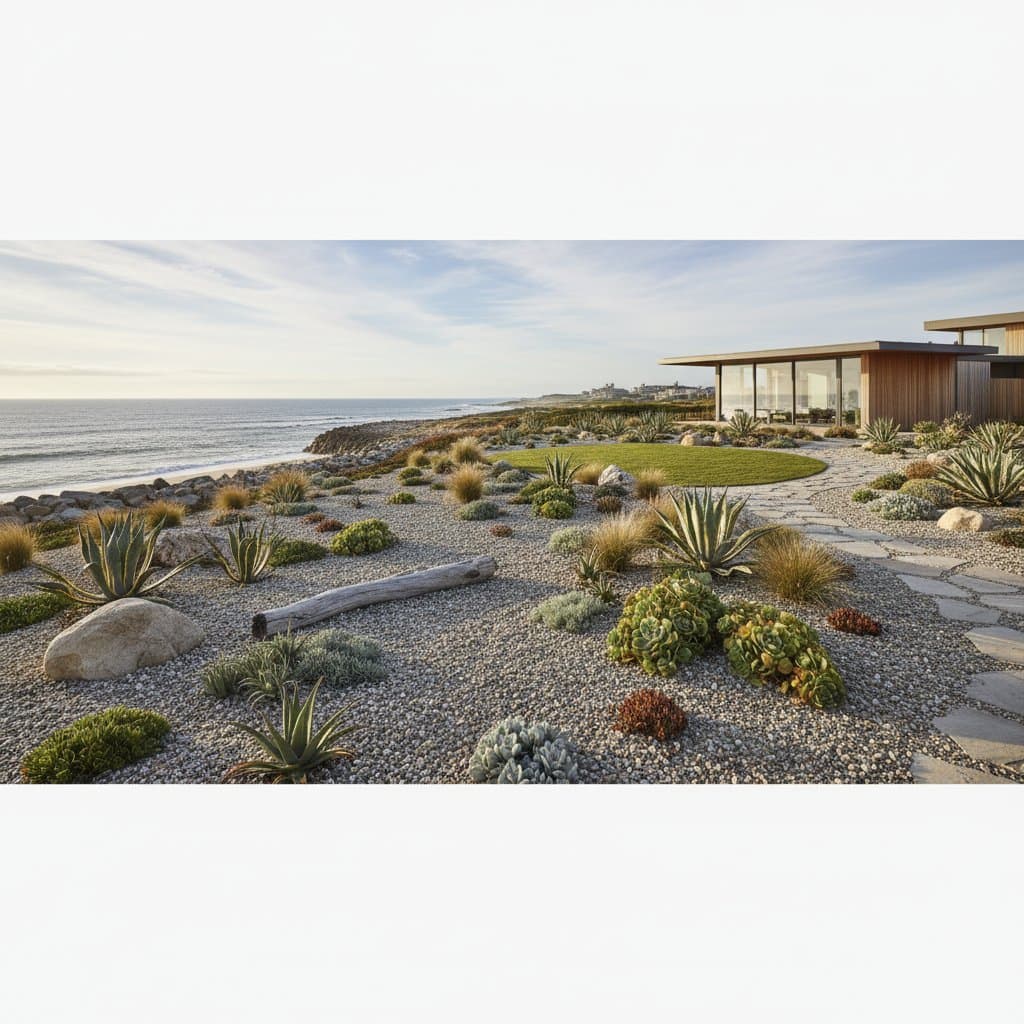
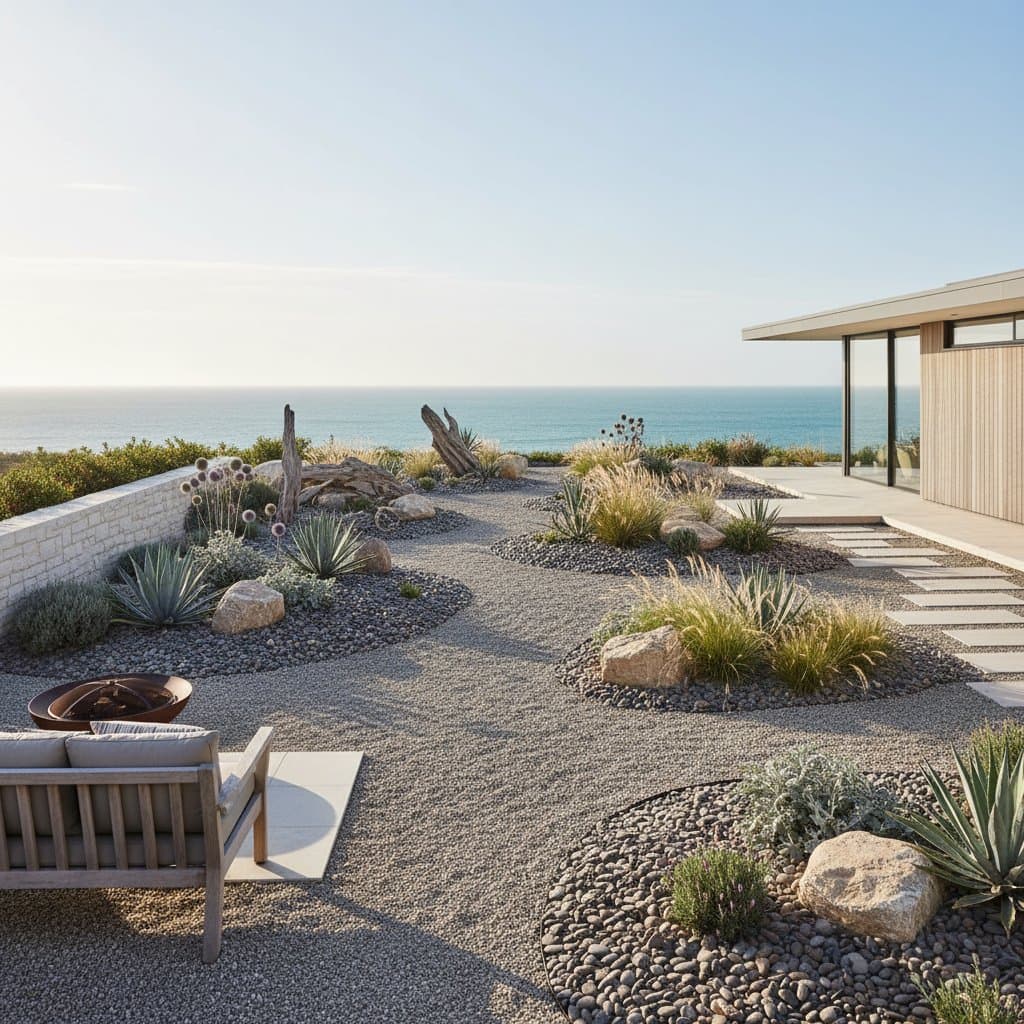
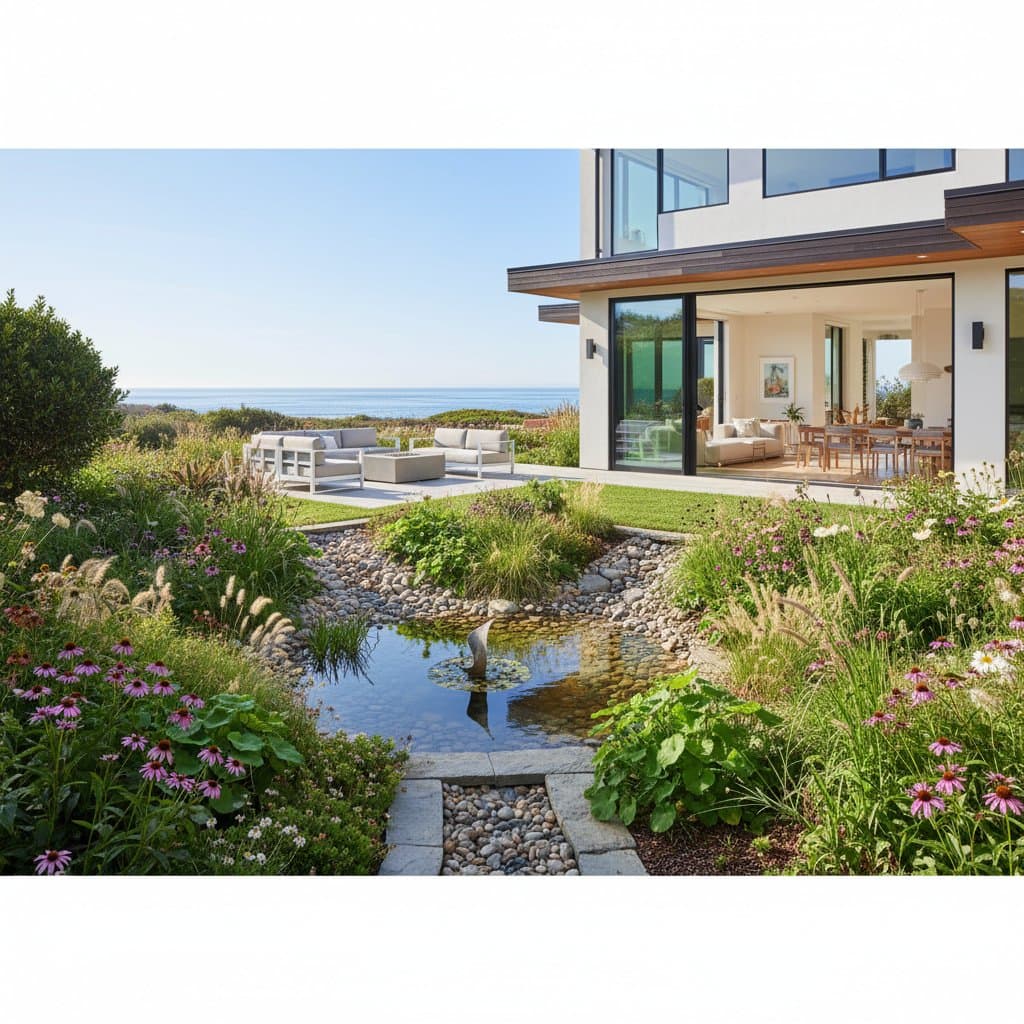
Featured image for Why Gravel Gardens Will Dominate Coastal Yards by 2026

Why Gravel Gardens Will Dominate Coastal Yards by 2026

Gravel gardens are poised to transform coastal landscapes by 2026, delivering low-maintenance, water-efficient elegance suited to seaside conditions. With installation costs typically around $6,000, options range from Mediterranean-inspired retreats to minimalist native plantings that endure salt spray, wind, and drought while maintaining year-round visual interest.

6 min read