
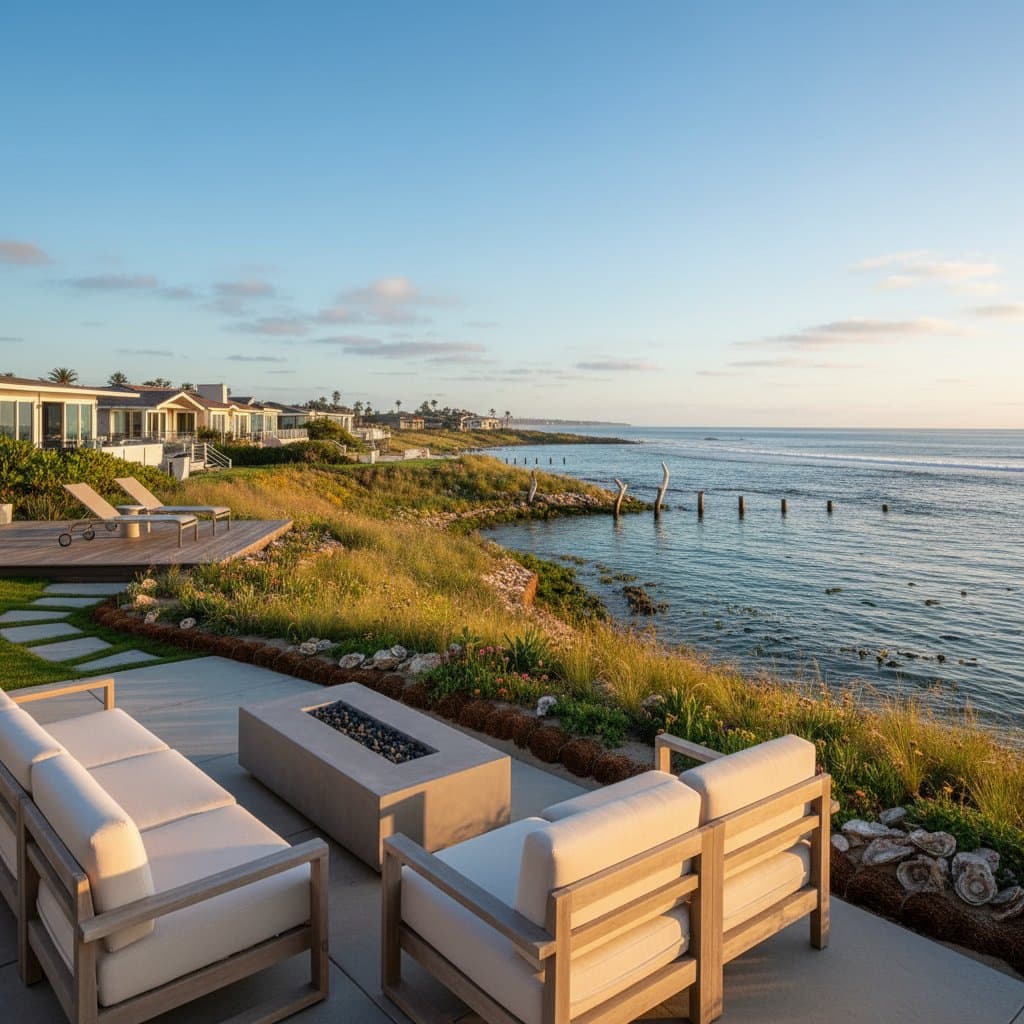
Living Shorelines: Eco-Friendly Alternative to Seawalls
Coastal homeowners have long relied on seawalls and bulkheads to protect their properties from erosion and rising tides. Yet these hard barriers often cause more harm than good by disrupting natural habitats and accelerating erosion in nearby areas. A modern and sustainable solution known as living shorelines is transforming coastal protection.
Living shorelines use natural materials like plants, sand, and shell to stabilize coastlines while preserving the ecosystem. In a coastal city such as San Diego, these eco-friendly barriers are proving to be both beautiful and practical.
What Is a Living Shoreline?
A living shoreline is a natural coastal defense system that uses vegetation, organic materials, and sometimes low-profile structures to reduce erosion. Instead of blocking waves like a seawall, it absorbs and dissipates their energy. This approach maintains the natural connection between land and water while supporting fish, birds, and other wildlife.
Typical Components of a Living Shoreline
- Native salt-tolerant plants such as cordgrass and pickleweed
- Oyster reefs or shell bags that buffer waves
- Coir logs or biodegradable mats that hold sand in place
- Gentle slopes that allow tidal exchange and sediment movement
Comparing Living Shorelines and Seawalls
| Feature | Living Shoreline | Seawall |
|---|---|---|
| Erosion Control | Absorbs wave energy naturally | Reflects wave energy, causing scouring |
| Wildlife Habitat | Provides habitat for marine species | Destroys or limits habitat |
| Maintenance | Low, mostly vegetation upkeep | High, frequent repairs and reinforcement |
| Aesthetics | Natural appearance that blends with the environment | Industrial look, often unattractive |
| Cost | Moderate initial investment with long-term savings | High upfront and ongoing maintenance costs |
Benefits of Living Shorelines
Living shorelines offer both environmental and economic advantages that make them a preferred alternative to traditional barriers.
Environmental Benefits
- Erosion Control: Native vegetation anchors soil and sand, reducing erosion naturally.
- Habitat Creation: Provides breeding and feeding grounds for fish, crabs, and shorebirds.
- Water Quality Improvement: Plants filter pollutants and trap sediment before it enters the ocean.
- Carbon Storage: Vegetated shorelines capture and store carbon, helping to offset greenhouse gases.
Economic and Lifestyle Benefits
- Reduced Maintenance Costs: Once established, living shorelines require minimal upkeep.
- Property Value Stability: A healthy, attractive shoreline enhances property appeal.
- Natural Resilience: Flexible systems adapt to changing tides and storms better than rigid walls.
- Community Appeal: Green coastlines improve public access and recreational opportunities.
Designing a Living Shoreline
Creating a living shoreline requires careful planning and local expertise. Coastal engineers and ecologists typically assess site conditions before selecting materials and plants.
Key Planning Steps
- Site Assessment: Evaluate tidal influence, wave action, and existing vegetation.
- Design Selection: Choose between soft stabilization using plants only or hybrid systems that incorporate plants with rock or shell.
- Material Sourcing: Use local, sustainable materials to match the native ecosystem.
- Installation: Plant vegetation along graded slopes and secure biodegradable mats or logs.
- Monitoring: Inspect regularly to ensure vegetation takes root and erosion remains controlled.
Common Materials Used
| Material | Function |
|---|---|
| Coir fiber logs | Stabilize slopes and prevent soil loss |
| Oyster shell bags | Buffer wave energy and attract marine life |
| Native grasses | Hold soil and filter runoff |
| Gravel or sand fill | Reinforce shoreline base and support vegetation |
Cost and Longevity
The cost of a living shoreline depends on shoreline length, materials, and design complexity. On average, installation ranges from 50 to 200 dollars per linear foot, which is often less than the cost of a concrete seawall. While initial setup may take time, long-term maintenance is minimal, and most systems last for decades with little intervention. Over time, vegetation growth strengthens the shoreline, making it more stable and self-sustaining.
Key Factors That Influence Success
Several conditions affect how well a living shoreline performs. Moderate wave environments are ideal. Using native species ensures better adaptation. Adequate sand and organic matter help maintain elevation. Proper grading allows vegetation to thrive at different tide levels. Coordination among homeowners and local agencies increases success rates.
FAQs About Living Shorelines
What is the main difference between a seawall and a living shoreline?
A seawall is a hard structure that blocks waves, while a living shoreline uses natural elements to absorb wave energy and prevent erosion.
Are living shorelines suitable for all coastlines?
They work best in areas with low to moderate wave energy. High-energy zones may need hybrid systems that combine plants and rock.
How long does it take for a living shoreline to establish?
Typically, it takes one to three growing seasons for full vegetation coverage and stability.
Ongoing Stewardship Practices
Once a living shoreline is established, routine care is straightforward. Regular inspections, occasional replanting, and debris removal help ensure continued success. Over time, the vegetation thickens, wildlife returns, and the shoreline becomes more resilient. For coastal homeowners, this natural approach offers peace of mind and a tangible connection to the environment.