
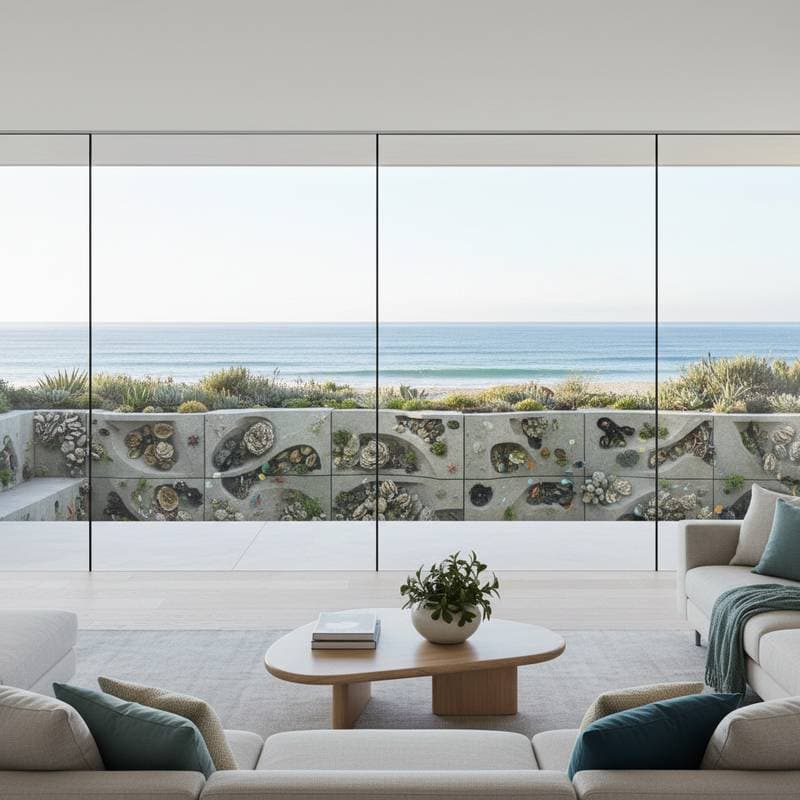
Living Seawalls: A Sustainable Solution for Coastal Erosion in 2026
Coastal erosion poses a significant threat to communities along shorelines. Storms, rising sea levels, and persistent wave action gradually undermine beaches, properties, and habitats that residents and wildlife rely upon. While conventional concrete seawalls have served as primary defenses, they often exacerbate erosion in adjacent areas and provide no ecological benefits. Living seawalls address these limitations by integrating structural integrity with environmental enhancement.
These innovative structures allow homeowners to maintain access to vibrant shorelines. By merging engineering principles with natural processes, living seawalls deliver protection that benefits both human infrastructure and marine biodiversity.
Understanding Living Seawalls
A living seawall represents an advanced shoreline protection method rooted in ecological engineering. Unlike smooth, impenetrable concrete walls, living seawalls feature irregular surfaces, recesses, and biocompatible materials that promote the attachment and growth of marine species such as oysters, algae, and barnacles. This design transforms a defensive barrier into a functional habitat that stabilizes the coast and enriches local ecosystems.
Photo: Close-up of a living seawall panel displaying textured surfaces colonized by barnacles and emerging seaweed.
In contrast to traditional seawalls, which reflect wave energy and accelerate scour in nearby zones, living seawalls dissipate forces through their contoured profiles. This mechanism minimizes erosion, safeguards coastal properties, and fosters biological diversity in a single, cohesive system.
Mechanisms of Living Seawalls
Living seawalls operate on principles similar to their conventional counterparts but incorporate elements that invite ecological colonization. Marine organisms settle on the surfaces, forming a living layer that further buffers against waves and sediment loss.
Essential Components
- Textured Surfaces: Ridges, grooves, and hollows replicate natural rock formations, providing anchorage points for sessile species.
- Biocompatible Materials: Surfaces composed of non-toxic polymers or recycled composites encourage the settlement of algae, corals, and shellfish without introducing pollutants.
- Modular Construction: Prefabricated panels allow for easy attachment to existing walls or assembly into new installations, adapting to various site requirements.
- Energy Absorption Design: Irregular contours and porous elements capture and redistribute wave energy, reducing impact on the shoreline.
- Ecological Niches: Built-in crevices and ledges create refuges for mobile species like fish and crustaceans, converting sterile barriers into productive ecosystems.
Tip: Engage a certified coastal engineer and marine ecologist during the planning phase to select textures and materials aligned with regional tidal patterns and native species.
Estimating Costs for Living Seawalls
The expense of installing a living seawall varies based on project scale, material choices, and environmental factors. For residential applications, initial investments reflect the added complexity of ecological features, yet long-term savings often offset upfront costs.
Homeowners typically encounter the following ranges:
- Retrofitting an Existing Seawall: Between $300 and $700 per linear foot, involving surface attachments and minimal structural changes.
- Constructing a New Seawall: From $800 to $1,500 per linear foot, encompassing foundation work and full ecological integration.
- Ongoing Maintenance: Annual costs remain modest, around 5 to 10 percent of installation expenses, focusing on inspections and selective cleaning to preserve habitat functionality.
These investments yield broader returns, including improved water quality from natural filtration and elevated property appeal due to enhanced scenic and ecological value.
Photo: Comparison of a stark concrete seawall adjacent to a living seawall in a residential coastal setting, highlighting the latter's lush, green appearance.
Addressing Challenges in Implementation
Living seawalls offer substantial advantages, yet their deployment involves specific hurdles that require careful planning.
Design and Installation Demands
Successful projects demand collaboration among structural engineers, ecologists, and regulatory bodies. Obtaining permits in protected coastal areas may extend timelines by several months, necessitating early application submissions.
Upkeep Requirements
While self-sustaining elements like oyster beds reinforce stability, regular assessments prevent issues such as excessive biofouling or debris accumulation. Schedule biannual dives or inspections to monitor structural integrity and ecological health.
Site-Specific Adaptations
High-energy wave environments or severe erosion sites may require reinforced hybrids, blending living panels with traditional footings. Conduct geotechnical surveys to evaluate soil stability and wave exposure before proceeding.
Community Acceptance
Resistance can arise from unfamiliarity with the technology. Host informational sessions with visual models and case studies to demonstrate reliability and environmental gains, fostering local buy-in.
Case Studies in Coastal Deployment
Several regions have successfully adopted living seawalls, yielding measurable improvements in resilience and biodiversity. Urban waterfronts in temperate zones feature extensive installations that have increased fish populations by up to 300 percent within two years.
Private estates along subtropical coasts pair these walls with supplemental features like artificial reefs, achieving erosion reduction rates exceeding 50 percent compared to untreated shorelines.
Photo: Urban seawall installation alive with mussels, anemones, and darting fish schools.
Such initiatives often extend beyond protection to promote civic involvement. Partnerships with educational institutions enable citizen-science programs, where volunteers track species diversity and contribute data to regional conservation efforts.
Combining Living Seawalls with Complementary Strategies
To maximize effectiveness, integrate living seawalls into multifaceted coastal management plans.
- Hybrid Configurations: Combine with vegetative buffers such as mangroves or saltmarsh plants to amplify sediment trapping.
- Nature-Based Enhancements: Incorporate beach replenishment or dune stabilization for layered defense against storm surges.
- Public Access Features: Add interpretive panels or elevated pathways to educate visitors while minimizing habitat disturbance.
- Inland Connections: Link seawalls to upstream green infrastructure, like permeable pavements, to manage runoff and reduce pollutant loads.
This holistic strategy builds comprehensive resilience, aligning development with ecological restoration.
Steps to Secure Your Shoreline with Living Seawalls
Envision a coastline where protective barriers teem with life, clarifying waters and anchoring sands against relentless tides. Living seawalls realize this vision by harmonizing human safeguards with natural vitality.
To pursue this option, start by assessing your site's vulnerability through a professional erosion audit. Solicit proposals from specialists in eco-engineering, review compliance with local ordinances, and prioritize designs that enhance rather than merely defend your coastal haven.