
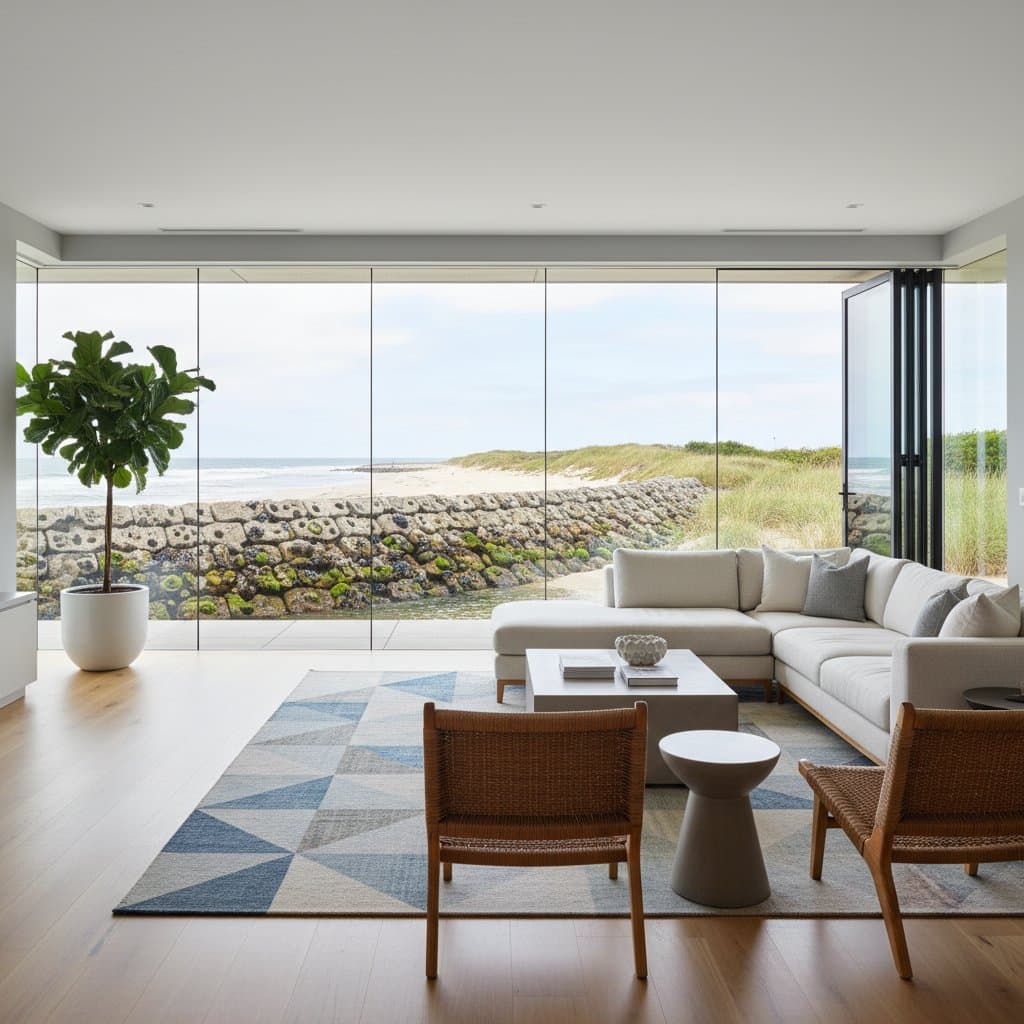
Living Seawalls Protect Shorelines While Supporting Marine Life
Waterfront homeowners face ongoing challenges with erosion and property protection. Living seawalls offer a practical solution that combines structural stability with support for marine ecosystems. These systems create habitats for oysters, fish, and other species while reducing wave impact on the shore.
This guide covers the main reasons for selecting living seawalls, typical expenses involved, available design options, and steps for proper installation and upkeep. Readers will find clear comparisons to traditional barriers along with strategies to manage project costs effectively.
Cost Factors
Project expenses for a living seawall generally fall between 15000 and 80000 dollars. The average outlay reaches about 45000 dollars for a standard residential shoreline of moderate length.
Several elements influence the final price. Material choices such as textured modular panels add to the base cost yet improve habitat value. Labor requirements rise when cranes or barge access become necessary due to site conditions. Permit fees in regulated coastal zones range from 500 to 5000 dollars. Site preparation tasks including debris removal and drainage installation contribute another 2000 to 10000 dollars.
Living seawalls often deliver lower long term maintenance needs than rigid concrete structures because they limit erosion and reduce cracking risks.
Types and Options
Modular Panel Systems
Interlocking panels feature crevices and surface textures that replicate natural rock. These units suit moderate wave conditions on residential properties. They encourage attachment of oysters and barnacles that improve local water quality.
Hybrid Living Barriers
Reinforced concrete bases paired with planted terraces or oyster reefs handle higher wave energy. Such designs work well for larger properties or community projects that require added strength alongside habitat creation.
Vegetated Revetments
Sloped banks stabilized by native plants and biodegradable mats fit calm bays or lagoons. Root systems provide erosion control, yet these installations may need more frequent checks and replanting.
Installation Choices
Most living seawall projects benefit from professional installation because they involve hydrodynamics, permitting, and heavy equipment. Licensed marine contractors complete engineering assessments and ensure compliance with environmental standards.
Homeowners with prior shoreline experience may handle small vegetated revetments themselves. Even then, errors can lead to accelerated erosion or unintended habitat loss. Professional work typically finishes in two to four weeks depending on weather and tidal patterns.
Cost Reduction Strategies
- Source rock or concrete from nearby suppliers to lower transport fees and match local ecology.
- Select prefabricated modular panels to shorten labor time.
- Coordinate with neighboring properties on joint installations to share mobilization and permit expenses.
- Investigate coastal restoration grants that support living shoreline initiatives.
- Schedule work during slower contractor periods for reduced rates.
These approaches can trim overall costs by 10 to 20 percent while preserving performance and environmental gains.
Maintenance Practices
Regular inspections every few months help identify sediment buildup, excessive algae, or panel damage. Clearing debris prevents drainage blockages and protects vegetation. Avoiding chemical cleaners or aggressive power washing preserves beneficial organisms on the surface.
With consistent care a living seawall maintains function for 40 years or longer and continues to support water quality improvements.
Frequently Asked Questions
How does a living seawall reduce erosion?
Textured surfaces slow water movement and break up wave energy. Marine growth and plant roots then anchor sediments in place.
Do living seawalls fit every coastline?
They perform best in low to moderate wave settings. High exposure sites require hybrid designs with stronger reinforcement.
What permits are necessary?
Coastal regulations usually mandate both environmental and construction approvals. A qualified contractor coordinates submissions with local agencies.
Achieving Lasting Coastal Resilience
A living seawall safeguards property value, fosters marine biodiversity, and maintains the scenic qualities that attract residents to waterfront living. Proper planning and upkeep ensure these benefits persist across decades of changing coastal conditions.