
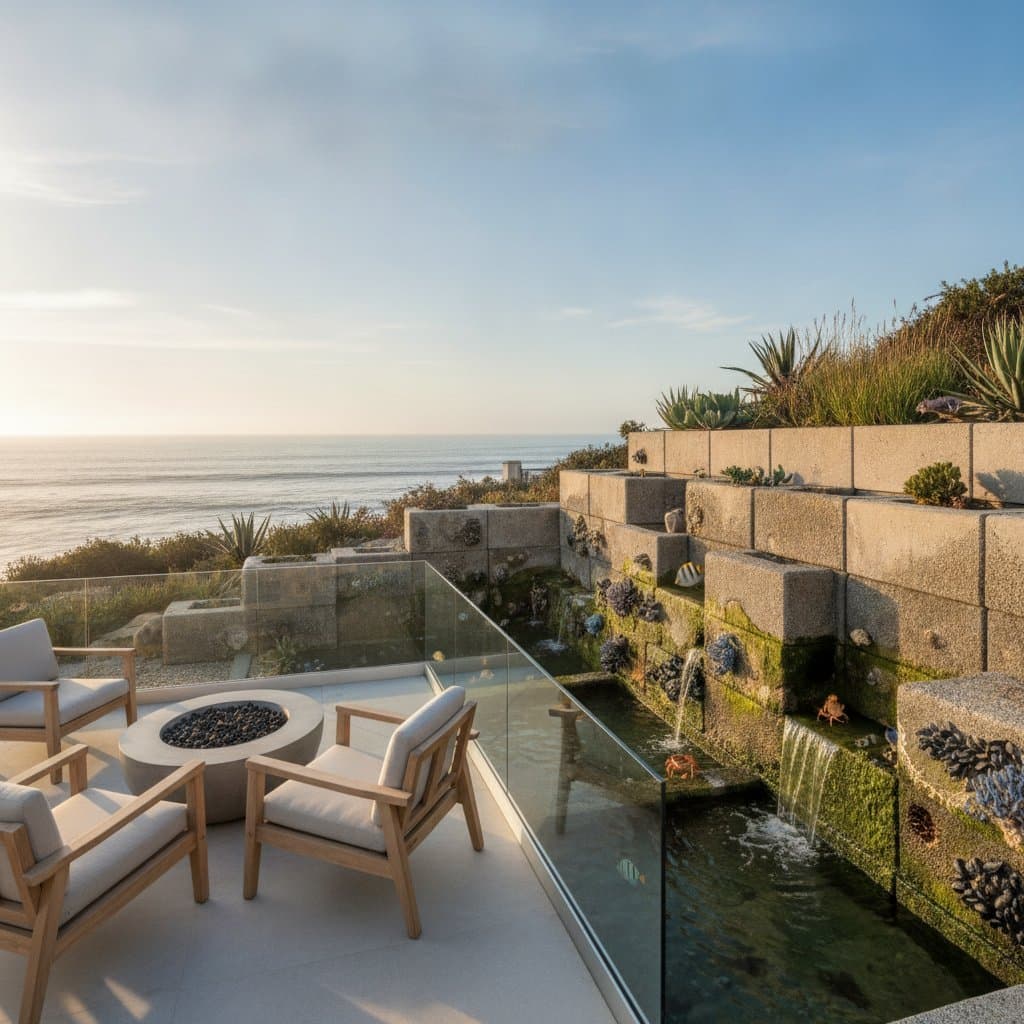
Coastal Homes Switch to Living Seawalls for Erosion Control
Coastal homeowners across Southern California are rethinking how they protect their shorelines. The traditional gray concrete seawall is being replaced with something greener and far more dynamic: the living seawall. Designed to slow erosion while supporting marine life, these innovative barriers prove that coastal defense can work hand in hand with nature.
Highlights
- Living seawalls use natural materials and design features that encourage marine habitats
- They reduce coastal erosion while improving water quality and biodiversity
- Homeowners gain aesthetic appeal and long-term protection with lower maintenance
- Projects can be customized for different shoreline conditions and budgets
- Local programs and environmental incentives are helping fund eco-seawall installations
What Is a Living Seawall?
A living seawall is a coastal structure that combines traditional erosion control with ecological restoration. Instead of flat concrete barriers, living seawalls are built with textured panels, embedded rock pools, and native plants that mimic natural coastal environments. This design allows marine organisms such as oysters, barnacles, and seaweed to colonize the surface, strengthening the wall and improving local ecosystems.
Think of it as a hybrid solution that is part engineering and part habitat. A living seawall still protects your property from waves and tides, but it also gives something back to the ocean.
How Living Seawalls Differ from Traditional Seawalls
| Feature | Traditional Seawall | Living Seawall |
|---|---|---|
| Material | Solid concrete or steel | Textured concrete, rock, vegetation |
| Appearance | Flat, gray, industrial | Natural, sculpted, habitat-friendly |
| Environmental Benefit | Minimal | Supports marine life and water filtration |
| Longevity | May crack or fail over time | Adapts and strengthens through biological growth |
| Maintenance | Frequent repairs | Lower upkeep as nature reinforces structure |
Why Coastal Erosion Demands New Solutions
Coastal erosion is a constant threat for San Diego homeowners. Rising sea levels, stronger storms, and changing wave patterns wear away beaches and cliffs. Traditional seawalls often make the problem worse by reflecting wave energy, which can accelerate erosion along neighboring properties.
Living seawalls absorb and disperse wave energy more effectively. Their textured surfaces and natural contours create small eddies that reduce the force of waves. Over time, as marine life grows on the wall, the structure becomes even more resilient.
When planning any shoreline protection project, consult a coastal engineer familiar with local permitting and environmental regulations. This ensures compliance and maximizes long-term performance.
The Benefits of Living Seawalls
The appeal of these eco-seawalls goes beyond erosion control. Homeowners and communities are recognizing a broader range of benefits.
Stronger, Smarter Protection
Living seawalls are designed to work with nature instead of against it. By encouraging coral, shellfish, and algae to grow on the structure, they gain natural reinforcement. This living layer helps dissipate wave energy and can even self-repair minor surface damage over time.
Healthier Marine Ecosystems
Unlike traditional walls that create dead zones, living seawalls act as artificial reefs. They provide habitat for fish, mollusks, and sea plants, improving local biodiversity. The result is a more vibrant coastal ecosystem that supports both recreation and environmental recovery.
Enhanced Aesthetic Value
A gray wall may block a view, but a living seawall becomes part of the scenery. Homeowners often describe the transformation as bringing the shoreline back to life. Algae and native vegetation soften the structure, blending it naturally into the coastal landscape.
Lower Long-term Costs
While the upfront price can be higher than a standard seawall, the maintenance savings can be significant. Living systems require fewer repairs since their biological components strengthen over time. Plus, some regions offer grants or tax incentives for sustainable shoreline projects.
Community and Environmental Recognition
Eco-conscious upgrades can boost property value and reputation. Many coastal communities now encourage or even require environmentally sensitive erosion control methods. Installing a living seawall shows stewardship while safeguarding private investment.
Cost Breakdown of Living Seawalls
The cost of a living seawall depends on design complexity, materials, and shoreline conditions. Below is an average range based on recent residential installations.
| Project Type | Typical Cost Range | Description |
|---|---|---|
| Basic retrofit (adding habitat panels to existing wall) | $200 - $400 per linear foot | Ideal for upgrading older seawalls |
| Mid-range hybrid system | $400 - $700 per linear foot | Combines concrete with rock and vegetation |
| Full custom living seawall | $700 - $1,200 per linear foot | Includes sculpted surfaces and integrated planting zones |
Always add a 15-20 percent contingency to your project budget to cover unexpected site conditions or permitting costs.
Designing the Perfect Living Seawall
Every shoreline is different, so customization is key. A professional coastal engineer or landscape architect can help tailor your seawall to local wave patterns, soil type, and tidal range.
Key Design Considerations
- Site Analysis: Assess wave energy, sediment movement, and existing vegetation.
- Material Selection: Choose eco-friendly concretes, recycled aggregates, or prefabricated habitat panels.
- Planting Strategy: Integrate salt-tolerant plants like cordgrass or sea lavender for extra stability.
- Accessibility: Include safe steps or paths for maintenance and monitoring.
- Aesthetics: Match textures and colors to your natural surroundings for a seamless look.
Common Myths About Living Seawalls
Despite their growing popularity, some misconceptions still circulate about these systems. Let us set the record straight.
- Myth: Living seawalls are weaker than concrete ones. Reality: They offer equal or better protection when properly designed and maintained.
- Myth: They only work in calm waters. Reality: Hybrid designs perform well in moderate to high-energy shorelines, adapting to wave conditions.
- Myth: They attract unwanted marine growth. Reality: The growth is intentional and beneficial, forming a natural armor that strengthens the wall.
- Myth: Installation takes too long. Reality: Most residential projects can be completed in a similar timeframe to conventional seawalls.
Examples of Living Seawall Success
Communities in coastal California are leading the shift toward sustainable shoreline defenses. Pilot projects have already shown measurable success in slowing erosion and attracting marine life. Homeowners report fewer maintenance issues and more stable beaches, while local marine biologists note a rise in oyster and mussel populations.
The visual impact is equally rewarding. Instead of sterile barriers, these installations look more like natural rock formations. Visitors often cannot tell where the engineered structure ends and the natural reef begins.
Choosing the Right Contractor
Selecting the right professional is critical for success. Look for contractors with experience in living shorelines, eco-seawalls, or hybrid erosion control systems. Ask for references and examples of completed projects. A knowledgeable contractor will understand materials, local regulations, and how to integrate ecological design seamlessly.
Questions to Ask:
- Have you completed any living seawall installations locally?
- What materials and designs do you recommend for my property?
- How will you handle permits and environmental assessments?
- What is the estimated maintenance schedule?
Frequently Asked Questions
How long does a living seawall last? When properly maintained, a living seawall can last as long as or longer than traditional concrete walls. The living components actually enhance durability over time.
Can I retrofit my existing seawall? Yes. Many homeowners choose to retrofit by adding habitat panels, rock ledges, or vegetation zones to an existing structure.
Do living seawalls require special permits? Most coastal projects require environmental review. Working with a professional ensures your design meets local and state requirements.
Are living seawalls safe for swimming areas? Absolutely. These systems can be designed with smooth edges and accessible surfaces, making them safe for recreational use.
Planning Your Next Shoreline Project
Living seawalls represent a shift toward harmony between human development and nature. They protect homes, enhance beauty, and restore marine life all at once.
If you are considering an erosion control project, explore the eco-seawall options available today. Consult local experts, gather quotes, and imagine watching your shoreline thrive instead of erode.