
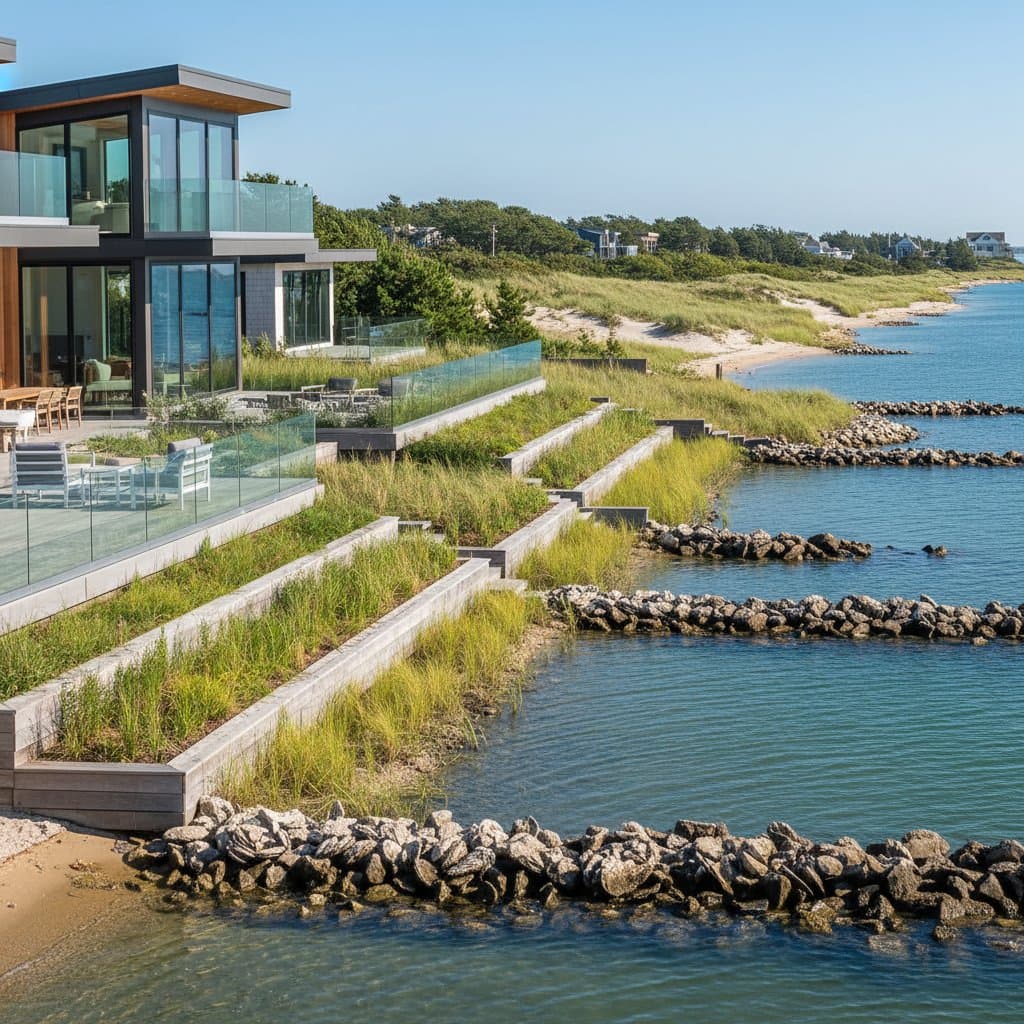
Understanding Living Shorelines
Living shorelines represent an innovative approach to coastal protection that integrates natural elements with engineered features. Unlike traditional seawalls, which create hard barriers that can exacerbate erosion elsewhere, living shorelines use vegetation, substrates, and natural processes to absorb wave energy and stabilize shorelines. This method promotes ecological health while providing long-term defense against rising sea levels and intensified storms.
Property owners along coasts face increasing threats from erosion and flooding. Living shorelines address these challenges by mimicking natural habitats, thereby reducing maintenance costs and environmental impacts. Communities benefit from enhanced biodiversity and recreational opportunities as these systems mature.
Key Advantages Over Traditional Seawalls
Seawalls often lead to unintended consequences, such as scouring the seabed and harming marine life. Living shorelines, in contrast, foster habitat creation and improve water quality through natural filtration. They adapt to changing conditions, offering flexibility that static structures lack.
These systems also contribute to carbon sequestration via plant growth and sediment trapping. Studies show they can reduce wave heights by up to 50 percent in moderate conditions, providing effective protection without altering coastal dynamics drastically. For waterfront properties, this translates to preserved views and increased property values.
Nine Practical Living Shoreline Techniques
Implementing living shorelines involves selecting techniques suited to local conditions, such as water depth, soil type, and wave exposure. Below are nine proven methods, each with specific applications and benefits. Consult local environmental experts to ensure compliance with regulations and optimal design.
1. Native Marsh Plantings
Marsh plants like cordgrass and bulrush establish dense root systems that bind soil and dissipate wave energy. Plant them along gently sloping banks to create a living buffer zone. This technique stabilizes eroding edges and provides foraging grounds for fish and birds.
Installation requires preparing the site by removing invasive species and grading the slope. Over time, the marsh expands naturally, offering a cost-effective solution that requires minimal upkeep beyond occasional monitoring.
2. Oyster Reefs
Oyster reefs consist of layered substrates where oysters attach and grow, forming breakwaters that reduce current speeds. Position these structures offshore to protect adjacent shorelines from direct wave impact. The reefs also filter water, improving clarity and supporting shellfish populations.
Construct reefs using biodegradable materials like oyster shells or concrete modules seeded with juvenile oysters. This method proves particularly effective in estuarine areas, where it enhances commercial fishing yields.
3. Coir Logs and Fiber Rolls
Coir logs, made from coconut husks, serve as temporary barriers that trap sediment and encourage vegetation growth. Place them parallel to the shore in shallow waters to prevent undercutting. As plants take root, the logs degrade, leaving a vegetated mat.
This approach suits transitional zones between land and water. It accelerates stabilization in areas prone to tidal fluctuations, with logs lasting two to three years before full integration.
4. Dune Restoration
Dunes act as natural barriers against storm surges when reinforced with native grasses such as sea oats. Restore them by importing sand and planting in ridges parallel to the beach. Fencing prevents foot traffic, allowing dunes to build height and width.
This technique excels in sandy coastal environments. It not only protects inland properties but also replenishes beach areas, maintaining public access and scenic value.
5. Mangrove Plantings
In warmer climates, mangroves form intricate root networks that trap sediments and dampen waves. Propagate them in intertidal zones by planting propagules during calm seasons. Their aerial roots create complex habitats for juvenile marine species.
Mangroves thrive in brackish waters and adapt to salinity changes. They provide superior erosion control in tropical settings, often outperforming other methods in high-energy environments.
6. Hybrid Green-Gray Structures
Hybrid designs combine soft elements like vegetation with hard infrastructure such as low revetments. Install rock toes topped with soil and plants to balance durability and ecology. This setup prevents collapse while allowing habitat development.
Ideal for urban coastlines, hybrids offer immediate protection during establishment phases. They integrate seamlessly with existing developments, minimizing disruption.
7. Living Breakwaters
Submerged breakwaters made from eco-friendly materials support algae and shellfish growth, forming living barriers. Deploy them in deeper waters to refract waves before they reach shore. The structures evolve into artificial reefs over time.
This advanced technique requires engineering input for placement and material selection. It delivers broad protection for bays and harbors, enhancing navigation safety.
8. Beach Nourishment with Vegetation
Nourish beaches by adding sand and immediately planting stabilizing species. This maintains beach width while preventing inland migration of erosion. Regular monitoring ensures the profile remains functional.
Suitable for public beaches, this method supports tourism and recreation. It creates dynamic shorelines that respond to seasonal changes without permanent alterations.
9. Bioengineered Toe Protection
At the base of slopes, install bioengineered toes using woven mats filled with compost and seeds. These structures anchor the shoreline and promote rapid colonization by native plants. They integrate with upper slope plantings for comprehensive coverage.
This technique addresses high-erosion hotspots effectively. It reduces the need for heavy machinery, making it accessible for smaller properties.