
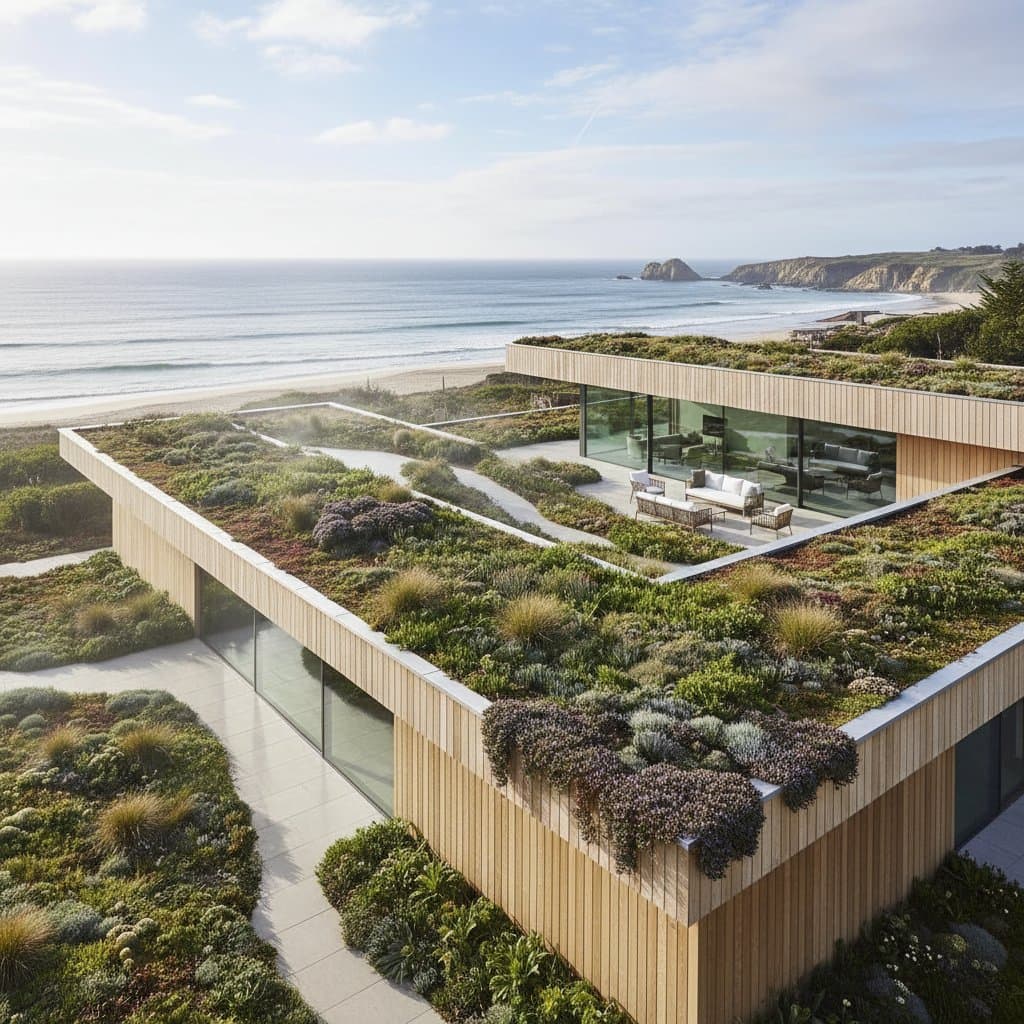
Planning a Living Roof
Effective green roof initiatives start with thorough preparation. The plan should align with the home's architecture, regional conditions, and owner objectives.
Assessing Structural Suitability
Not all roofs accommodate living systems without modifications. A structural engineer evaluates:
- Capacity to handle loads when materials hold water
- Pitch and water runoff patterns
- Entry points for upkeep and watering
Roofs with flat or slight inclines up to 15 degrees work best, as they promote uniform soil and water spread. Greater angles demand anchoring mechanisms, which raise expenses.
Selecting the Appropriate Green Roof Type
Extensive Living Roofs:
- Feature light weight and modest pricing
- Employ soil depths of 3 to 6 inches
- Accommodate resilient, low-water plants such as sedums or coastal succulents
- Involve basic care routines
Intensive Living Roofs:
- Include thicker soil, exceeding 6 inches
- Sustain diverse flora like grasses or compact shrubs
- Enable functional outdoor areas
- Necessitate watering setups and frequent tending
Extensive options prove most feasible for coastal settings due to wind and salt factors.
Picking Resilient Coastal Plants
Select species adapted to saline atmospheres, gusts, and variable hydration. Recommended varieties encompass:
- Sedum types for coverage and varied hues
- Ice plants for toughness and dry tolerance
- Seaside daisies to draw pollinators
- Local grasses for soil retention and erosion control
Consult nurseries versed in coastal flora to match selections to site specifics.
Steps to Install a Living Roof
The installation follows a layered sequence to guarantee longevity and function.
1. Surface Preparation
Clear and examine the roof base, addressing any flaws. Apply a robust waterproof covering to safeguard the underlying framework.
2. Root Protection and Drainage Installation
Position a root shield to block plant intrusion into the waterproofing. Layer a drainage panel atop it to direct surplus water while preserving plant moisture.
3. Soil Medium Application
Spread a custom light-weight soil blend designed for green roofs. Avoid standard garden dirt, which proves too dense and water-retentive.
4. Planting and Watering Setup
Position pre-cultivated mats or insert plant starts into the medium. Add a targeted drip system or accessible hose for initial hydration.
5. Ongoing Oversight
Conduct biannual reviews of flora, runoff areas, and protective layers. Renew perished plants and remove litter to sustain vitality.
Advantages for Environment and Economy
Living roofs deliver gains to ecology and finances alike. They enhance energy performance, prolong roof durability, and elevate property appeal.
Boosted Energy Use and Comfort Levels
Cooler roof exteriors lessen reliance on cooling units. In winter, the soil retains warmth to balance indoor climates and trim fuel bills.
Prolonged Roof Durability
Standard materials suffer from solar rays and coastal salts. The living layer shields the base membrane from UV damage and thermal shifts, often extending life twofold.
Rainfall Handling
Heavy coastal downpours challenge drainage. Living roofs capture and purify much of the precipitation, curbing overflow and relieving sewer loads.
Aesthetic and Ecological Enhancements
These roofs convert idle spaces into vibrant habitats. They invite wildlife such as birds and insects, bolstering regional biodiversity.
Frequently Asked Questions
What Slope Works Best for a Living Roof?
Slopes reaching 15 degrees facilitate optimal drainage without risking soil shift or added strain.
Is Installation Possible on Existing Structures?
Yes, with suitable reinforcements. Professional evaluation precedes any work.
What Maintenance Frequency Applies?
Extensive setups require two to three yearly checks. Intensive versions demand consistent irrigation and trimming.
Do Living Roofs Draw Unwanted Insects?
Properly tended systems match ground gardens in pest risk. Strategic planting and checks deter issues.
What Is the Lifespan of a Living Roof?
Quality construction and care yield decades of service. The green cover preserves the core membrane.
Can Living Roofs Dampen Household Noise?
Yes, soil and plants absorb vibrations, fostering peace amid storms or winds.
Are Building Permits Necessary?
Regulations differ locally. Verify with authorities prior to starting.
Sustaining Your Living Roof
Established living roofs thrive under regular attention. Post-storm checks ensure clear paths for water and stable plantings. Through seasons, prune excesses, clear waste, and verify water lines. Address sparse areas swiftly to preserve insulation and coverage.
Living roofs chill coastal residences, deflect winds, and evolve rooftops into dynamic ecosystems. They advance ease, efficiency, and allure. Through precise design, skilled setup, and steady maintenance, homeowners gain natural shielding, purer air, and an impressive verdant canopy. Such installations represent commitments to enduring sustainability and refined seaside existence.