
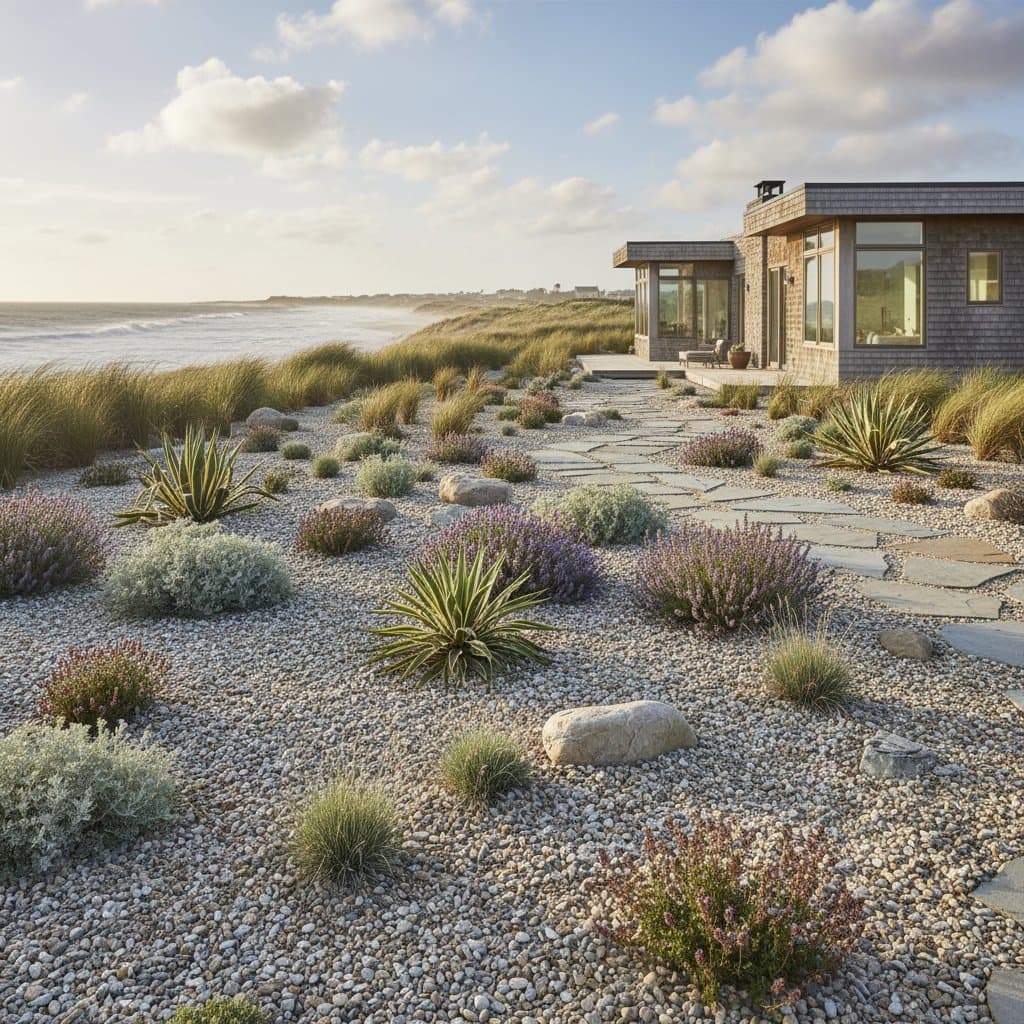
Why Gravel Gardens Beat Lawns in Windy Climates
If you live in a coastal or windy region, maintaining a lush green lawn can feel like an endless battle. Salt laden air, constant gusts, and shifting soil make it nearly impossible to keep grass healthy and evenly covered. For homeowners in these conditions, gravel gardens have become a smart, low maintenance alternative that not only survives but thrives where traditional lawns fail.
The truth is clear. In windy zones, gravel gardens outperform lawns in durability, water efficiency, and overall care costs. Understanding why will help you design a yard that looks great all year without constant maintenance.
Average Cost Comparison: Lawn vs. Gravel Garden
Before diving into performance, it helps to know what each option costs to install and maintain. The following table outlines typical costs per square foot for both lawns and gravel gardens in a residential setting.
| Feature | Traditional Lawn | Gravel Garden |
|---|---|---|
| Installation Cost per Sq. Ft. | $1.50 to $3.00 (sod) | $4.00 to $8.00 (gravel, edging, plantings) |
| Annual Maintenance Cost per Sq. Ft. | $0.50 to $1.00 (mowing, fertilizing, watering) | $0.10 to $0.25 (occasional raking and weed control) |
| Water Use | High | Very Low |
| Durability in Wind | Low | High |
| Lifespan Before Major Refresh | 5 to 10 years | 20+ years |
At first glance, gravel gardens appear more expensive to install. Yet over time, they cost significantly less to maintain. Within a few years, the financial advantage shifts decisively toward gravel.
Why Lawns Struggle in Windy Zones
Soil Erosion and Root Exposure
Wind constantly strips away topsoil, exposing shallow grass roots. Once the soil thins, your lawn loses its ability to retain moisture. Even with irrigation, dry exposed soil prevents grass from establishing a dense root network. Over time, bare patches spread until maintenance becomes nearly impossible.
Water Evaporation and Inefficiency
In windy climates, water evaporates faster than the soil can absorb it. Lawns require frequent watering to stay green, which leads to higher utility bills and wasted resources. Each gust acts like a drying agent, meaning even well irrigated lawns quickly turn brown or patchy.
Sand and Salt Damage
Coastal winds often carry fine salt and sand particles. These abrasive elements damage grass blades and alter soil chemistry, making it more alkaline. Once the soil balance shifts, grass struggles to recover without extensive fertilization and reseeding.
High Maintenance Demands
Keeping a lawn alive in a windy zone requires constant work. You need regular mowing, fertilization, pest control, and irrigation system checks. The combined time and cost can easily double compared to a sheltered inland yard.
Why Gravel Gardens Excel in Windy Conditions
Excellent Wind Resistance
Gravel gardens are inherently wind resistant because they have no delicate grass blades to tear or uproot. The gravel layer protects underlying soil from erosion while allowing air and water to circulate naturally. Even during gusty conditions, the gravel stays put when properly installed with edging and compacted layers.
Superior Drainage and Soil Protection
Gravel acts as a natural barrier against runoff. It prevents soil from washing away and keeps the ground stable. Beneath the surface, a weed barrier fabric adds an extra layer of protection, locking the soil in place and extending the life of your landscaping.
Minimal Water Requirements
A gravel garden typically uses 80 to 90 percent less water than a lawn. Drought tolerant plants such as lavender, agave, and succulents thrive in these conditions. Combined with drip irrigation or natural rainfall, you can maintain a vibrant landscape without constant watering.
Long Term Cost Efficiency
Although the initial installation may cost more, gravel gardens quickly pay off. Lower water bills, reduced fertilizer use, and almost no mowing make them a financially sustainable choice. Most homeowners recover the higher upfront cost within a few years.
Material Choices for a Wind Resistant Gravel Garden
When designing your gravel garden, the materials you choose determine both performance and appearance.
| Material Type | Cost per Cubic Yard | Durability | Maintenance Level | Aesthetic Appeal |
|---|---|---|---|---|
| Crushed Granite | $50 to $70 | Excellent | Low | Natural, rustic look |
| Pea Gravel | $40 to $60 | Moderate | Medium | Soft, rounded texture |
| Decomposed Granite | $35 to $55 | High | Low | Compact surface for walking paths |
| River Rock | $60 to $90 | Excellent | Very Low | Decorative, smooth stones |
Crushed or decomposed granite is ideal for windy zones because the angular particles interlock and resist displacement. Pea gravel, while attractive, may shift more easily unless bordered by strong edging.
Labor Costs and Installation Overview
Professional installation of a gravel garden typically ranges from $4 to $8 per square foot, depending on site preparation and material selection. Labor accounts for 40 to 60 percent of the total cost. Tasks include removing existing grass, grading the surface, installing a weed barrier, compacting base layers, and spreading gravel evenly.
For comparison, installing sod costs $1.50 to $3.00 per square foot, but maintenance quickly adds up. Over a decade, a gravel garden can cost half as much as a lawn when you include water, fertilizer, and mowing expenses.
Factors That Influence Cost and Performance
Several variables affect both the price and success of your gravel garden. Site preparation involves removing old turf and leveling uneven terrain, which increases labor time. Material choice matters because heavier or decorative gravel costs more but provides better wind resistance. Edging and borders made of metal, stone, or concrete prevent gravel migration and keep clean lines. Plant selection should focus on native, drought tolerant species to reduce irrigation needs. Proper drainage design ensures water flows away from foundations and low spots. Accessibility features such as pathways or stepping stones add cost but improve usability.
How to Save Money on a Gravel Garden
- Reuse existing soil if it drains well instead of importing new fill.
- Install in stages, starting with key areas and expanding later.
- Choose local gravel to avoid high transportation costs.
- Handle minor grading yourself if you have basic landscaping tools.
- Use drought tolerant plants that require minimal irrigation.
DIY vs. Hiring a Professional
A gravel garden is one of the more approachable landscaping projects for capable homeowners. Still, not all installations are equal.
DIY advantages include lower labor costs, a flexible timeline, and personal control over design. DIY drawbacks include the need for proper grading knowledge, the risk of uneven compaction or poor drainage, and the potential need for professional help on larger areas.
Hiring a professional ensures correct soil preparation, weed barrier placement, and gravel compaction. If you live in a particularly windy coastal area, professional edging installation is strongly recommended to prevent long term gravel loss.
Common Mistakes to Avoid
Skipping the weed barrier allows unwanted growth and destabilizes the surface. Using too thin a gravel layer exposes soil and reduces wind resistance. Selecting lightweight gravel means it can blow away easily. Ignoring drainage leads to pooling water and plant stress. Overcrowding plants disrupts airflow and root development.
Frequently Asked Questions About Gravel Gardens in Windy Zones
Do gravel gardens work near the coast?
Yes. Gravel gardens perform exceptionally well in coastal environments because they resist salt spray and wind erosion. The gravel layer shields soil from salt buildup, keeping plant roots healthier than lawns in similar conditions.
How deep should the gravel layer be?
A depth of 2 to 3 inches is ideal for most gardens. Heavier gravel types may hold better in windy zones, while lighter materials may need slightly more depth for stability.
Can I grow plants in a gravel garden?
Yes. Select drought tolerant species and plant them in pockets of amended soil beneath the gravel layer. This approach supports healthy root growth while maintaining the protective surface.
Planning Your Wind Resistant Landscape
Start by assessing your site exposure and soil conditions. Select materials and plants suited to local wind patterns. Proper installation and ongoing care will deliver lasting beauty with far less effort than a traditional lawn.