
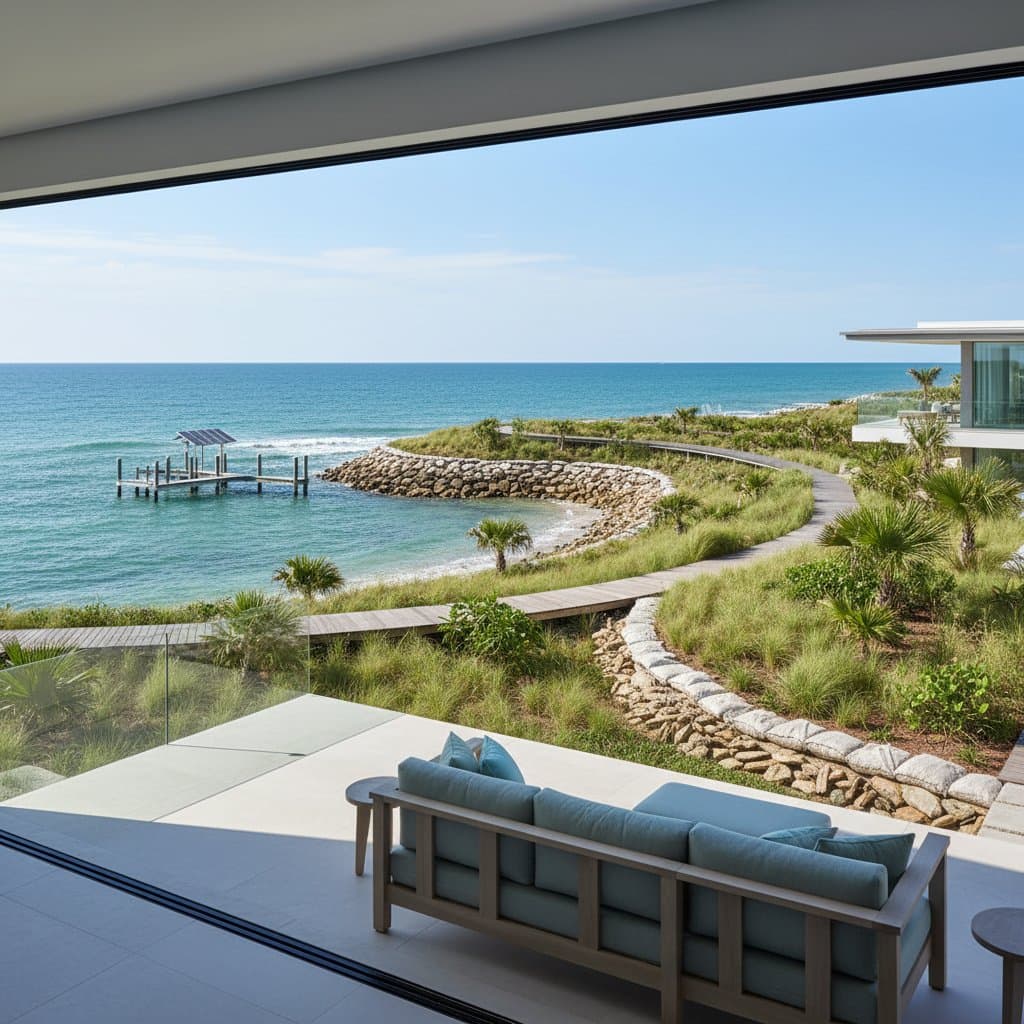
Living Shorelines: A Cost-Effective Alternative to Seawalls
Coastal properties face increasing threats from erosion, rising sea levels, and intense storms. Traditional seawalls provide protection through concrete barriers, yet they often prove expensive to install and maintain while offering limited ecological benefits. Living shorelines emerge as a superior option, utilizing natural elements like vegetation, oyster reefs, and graded slopes to stabilize coastlines. These systems not only reduce long-term costs but also enhance biodiversity and adapt to environmental changes.
By 2026, experts predict living shorelines will dominate coastal restoration projects due to their resilience and affordability. Homeowners in areas like San Diego benefit from designs that integrate native plants and sustainable materials. This approach creates a dynamic buffer against waves, unlike rigid seawalls that can accelerate erosion nearby.
Understanding the Cost Advantages
Living shorelines typically cost 30 to 50 percent less than seawalls over their lifespan. Initial construction expenses range from $100 to $300 per linear foot, depending on site conditions, compared to $500 to $1,000 for concrete structures. Savings arise from simpler installation methods and reduced need for heavy machinery.
Key factors influence these costs:
- Site Access: Restricted areas limit equipment use, yet manual labor with natural materials keeps expenses lower than hauling concrete.
- Material Sourcing: Local native plants and oyster shells minimize transportation fees and support regional suppliers.
- Ongoing Maintenance: Regular checks and minor replanting prevent major repairs, unlike seawalls that require frequent patching.
Each site presents unique challenges, such as soil type or wave exposure. Consulting local engineers ensures a tailored design that delivers decades of reliable performance.
Practical Strategies to Control Expenses
Homeowners can build an effective living shoreline without exceeding budgets through deliberate choices. Focus on elements that align with the property's needs and local regulations.
- Select Native Vegetation: Species like cordgrass or mangroves establish quickly, demand little water, and deter invasive pests naturally.
- Incorporate Hybrid Features: Pair plantings with low-profile rock revetments or bioengineered reefs to dissipate waves while preserving a natural aesthetic.
- Implement Phased Construction: Address high-risk zones first, such as areas prone to undercutting, then extend protection as funds allow.
- Pursue Funding Opportunities: Federal and state grants, including those from the National Oceanic and Atmospheric Administration, often cover up to 50 percent of costs for approved projects.
- Handle Planting Personally: After professionals complete structural work, homeowners plant seedlings to cut labor expenses significantly.
- Prioritize Regional Resources: Sourcing sand, gravel, and plants nearby reduces fuel costs and bolsters local habitats.
Thoughtful planning transforms a living shoreline into an economical asset. Early investments in quality design yield savings through reduced upkeep in subsequent years.
Pitfalls to Sidestep in Implementation
Even well-intentioned projects falter without attention to detail. Homeowners must anticipate common oversights to safeguard their shoreline's effectiveness.
- Skipping Regulatory Approvals: Permits from coastal commissions are mandatory; natural projects qualify for streamlined reviews, but delays occur without preparation.
- Disregarding Terrain Variations: Accurate elevation surveys prevent water pooling or accelerated soil loss; professional assessments identify optimal slopes.
- Opting for Exotic Species: Non-local plants struggle in native conditions, leading to die-off and ecosystem imbalance; stick to vetted regional varieties.
- Postponing Initial Care: Root development in the first two seasons demands monitoring; neglect invites weed invasion or structural weakness.
- Impeding Water Dynamics: Designs that alter tidal patterns harm aquatic life; ensure open flow to sustain vegetation health.
By addressing these issues upfront, the shoreline evolves into a robust, low-maintenance feature that endures environmental pressures.
Essential Questions on Living Shorelines
Does a Living Shoreline Require Special Permissions?
Coastal jurisdictions mandate permits for shoreline modifications. Living shorelines benefit from expedited processes as restorative measures, often requiring less documentation than hard infrastructure.
What Is the Expected Lifespan?
Properly executed systems endure indefinitely. Plants mature and bind sediments, while natural accretion reinforces the shoreline against ongoing erosion.
How Do They Fare in Severe Weather?
These installations excel in storms by flexing with wave impacts. Vegetation traps energy, and structures rebuild through sediment capture, outperforming brittle seawalls prone to failure.
What Impact Occurs on Adjacent Lands?
Living shorelines soften wave action, preventing the scouring effect of seawalls. Neighbors experience less erosion, fostering community-wide stability.
When Does It Achieve a Mature Appearance?
Establishment takes three to six months for initial growth. Full integration with the landscape occurs within 12 to 18 months, yielding a verdant, integrated profile.
Which Elements Maximize Benefits?
Strategic plant selection and precise grading form the foundation. These choices enhance durability, minimize interventions, and elevate property appeal.
Is Integration with Existing Barriers Possible?
Hybrid approaches work well. Adding vegetation to aging seawalls or incorporating sills extends protection while introducing ecological gains.
Sustaining Your Shoreline Over Time
Maintenance involves periodic assessments rather than intensive labor. Following storms, evaluate for shifts in materials or plant vitality, addressing issues promptly to maintain integrity.
Apply compost annually to nourish soils, and trim overgrowth seasonally for optimal density. As the system matures, interventions dwindle to routine observations, allowing natural processes to dominate.
This commitment yields broader rewards: clearer waters from filtered runoff, increased habitats for fish and birds, and fortified land that withstands climate shifts.
Embracing Resilient Coastal Protection
Adopting a living shoreline positions homeowners at the forefront of sustainable practices. This investment secures property while enriching the surrounding ecosystem. Coastal communities thrive when properties contribute to collective resilience, blending human needs with natural harmony.