
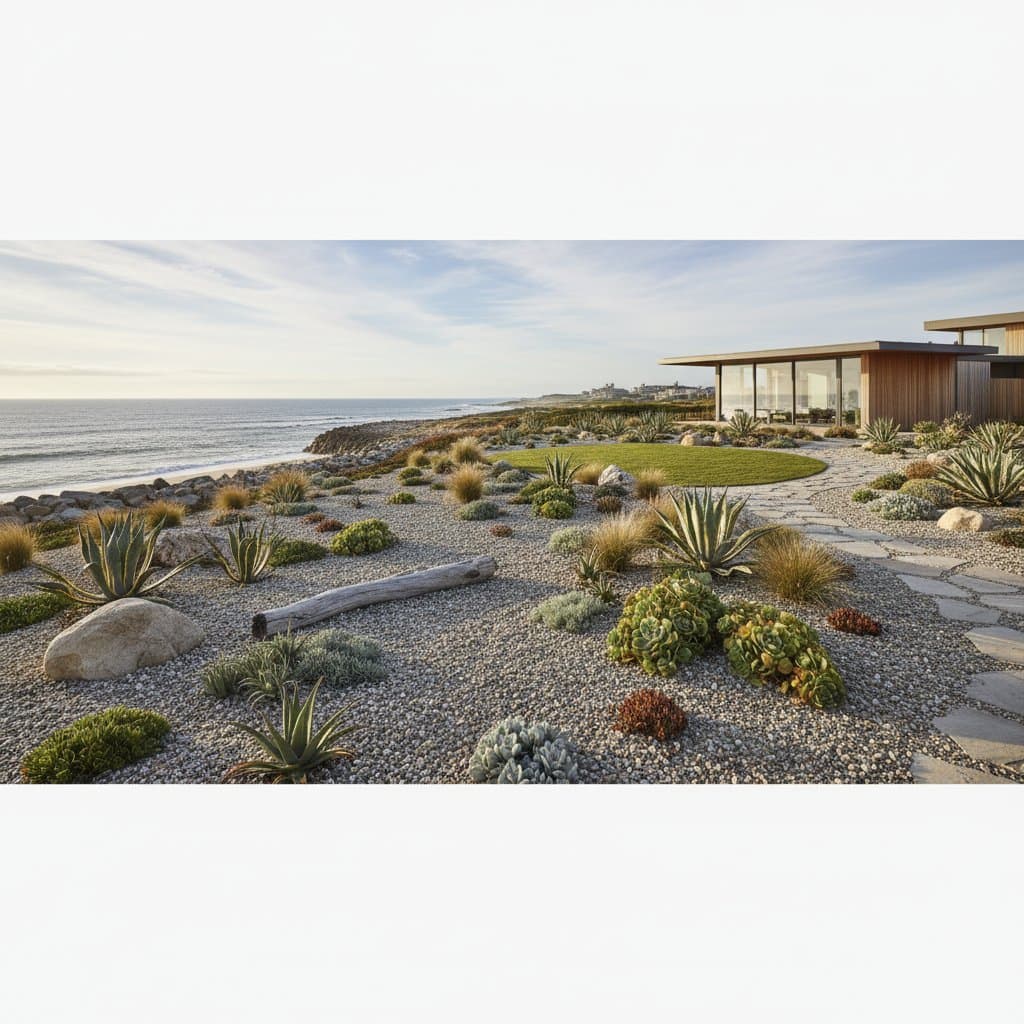
Introduction to Gravel Gardens
Gravel gardens represent a shift toward drought-resistant landscaping, particularly suited to coastal regions like San Diego. These designs replace thirsty turf with layers of gravel, hardy plants, and strategic hardscaping to create inviting outdoor spaces. Homeowners benefit from reduced upkeep and environmental resilience in areas prone to salt spray and dry spells.
Traditional lawns demand constant irrigation and mowing, which prove costly and resource-intensive amid rising water rates. In contrast, gravel gardens minimize water use while enhancing aesthetic appeal through textured stones and native flora. This approach aligns with sustainability goals and local regulations promoting water-wise practices.
Key Benefits for Coastal Properties
Coastal climates present unique challenges, including poor soil drainage and high evaporation rates. Gravel gardens address these issues by improving permeability and stabilizing slopes against erosion. Property owners report noticeable drops in utility bills after conversion, often within the first year.
Beyond cost savings, these landscapes support biodiversity by incorporating pollinator-friendly plants. They require no fertilizers or pesticides, fostering a healthier ecosystem. Visual interest comes from varied gravel colors and plant heights, creating depth without overwhelming maintenance demands.
Breaking Down the Costs
Initial expenses for a gravel garden include materials like gravel, weed fabric, and plants, alongside labor if hiring professionals. Expect to spend between $3 and $10 per square foot, depending on size and complexity. Long-term savings arise from eliminated mowing, reduced watering, and minimal repairs, potentially offsetting upfront costs in two to three years.
Factors influencing total investment encompass site preparation, such as removing existing sod, and selecting premium gravel types for durability. Coastal properties may incur additional costs for erosion barriers or wind-resistant edging. Understanding these elements enables accurate budgeting and prevents surprises during the project.
Strategies to Minimize Expenses
- Repurpose on-site resources. Salvage old bricks, stones, or decomposed granite from the property to cut material purchases.
- Opt for compact vegetation. Select starter-sized succulents or grasses that root efficiently with targeted initial watering.
- Streamline the design. Incorporate linear walkways and geometric beds to decrease excavation and installation time.
- Phase the implementation. Tackle high-traffic areas first, then expand gradually to manage cash flow.
- Incorporate self-directed efforts. Clear debris or position smaller plants independently to lower labor fees.
Thoughtful execution of these tactics typically reduces overall project outlays by 15 to 25 percent. Focus on high-impact changes that deliver immediate returns on investment.
Weighing DIY Against Professional Services
Self-Installation Option
- Advantages: Decreased startup expenses, sense of accomplishment, and adaptable timelines.
- Disadvantages: Demanding physical effort, potential for drainage errors, and variable quality outcomes.
- Projected Expense: $2 to $4 per square foot, covering supplies alone.
Expert-Led Approach
- Advantages: Skilled planning, streamlined execution, and guarantees on components.
- Disadvantages: Elevated initial investment.
- Projected Expense: $4 to $8 per square foot, encompassing materials and workmanship.
DIY suits modest plots or accent features where precision matters less. Larger terrains or inclined sites demand professional expertise to guarantee proper base layering, water flow, and enduring performance.
Pitfalls to Sidestep
Omit weed-suppressing fabric, and invasive growth will demand ongoing weeding efforts. Select gravel inappropriately—fine varieties compact excessively, while coarse ones migrate easily—and functionality suffers. Apply excessive water to establishing flora, as resilient varieties thrive on measured hydration.
Fail to install boundaries, and stones will scatter, blurring garden edges. Skimp on base preparation, and underlying soil instability will undermine plant vitality over time. Addressing these concerns from the outset secures a robust, visually pleasing result.
Frequently Asked Questions
Do gravel gardens require irrigation systems?
Irrigation proves necessary only in the initial rooting period. Established setups rely on efficient drip lines or infrequent thorough soakings to sustain health.
What is the lifespan of a gravel garden?
Proper care extends functionality and allure for 10 to 15 years, with occasional gravel top-ups or plant refreshes as needed.
Do gravel gardens generate excessive heat during summer?
Opt for light hues like buff or silver gravel to reflect solar rays and maintain moderate temperatures. Darker options absorb warmth, so prioritize reflective surfaces for comfort.
Is a permit required for lawn-to-gravel conversions?
Residential transformations generally bypass permitting, though regulations on stormwater control or watering adjustments vary by locality. Verify with municipal offices prior to commencement.
Can gravel gardens elevate property value?
These landscapes appeal to eco-conscious buyers, potentially increasing resale appeal by 5 to 10 percent in water-scarce markets. They signal modern, low-care living that reduces ongoing ownership costs.
What ongoing care do gravel gardens demand?
Routine tasks involve quarterly raking to redistribute gravel, annual plant pruning, and spot weeding if barriers falter. No weekly mowing or fertilizing occurs, keeping efforts under two hours monthly.
Steps to Launch Your Gravel Garden
Begin by assessing your yard's soil, sunlight, and drainage to tailor the design effectively. Source local suppliers for regionally appropriate gravel and plants to ensure compatibility with coastal conditions. Engage a consultant for complex sites, or gather tools for DIY phases.
Track progress against budget milestones to stay on course. Once complete, monitor water usage to quantify savings and adjust as needed. This investment yields a resilient space that enhances daily enjoyment and property worth while stewarding local resources.