
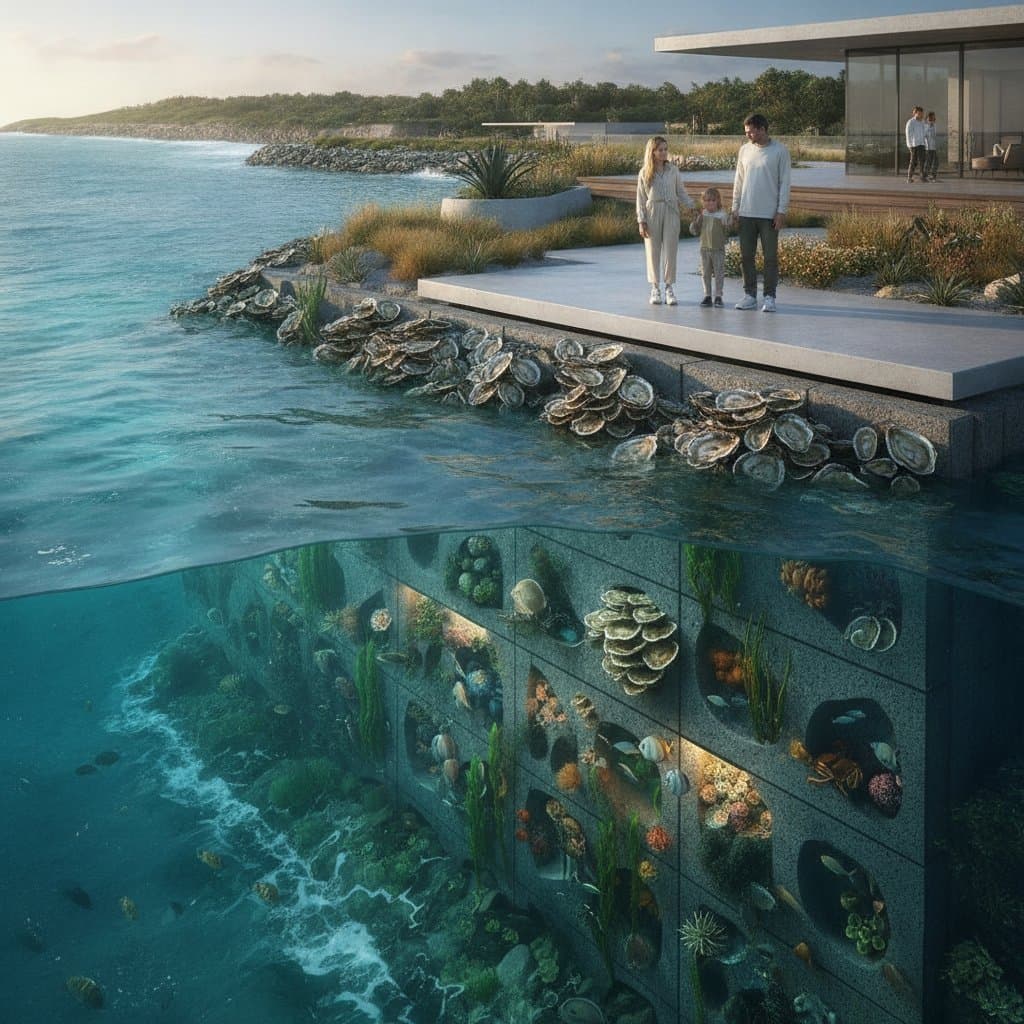
Living Seawalls Transform Coastal Erosion Defense
Waves roll gently against a shoreline lined not with plain concrete but with textured panels that host oysters, barnacles, and seaweed. These surfaces shield the coast and foster ecosystems that grow stronger with time. Living seawalls offer a practical method for communities to combat coastal erosion while reviving marine habitats.
Property owners near the water find this option both environmentally sound and functional. Installation typically costs between 500 and 2000 dollars per linear foot. The final amount reflects materials, design details, and local site conditions. Although initial expenses exceed those of standard concrete walls, extended advantages in durability and ecology often balance the difference. Complex projects benefit from consultation with marine contractors who focus on adaptive shoreline work.
Cost Factors
Residential living seawall projects generally range from 50000 to 300000 dollars. Average expenses settle near 140000 dollars for a medium sized lot. Several variables shape the total.
- Material selection determines base pricing, as textured panels, modular units, and oyster structures differ in cost.
- Labor rates rise when contractors use specialized equipment and work around tidal schedules.
- Permitting involves environmental assessments and local approvals that add fees.
- Site preparation covers debris removal, soil stabilization, and tidal access improvements.
Regions with intense tides or protected zones face elevated permitting expenses.
Types and Materials
Textured concrete panels replicate natural rock textures to promote attachment by marine organisms. They suit urban shorelines with limited space and improve water quality while providing solid protection.
Modular habitat blocks interlock to form sheltered spaces for fish, crabs, and oysters. Homeowners select them when they want visible ecological benefits.
Oyster reef barriers consist of shell filled mesh or concrete domes that strengthen as oysters settle and reproduce. They perform well in shallow estuaries with moderate wave energy.
Each option matches specific shoreline conditions yet shares the goal of converting fixed barriers into adaptive living systems.
Professional Installation and Limited DIY Options
Construction of a living seawall requires marine engineering expertise, heavy equipment, and precise tidal timing. Full scale projects therefore call for professional crews.
Homeowners may handle small additions such as pre cast habitat tiles or floating oyster cages in sheltered locations. These additions complement existing structures without replacing primary defense.
Cost Reduction Strategies
- Coordinate with neighboring properties to share mobilization and equipment expenses.
- Incorporate recycled oyster shells or reclaimed concrete to lower material outlays.
- Apply for coastal restoration grants that support habitat enhancement work.
- Schedule work during calm seasons to shorten labor hours and reduce equipment demands.
Common Questions
What defines a living seawall? Features such as textured surfaces or integrated reefs supply food and shelter for marine species while the structure stabilizes the shoreline.
How much upkeep do these walls require? Once established, the system needs only periodic checks for debris and panel security.
Can oyster reefs reduce erosion? Oyster colonies absorb wave force, filter water, and trap sediment to limit shoreline loss.
Are permits necessary? Structures below the high tide line almost always require approval from local coastal authorities.
Planning Your Shoreline Project
Living seawalls show that erosion control and habitat support can advance together. Property owners who adopt this approach secure their land, boost local marine diversity, and contribute to regional resilience against shifting coastal conditions.