
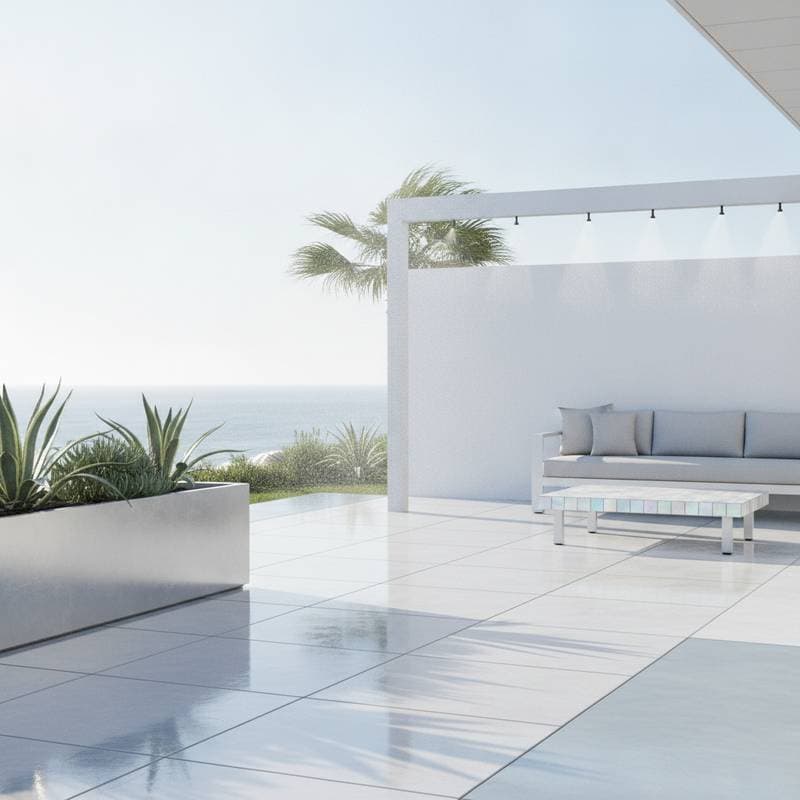
9 Reflective Finishes to Cool Your Patio 25 Degrees and Beat the Heat
When the sun beats down on your patio, the concrete or paver surface can turn into a mini oven. You step outside ready to relax, only to retreat back indoors after a few minutes. Sound familiar. The good news is that you can reduce those surface temperatures dramatically with reflective finishes that bounce sunlight away instead of absorbing it. Imagine cutting the heat on your patio by as much as 25 degrees and finally enjoying your outdoor space even in peak summer weather.
Reflective finishes are a smart, energy efficient solution for anyone living in warm climates like San Diego. They help keep surfaces cooler, protect materials from damage, and even lower the surrounding air temperature. Whether you have a sprawling backyard, a cozy courtyard, or a poolside lounge, reflective coatings and materials can make a huge difference in comfort and longevity.
Below, you will find nine effective and attractive options to cool your patio using reflective finishes. These ideas combine practicality with design appeal, giving you cool comfort without compromising style.
Functional Surface Solutions
1. Cool Concrete Coatings for a Temperature Drop
Concrete patios absorb heat quickly, but a reflective coating can reverse that effect. Cool coatings use light pigments and reflective additives that deflect solar rays. Application is simple. Clean the surface, patch cracks, roll or spray on the coating, and let it cure.
You can expect surface temperatures to drop around 20 to 25 degrees compared to uncoated concrete. These coatings come in neutral or pastel shades that blend easily with any outdoor decor.
Pro Tip: Choose water based acrylic coatings for quick drying and low odor.
[Image: Patio with light colored reflective concrete coating]
2. High Albedo Pavers That Reflect Sunlight
Albedo refers to how much light a surface reflects. High albedo pavers are engineered with light reflective minerals that bounce sunlight away, keeping them cool underfoot. They are available in concrete, stone, and composite materials.
Installation is similar to standard pavers, but the payoff is much cooler surfaces and reduced glare when paired with soft landscaping.
Pro Tip: Use pavers in beige, ivory, or light gray tones to maximize reflectivity.
[Image: Outdoor patio with high albedo pavers and seating area]
3. Reflective Sealers for Existing Patios
If you are not ready for a full renovation, reflective sealers offer a budget friendly solution. They enhance the surface natural color while adding a heat reducing layer that reflects sunlight.
To apply, clean the patio thoroughly. Apply one or two thin coats with a sprayer or roller. Allow proper drying time between coats.
Reflective sealers typically cost around 0.50 to 1.00 per square foot, making them one of the most affordable upgrades for heat reduction.
[Image: Applying reflective sealer with roller on patio surface]
Design Choices That Stay Cool and Stylish
4. Light Colored Stains for a Fresh Look
Concrete stains do not have to be dark. Modern reflective stains come in light sand, soft stone, and pale coral tones that stay bright and resist heat absorption. These stains penetrate the surface to provide durable color and protection.
Pro Tip: Combine a reflective stain with a clear topcoat for extra UV resistance and easier cleaning.
[Image: Light tan stained concrete patio with reflective finish]
5. Pebble and Aggregate Finishes
Exposed aggregate patios use small stones or crushed shells set into concrete. The texture adds slip resistance, and the light colored aggregates reflect sunlight beautifully. This finish works especially well near pools or water features where glare is naturally reduced by surrounding greenery.
Maintenance is simple. Reseal every few years to maintain brightness and durability.
[Image: Close up of exposed aggregate patio with light stones]
6. Reflective Paints for Vertical Surfaces
Walls and planters can radiate heat back onto the patio. Applying reflective paint to these vertical surfaces lowers ambient temperature and reduces heat buildup on the seating area. Choose special exterior paints labeled as cool surface or heat reflective.
These paints are available in matte and satin finishes, allowing you to coordinate with your patio color scheme while gaining cooling benefits.
Pro Tip: A soft white or pale beige paint reflects light without causing glare.
[Image: Painted patio wall in reflective white]
Advanced Cooling and Material Innovations
7. Ceramic Infused Coatings for Long Term Cooling
Ceramic microspheres embedded in coatings create a barrier that reflects infrared radiation. This advanced material technology keeps the surface cooler for longer periods. Application methods are similar to standard coatings, but the result is a longer lasting, energy efficient finish.
These coatings may cost more upfront, but they reduce the need for frequent reapplications and can extend the life of your patio surface.
[Image: Patio coated with ceramic infused reflective finish]
8. Reflective Composite Deck Tiles
If you prefer a modular flooring option, composite deck tiles with reflective properties are a stylish upgrade. They snap together easily and can be installed directly over concrete or old decking. Many brands use recycled materials combined with reflective pigments to minimize heat buildup.
They are perfect for renters or anyone seeking a reversible solution. Expect to pay around 5 to 10 per square foot for high quality reflective composite tiles.
[Image: Reflective composite deck tiles arranged on patio]
9. Reflective Grout and Joint Fillers
It is not just the main surface that matters. Dark grout lines between pavers or tiles trap heat. Using reflective or light colored grout reduces surface temperatures and enhances the overall brightness of your patio.
Look for polymer based fillers that resist cracking and fading while improving reflectivity. This small detail can make a noticeable difference in comfort.
Extra Tips for a Cooler Outdoor Space
- Combine reflective finishes with shade sails or umbrellas to amplify the cooling effect.
- Add greenery or potted plants to soften light reflection and absorb heat.
- Keep surfaces clean, since dirt layers can reduce reflectivity.
- Seal or repaint every few years to maintain cooling performance.
- Mix materials, such as combining light pavers with gravel borders, for aesthetic contrast and better heat control.
Frequently Asked Questions
How much cooler can reflective finishes make my patio?
Reflective finishes can lower surface temperatures by as much as 25 degrees compared to untreated concrete or dark pavers.
Are reflective coatings slippery when wet?
Most modern coatings include non slip additives. You can also mix in fine sand or grit during application for extra traction.
Do reflective finishes fade over time?
High quality products with UV resistant pigments maintain brightness for many years. Regular cleaning and resealing extend their lifespan.
Can reflective coatings be applied to old concrete?
Yes. As long as the surface is clean and structurally sound, reflective coatings adhere well to older patios.
What colors are best for cooling surfaces?
Light shades such as white, cream, soft gray, and pale tan reflect sunlight effectively while blending with most outdoor decor.
Applying Reflective Finishes to Your Space
By choosing reflective finishes and materials, you can transform your patio into a comfortable retreat that stays cool even on the hottest days. Whether you opt for a full resurfacing or a quick sealer refresh, each solution helps reduce heat buildup and extends the life of your outdoor surfaces. The key is combining reflective technology with thoughtful design choices and regular maintenance.