
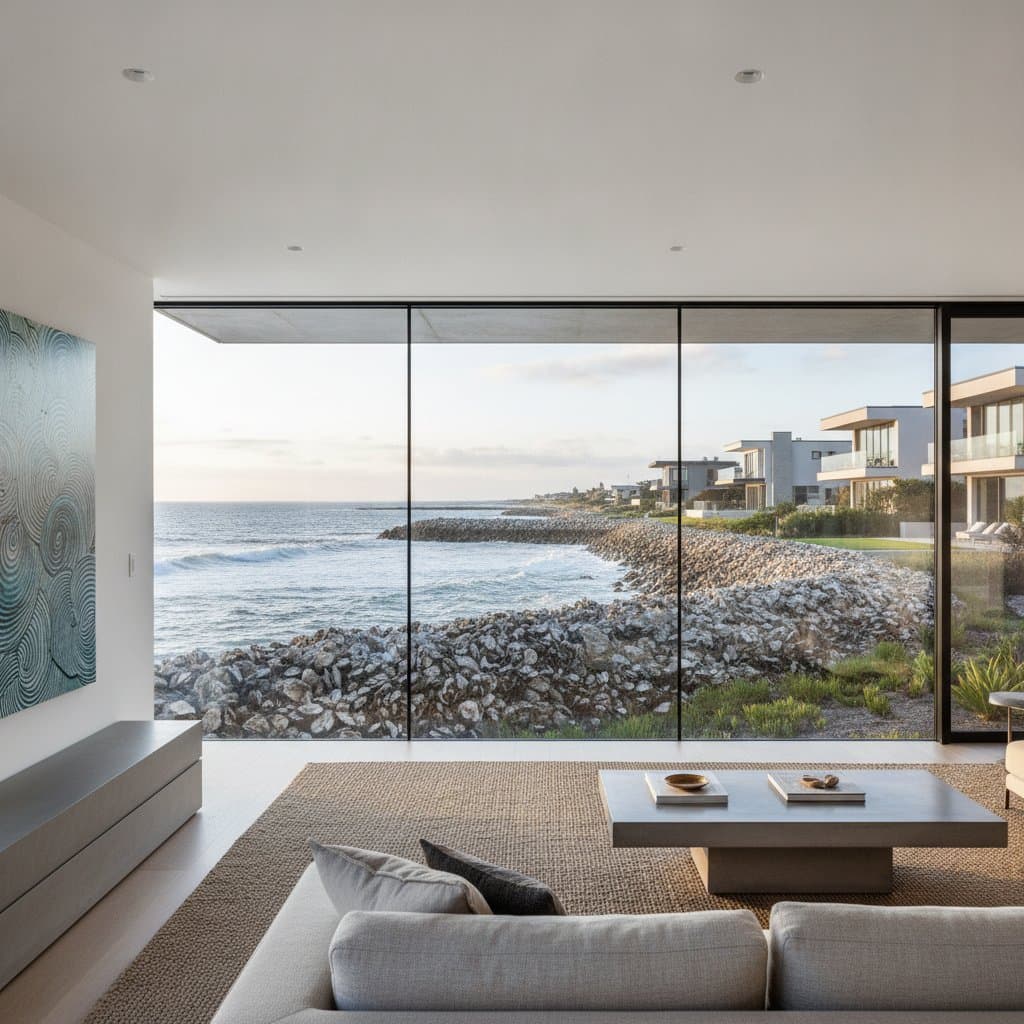
Living Seawalls That Strengthen Over Time
Oyster reefs provide a natural method for protecting waterfront properties from erosion and storm damage. These structures absorb wave energy rather than deflecting it. Homeowners gain a solution that improves over time through natural growth.
Local materials such as recycled shells or rock lower transportation expenses. Community volunteers can handle much of the labor during installation. Pairing reefs with marsh plantings or dunes increases overall effectiveness.
Performance Differences from Concrete Barriers
Traditional seawalls push water away. Oyster reefs reduce wave force by up to 80 percent before waves reach the shore. The reefs repair themselves and expand naturally. Concrete structures lose strength when exposed to constant water movement.
Reefs create habitat for fish, crabs, and birds. Concrete walls remove living space along the shoreline. The natural appearance of reefs fits coastal settings without an industrial look.
Many property owners find that lower maintenance needs and environmental gains make reefs the better long-term choice despite slower initial setup.
Steps to Reduce Project Expenses
- Participate in local restoration programs that share costs or supply volunteer help.
- Source substrate through shell recycling initiatives that provide materials at little or no charge.
- Coordinate with neighboring properties to install connected sections and lower the price per foot.
- Add a small rock sill in front of the reef to cut material volume while adding stability.
- Seek grants from coastal resilience funds that cover portions of living shoreline work.
Professional Installation Compared with Owner Efforts
Small projects near sheltered water can sometimes be completed by homeowners. Professional crews deliver designs that meet permit rules and perform reliably in higher wave conditions.
| Approach | Average Cost | Advantages | Drawbacks |
|---|---|---|---|
| DIY Installation | $50 to $100 per linear foot | Reduced expense and group participation | Permit requirements and limits on size |
| Professional Installation | $150 to $250 per linear foot | Engineered placement and regulatory compliance | Greater initial investment |
Properties facing open water benefit most from professional placement. Correct tidal elevation keeps oysters underwater for feeding yet prevents burial by sediment.
Answers to Frequent Questions
Do permits apply to reef construction?
Most coastal states require permits to safeguard navigation and water quality. Review periods last several weeks. Local offices often guide applicants through required steps.
How quickly does growth occur?
Wave protection begins as soon as the base materials are in place. Full biological development requires two to three seasons of oyster settlement and growth.
How do reefs handle severe weather?
Mature reefs absorb rather than resist storm energy. This approach avoids undermining at the base and limits structural loss over repeated events.
Do reefs draw problem species?
Reefs support desirable marine life without creating nuisance conditions. Biodiversity increases and nearby habitats gain stability.
What effect occurs on property value?
Reduced erosion, clearer water, and improved shoreline appearance can raise values between 5 and 15 percent. Annual upkeep costs also decline compared with rigid walls.
What upkeep is needed after establishment?
Established reefs sustain themselves through natural reproduction. Periodic checks confirm stability and manage excess sediment when necessary.
Protecting Property and Coastal Health
Oyster reefs deliver ongoing defense while supporting local ecosystems. Their capacity to rebuild, clean water, and foster marine life produces lasting returns that rigid barriers cannot provide.