
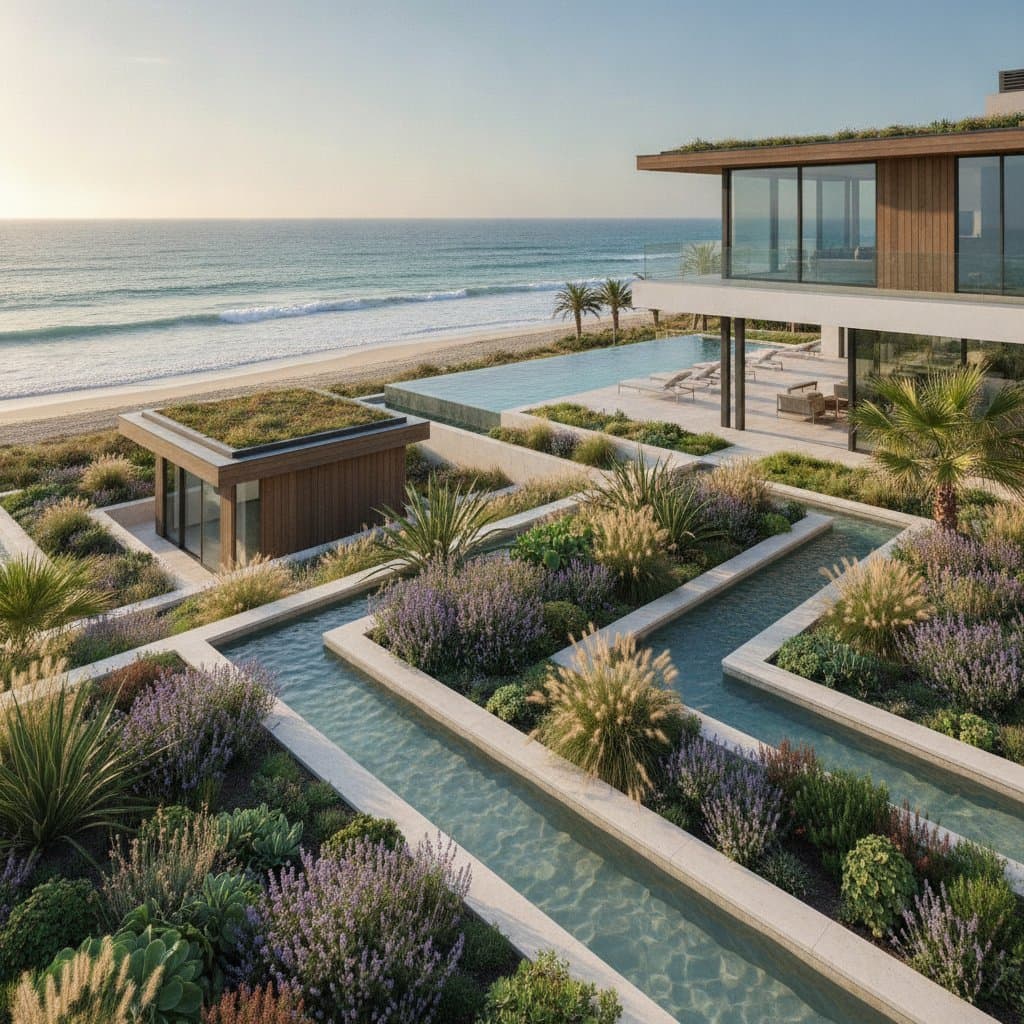
Cut Beach Home Water Bills with Tidal Irrigation
How Tidal Irrigation Reduces Costs for Coastal Properties
Living by the coast offers scenic views, yet keeping landscapes healthy often leads to high water expenses. Traditional systems draw on limited freshwater supplies. Tidal irrigation addresses this by drawing on filtered seawater and tidal movements. This approach can lower water expenses substantially for beach homeowners.
The following sections explain system operations, typical expenses, and implementation steps for properties near the shore.
Typical Installation Costs and Projected Savings
A tidal irrigation setup requires a larger initial outlay than standard sprinklers. Long term reductions in water purchases offset this difference. The table below shows representative figures for a standard coastal yard.
| System Type | Installation Cost | Annual Maintenance | Estimated Water Savings | Average ROI Period |
|---|---|---|---|---|
| Basic Tidal System | $6,000 - $9,000 | $150 - $300 | 40% - 50% | 3 - 4 years |
| Hybrid Seawater System | $9,000 - $14,000 | $250 - $400 | 50% - 60% | 2 - 3 years |
| Advanced Automated System | $14,000 - $20,000 | $400 - $600 | 60% or more | 2 - 2.5 years |
Homeowners commonly reduce annual water charges by $800 to $1,500 after conversion. The equipment recovers its cost through these ongoing reductions while supporting local water conservation.
Elements That Shape System Performance
Several site specific conditions determine both expense and results. Review each factor during planning to prevent added costs later.
- Water source salinity determines filtration strength. Higher salt levels require additional blending equipment.
- Soil type affects watering frequency. Sandy ground needs shorter cycles while clay holds moisture longer.
- Property height relative to the tide line influences pump requirements. Lower sites often operate with gravity alone.
- Automation level improves timing accuracy. Sensors tied to tide data raise upfront cost but cut waste.
- Plant choices reduce blending needs. Salt tolerant species require less freshwater adjustment.
Sustainability Advantages
Tidal irrigation supports broader environmental goals beyond household savings. It lessens pressure on municipal supplies and limits ocean discharge.
- Lower freshwater withdrawals protect community reserves in dry periods.
- On site filtration decreases nutrient loads reaching marine areas.
- Wetland style layouts create habitat for shore birds and small aquatic species.
- Gravity designs lower electricity demand compared with standard pumps.
Common Questions on Tidal Irrigation
| Question | Answer |
|---|---|
| Is tidal irrigation safe for all plants? | It performs best with salt tolerant species. Sensitive plants receive freshwater blends. |
| Can it be used on sloped properties? | Yes. Low pressure pumps or terraced basins distribute water evenly. |
| Does it require special permits? | Some coastal zones request environmental review for intake structures. |
| How often does the system need maintenance? | Clean filters several times each year and inspect pumps annually. |
| Can it run automatically? | Higher end models align with tidal cycles for hands free operation. |
Steps to Install a Tidal System
Begin with a site assessment that measures elevation, soil, and local tide range. Engage a contractor familiar with coastal permits. Select salt tolerant plants suited to your microclimate. Schedule filter maintenance at regular intervals to maintain flow rates. Monitor first year performance and adjust blending ratios as needed.
Homeowners who complete these steps report consistent landscape health alongside measurable reductions in water costs.