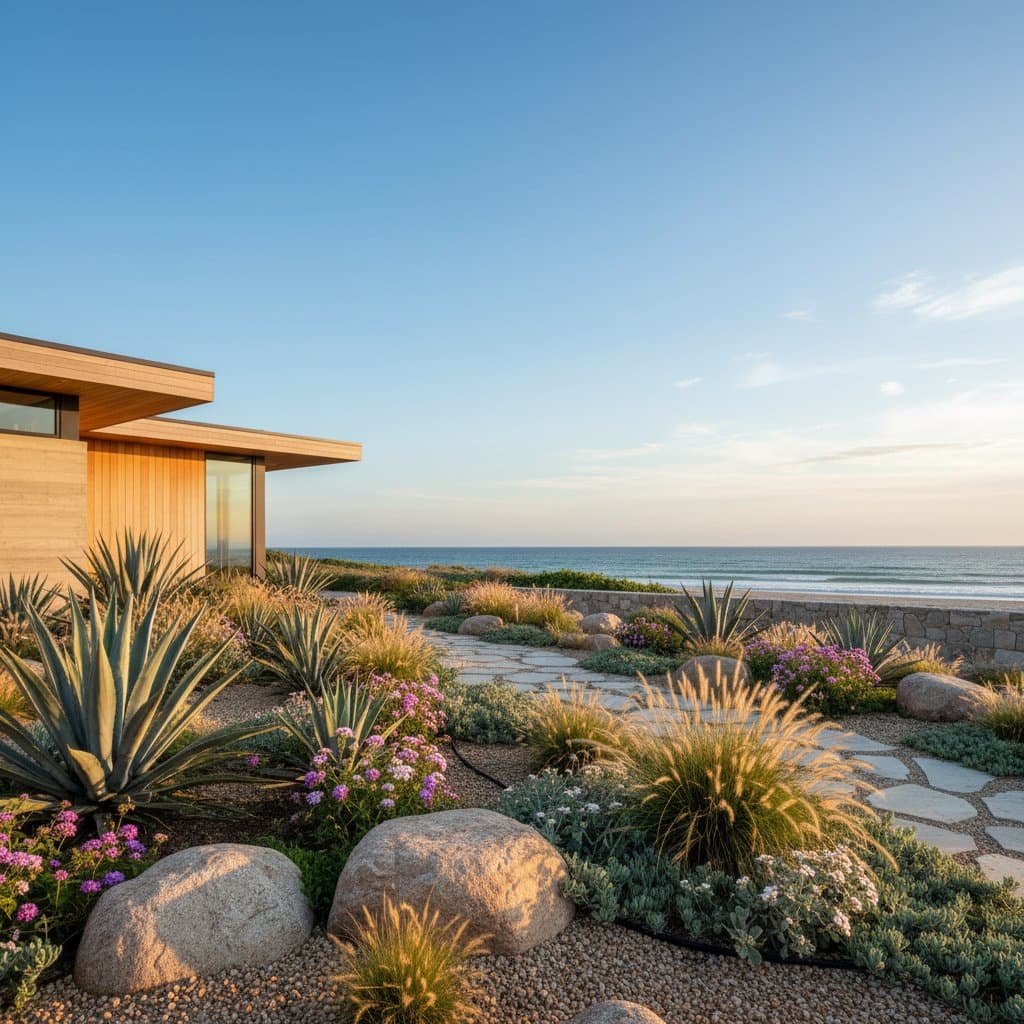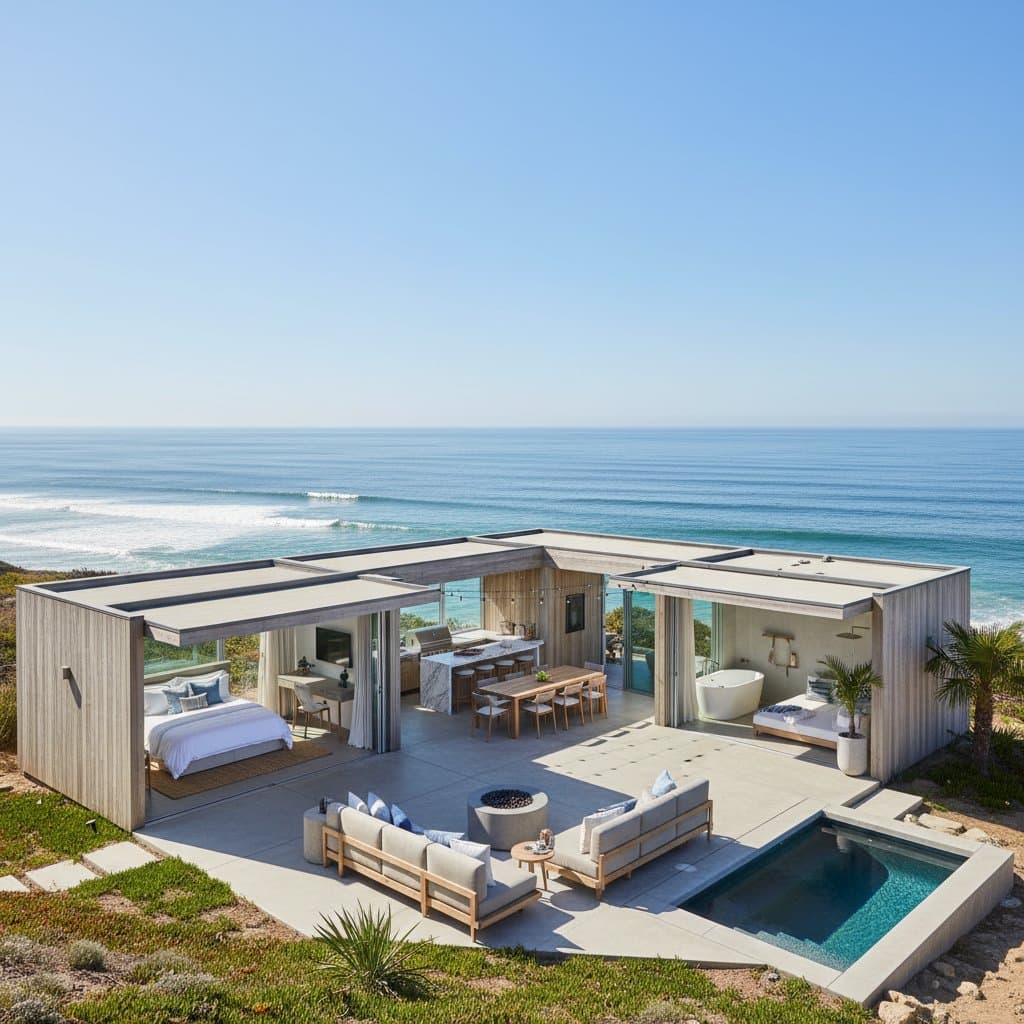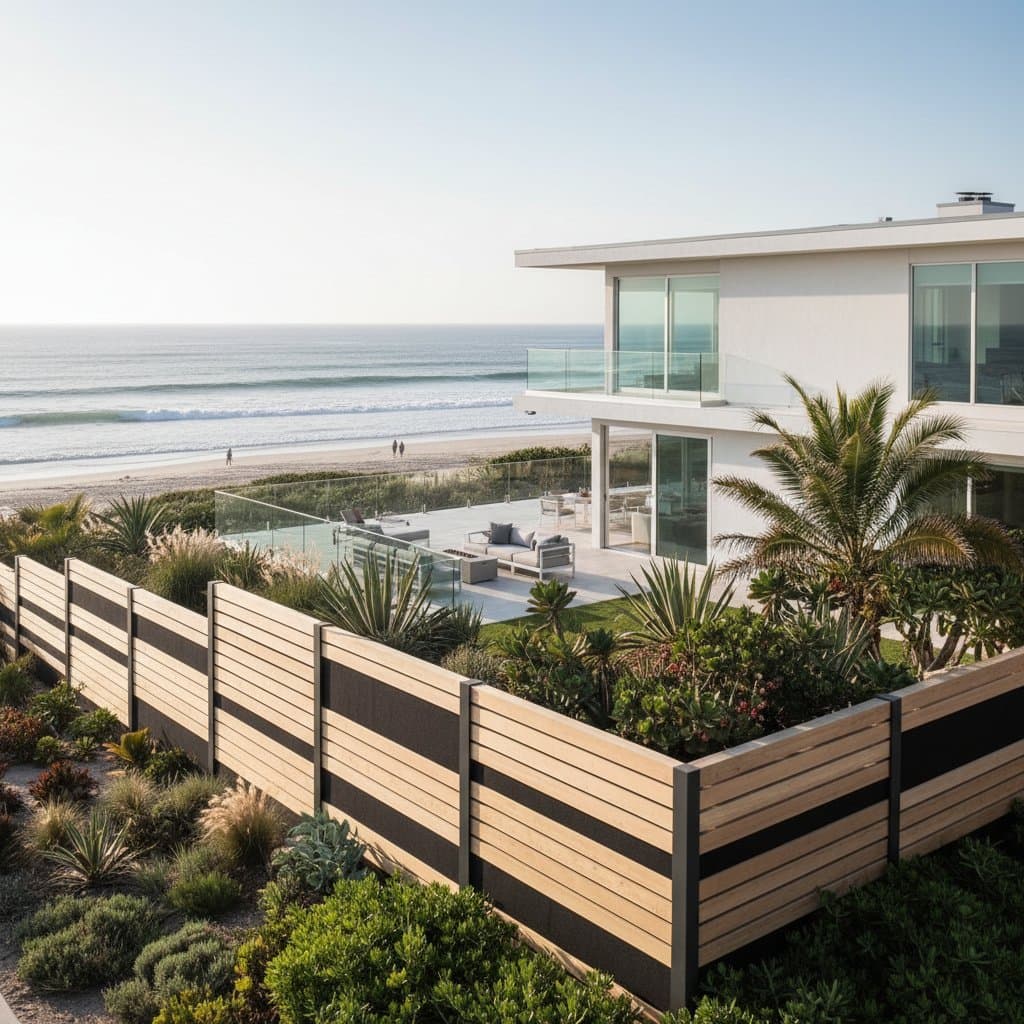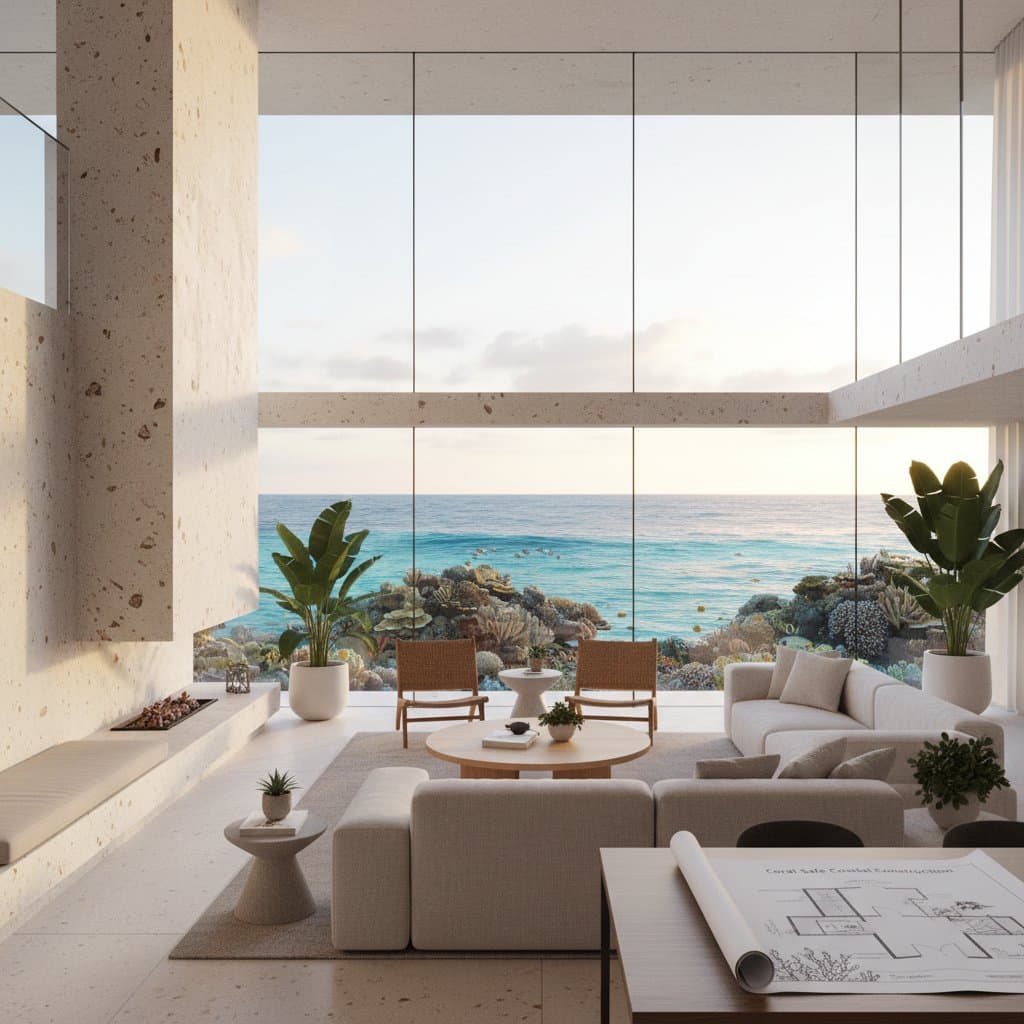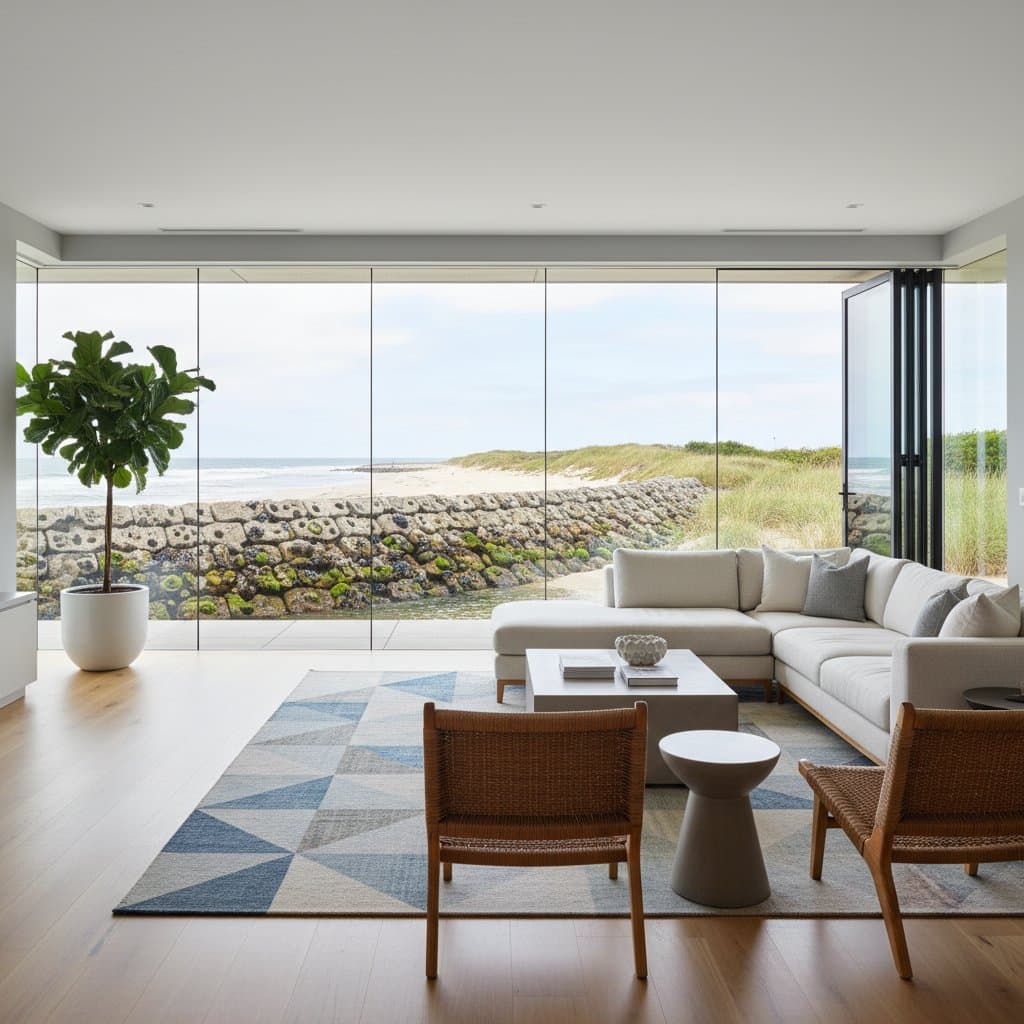
Featured image for Living Seawalls Stop Erosion 60% Better Than Concrete

Living Seawalls Stop Erosion 60% Better Than Concrete

Living seawalls outperform concrete barriers by reducing coastal erosion up to 60 percent and nurturing marine habitats. Constructed with textured, sustainable materials, they absorb waves, cut maintenance expenses, and elevate property values. Despite higher upfront costs, their durability and environmental perks position them as an ideal choice for resilient shorelines.

JJessie Landes
Read Article

Latest Articles

Featured image for Living Seawalls Blend Beauty With Marine Protection

Living Seawalls Blend Beauty With Marine Protection

Living seawalls integrate engineering with ecology to shield luxury coastlines and foster marine biodiversity. Priced at $300 to $700 per linear foot, these structures mitigate erosion, enhance water quality, and increase property values. Their natural designs offer durability and visual appeal, transforming coastal barriers into harmonious elements for homeowners who value resilience and environmental stewardship.

By Michelle Garrett
Featured image for AI Sensors Cut Coastal Maintenance Costs by 40%

AI Sensors Cut Coastal Maintenance Costs by 40%

AI-powered sensors transform coastal home remodels by providing real-time data on humidity, corrosion, and structural integrity. These systems predict issues like mold growth and salt damage, streamline maintenance, and deliver substantial cost savings. Learn about essential sensor types, installation approaches, and strategies to safeguard your seaside property effectively.

By John Allman
Featured image for Bioengineered Seawalls Save $50K on Coastal Erosion

Bioengineered Seawalls Save $50K on Coastal Erosion

Bioengineered seawalls integrate vegetation and natural materials with structural elements to defend coastlines, slash maintenance needs, and deliver up to $50,000 in savings for property owners. These innovations surpass traditional barriers by promoting biodiversity, refining water quality, and elevating aesthetic value. Learn how living seawalls redefine erosion prevention and fortify future shoreline durability.

By Jessie Landes
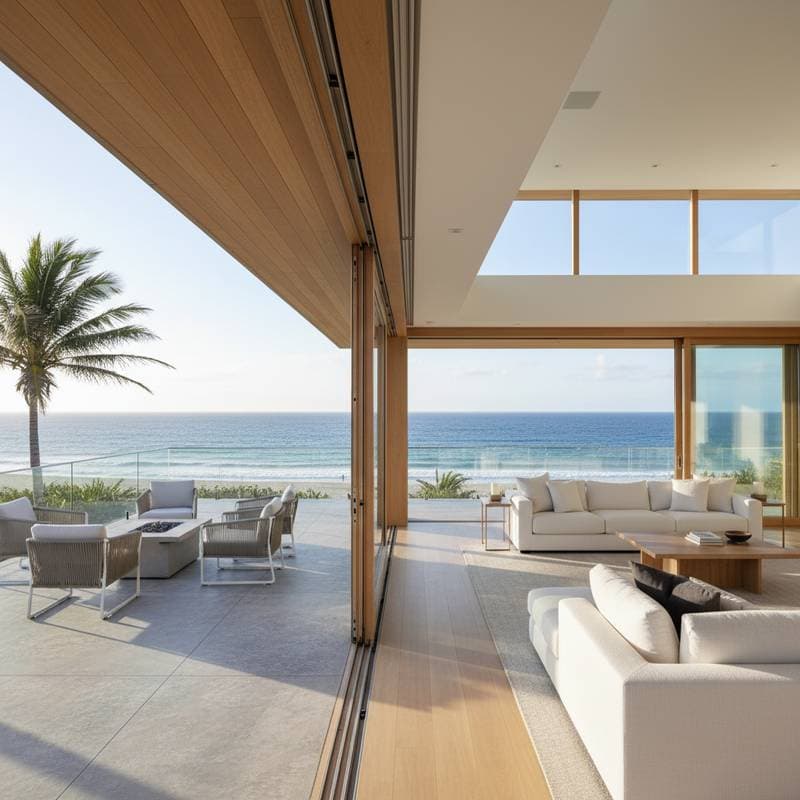
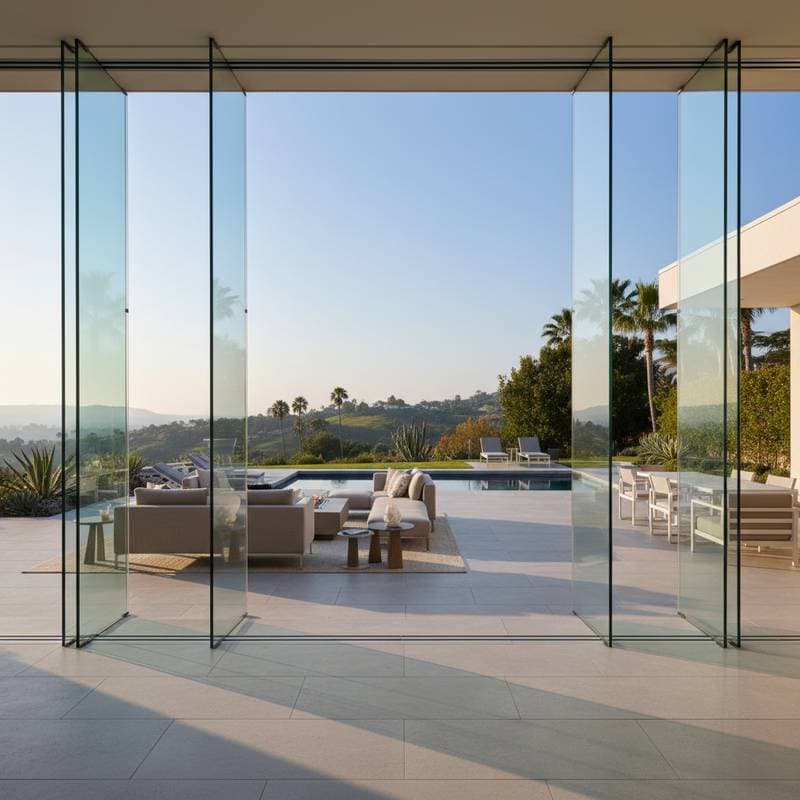
Featured image for Why Glass Railings Beat Wood on Oceanfront Decks

Why Glass Railings Beat Wood on Oceanfront Decks

Glass railings elevate oceanfront decks by providing seamless views, superior durability against coastal elements, and effortless upkeep. In contrast to wood, which succumbs to salt and humidity, glass maintains clarity and strength, ensuring safety and boosting property appeal for enduring seaside enjoyment.

By Carol Bisson
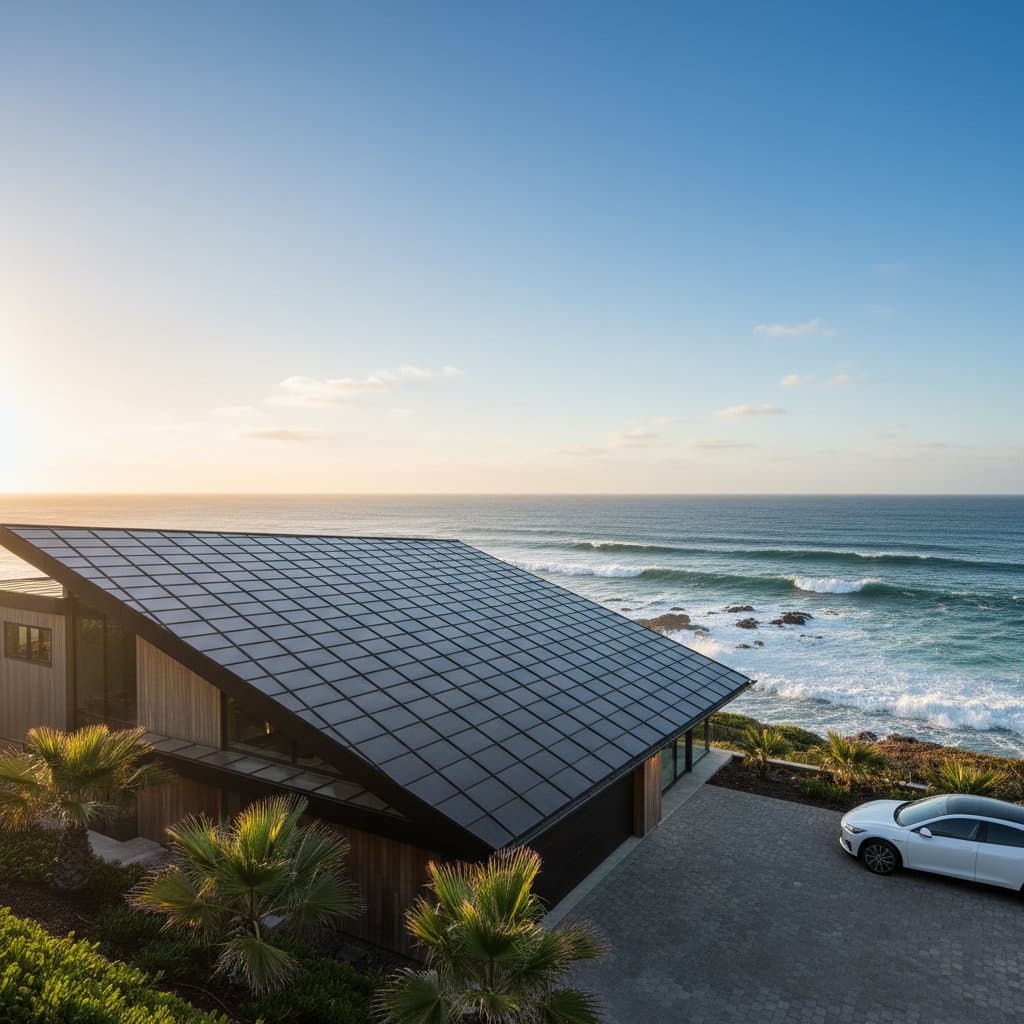
Featured image for Best Driveway Materials That Resist Salt Damage

Best Driveway Materials That Resist Salt Damage

Living by the coast offers stunning views but challenges driveways with salt spray, intense sun, and humidity. Many traditional materials like limestone deteriorate quickly under these conditions. This guide highlights the leading salt-resistant driveway options for 2026, including stamped concrete and resin-bound gravel, to help you select solutions that combine longevity, aesthetics, and affordability for superior curb appeal.

By Michelle Garrett
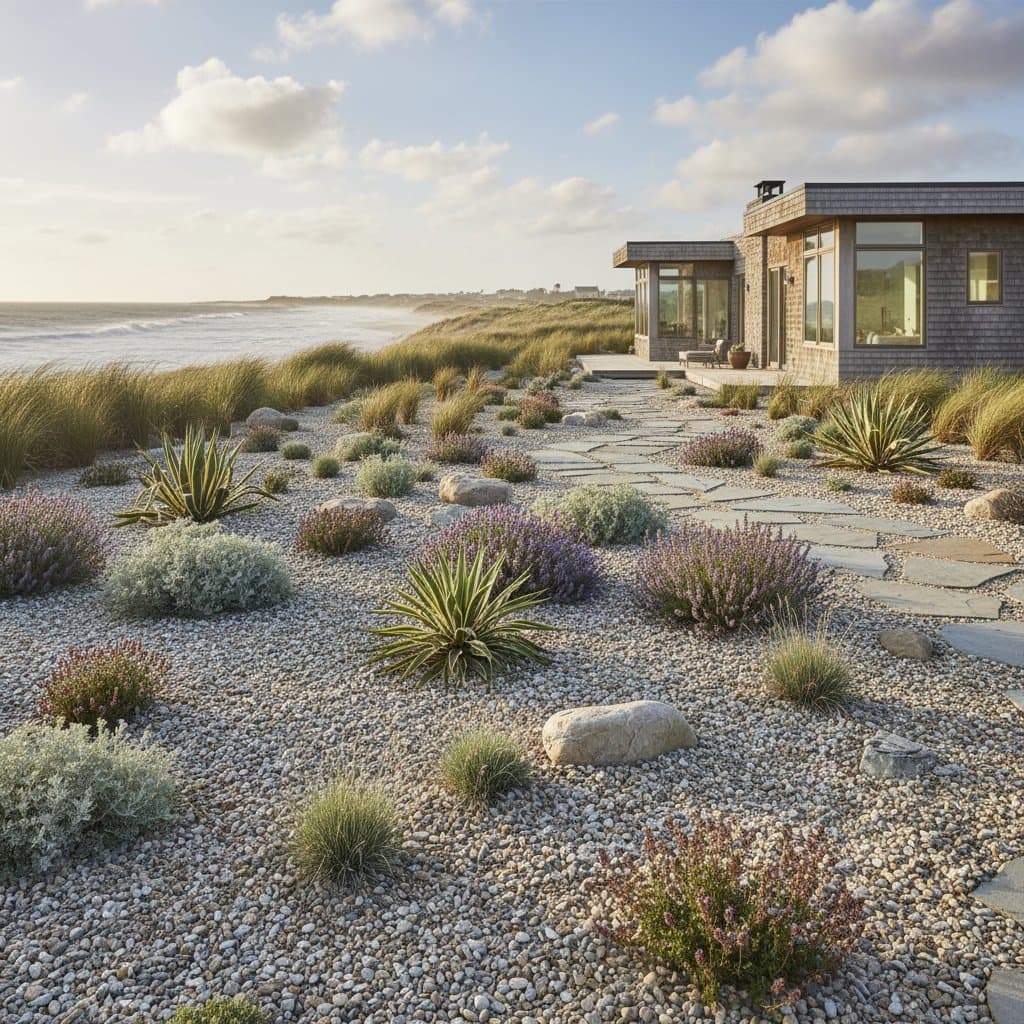
Featured image for Living Seawalls Protect Shorelines While Restoring Marine Life

Living Seawalls Protect Shorelines While Restoring Marine Life

Living seawalls integrate engineering with ecology to shield waterfront properties from erosion and revive marine ecosystems. Ranging from $250 to $1,200 per linear foot, these systems provide robust, sustainable barriers via modular panels, native vegetation, or oyster reefs. Discover influencing cost elements, installation guidance, and strategies to reduce expenses while transforming your shoreline into a vibrant ecosystem.

By John Allman
Featured image for Why Coral-Safe Decking Protects Marine Life

Why Coral-Safe Decking Protects Marine Life

Coral-safe decking revolutionizes beach home remodels through sustainable composites that endure salt, sun, and sand. Free from leaching toxins, these materials protect ocean life while offering low-maintenance beauty. Discover selection tips for an environmentally conscious outdoor upgrade.

By Jessie Landes
Featured image for Oyster Reefs Cost $50-$200 Per Foot to Protect Shores

Oyster Reefs Cost $50-$200 Per Foot to Protect Shores

Oyster reefs emerge as vital natural guardians for coastlines, curbing erosion, clarifying water, and supporting biodiversity. San Diego property owners benefit from these resilient barriers at $50 to $200 per linear foot. This guide covers reef varieties, setup strategies, and collaborative programs to fortify shores and invigorate local waters for lasting impact.

By John Allman
Featured image for Why Coastal States Now Require Tidal-Resistant Foundations

Why Coastal States Now Require Tidal-Resistant Foundations

With sea levels rising, 12 coastal states mandate tidal-resistant foundations for new builds to protect against erosion, flooding, and soil shifts. These advanced designs lower insurance premiums, ensure structural integrity, and support eco-friendly coastal development through innovative engineering and revised building codes.

By Carol Bisson
Featured image for Living Shorelines Absorb Waves While Seawalls Reflect Them

Living Shorelines Absorb Waves While Seawalls Reflect Them

Living shorelines employ natural elements such as plants and shells to defend coastlines, rehabilitate ecosystems, and boost aesthetic value. In contrast to seawalls that amplify erosion, these sustainable options dissipate wave energy, sustain wildlife, and minimize upkeep expenses, delivering a durable strategy to protect beaches and communities long-term.

By Michelle Garrett