
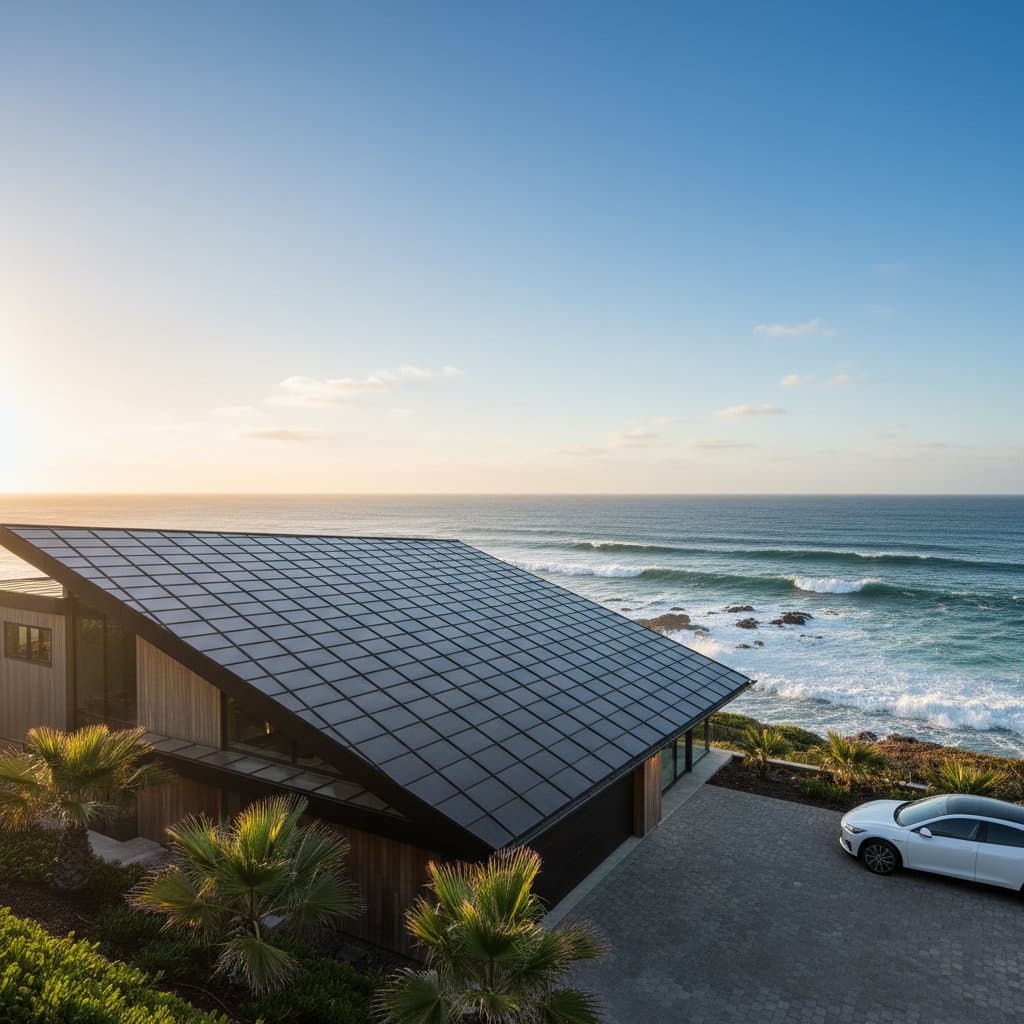
Coastal Homes Save More With Solar Shingles Than Tesla
Homeowners along coastal regions enjoy abundant sunshine but also face high energy costs and exposure to salt air that can shorten the life of traditional roofing materials. Many are turning to solar shingles as a stylish and durable alternative that produces clean energy while protecting their homes. While the Tesla solar roof has generated plenty of attention, many coastal homeowners are discovering that other solar shingle systems deliver better long-term value, lower installation costs, and simpler maintenance.
This guide explains why solar shingles are a smart investment for coastal homes, how they compare to the Tesla solar roof, and what steps to take to make the switch successfully. Readers learn about installation, durability, savings potential, and how to choose a qualified installer to ensure the investment performs for decades.
Understanding Solar Shingles
Solar shingles, also known as building-integrated photovoltaics, combine the protective function of a roof with the power-generating capability of solar panels. Instead of mounting bulky panels on top of existing roofing, these shingles replace traditional materials entirely.
How Solar Shingles Work
Each shingle contains photovoltaic cells that convert sunlight into electricity. The shingles connect through concealed wiring, creating a seamless roof that generates power quietly and efficiently. The electricity produced can power household appliances or feed excess energy back into the grid through a net metering agreement, reducing monthly utility bills.
Why They Are Ideal for Coastal Homes
Coastal regions experience intense sun, high humidity, and salt exposure. Solar shingles are built with tempered glass and corrosion-resistant coatings, making them more durable than standard panels mounted on metal frames. They also provide superior wind resistance, a key advantage in areas prone to strong coastal gusts. Their sleek, low-profile design maintains the architectural appeal of beachside homes, which often emphasize clean lines and modern aesthetics.
Comparing Solar Shingles and Tesla Solar Roofs
The Tesla solar roof helped popularize the idea of generating power directly from the roofing surface. Yet, several manufacturers now produce solar shingles that outperform Tesla systems in price, flexibility, and adaptability for coastal environments.
Installation and Compatibility
Tesla solar roofs require the complete removal of existing roofing materials, even if the roof is in good condition. This can significantly increase project costs and extend installation time. By contrast, most non-Tesla solar shingles can be installed on part of the roof or integrated with existing roofing materials. This flexibility allows homeowners to upgrade gradually or only replace damaged sections, reducing both waste and cost.
Cost Comparison
National averages show Tesla solar roofs can cost significantly more per square foot than conventional solar shingles. Exact pricing varies by roof size and complexity, but homeowners typically report savings of 20 to 40 percent when choosing alternative solar shingle systems. Keep in mind that costs fluctuate based on local labor rates, permitting fees, and electrical upgrades. Always request multiple quotes before making a decision.
Aesthetic Differences
The Tesla roof offers a uniform glass-like appearance, while other solar shingles come in several finishes that mimic asphalt, slate, or tile. This variety allows coastal homeowners to match the look of their neighborhood or HOA requirements without sacrificing energy performance.
Maintenance and Service
Non-Tesla solar shingles often use standardized components that any qualified solar technician can service. Tesla systems, by contrast, require proprietary parts and certified installers, which can limit repair options and delay service. For homeowners in remote coastal communities, access to flexible service providers is a major advantage.
Energy Savings in Coastal Climates
Maximizing Solar Production
Coastal homes benefit from high solar exposure, especially when rooflines face south or west. The consistent sunlight allows solar shingles to operate at their highest efficiency for most of the year. Even on cloudy days, modern photovoltaic technology continues to generate power, though at reduced output.
Lowering Utility Bills
Depending on system size and household consumption, many homeowners report reductions of 50 to 70 percent in monthly electricity costs after installing solar shingles. Some even produce more power than they consume, earning credit through local utility programs. Savings depend on several factors. Roof orientation and shading from trees or neighboring buildings matter. Local electricity rates and utility incentives play a role. System size and battery storage capacity also influence results. Always confirm with the utility provider how net metering credits are applied in the area.
Protecting Against Rising Energy Costs
Electricity prices have historically trended upward. By generating your own power, you insulate the household from future rate increases. This stability is particularly valuable for coastal residents who rely heavily on air conditioning and dehumidification systems.
Durability and Weather Resistance
Built for Salt Air and Moisture
Traditional solar panels often corrode in salty environments, leading to energy loss and equipment failure. Solar shingles are engineered with marine-grade materials that resist corrosion and moisture intrusion. The sealed design prevents salt deposits from forming on the electrical components.
Wind and Storm Protection
Many solar shingle brands are tested to resist winds above 100 miles per hour, making them suitable for coastal zones where severe weather is common. The interlocking design helps prevent uplift and water penetration, giving homeowners peace of mind during storms.
Longevity and Warranty Coverage
A high-quality solar shingle roof can last 25 to 30 years, comparable to or longer than a standard asphalt roof. Most manufacturers back their products with dual warranties covering both power output and physical durability. Always review the manufacturer documentation to understand what is covered and how maintenance should be performed.
Steps for Installing Solar Shingles on a Coastal Home
Assess Roof Condition
Before installation, a certified roofing contractor should inspect the existing structure. If the roof deck or underlayment shows signs of rot or water damage, repairs must be completed first. A stable base ensures long-term performance.
Choose the Right Solar Shingle System
Compare several brands and models. Look for shingles specifically rated for coastal conditions. Evaluate their efficiency ratings, warranties, and visual design. Some systems allow partial coverage of the roof, while others require full replacement.
Obtain Permits and Approvals
Most municipalities require building permits for solar roofing projects. Homes in coastal or historic districts may also need special design approval. Working with a contractor familiar with local codes simplifies this process.
Hire a Qualified Installer
Select a licensed solar contractor with experience in both roofing and electrical systems. Verify credentials, insurance coverage, and references. Ask for a detailed contract outlining labor, materials, and expected completion time.
Schedule Inspection and Activation
After installation, the system undergoes inspection to ensure compliance with building and electrical codes. Once approved, the utility company connects it to the grid, and generation of power can begin immediately.
Financial Incentives and Tax Benefits
Homeowners across the country can access federal tax credits that cover a percentage of installation costs for solar systems. Many states and local utilities also offer rebates or property tax exemptions for renewable energy upgrades. When combined, these incentives can reduce the net cost by 30 percent or more, depending on eligibility. Consult a tax professional or the installer to confirm which programs apply in the area.
Maintenance Tips for Long-Term Performance
Solar shingles require minimal upkeep, but routine care extends their lifespan and efficiency.
- Rinse with fresh water periodically to remove salt and debris.
- Inspect for cracked or discolored shingles after severe storms.
- Keep surrounding trees trimmed to prevent shading and leaf buildup.
- Schedule an annual system checkup with a qualified technician.
Avoid using harsh detergents or pressure washers, which can damage the surface coating.
Frequently Asked Questions
How do solar shingles differ from conventional solar panels?
Solar shingles replace roofing materials rather than sitting on top of them. This creates a seamless look and eliminates extra mounting hardware. They function the same way as panels by converting sunlight into electricity.
Are solar shingles suitable for older coastal homes?
Yes, but the roof structure must be inspected first. Some older homes may need reinforcement or sheathing upgrades to support the new system safely.
How much do solar shingles cost compared to Tesla solar roof?
On average, Tesla system costs substantially more due to its proprietary design and full-roof requirement. Most homeowners find that alternative solar shingles offer similar efficiency at a lower overall cost.
Can solar shingles handle high winds and salt exposure?
High-quality solar shingles are tested for coastal resilience. Many carry certifications for wind resistance and corrosion protection, making them ideal for beachside environments.
Will solar shingles increase my property value?
Homes with solar energy systems often sell for higher prices because buyers value the long-term energy savings. The increase varies by market and local energy rates.
How long do solar shingles last?
Most systems are designed for 25 years or more of service. Performance warranties typically guarantee a minimum power output throughout that period.
Do I need a battery to use solar shingles?
No, but adding a solar battery allows storage of excess energy for nighttime use or during outages. This is optional but can enhance self-sufficiency.
Planning Your Coastal Solar Upgrade
Contact local installers for site assessments and compare detailed proposals from at least three providers. Review warranty terms and coastal-specific ratings before signing any agreement. This approach secures reliable performance and maximizes returns on the investment.