
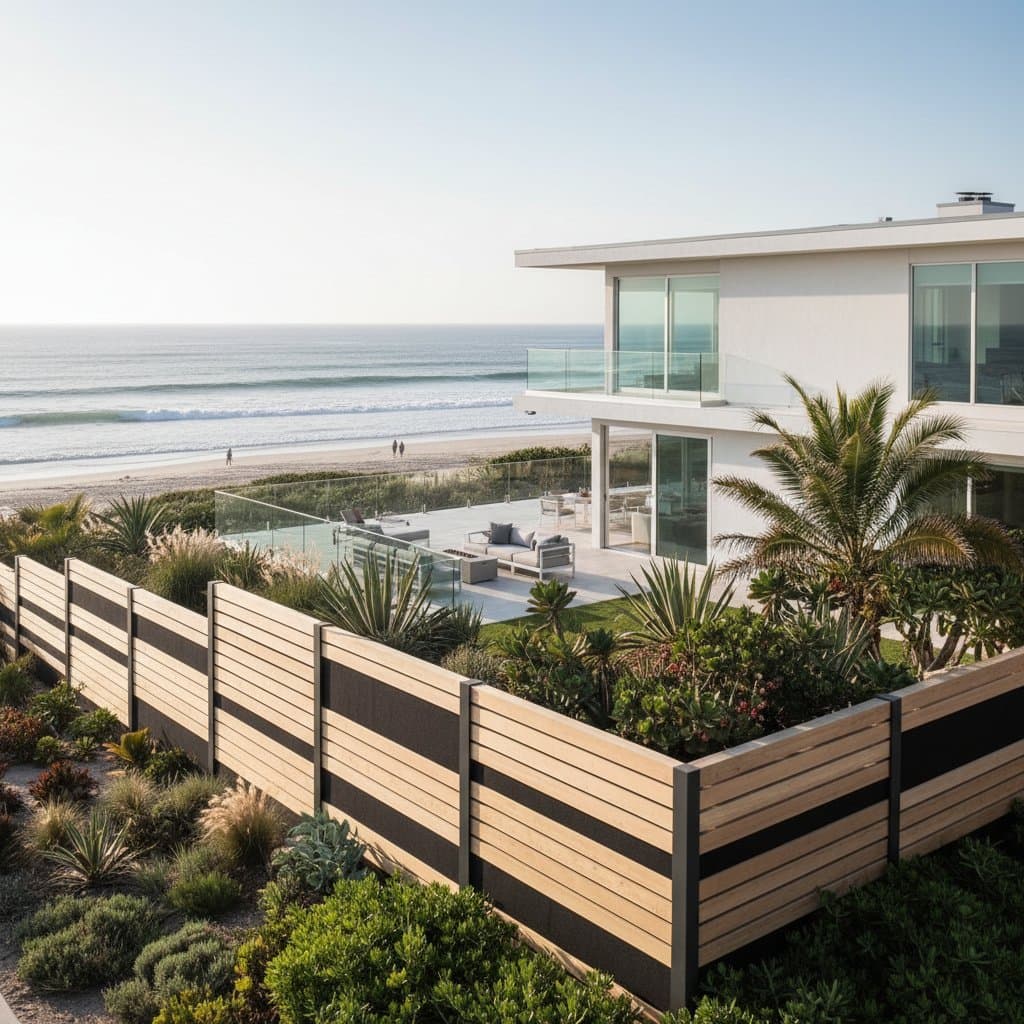
Acoustic Fencing Reduces Beach Noise by Up to 60 Percent
Acoustic fencing transforms coastal living by cutting beach noise by up to 60 percent. This solution creates a quieter outdoor space for homeowners near active shorelines. Residents who enjoy ocean views often seek relief from the ongoing sounds of waves, crowds, and traffic.
How Acoustic Fencing Performs in Coastal Settings
Acoustic fencing uses dense, sound-absorbing materials to block and diffuse noise before it reaches yards or patios. These barriers reduce sound energy from beachgoers, parking areas, and oceanfront roads. Traditional wood or vinyl fences allow sound to pass through or reflect, which limits their effectiveness against coastal noise.
The construction makes the difference. Acoustic fences incorporate layered panels, mineral wool cores, and sealed joints that trap sound waves. Proper installation lowers ambient noise levels by up to 60 percent. This change improves comfort in both outdoor relaxation areas and indoor living spaces.
Cost and Installation Details
Costs for acoustic fencing depend on materials, design, and length. Homeowners typically spend between 45 and 90 dollars per linear foot, including installation. This price exceeds standard fencing, yet the gains in comfort and property value justify the investment for many coastal properties.
| Fence Type | Material | Average Cost per Linear Foot | Estimated Noise Reduction |
|---|---|---|---|
| Timber Acoustic Panels | Treated wood with sound core | 45 - 65 dollars | 40 - 55 percent |
| Composite Acoustic Fence | Recycled composite with insulation | 60 - 80 dollars | 50 - 60 percent |
| Masonry with Acoustic Inserts | Concrete or brick with soundproofing | 70 - 90 dollars | 55 - 60 percent |
Professional installers should handle the work. They ensure proper sealing, height, and placement to achieve maximum sound reduction.
Conditions That Affect Results
Several factors determine how well acoustic fencing performs. Homeowners should evaluate these elements before moving forward.
Recommended Height and Placement
The fence must block the direct line between the noise source and the listener. A height of six to eight feet suits most residential applications. Placement close to the noise source yields the strongest results.
Material Density and Construction
Heavier and denser materials deliver superior sound insulation. Layered timber, composite, and masonry panels outperform lightweight vinyl or metal options.
Sealing and Ground Contact
Openings reduce effectiveness. Small gaps between boards or beneath the fence allow sound to pass. Professional sealing at ground level preserves acoustic performance.
Additional Advantages for Coastal Properties
Noise control stands as the primary benefit. Acoustic fencing also delivers other practical gains.
- Improved privacy through solid, tall panels that create visual separation from walkways and beaches.
- Enhanced durability from weather-resistant materials suited to salt air and moisture.
- Better energy efficiency because reduced outdoor noise allows indoor HVAC systems to run more quietly.
- Higher property value from a quieter and more private outdoor area that appeals to buyers.
Lower-Cost Options and Phased Approaches
Partial acoustic solutions work for tighter budgets. Soundproof panels installed only on the beach-facing side provide noticeable improvement. Dense vegetation barriers complement existing fences. Modular DIY kits allow gradual upgrades without full contractor involvement.
Common Questions on Coastal Acoustic Fencing
Can acoustic fencing eliminate all beach noise?
No fence removes every sound. High-quality acoustic fencing reduces noise by up to 60 percent and raises overall comfort levels.
Which material suits coastal environments best?
Composite and treated timber panels resist moisture and salt while retaining soundproofing ability.
What maintenance does acoustic fencing require?
The system needs little upkeep. Occasional cleaning and seal inspections maintain performance over time.
Creating a Quieter Coastal Outdoor Space
Acoustic fencing allows homeowners to enjoy ocean breezes and views with less background noise. Full professional installation or a staged DIY plan both lead to a calmer and more private setting that preserves beach appeal.