
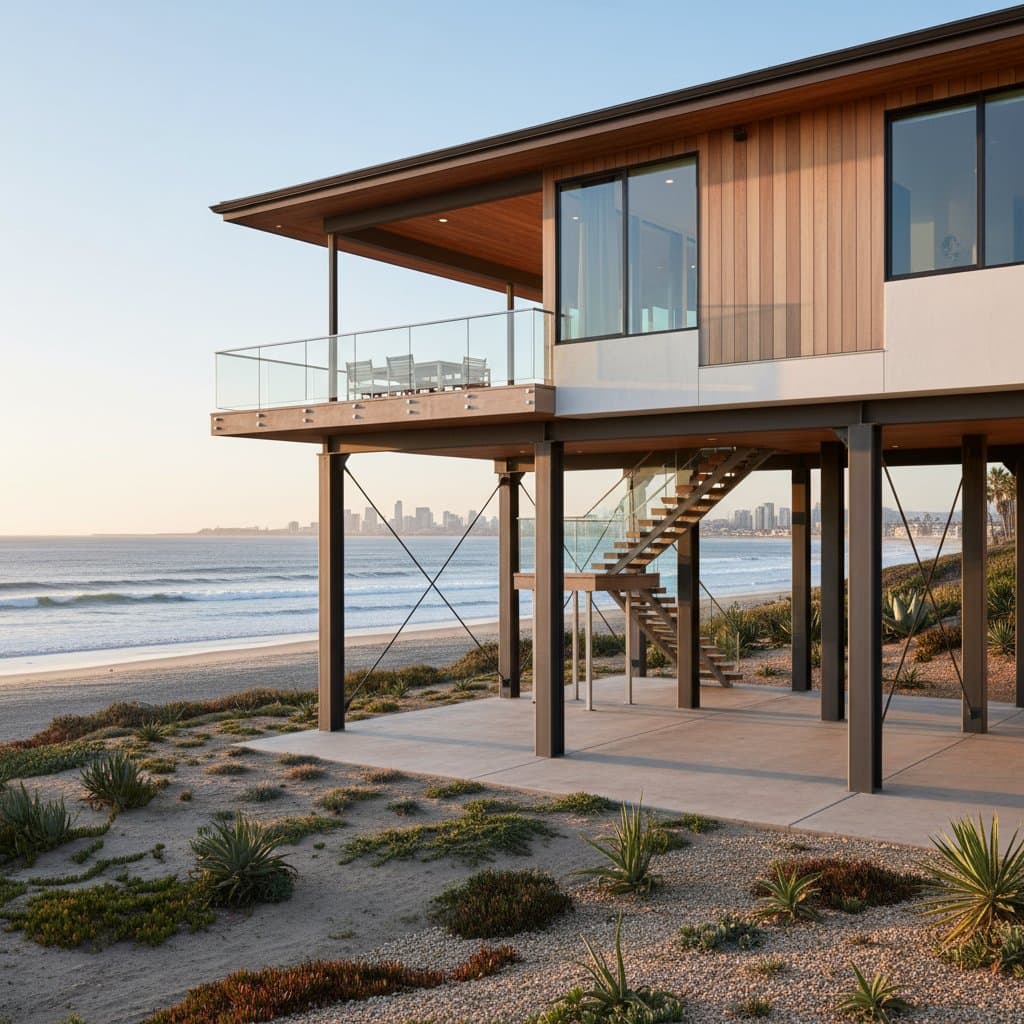
Understanding the Costs of Elevating Coastal Homes in 2026
Coastal properties in California face increasing threats from rising sea levels, intense storms, and erosion. Home elevation serves as a proven strategy to mitigate these risks, positioning structures above anticipated flood zones. This approach not only safeguards assets but also qualifies owners for reduced insurance premiums and compliance with updated building standards.
In San Diego, the expense for such projects varies based on several elements, including the existing foundation, necessary lift height, and environmental factors. Homeowners typically invest between $80,000 and $250,000, with many projects averaging $150,000. Although substantial, this upfront cost often offsets potential damages that could reach six figures or more during major flood events.
Engaging certified structural engineers and foundation specialists proves essential for complex coastal elevations. Obtaining multiple detailed quotes allows owners to grasp the full project scope, anticipate unforeseen challenges, and select contractors experienced in marine-influenced environments.
Key Factors Influencing Elevation Expenses
Home elevation demands comprehensive planning, from initial assessments to final installations. Beyond basic lifting, projects incorporate reinforced foundations, compliance with seismic and flood regulations, and integration with existing utilities. The following elements drive cost variations:
1. Foundation Type
Slab foundations, common in many coastal builds, present higher challenges and expenses compared to pier-and-beam setups. For slab homes, crews often sever the structure from its base, install temporary supports, and pour new pilings or elevated slabs. This process adds $20,000 to $40,000 to the total, depending on the home's size and soil composition.
2. Required Elevation Height
The degree of lift directly correlates with complexity and price. Elevating a structure by two to three feet might commence at $80,000, covering basic hydraulic jacking and minimal foundation work. Projects demanding eight feet or higher, often necessitated by FEMA flood maps, surpass $200,000 and include extensive modifications such as extended utility lines, reinforced access points, and redesigned exterior features like stairs or retaining walls.
3. Home Size, Weight, and Materials
Larger residences or those constructed with dense components, such as concrete block walls or slate roofing, require more robust equipment and labor. Contractors calculate costs at approximately $20 to $30 per square foot for standard elevations. For a 2,000-square-foot home, this translates to a baseline of $40,000 to $60,000, excluding additional customizations.
4. Site Accessibility and Terrain Challenges
Coastal lots frequently feature limited space, steep inclines, or proximity to bluffs, complicating equipment deployment. Inaccessible sites demand specialized machinery, like compact cranes or helicopter-assisted material transport, increasing expenses by 10 to 20 percent. Unstable soils, prevalent in sandy or clay-heavy areas, necessitate geotechnical evaluations and stabilization measures, such as deep pilings or grout injections.
5. Permitting, Engineering, and Compliance
Regulatory hurdles form a critical component of any elevation. Structural engineers produce detailed blueprints, while elevation certificates verify compliance with flood insurance requirements. San Diego's permitting process, including environmental reviews for coastal zones, incurs fees of $5,000 to $15,000. Delays from revisions or public hearings can extend timelines and inflate administrative costs.
Weighing DIY Approaches Against Professional Services
Attempting home elevation independently poses significant dangers, including structural instability and code violations. The process relies on calibrated hydraulic systems to lift entire buildings uniformly, averting cracks or collapses. Novice efforts often lead to costly repairs or safety hazards.
Professional teams bring expertise in synchronized lifting techniques, temporary bracing, and integration with local ordinances. They manage utility shutdowns, coordinate with inspectors, and ensure seamless transitions for plumbing, electrical, and HVAC systems. Owners can contribute to savings by overseeing non-structural tasks, such as repainting exteriors or replanting native drought-resistant landscaping post-project.
Ensuring Long-Term Durability and Maintenance
Post-elevation, proactive care sustains the structure's integrity against coastal stressors. Annual inspections by qualified engineers detect foundation shifts, corrosion from saltwater exposure, or erosion beneath elevated platforms. Effective drainage solutions, including French drains or swales, channel rainwater away from the foundation, reducing hydrostatic pressure.
Coastal humidity accelerates wear on metal elements, so owners should prioritize galvanized or stainless-steel hardware replacements. Clearing debris from underfloor vents prevents mold growth, while sealing joints with marine-grade caulk fortifies against moisture intrusion. These practices not only prolong the lifespan of the elevation but also maintain eligibility for flood insurance discounts.
Common Questions About Home Elevation
How Long Does the Elevation Process Typically Last?
Projects span two to four months, encompassing site surveys, permitting, lifting, and finishing touches. Inclement weather, supply chain disruptions, or complex soil remediation can prolong this period by several weeks. Early engagement with contractors facilitates smoother scheduling.
Do Utilities Require Disconnection During Elevation?
Affirmative. All major services—gas, water, electricity, and sewage—undergo safe disconnection to avoid damage during the lift. Reconnection involves specialized technicians and often adds $3,000 to $8,000, including upgrades to elevated routing and pressure adjustments for coastal wind loads.
Steps to Initiate Your Elevation Project
Commencing a home elevation requires strategic preparation to maximize protection and value retention. Start with a professional flood risk assessment using updated sea-level projections and local hazard maps. Consult elevation specialists to model scenarios, budget accurately, and explore financing options like FEMA grants or low-interest loans for resilient upgrades.
Secure commitments from vetted contractors through verified references and portfolio reviews of similar coastal work. Monitor progress with milestone checkpoints to address issues promptly. Ultimately, this investment fortifies your home against climate uncertainties, ensuring enduring security and financial stability.