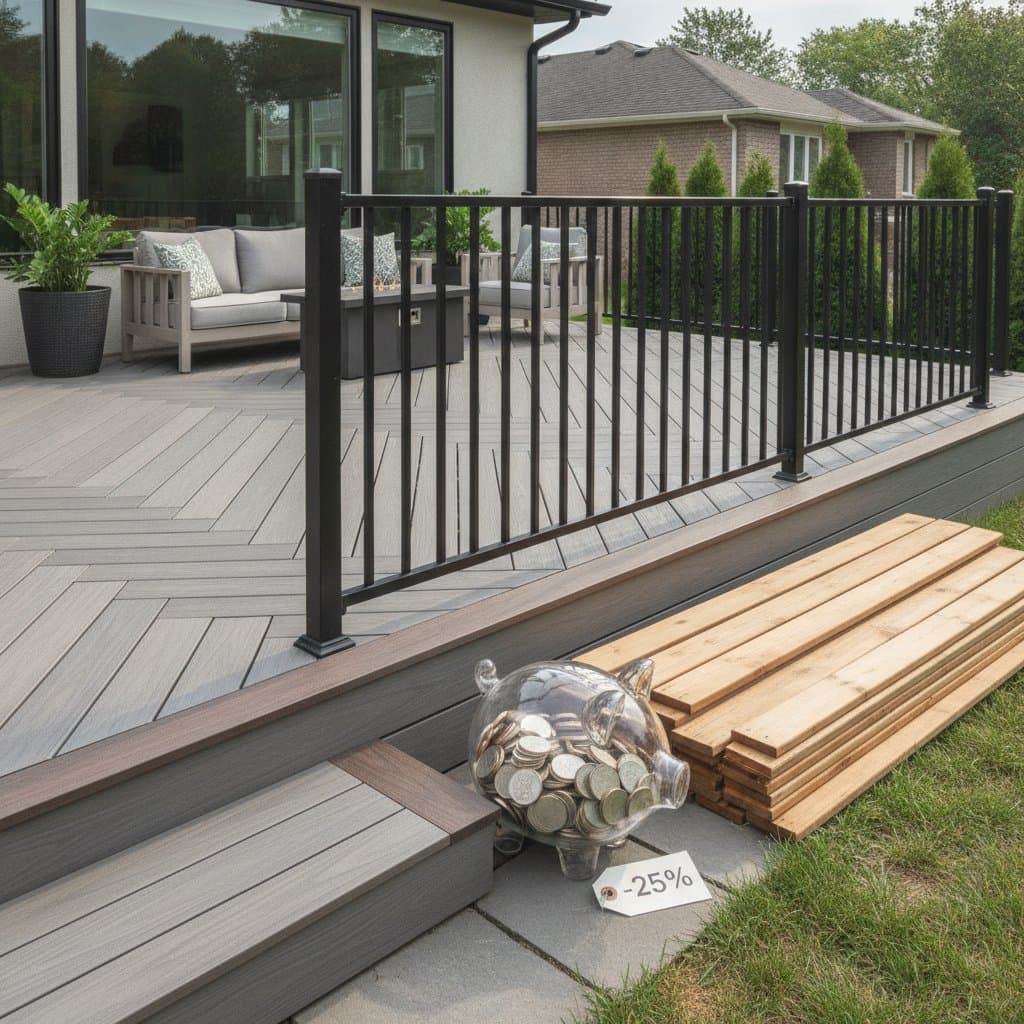
Why Coastal Homeowners Are Ditching Wood Decks
Coastal conditions damage wood decks quickly. Modular composite tiles resist salt, moisture, and fading while offering simple installation, cooler surfaces, and lower long-term costs.
Loading...
Articles tagged with composite
Coastal conditions damage wood decks quickly. Modular composite tiles resist salt, moisture, and fading while offering simple installation, cooler surfaces, and lower long-term costs.
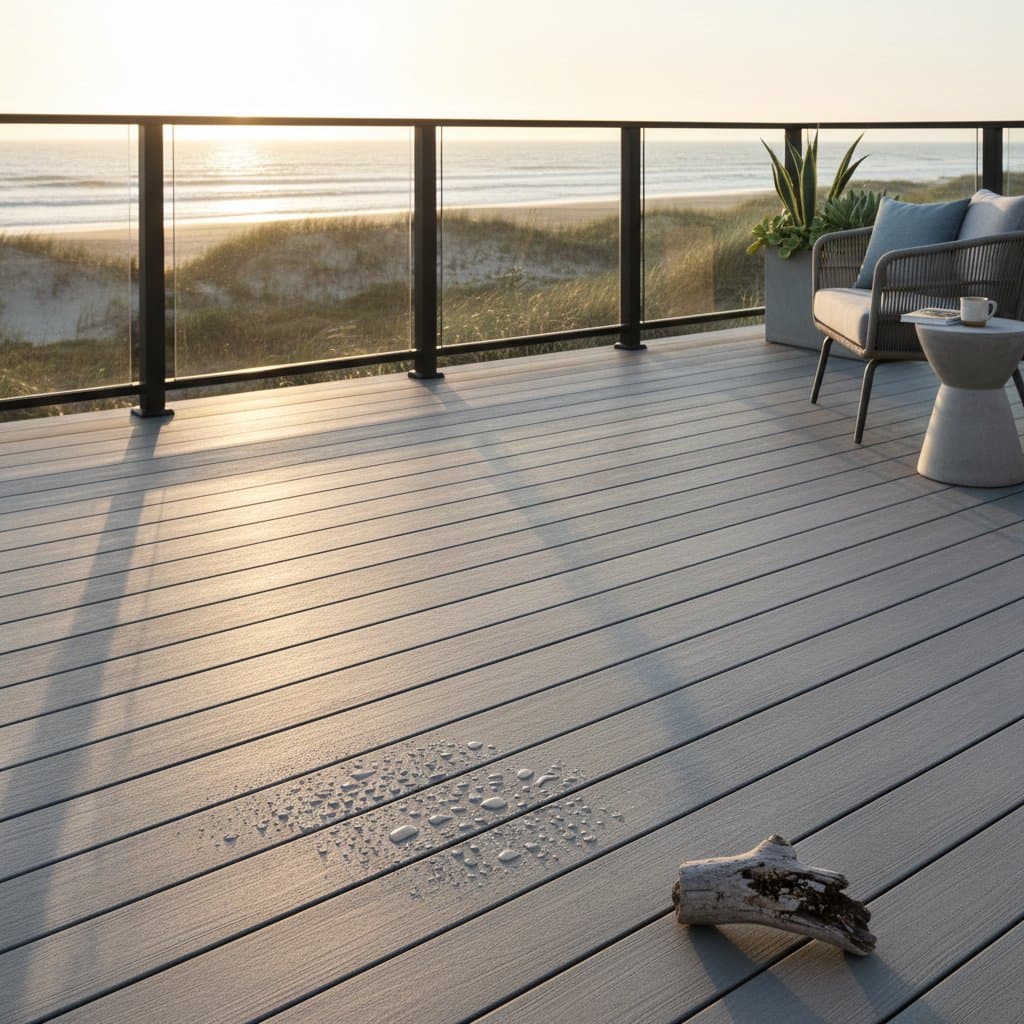
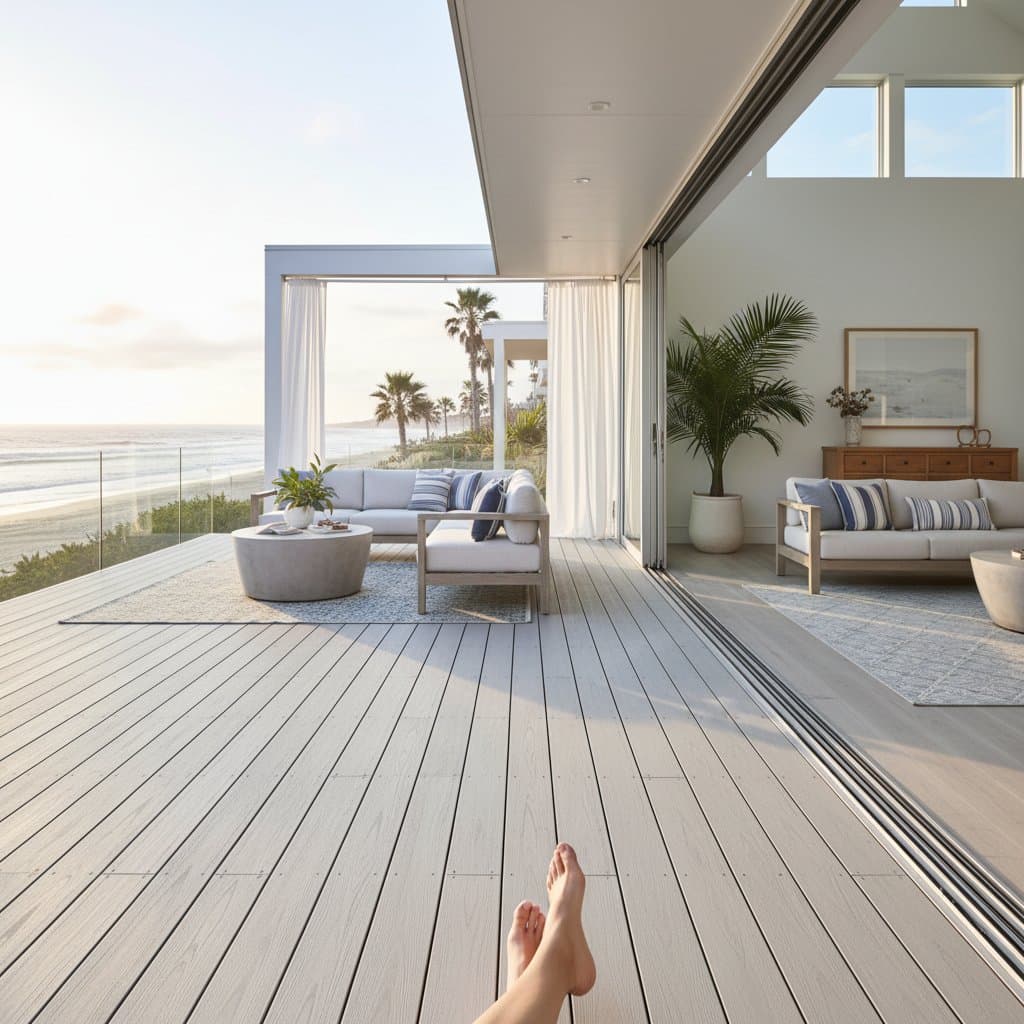
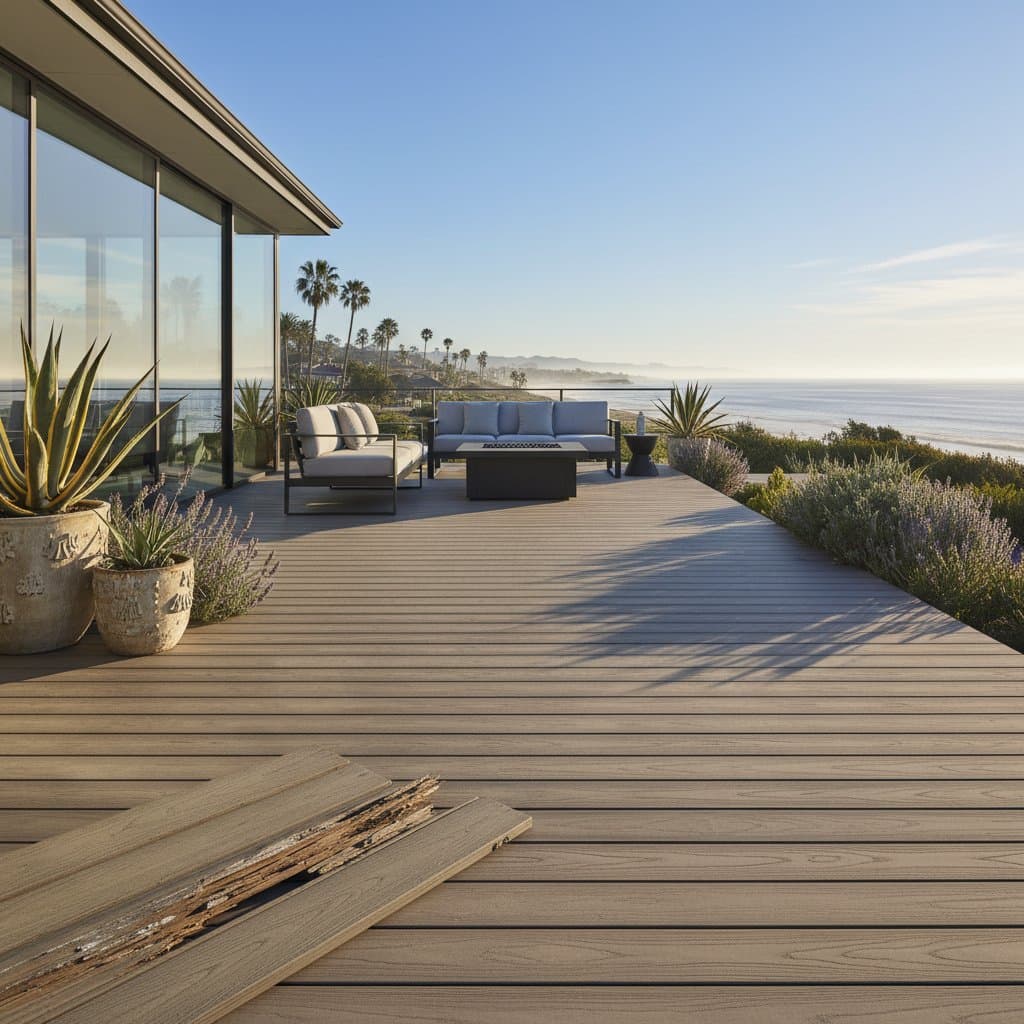
Seaside decks confront relentless salt, moisture, and UV exposure, demanding smart material selection. Composite decking endures far beyond treated wood by resisting decay, color loss, and distortion while demanding little care. Despite higher initial costs, it yields enduring value, environmental advantages, and sustained elegance, explaining its rising popularity among coastal residents for reliable outdoor retreats.
Coral-safe decking revolutionizes beach home remodels through sustainable composites that endure salt, sun, and sand. Free from leaching toxins, these materials protect ocean life while offering low-maintenance beauty. Discover selection tips for an environmentally conscious outdoor upgrade.
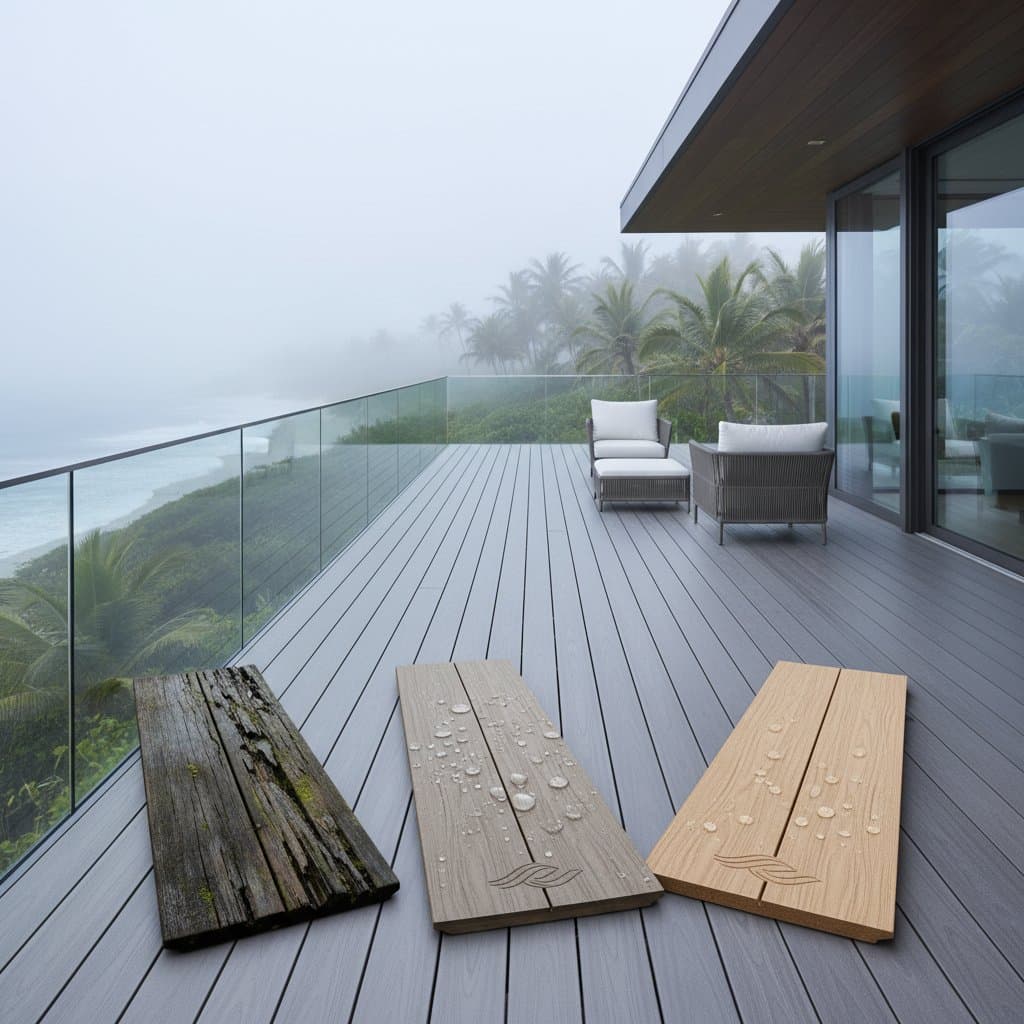
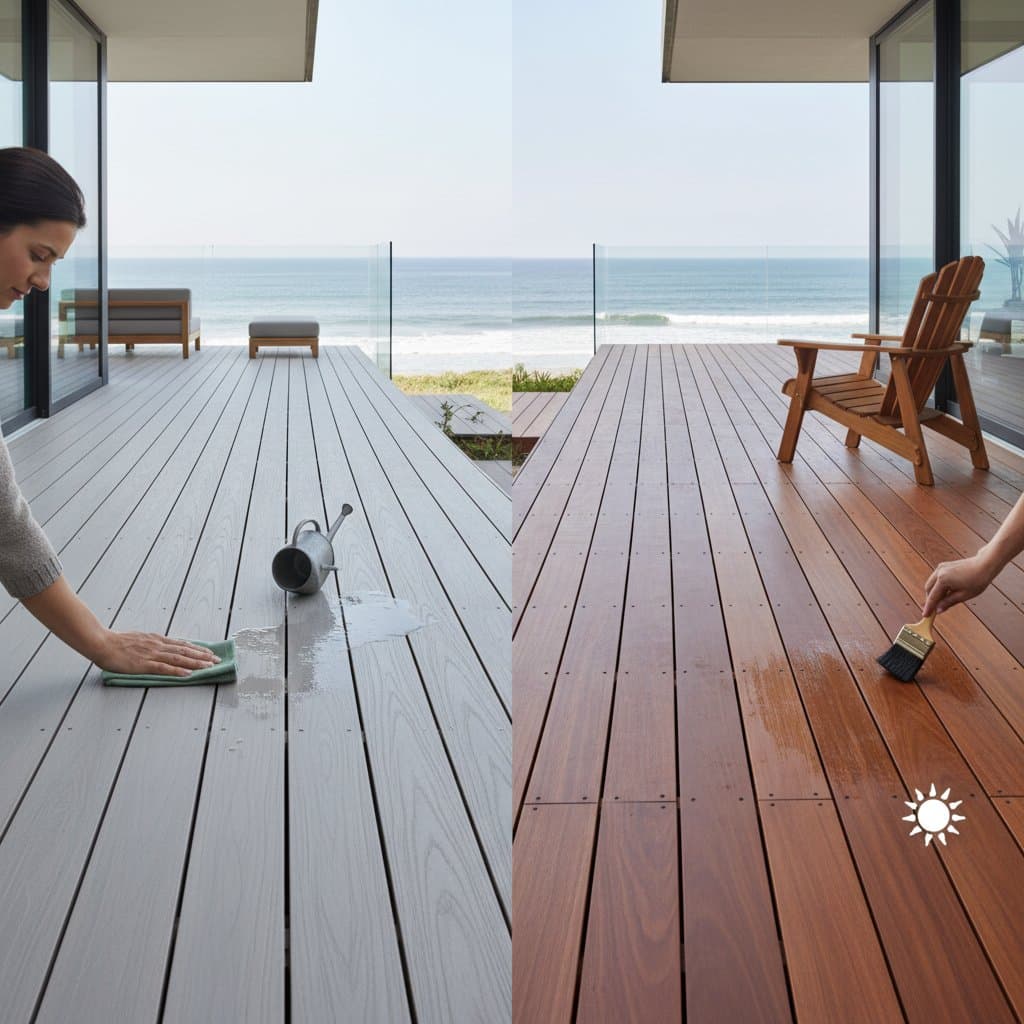
In humid coastal areas, composite decking surpasses wood by up to three times in longevity, shrugging off rot, warping, and color loss. Despite a higher initial price, its low-maintenance design and extended durability position it as a wise, sustainable choice. Ideal for seaside properties, this material provides years of reliable performance and aesthetic appeal with little effort.
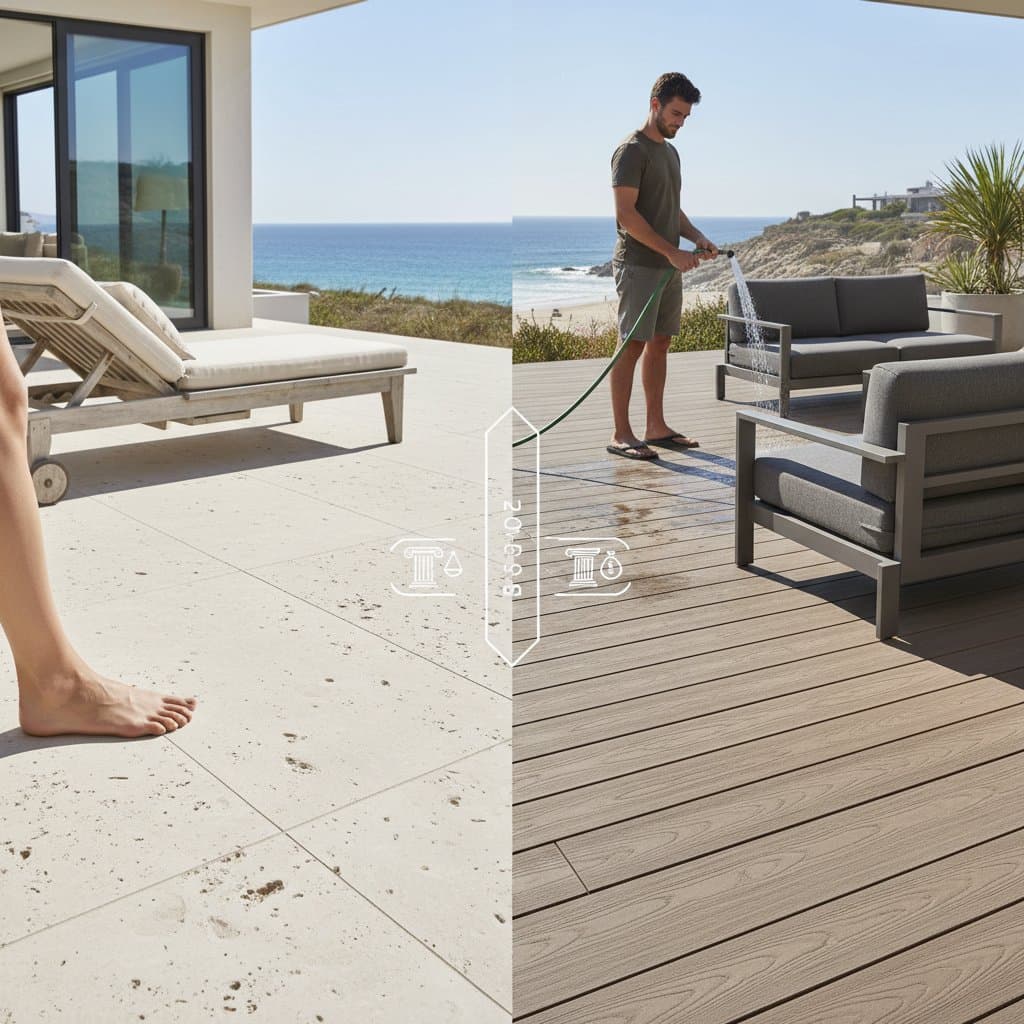
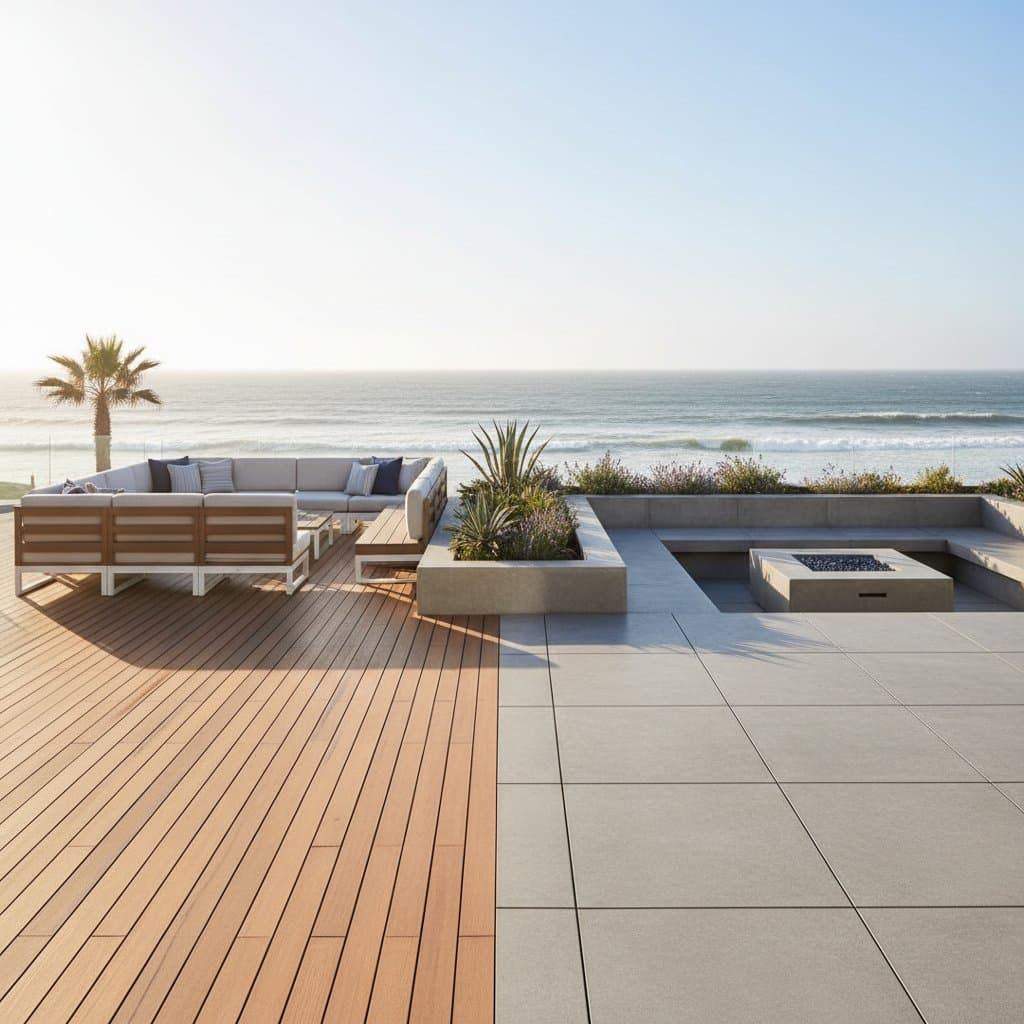
For 2026 coastal decks, limestone provides elegant, heat-resistant charm at $28 per square foot on average, while composite offers durable, easy-care performance at $20. Evaluate expenses, weather resilience, and upkeep to match your home's needs and build a lasting outdoor retreat.
Upgrade your 2026 coastal patio with informed choices. This guide contrasts composite decking and concrete in terms of cost, resilience to seaside elements, lifespan, and budgeting advice for optimal outdoor value.
Coral-safe composite decking now outsells traditional wood by a ratio of three to one, thanks to its superior durability, reduced upkeep, and commitment to environmental protection. Despite a higher initial price tag, this material delivers substantial long-term savings and safeguards nearby marine ecosystems. This guide examines costs, design options, installation considerations, and strategies to optimize your coastal deck investment.
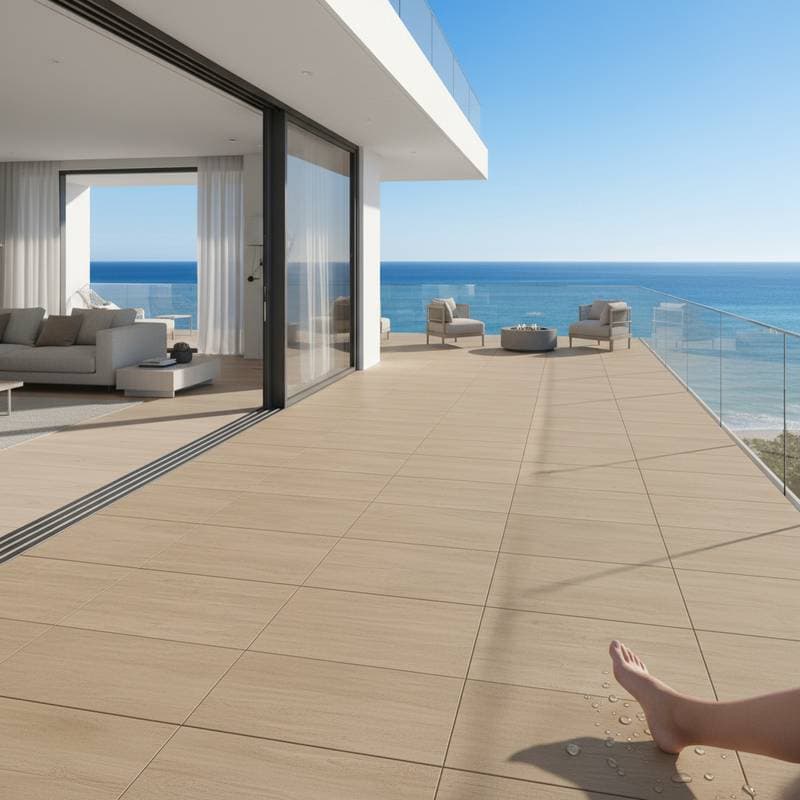
Learn how advanced composite decking maintains cool temperatures in coastal homes, offering durability against sun, salt, and moisture. Delve into heat science, budget planning, material selection, installation best practices, and maintenance for a comfortable, long-lasting beach deck.
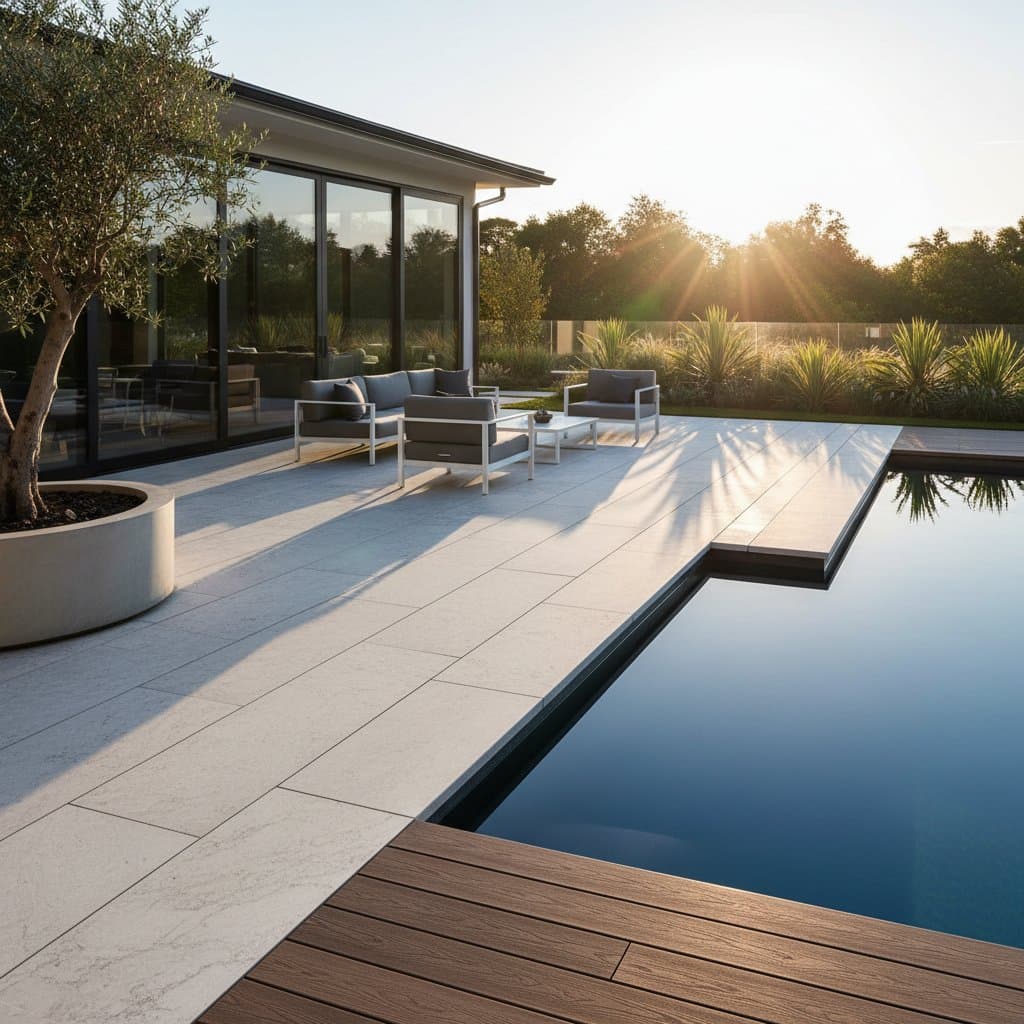
In 2025, quartz decking emerges as a smart choice for outdoor enhancements, delivering 30% savings over composite options. This material provides the allure of natural stone, exceptional longevity, and simple care, perfect for decks, patios, and pool areas. Learn about pricing details, installation approaches, and effective strategies to maximize value in your outdoor projects.
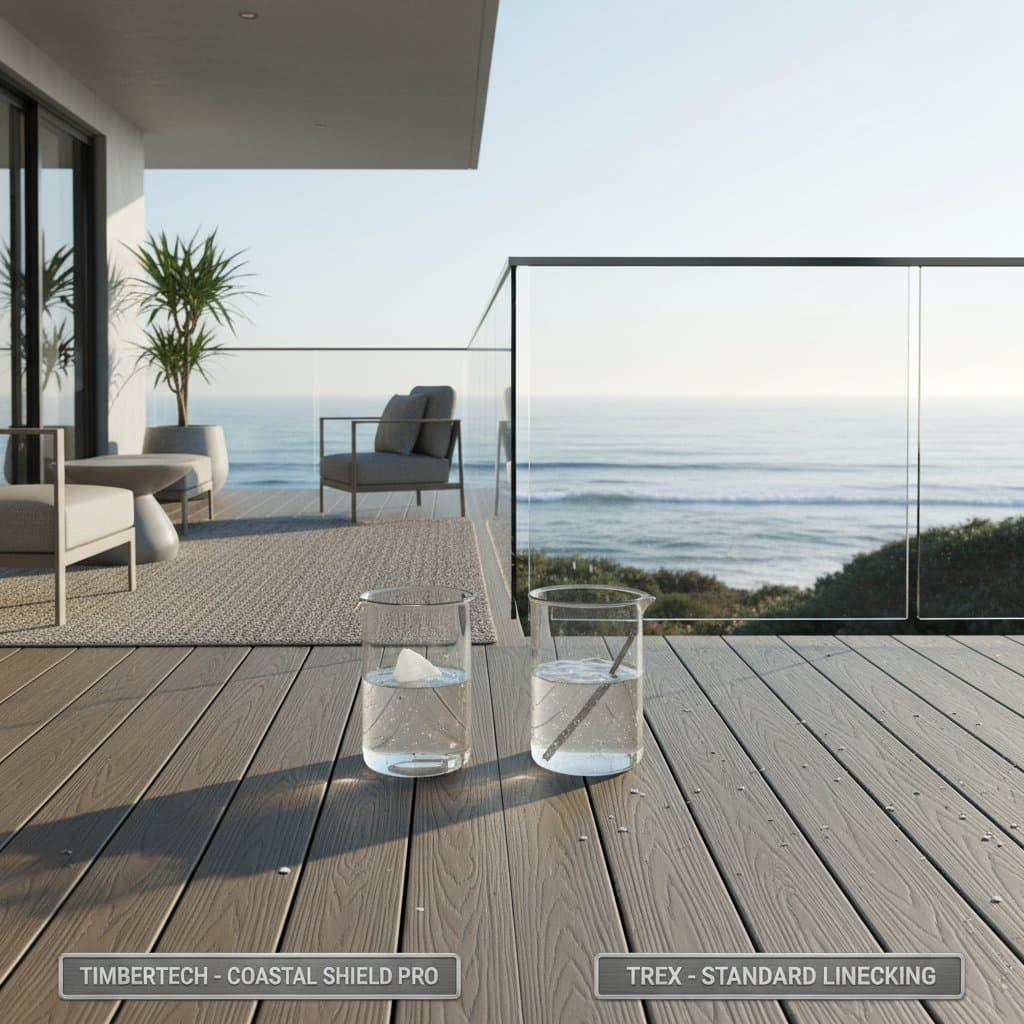
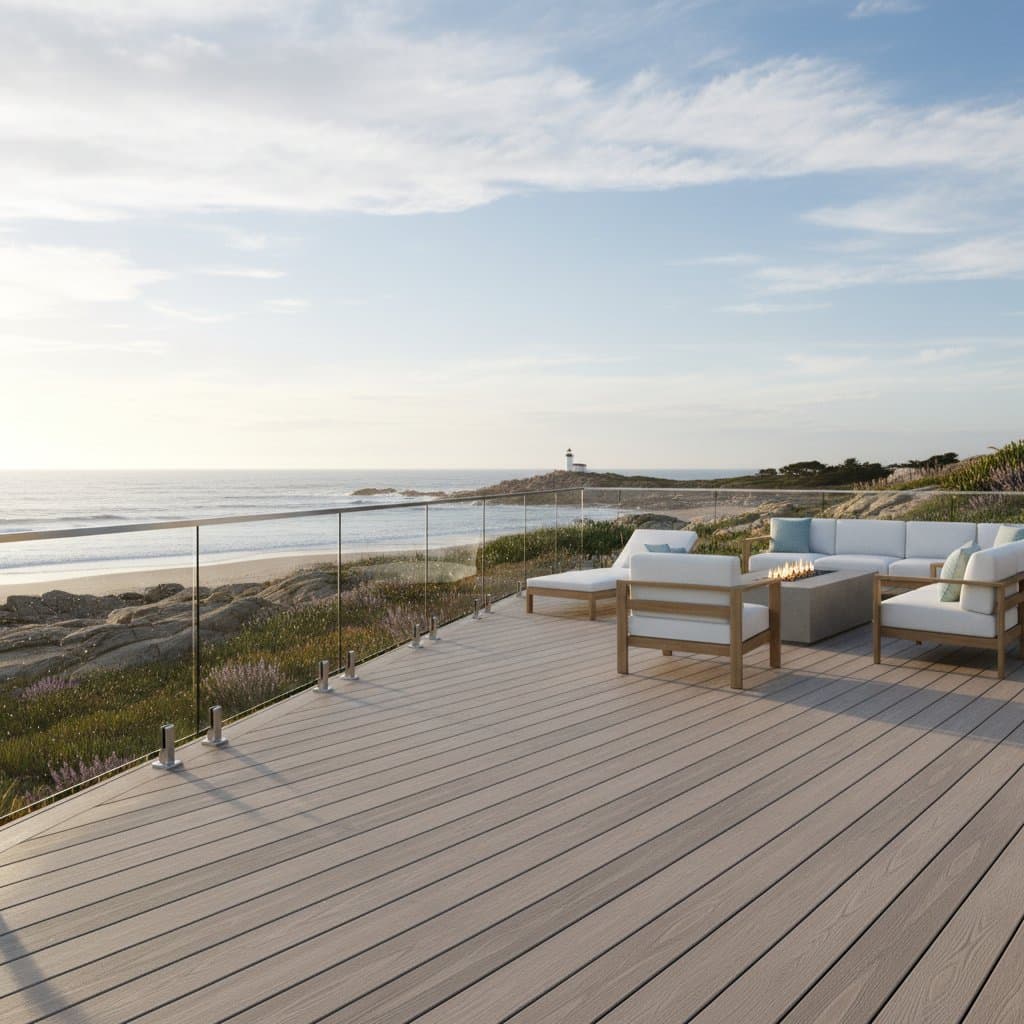
Residing near the coast presents unique challenges for outdoor spaces, particularly with salt air accelerating material degradation. This comparison of Trex and TimberTech composite decking evaluates their performance against moisture, UV exposure, and corrosion. Gain insights into pricing, warranties, maintenance, and professional tips to select the ideal solution for a resilient, attractive waterfront deck.
Coastal deck resurfacing in 2025 demands careful consideration of cost, durability, and upkeep. Material selections from pressure-treated wood to resilient PVC, combined with labor and protective measures, directly impact your budget. This guide provides strategies for effective planning, corrosion prevention, and prolonging your deck's service life amid salt, sun, and sea exposure.
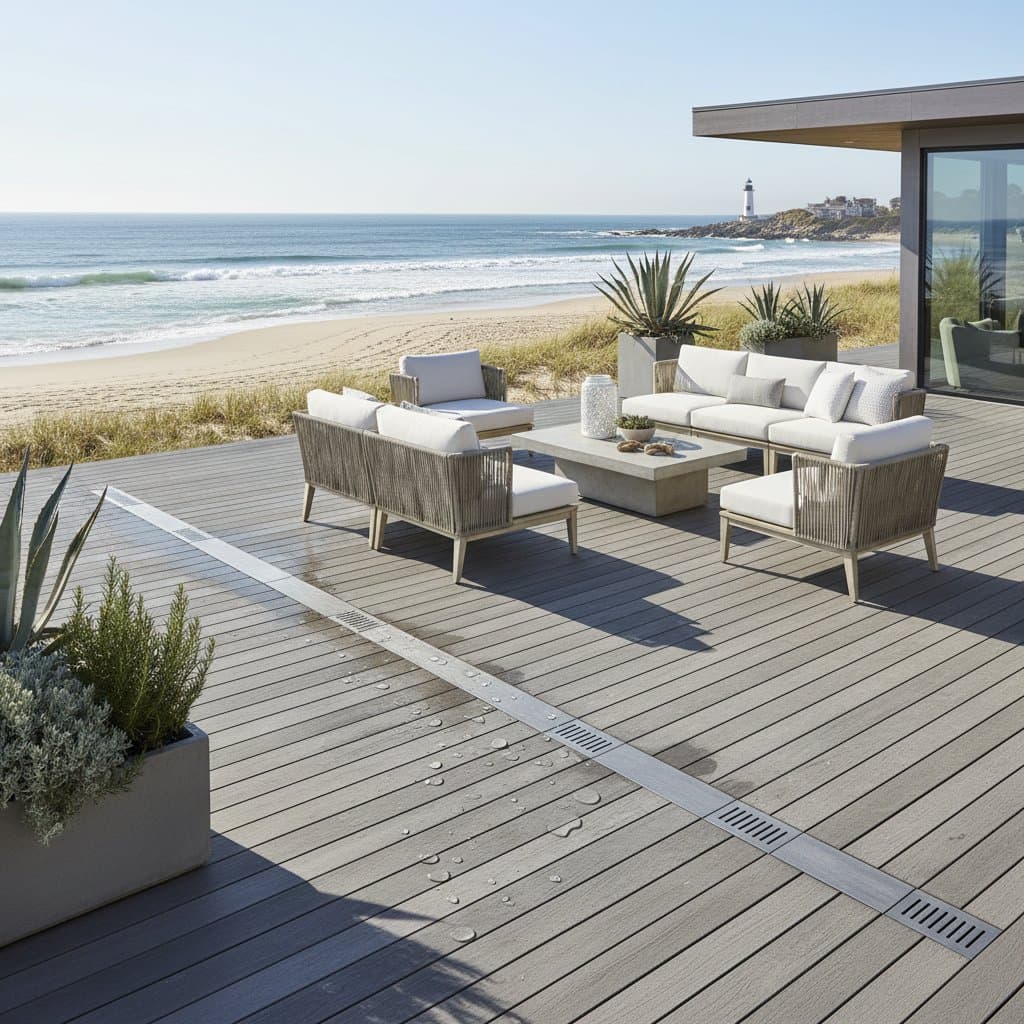
Elevate coastal outdoor spaces with salt-resistant composite decking designed for superior drainage and longevity. This innovative material withstands harsh marine environments, requires minimal upkeep, and incorporates sustainable elements to deliver reliable, attractive decks that endure for years.
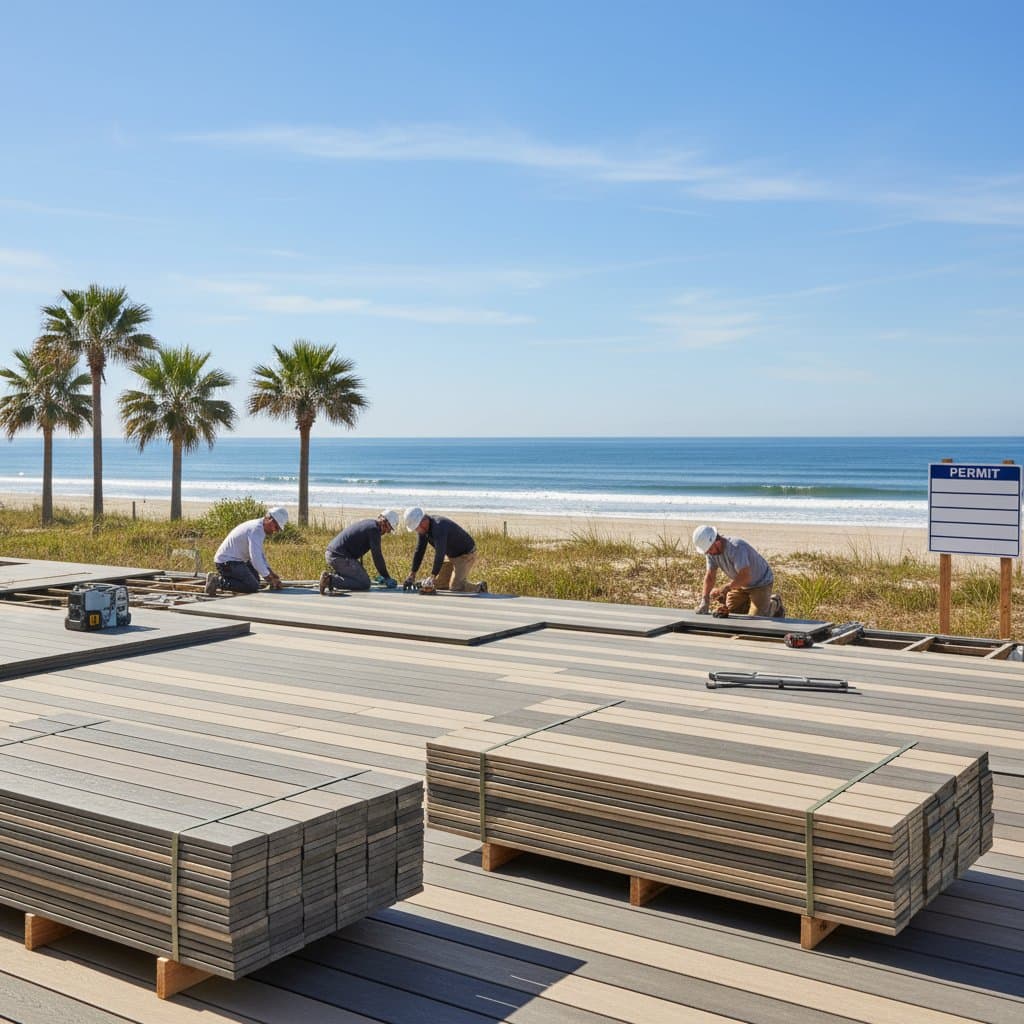
San Diego coastal homeowners increasingly opt for composite decking in 2025 due to its exceptional durability, reduced maintenance needs, and enduring aesthetic appeal. Installation expenses range from $40 to $90 per square foot, yet composite materials withstand salt, sunlight, and rot for decades, far surpassing traditional wood. This guide provides cost-saving strategies, installation guidance, and reasons composite decks excel in harsh coastal environments.
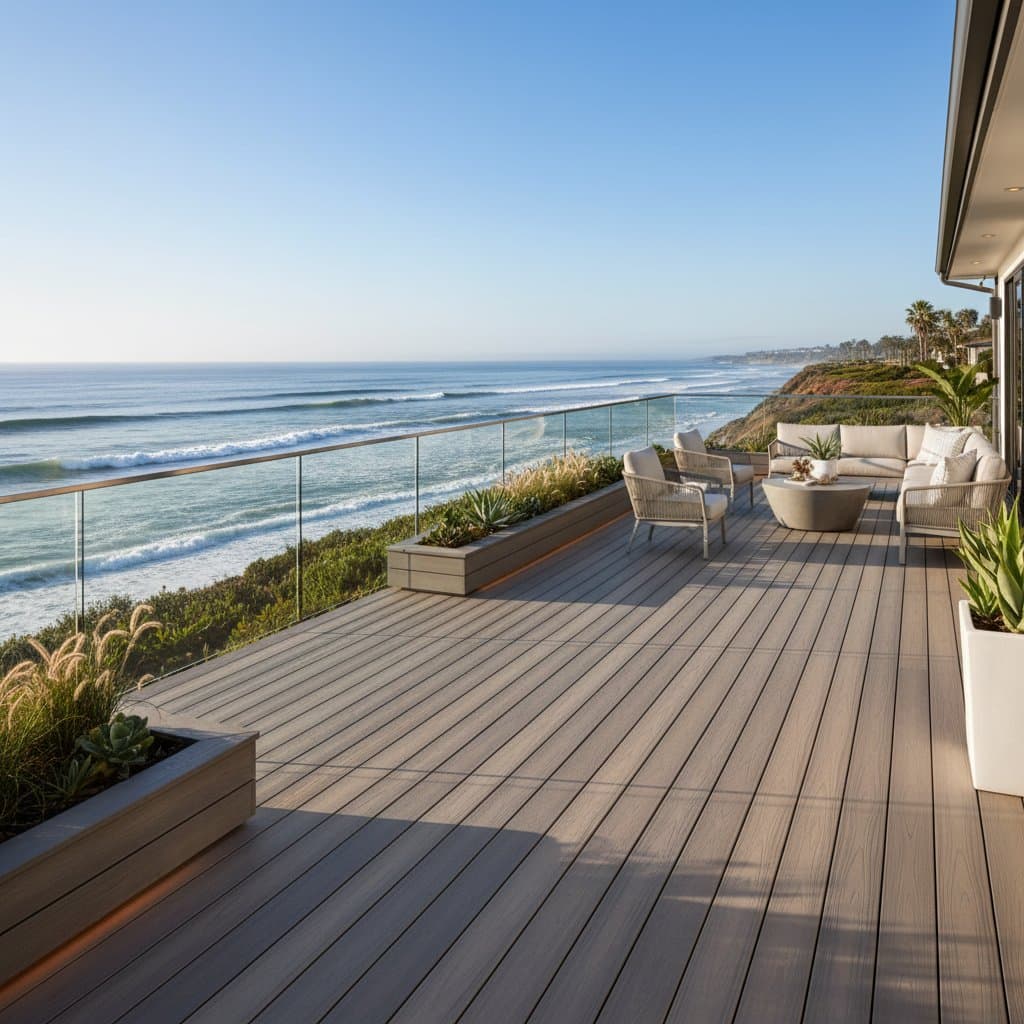
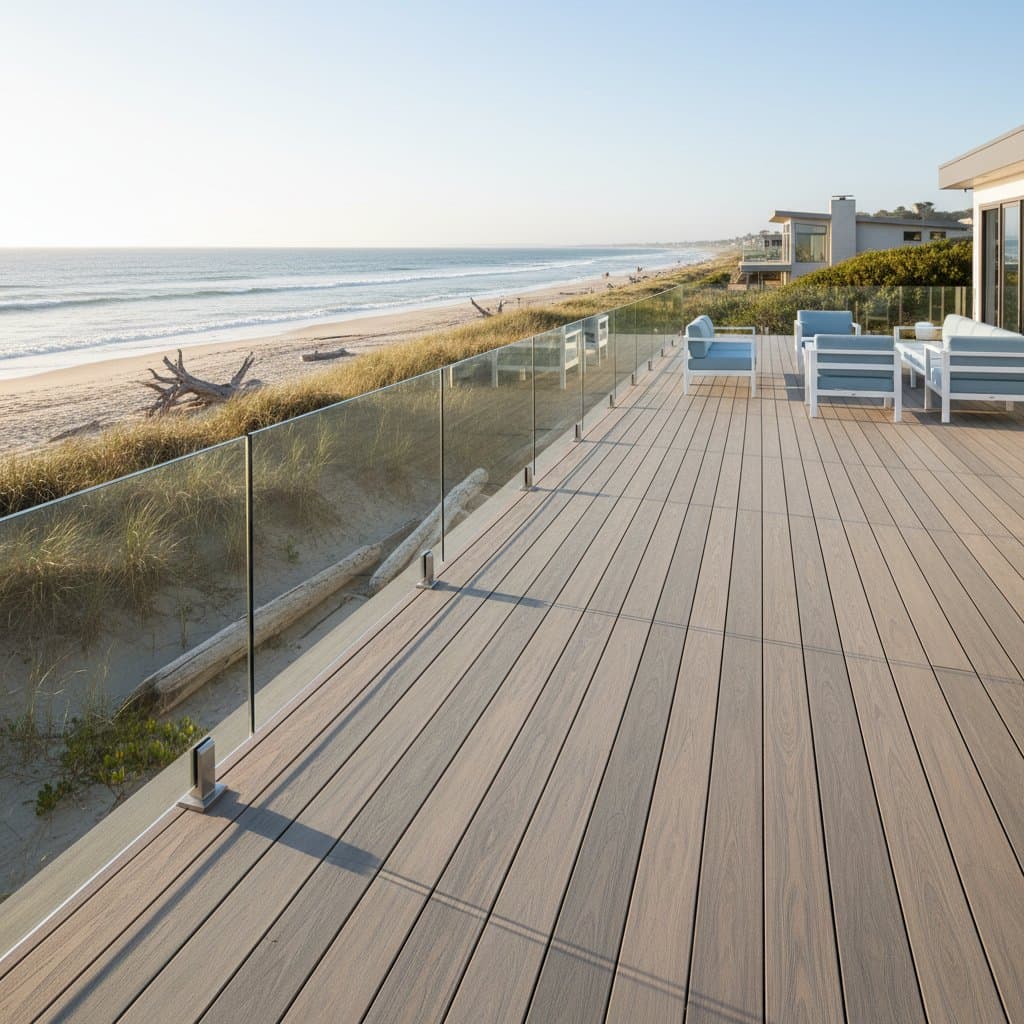
Salt air, sun, and humidity challenge coastal decks, rapidly degrading wood. Composite decking delivers a sturdy, easy-care substitute that fights fading, warping, and decay. Through suitable materials, installation, and layout, create a deck that offers enduring appeal, less maintenance, and value in seaside settings.
Uncover the reasons composite decking exceeds wood's lifespan by up to 30 years. Its superior resistance to moisture, minimal upkeep, and enduring value suit San Diego's coastal demands. Delve into budgeting, selection tips, and professional guidance for a resilient outdoor haven.
For 2025 seaside decks, weigh composite against Ipe: analyze expenses, resilience to marine elements, and care routines. Gain expert insights to cut costs and build a lasting ocean-view haven.
Coastal deck resurfacing in 2025 averages $15 to $45 per square foot, varying by materials, labor, and deck condition. Opt for durable composites or PVC to enhance longevity and property appeal. Discover influences on costs like size, permits, and timing, plus strategies to optimize your investment.
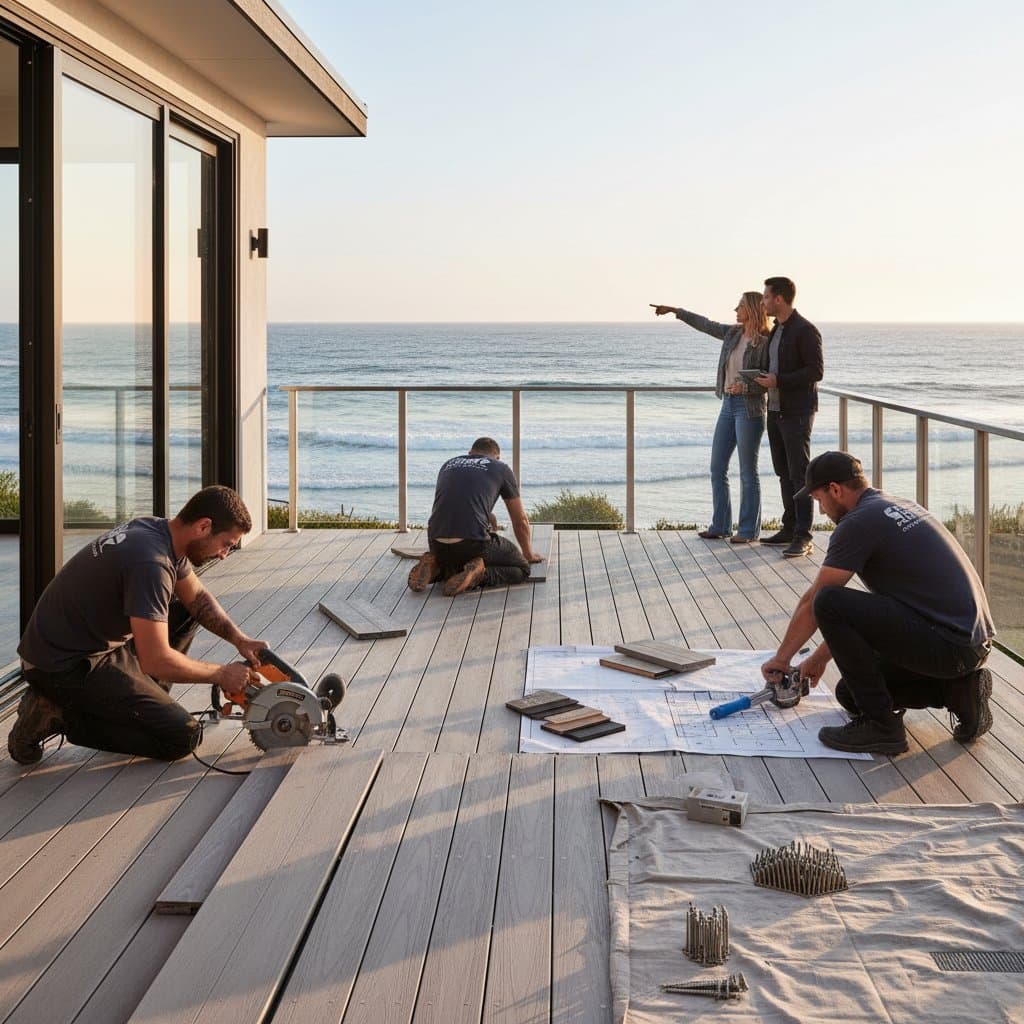
Coastal environments offer stunning vistas and invigorating air, yet they pose severe challenges to outdoor decks through relentless salt exposure, humidity, and sunlight. Traditional wood decks succumb rapidly to these forces, often requiring premature replacement. In contrast, composite decking, engineered from recycled wood fibers and plastics, defies such degradation, delivering a lifespan up to three times longer while demanding little maintenance and preserving both aesthetics and safety.
Coastal dwellers increasingly select aluminum-free composite decking for its superior resistance to salt corrosion, minimal maintenance needs, and sustainable composition. Formed from recycled plastics and wood fibers, this material remains cooler to the touch, withstands marine damage, and emulates the elegance of natural timber. Despite a higher initial price, its extended durability and reduced care demands enhance seaside living with enduring style.
In 2025, composite decking prices have fallen 30%, making this durable option affordable for many. Fueled by competition and tech improvements, averages now sit at $15–$25 per square foot. This resource covers budgeting, material picks, and savings tactics for your deck overhaul.