
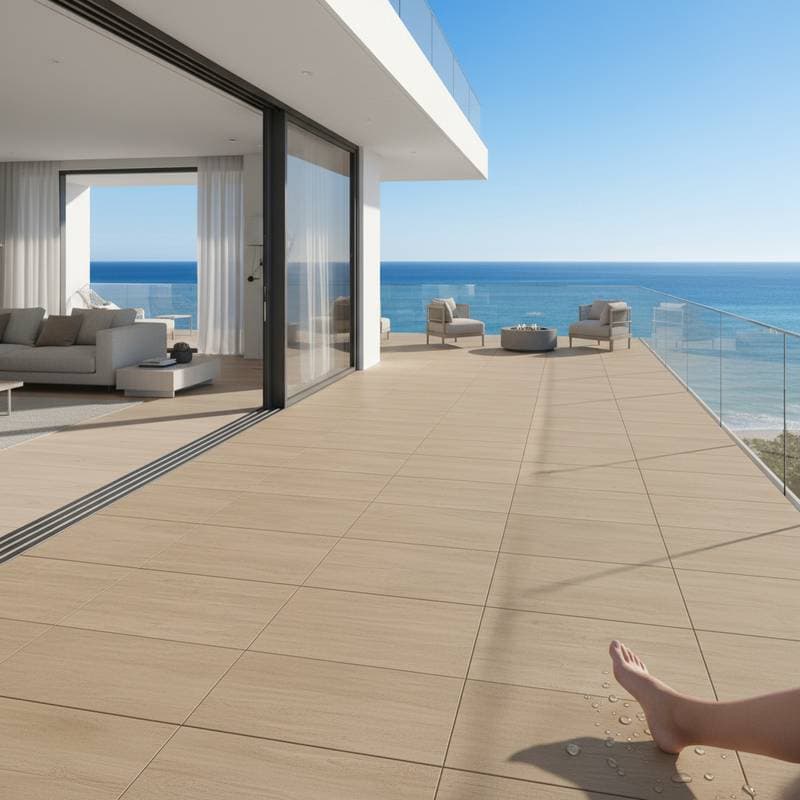
Why Modular Deck Tiles Outperform Wood in Coastal Environments
Coastal conditions test outdoor surfaces with constant salt exposure, high humidity, and intense sunlight. Traditional wood decks often show signs of wear within a few seasons. Modular deck tiles made from composite materials provide a practical alternative that maintains appearance and function with far less intervention.
These tiles install over existing surfaces or new bases and deliver consistent performance in marine climates. Homeowners gain a surface that resists common coastal problems while supporting daily use.
Resistance to Moisture and Salt
Wood absorbs water and salt, which leads to swelling, cracking, and eventual rot. Composite modular tiles feature sealed surfaces that block moisture penetration. Salt spray simply rinses away without leaving stains or structural damage.
Select products rated for marine environments to maximize service life in high-exposure locations.
Color Retention Under Sunlight
Direct sun fades untreated wood and creates uneven tones across a deck. UV-stable coatings on quality composite tiles preserve original color for many years. No periodic staining or sealing is required to maintain appearance.
This stability eliminates the recurring labor and expense associated with refinishing wood surfaces.
Reduced Maintenance Requirements
Wood decks near the coast need sanding, staining, and sealing on a regular schedule. Modular tiles require only occasional cleaning with water and mild detergent. The surface stays clean and functional without chemical treatments.
Homeowners save both time and ongoing material costs throughout the life of the installation.
Straightforward Installation Process
Traditional deck construction involves cutting, measuring, and fastening individual planks. Modular tiles connect through an interlocking system that works over concrete, existing decks, or prepared ground. Individual tiles can be swapped later if damage occurs.
Plan the layout in advance to achieve balanced edges and consistent spacing.
Design Options for Coastal Settings
Composite tiles are available in multiple wood-grain patterns and color families that complement beach architecture. Lighter shades reduce heat absorption while darker options create visual contrast. Mixing tones allows definition of separate zones for seating or dining.
The modular format supports custom borders and patterns without specialized carpentry skills.
Comfort and Safety Features
Composite surfaces remain cooler than wood under direct sun, which improves barefoot comfort. Textured finishes increase traction when the deck is wet from sea spray or rain. These characteristics suit poolside areas and family outdoor spaces.
Long-Term Value and Sustainability
Many modular tiles incorporate recycled content and avoid the need for chemical sealants that can affect local waterways. Lifetime expenses stay lower because replacements and refinishing occur less frequently than with wood.
Expect material costs between eight and fifteen dollars per square foot, depending on finish and manufacturer.
Preparation Steps for Coastal Projects
Verify that chosen tiles include drainage channels to manage standing water. Confirm the base is level and stable before installation. Use stainless fasteners in areas with direct salt exposure. Lighter colors help control surface temperature during peak summer months.
These decisions support reliable performance and reduce future adjustments.
Common Questions About Coastal Performance
Do composite tiles hold up against salt air and humidity?
Yes. Engineered composites resist moisture absorption and ultraviolet degradation, making them suitable for prolonged exposure in coastal zones.