Latest Articles

Featured image for Geothermal HVAC Cuts Coastal Cooling Bills 60%

Geothermal HVAC Cuts Coastal Cooling Bills 60%

Coastal residents achieve up to 60 percent reductions in cooling costs through geothermal HVAC systems, which leverage consistent underground temperatures for efficient, low-noise operation. These durable setups resist salt corrosion and humidity, extend system longevity, secure rebates, and promote eco-friendly savings ideal for coastal lifestyles.

By Lori Thornton
Featured image for Living Shorelines Replace Seawalls in 2026 Codes

Living Shorelines Replace Seawalls in 2026 Codes

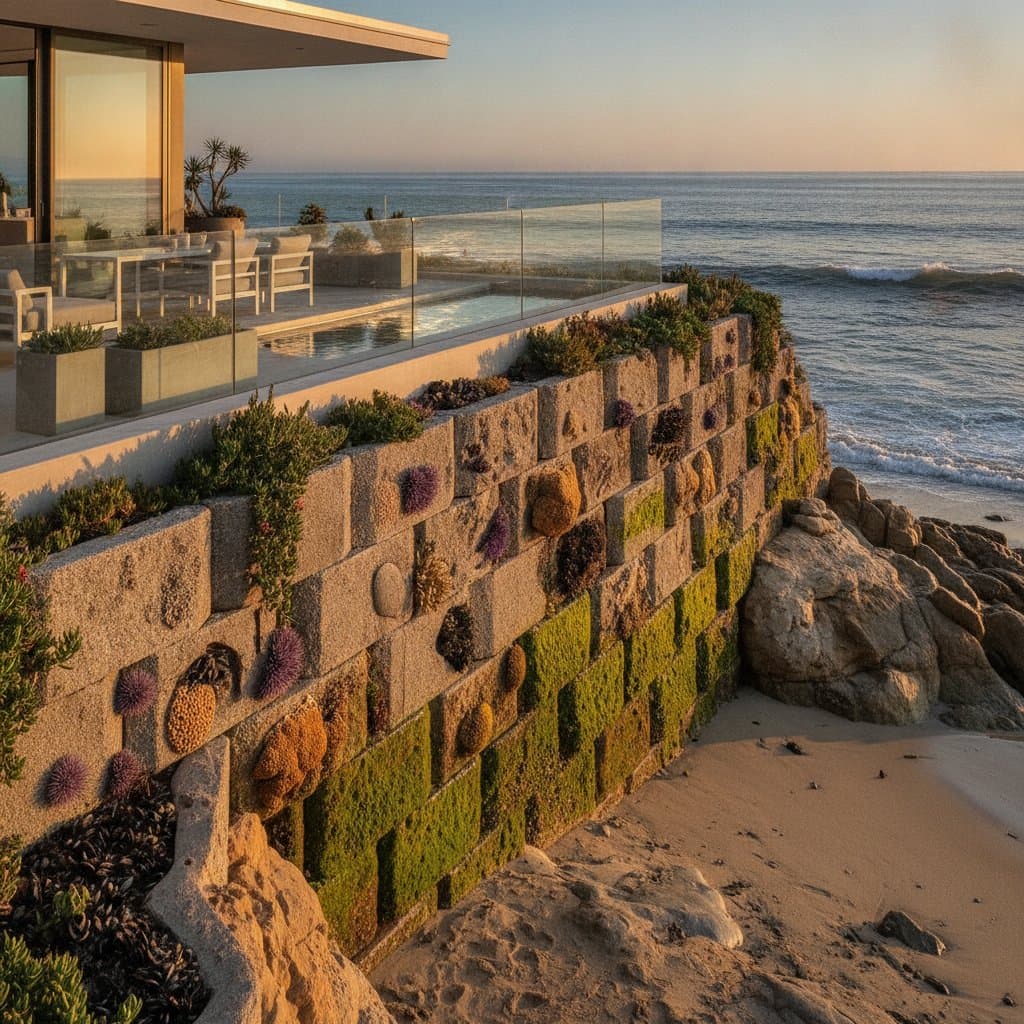
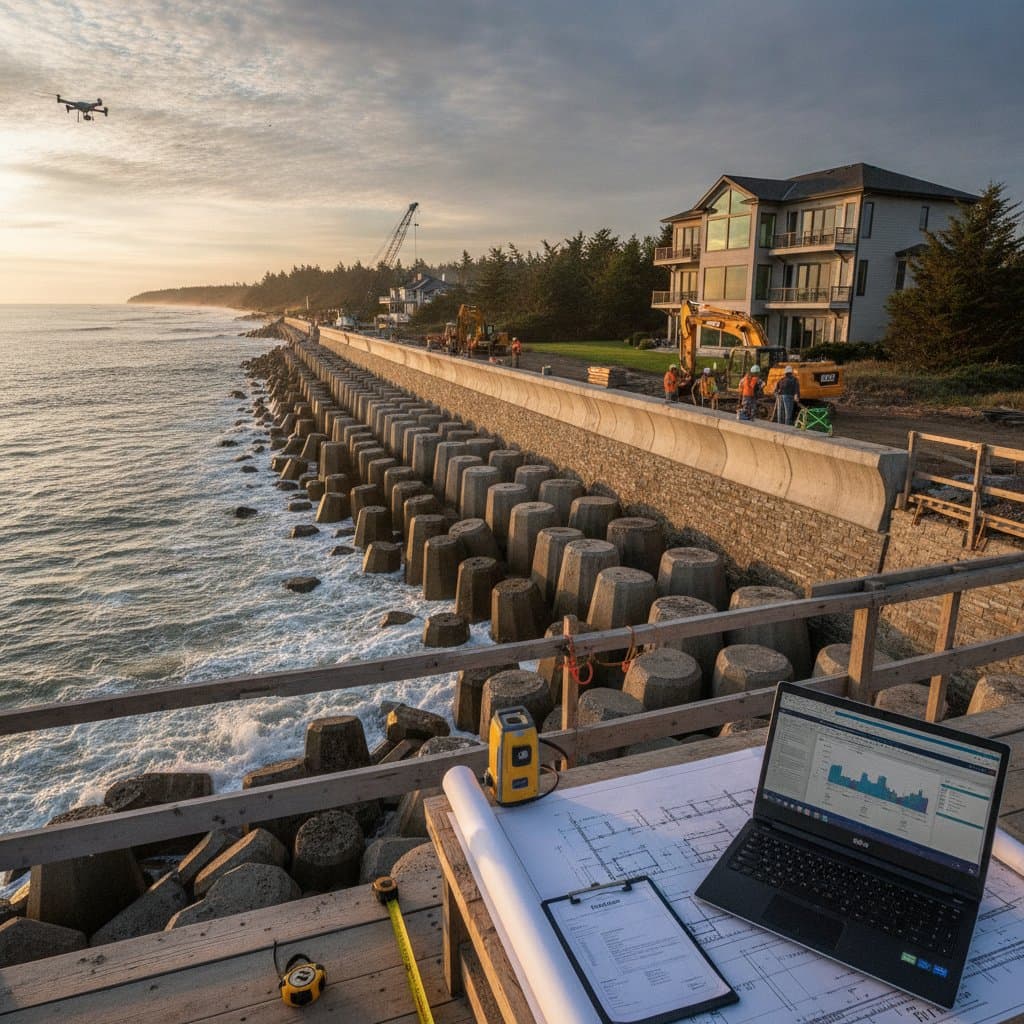
Effective 2026, coastal regulations prioritize living shorelines over seawalls, integrating elements such as marsh grasses and oyster reefs. These approaches mitigate erosion, foster biodiversity, and reduce ongoing expenses. Learn how this evolution in shoreline strategies safeguards properties and revitalizes coastal ecosystems.

By Michelle Garrett
Featured image for Floating Homes Rise and Fall With Water Levels

Floating Homes Rise and Fall With Water Levels

Rising seas challenge San Diego's coastal residents, yet floating homes provide an elegant adaptation. These buoyant dwellings elevate with tides, merging flood-proofing, eco-conscious features, and prime bay access. Delve into their functionality, expenses, and role in shaping durable housing.

By Jessie Landes
Featured image for Living Shorelines Cut Costs and Outlast Seawalls

Living Shorelines Cut Costs and Outlast Seawalls

By 2026, living shorelines redefine coastal defense with reduced costs, enhanced durability, and vibrant habitats over traditional seawalls. Native vegetation and natural features adapt to sea level rise, increase real estate value, and support biodiversity. Learn how this sustainable method endures beyond concrete solutions to protect shorelines effectively.

By Pam Jarnigan
Featured image for Why Coastal Homes Are Rising on Stilts by 2026

Why Coastal Homes Are Rising on Stilts by 2026

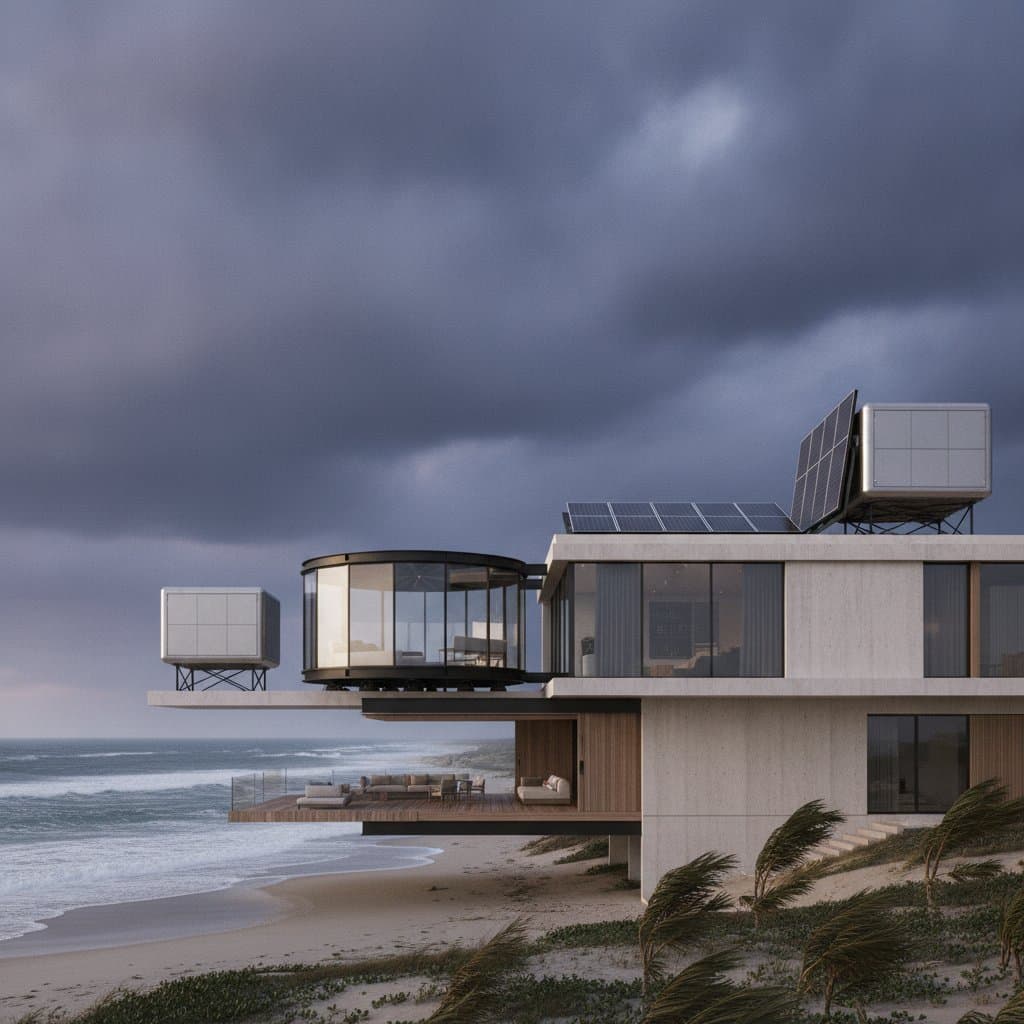
With advancing sea levels and fiercer storms, coastal owners lift homes on stilts for protection, regulatory adherence, and enduring financial gains. Initial investments yield reduced flood threats, cheaper coverage, and higher market appeal, establishing resilient designs as the norm by 2026.

By Pam Jarnigan
Featured image for Living Coral Seawalls Protect Beaches Naturally

Living Coral Seawalls Protect Beaches Naturally

Living coral seawalls revolutionize shoreline defense by fusing engineering with ecology. Powered by biorock, they grow resilient reefs that curb erosion, enrich biodiversity, and elevate coastal real estate values. Discover a sustainable alternative to traditional barriers that thrives with minimal upkeep.

By Lori Thornton
Featured image for Solar Shingles Pay for Themselves in 10-12 Years

Solar Shingles Pay for Themselves in 10-12 Years

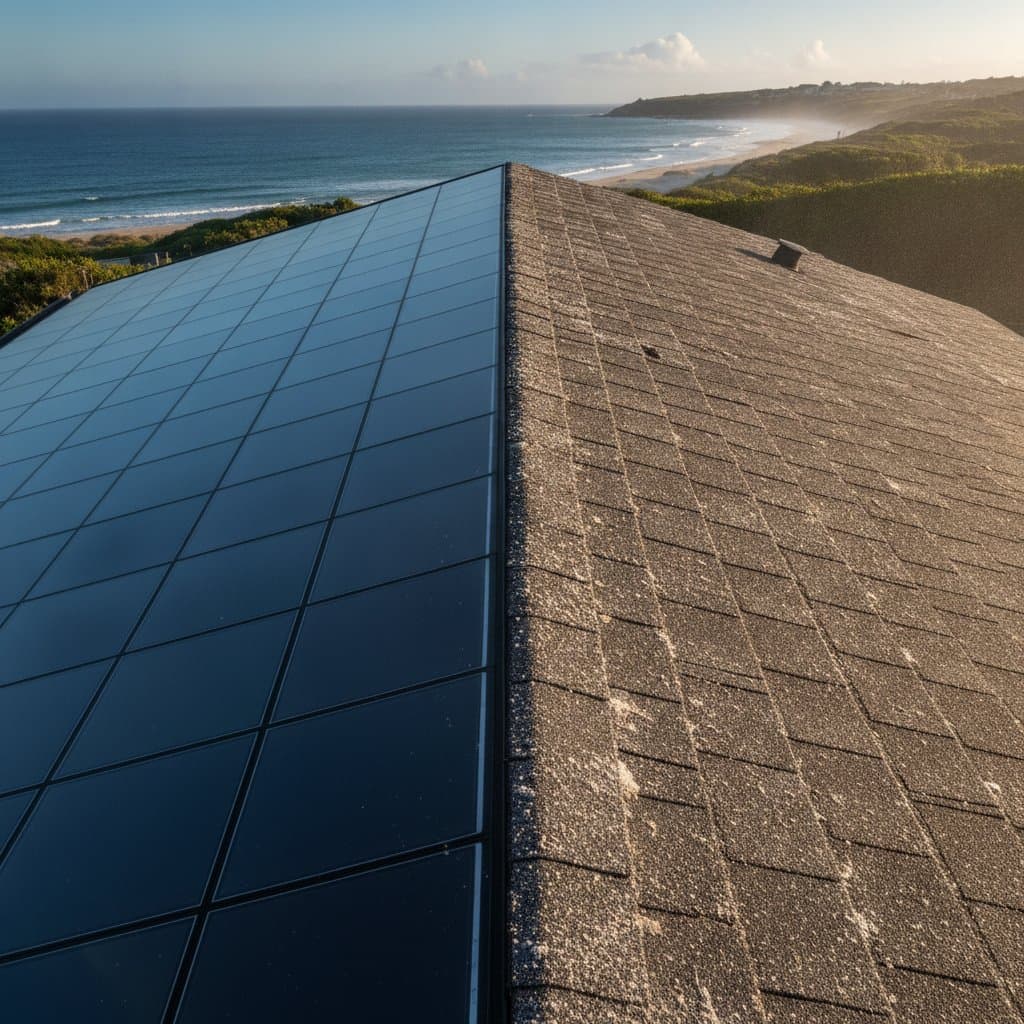
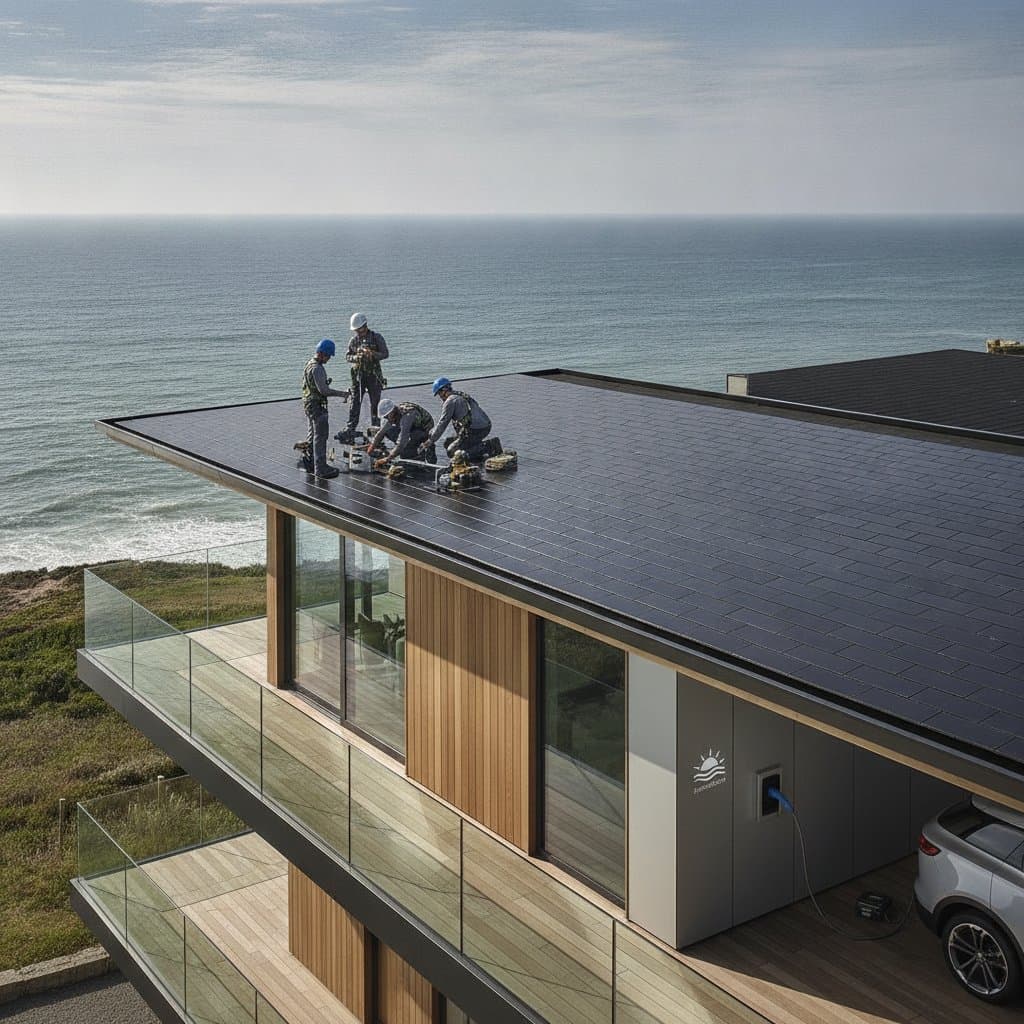
Solar shingles integrate renewable energy generation with durable roofing, offering coastal homeowners a stylish upgrade. Installation typically costs $20,000 to $40,000, yet savings on bills, tax credits, and a 3% to 5% boost in home value enable full payback within 10 to 12 years in sunny regions like San Diego.

By Michelle Garrett
Featured image for See-Through Panels Keep Homes Bright During Storms

See-Through Panels Keep Homes Bright During Storms

Transparent hurricane panels offer coastal homeowners robust storm protection without sacrificing natural light or curb appeal. Constructed from impact-resistant polycarbonate, these lightweight shutters withstand high winds and debris while maintaining visibility. This overview covers selection, installation, and upkeep to enhance your hurricane preparedness.

By Jessie Landes
Featured image for FEMA Flood Vents Cut Insurance Costs for Coastal Homes

FEMA Flood Vents Cut Insurance Costs for Coastal Homes

Embarking on a coastal remodel requires attention to FEMA's 2026 flood vent standards for compliance and protection. These vents equalize water pressure to shield foundations, qualify for lower NFIP premiums, and boost property resilience. Review essential requirements, estimated costs, and professional advice to achieve a secure, cost-effective upgrade.

By Michelle Garrett
Featured image for Rain Gardens Cut Coastal Erosion While Adding Beauty

Rain Gardens Cut Coastal Erosion While Adding Beauty

Coastal residents turn erosion-vulnerable properties into eco-conscious retreats using rain gardens that decrease soil loss by more than 55%. Gain insights into key designs, native plant options, and economical methods to control drainage, safeguard coasts, and elevate visual charm for enduring, attractive landscapes.

By Carol Bisson