
Limestone Versus Concrete for Coastal Pool Decks
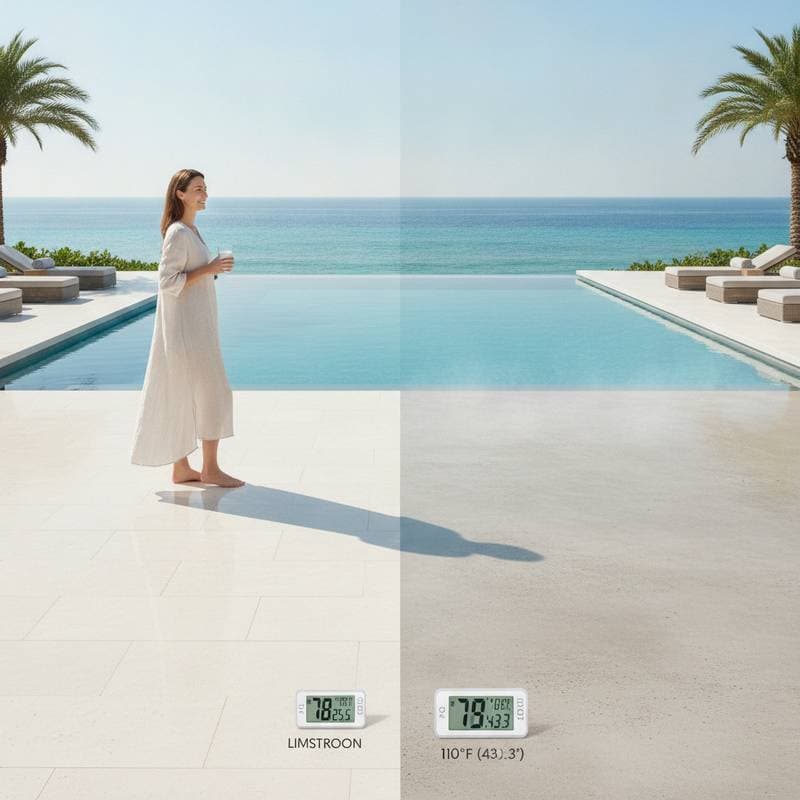
Stepping onto a pool deck barefoot shows why material selection matters. The surface needs to stay comfortable in strong sunlight and resist salt air along with constant moisture near the ocean. Limestone and concrete each offer clear benefits in these settings.
This comparison covers cost ranges, durability under salt exposure, maintenance routines, and design options. Readers receive practical guidance on installation choices along with proven methods to manage expenses.
Limestone delivers natural elegance at a higher price point. Concrete provides reliable performance and design flexibility at a lower cost. Both materials perform well in coastal conditions when sealed correctly and maintained on schedule.
Cost Factors
Pool deck projects typically range from 3500 to 25000 dollars based on size and finish details. Coastal installations average around 10000 dollars for standard dimensions.
Limestone pool decks cost 10 to 30 dollars per square foot with installation. Premium imported or specialty slabs reach 40 dollars per square foot due to quarrying and transport requirements.
Concrete pool decks range from 6 to 18 dollars per square foot. Basic finishes occupy the lower end while stamped or colored surfaces increase the price. Salt resistant sealer adds 1 to 2 dollars per square foot.
Primary cost drivers include material selection, total area, labor complexity, sealing requirements, and sub base preparation for sandy soils.
Limestone Pool Decks
Limestone brings timeless visual appeal and a naturally textured surface that reduces slipping. Available in cream, beige, and soft gray tones, it complements oceanfront architecture.
This option suits homeowners who prioritize cooler temperatures underfoot and long term property value.
Advantages include natural heat reflection, inherent traction, and elevated aesthetic presence. Limitations involve higher upfront expense, mandatory periodic sealing, and potential staining from pool chemicals without regular care.
Concrete Pool Decks
Concrete serves as a versatile and durable surface that accepts stamping, staining, and texturing for custom appearances. It adapts to many design preferences while handling heavy use.
This choice fits projects that emphasize budget control and future modifications.
Advantages center on lower cost, straightforward repairs, and extensive finish options. Limitations include greater heat retention in sunlight, risk of cracking from ground movement, and the need for protective sealing against salt.
Installation Considerations
Coastal conditions introduce challenges such as shifting sand, high humidity, and constant salt exposure. Professional installation addresses these factors through proper grading, reinforcement, and sealing techniques.
Limestone installation demands precise leveling and is best left to experienced crews. Concrete work on large or decorative decks also benefits from professional mixing, curing, and joint placement to avoid early cracking.
Professional crews ensure correct drainage slopes, reinforced bases, and warranties that protect the investment.
Performance and Upkeep
Limestone resists moderate salt exposure when sealed yet may erode under constant spray without protection. Concrete holds up against salt once sealed but remains vulnerable to movement cracks.
Both surfaces require resealing every one to two years. Limestone benefits from mild soap cleaning while concrete accepts simple patching for minor damage.
Natural limestone tones enhance beach style landscapes. Concrete accepts virtually any color or pattern, allowing modern or traditional effects. Slip resistance improves through textured finishes on either material.
Strategies to Manage Costs
- Combine limestone coping with a concrete field to capture luxury details without full material expense.
- Source stone or concrete locally to lower transport fees.
- Keep layouts simple with straight edges to reduce cutting time.
- Complete site grading before crews arrive.
- Maintain sealer applications to extend service life.
Recommended Maintenance for Coastal Areas
Rinse decks with fresh water after windy days to remove salt residue. Apply only pH neutral cleaners. Inspect regularly for cracks and address them promptly. Reapply sealer when water no longer beads on the surface. Keep nearby plants trimmed to limit staining and root interference.
Answers to Common Questions
Limestone lasts 25 to 50 years with consistent care. Concrete endures 20 to 40 years under similar conditions.
Limestone stays cooler than concrete because it reflects heat more effectively.
Saltwater can affect both materials over time, yet quality coastal sealers minimize damage when paired with routine rinsing.
Limestone maintains traction when properly textured. Avoid polished surfaces in wet zones.
Planning Your Coastal Pool Deck
Begin by measuring the deck area and noting sun exposure patterns. Consult local contractors familiar with oceanfront conditions to review soil stability and drainage needs. Request detailed quotes that separate material costs from sealing and base preparation. Schedule regular inspections after installation to protect the surface and preserve appearance over time.