
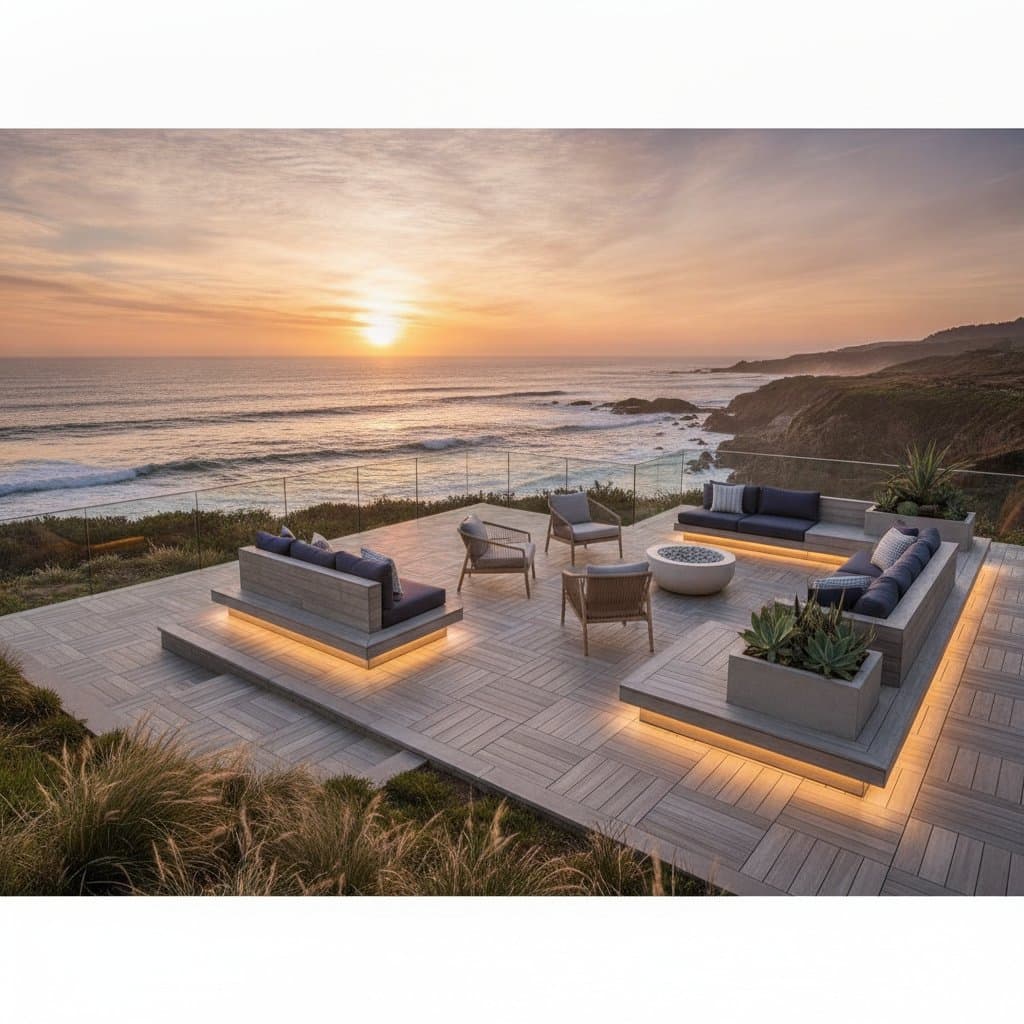
Snap-Together Modular Patios for Easy Coastal Outdoor Living
Creating a comfortable outdoor living space near the coast presents unique demands. Salt air, humidity, and shifting ground conditions often increase costs and maintenance for traditional patios. Snap-together modular patios provide a flexible alternative suited to these environments. Homeowners can design and install a durable surface with minimal tools and limited yard disruption.
This guide covers the components of modular patio systems, their operation, and the process for selecting and installing one that supports coastal routines. The systems suit spaces intended for entertaining, relaxation, or simply enjoying sea air.
Understanding Modular Patio Systems
A modular patio system uses interlocking panels or tiles that join without adhesives or mortar. The pieces form a stable surface on nearly any flat area. Manufacturers produce them from weather-resistant options such as high-density plastic, composite decking, or treated wood.
Advantages for Coastal Properties
Coastal conditions require materials that withstand moisture, salt, and temperature fluctuations. Modular systems address these factors through several features.
- They drain efficiently and reduce standing water.
- They resist corrosion because most versions use non-metal, UV-stable components.
- They allow relocation or reconfiguration on sandy or unstable soil.
- They lower maintenance because grout lines and mortar joints are absent.
These characteristics support long-term use near the ocean.
Planning the Layout
Careful planning precedes material purchase. Modular flexibility supports creative designs, yet thorough preparation ensures the finished area matches daily needs.
Clarify Intended Use
Determine primary activities for the space. Some residents prefer a compact lounge area. Others plan for dining or an outdoor kitchen. Intended functions guide size, shape, and material selection.
Assess Site Conditions
Examine the installation area for several elements.
- Drainage patterns that direct water away from the house.
- Surface level that supports even placement.
- Sun and shade exposure that informs seating placement.
Coastal sites require special attention to low areas where saltwater may pool.
Select Suitable Materials
Tiles appear in varied finishes. Common choices include composite panels that resemble wood yet resist rot, lightweight plastic or rubber tiles with slip resistance, and stone-look composites that reduce upkeep. Each option carries distinct weight ratings, textures, and color ranges. Match selections to both design goals and local exposure levels.
Installation Steps
Simple assembly ranks among the main benefits. Most homeowners complete installation without professional support, though larger or uneven sites may warrant assistance.
Prepare the Base
- Remove grass, debris, and roots from the area.
- Level the ground with sand or crushed gravel.
- Compact the base to produce a firm, uniform surface.
A stable base maintains patio alignment and limits future movement.
Arrange the Pattern
Position tiles in the planned configuration before locking them. This step reveals fit issues around corners and borders.
Secure the Panels
Follow manufacturer directions for the click-lock system. Most require only light pressure. A rubber mallet can tighten joints when needed.
Add Edge Details
Attach trim pieces to produce clean borders. Trim also reduces trip risks and blocks debris entry.
Verify Stability
Walk the full surface to confirm all panels sit locked and level. Adjust the base beneath any uneven sections before final use.
Ongoing Care
Low maintenance suits coastal conditions, yet routine attention extends service life.
- Rinse surfaces regularly to clear salt and sand.
- Apply mild soap and water for cleaning.
- Inspect connections at intervals and reseat loose sections.
- Protect or store furniture ahead of storms.
Consistent habits preserve appearance and function.
Adding Comfort Elements
Modular surfaces support both utility and visual appeal. Targeted additions convert the area into a functional outdoor room.
Provide Shade Structures
Install a pergola, retractable awning, or shade sail. These elements block sun and light rain while defining boundaries.
Incorporate Lighting and Accessories
Place solar path lights along edges and hang weatherproof string lights overhead. Add fade-resistant cushions, side tables, and planters to improve seating comfort.
Organize Activity Zones
Separate the surface into distinct areas. Use one section for dining with a table set, another for lounging with low seating, and a third for storage or grilling. Different tile colors or simple rugs can signal transitions without permanent changes.
Frequently Asked Questions
What material performs best near salt air?
Composite tiles and high-density plastic panels resist moisture, salt, and fading while requiring less care than wood or metal.
Can installation occur directly on sand?
Yes, provided the sand receives compaction and leveling first. A stabilizing grid or thin gravel layer improves support and drainage.
What lifespan can owners expect?
Quality systems last many years with proper care. Longevity depends on material grade, exposure intensity, and maintenance frequency.
Do modular systems suit rental properties?
They work well for renters because they remain unattached and can move to new locations.
What price range applies?
Costs depend on material and brand. Expect moderate to premium pricing per square foot, varying by region and design complexity.
Is professional installation required?
Most systems support DIY assembly. Prepare a level base and follow connection instructions precisely.
Are permits necessary?
Portable systems usually avoid permit requirements. Confirm local rules before beginning work.
Building Lasting Outdoor Enjoyment
A snap-together modular patio delivers reliable coastal outdoor space without conventional construction demands. Its adaptability, resilience, and straightforward care support consistent use for homeowners who prioritize both comfort and practicality.