
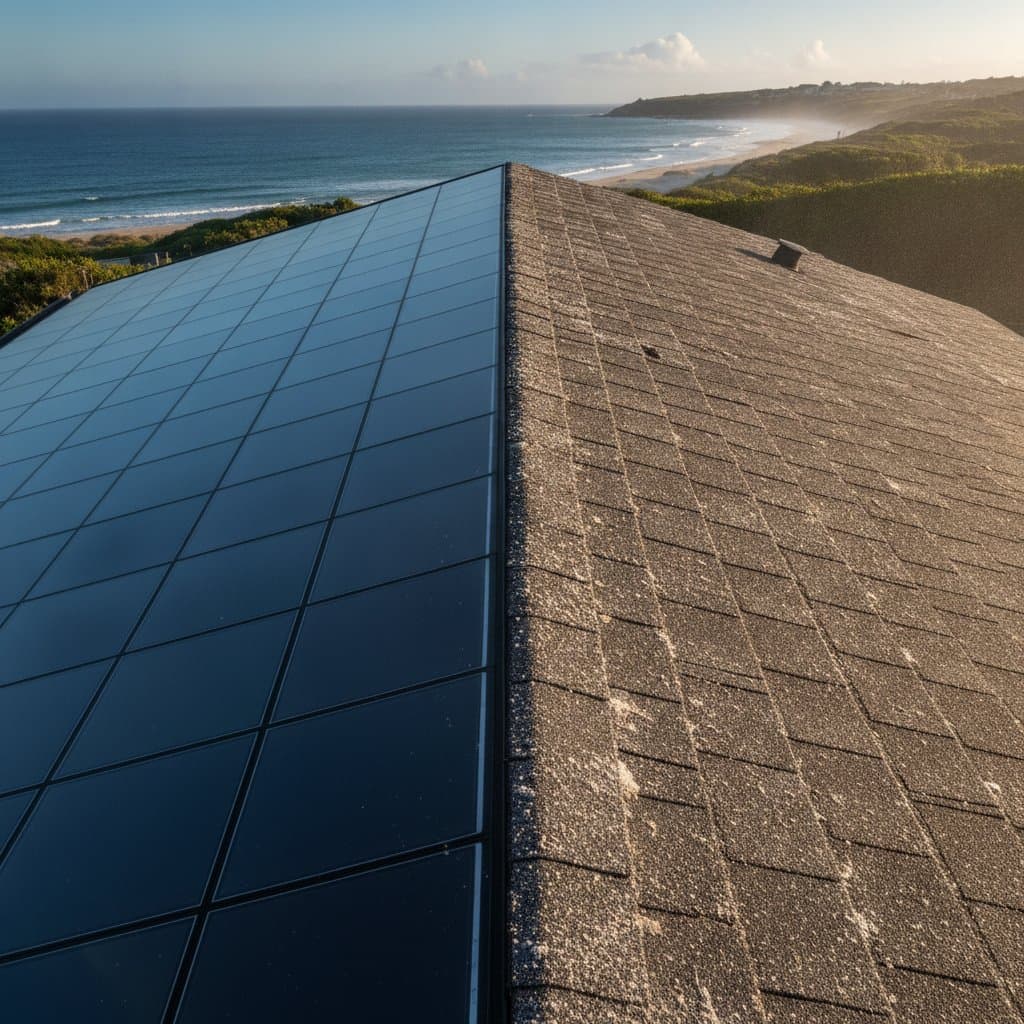
Are Solar Roof Tiles Cheaper Than Shingles for Coastal Homes?
Homeowners along the coast often face a unique set of challenges when it comes to roofing. Salt air, high humidity, and strong winds can wear down traditional shingles faster than expected. This leads to frequent replacement costs. At the same time, many coastal homeowners want to reduce their energy bills and environmental footprint.
This situation has led to growing interest in solar roof tiles. These products combine the function of a roof with the energy production of solar panels. The question remains whether solar roof tiles prove cheaper than shingles for coastal homes. This guide breaks down the financial, practical, and environmental considerations.
Understanding Solar Roof Tiles
Solar roof tiles integrate photovoltaic cells into individual roofing units. Each unit converts sunlight into electricity while protecting the home from weather. The design eliminates the need for separate panel mounts that sit above the surface.
How Solar Roof Tiles Work
Tiles connect through a central inverter. The inverter converts direct current from the cells into alternating current for household use. Excess production feeds back to the utility grid in many regions. Homeowners receive credits that lower future bills.
Why They Appeal to Coastal Homeowners
Coastal areas receive consistent sunlight exposure throughout the year. The integrated installation reduces entry points for wind-driven moisture and salt spray. This feature helps maintain structural integrity over extended periods.
Comparing Costs: Solar Roof Tiles vs. Shingles
Upfront price often determines initial choices between the two options. Solar tiles require larger initial outlays. Long-term calculations change the comparison for many properties.
Initial Installation Costs
Solar roof tile projects range from 40,000 to 70,000 dollars for an average coastal residence. This figure covers both the roofing material and the power generation components. Standard asphalt shingles cost between 8,000 and 15,000 dollars for the same roof area.
Adding a separate solar array to a shingle roof later brings the combined total close to or above the solar tile price. Homeowners should request itemized bids that separate material and labor charges.
Long-Term Value
Solar tiles reduce monthly utility expenses by generating on-site power. Federal tax credits currently cover 30 percent of qualified installation costs. Shingle roofs provide no ongoing energy offset and require earlier replacement in salt-heavy environments.
Costs depend on roof size, local labor rates, and household consumption patterns. Multiple written estimates from licensed contractors help establish accurate projections.
Durability and Maintenance in Coastal Conditions
Salt corrosion and moisture accelerate wear on conventional roofing. Solar tiles use tempered glass and reinforced composites that resist these factors.
Weather Resistance
The solid surface of solar tiles limits water intrusion during storms. Asphalt shingles often lose granules and develop curling edges within fifteen years near the ocean. Solar units maintain structural integrity with fewer visible signs of degradation.
Maintenance Requirements
Inspect both systems twice each year. Clear debris from tile surfaces to maintain energy output. Shingle roofs may need more frequent repairs after high-wind events.
Lifespan Comparison
Properly installed solar tiles last thirty to fifty years. Coastal shingles typically require replacement after twenty years. Fewer replacements reduce material waste and labor expenses across the ownership period.
Energy Efficiency and Environmental Benefits
Solar generation offsets cooling loads common in coastal climates. Many systems cover 60 to 90 percent of annual household electricity use.
Reducing Your Energy Bills
Net metering programs convert surplus production into bill credits. Homeowners in sunny coastal zones frequently reach zero net energy costs within the first decade.
Supporting Sustainable Living
On-site solar reduces reliance on fossil fuel generation. The approach aligns with local sustainability goals and may increase property resale value.
Choosing the Right Contractor
Select professionals who hold both roofing and electrical licenses. Request documentation of at least five completed solar tile projects. Obtain written estimates that list material grades, labor steps, warranty terms, and expected annual output.
Frequently Asked Questions
Are solar roof tiles more expensive than shingles?
Initial installation costs exceed those of shingles alone. When the expense of adding separate solar panels is included, the lifetime totals become comparable.
How long do solar roof tiles last?
Tiles endure thirty to fifty years with routine care. They outlast shingles in salt air and high humidity settings.
Do solar roof tiles work during cloudy weather?
Output continues at reduced levels. Modern inverters maintain production even under partial cloud cover.
Can solar roof tiles handle coastal storms?
Tempered glass and secure mounting systems meet or exceed local wind load requirements. Proper installation prevents uplift during hurricane-force events.
Planning Your Coastal Roof Upgrade
Obtain three detailed proposals from contractors experienced in marine environments. Compare total ownership costs over thirty years rather than initial price alone. This approach identifies the option that delivers both protection and energy savings for your specific property.