
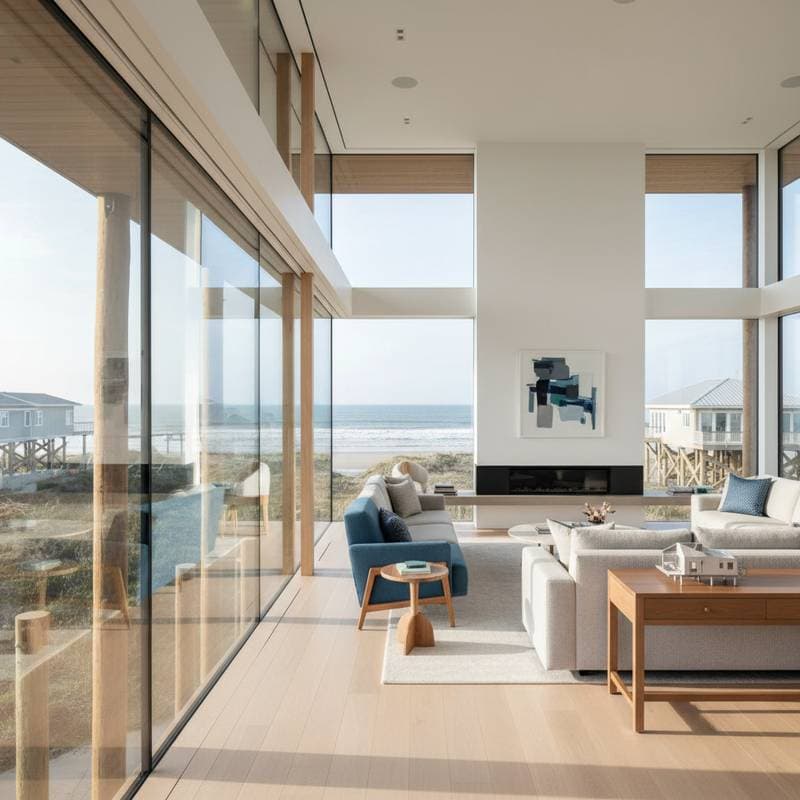
Why Coastal Homes Are Elevating on Stilts by 2026
Coastal homeowners confront a pressing reality. Rising sea levels, intensified storms, and changing land dynamics shape the way properties are constructed and preserved. In numerous waterfront areas, a clear pattern emerges: homes elevate on stilts. This design choice, previously confined to simple beach houses and fishing shacks, now characterizes contemporary coastal environments.
For those residing near the sea or considering a waterfront construction, grasping the reasons behind this elevation trend proves vital. The shift to stilt foundations extends beyond visual appeal. It addresses safety, durability, insurance reductions, and sustained property worth.
The Average Cost of Elevating a Coastal Home
Elevating a residence on stilts represents a substantial commitment, yet expenses differ according to building style, site, and lift height. For an existing coastal property, costs generally span from $80,000 to $200,000. New builds on stilts average $250 to $400 per square foot.
| Project Type | Average Total Cost | Cost per Square Foot | Description |
|---|---|---|---|
| Existing Home Elevation | $80,000 - $200,000 | $60 - $90 | Lifting and reinforcing current structure |
| New Stilt Construction | $250,000 - $600,000 | $250 - $400 | Includes new pilings, foundation, and framing |
| Modular Elevated Home | $200,000 - $350,000 | $180 - $280 | Factory-built sections placed on pilings |
Owners frequently find that although upfront expenses exceed those of traditional bases, savings in flood insurance and maintenance over decades recoup a large portion.
Reasons for Elevating Coastal Homes
The choice to construct on stilts transcends tradition or appearance. It responds to ecological, economic, and legal demands.
Reducing Flood Risk and Insurance Expenses
Flooding poses the primary threat to coastal properties. Structures close to water encounter elevated damage potential, which insurers account for in higher rates. Raising a building decreases flood insurance by 30 to 60 percent through diminished water entry risk.
Even modest lifts of several feet alter flood zone ratings significantly. Such changes yield annual savings of thousands of dollars.
Compliance with Building Codes and Regulations
Numerous coastal authorities revise codes to mandate elevations above the Base Flood Elevation (BFE). Certain regions require new constructions to rise 10 to 15 feet above sea level, based on shoreline distance.
Those reconstructing post-storm often learn that regulations insist on stilt designs for permit approval and habitability.
Enhancing Longevity and Ease of Maintenance
Raised homes experience reduced exposure to dampness and saline air, key degraders of coastal building elements. Elevating living spaces prolongs the service life of frameworks, floors, and wiring by minimizing rust and decay.
This approach also simplifies routine upkeep, as ground-level components remain accessible without constant moisture threats.
Building Storm Resistance
Stilt bases enable homes to endure surges and wave forces. Pilings permit water flow underneath, avoiding pressure buildup against barriers. Consequently, foundational stress decreases, and overall harm from extreme events lessens.
Foundation Options for Coastal Stilt Builds
Stilt systems vary in suitability. Selection hinges on ground composition, regulations, and objectives.
| Foundation Type | Average Cost per Linear Foot | Ideal Use | Durability | Maintenance Level |
|---|---|---|---|---|
| Timber Pilings | $60 - $80 | Light structures, sandy soil | Moderate | High |
| Concrete Piers | $80 - $120 | Permanent residences | High | Low |
| Steel Pilings | $100 - $150 | Flood-prone or high-wind zones | Very High | Low |
| Helical Piles | $90 - $110 | Loose or unstable soil | High | Moderate |
Concrete and steel options prevail in current projects for their superior robustness and endurance. Timber alternatives, though cheaper initially, demand frequent checks and preservatives against deterioration.
Labor Expenses and Expert Involvement
Workforce costs comprise 40 to 60 percent of the budget. Teams with specialized skills handle planning, engineering, and stilt installation to guarantee security.
- Structural engineer: $2,000 to $10,000 for design and stress assessments
- Contractor and crew: $80 to $150 per hour, varying by area
- Survey and soil analysis: $1,000 to $3,000
- Permits and checks: $2,000 to $5,000
Engaging qualified experts confirms adherence to height standards and smooth regulatory reviews, preventing expensive setbacks.
Elements Affecting Overall Expenses
Multiple aspects adjust the final outlay.
- Lift height: Extra inches demand more resources and effort.
- Base material: Sturdy concrete or steel incurs higher initial fees but lower upkeep.
- Ground stability: Soft or shifting soil necessitates deeper supports.
- Site reach: Restricted entry raises machinery and setup charges.
- Service lines: Adapting pipes and wiring for height introduces challenges.
- Added elements: Decks, steps, and beneath-parking spaces escalate material and work needs.
Early evaluation of these components aids in setting a feasible financial plan and sidestepping surprises.
Strategies to Lower Costs on Elevated Builds
Constructing or lifting a seaside home need not strain finances. Thoughtful choices trim expenses while upholding protection and standards.
- Opt for a reduced layout. Smaller areas require fewer supports and materials.
- Select economical yet robust options. Fiber cement exteriors, vinyl frames, and treated wood offer resilience at lower prices.
- Retain viable current supports. Sound existing pilings can reinforce rather than replace in upgrades.
- Design open under-space for storage over sealed garages. This complies with flood rules and cuts costs.
- Integrate upgrades. Align pipe, wire, or climate system improvements with the lift to economize on labor.
- Solicit several quotes. Review at least three certified firms for equitable rates and clear project outlines.
DIY Versus Professional Approach: Weighing Expenses and Gains
Certain owners prefer self-managed updates, but stilt elevation defies solo efforts. Precision engineering and machinery render expert guidance indispensable.
| Task | DIY Feasibility | Risk Level | Professional Advantage |
|---|---|---|---|
| Site grading and prep | Medium | Moderate | Ensures proper drainage |
| Foundation installation | Low | High | Structural integrity and code compliance |
| Framing and decking | Medium | Moderate | Accurate alignment and anchoring |
| Utility reconnections | Low | High | Licensed trades required |
| Finishing and trim | High | Low | Ideal for DIY savings |
Minor tasks like painting or planting suit personal handling. Core lifting and basing demand certified pros to avert collapse or coverage issues.
Pitfalls to Sidestep in Elevation Projects
Steering clear of frequent errors preserves resources and timelines.
- Overlooking ground analysis. This omission risks shaky bases.
- Downplaying approvals. Confirm codes prior to commencement.
- Selecting non-coastal specialists. Non-local firms might miss flood-proof methods.
- Neglecting service adaptations. Lines for water and power must ascend accordingly.
- Sealing lower areas. Solid enclosures breach flood norms and heighten liabilities.
Thorough preparation and vetted hires pave the way for success.
Frequently Asked Questions About Elevated Coastal Homes
Do I need a permit to raise my coastal home?
Yes. Structural lifts demand engineered blueprints and municipal approvals. Coastal districts often require extra flood oversight.
How long does it take to elevate a home?
Projects span three to six months, influenced by base style, conditions, and reviews.
Can I live in the house while it is being elevated?
No. Vacating occurs during lift and basing for protection. Factor in interim lodging.
How high should I elevate my home?
Height aligns with BFE and local mandates. Many add one to three feet beyond minimums for extra safeguard.
What materials work best for stilt construction?
Concrete and steel pilings excel in seaside conditions. They counter rust and surges superior to wood.
Will an elevated home reduce my flood insurance?
Yes. Lifts can cut premiums by hundreds or thousands annually, based on floodplain clearance.
What can I do with the space under my elevated home?
Employ it for vehicles, goods, or breezy zones. Refrain from walling it, as that contravenes flood guidelines.
Sustaining and Benefiting from Your Elevated Residence
Regular care ensures your raised home endures coastal rigors. Inspect pilings yearly for wear, clear debris from undersides, and verify connections against corrosion. These steps maintain stability and value.
Living elevated brings practical perks. Open lower areas facilitate parking and storage, while upper vantage points offer sweeping views. This setup not only shields against floods but enhances daily coastal enjoyment, securing a resilient future for your property.