
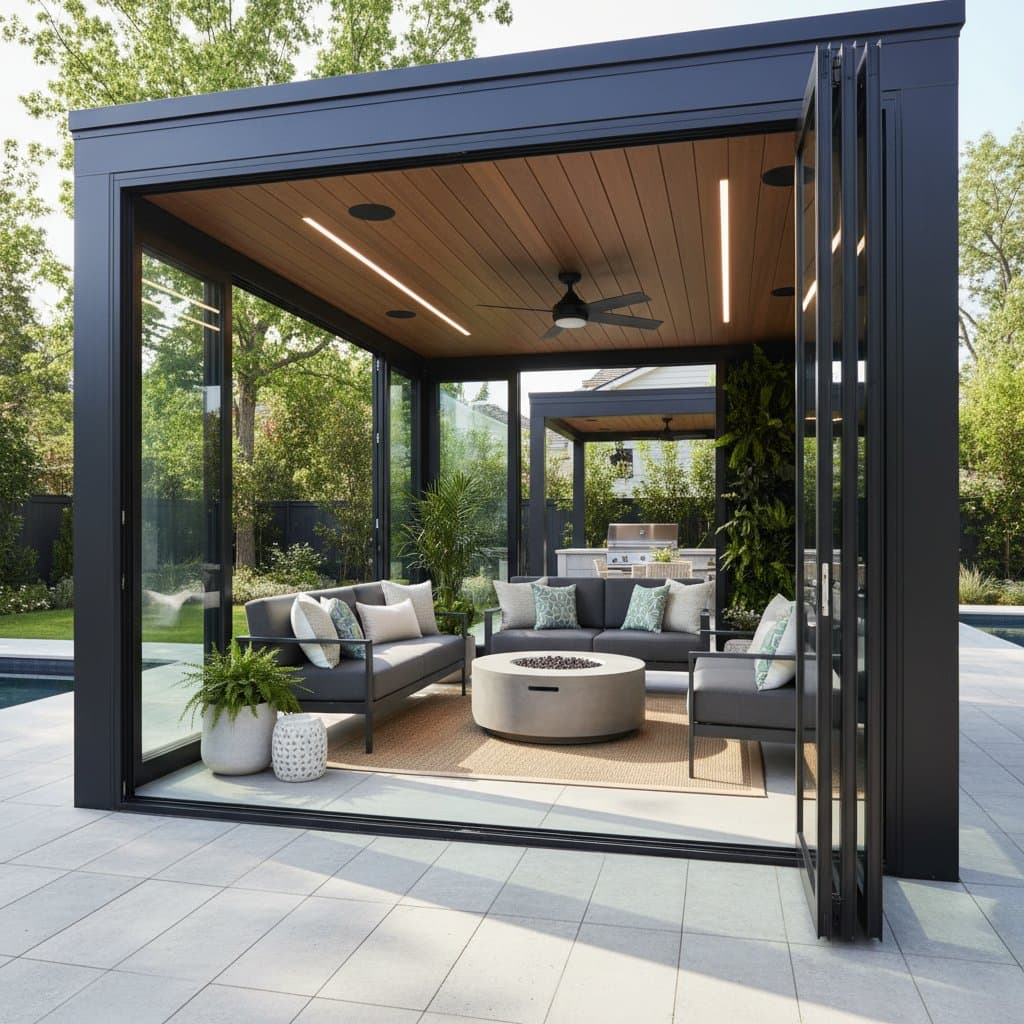
Create Year-Round Outdoor Living with Modular Rooms
Outdoor living spaces have advanced beyond basic patios and decks to become integral parts of the home. Homeowners seek seamless connections between interior comfort and exterior enjoyment, with options for adaptability and aesthetic harmony. Modular outdoor rooms fulfill these needs through customizable designs that include retractable elements and climate management, enabling use in all weather conditions while preserving elegance.
Imagine converting a simple patio into a sheltered lounge during chilly evenings or an open entertainment area on sunny afternoons. These structures provide that versatility. The following sections detail their components, pricing structures, material selections, and planning processes to guide your project from concept to completion.
Cost Breakdown by Size and Features
The primary factors influencing expense involve the room's dimensions and included functionalities. Smaller setups demand less material and infrastructure, whereas expansive areas with advanced integrations elevate the overall investment.
- Compact modular rooms (under 150 square feet): $15,000 to $28,000
Suited for quiet retreats like reading areas, meditation spaces, or small gathering spots. - Mid-sized modular rooms (150 to 300 square feet): $28,000 to $50,000
Popular for dining zones or hybrid areas that blend lounging with light meal preparation. - Expansive modular rooms (over 300 square feet): $50,000 to $90,000 or more
Frequently equipped with complete cooking facilities, temperature regulation, and adjustable roofing mechanisms.
Budget for an additional $4,000 to $6,000 per extra 50 square feet, adjusted for selected finishes and enhancements.
Installation Labor Expenses
Labor accounts for 30 to 45 percent of the total budget. Engage a certified professional experienced in modular and adjustable installations. Hourly rates fall between $60 and $125, varying by project intricacy and regional standards.
Key labor components encompass:
- Site evaluation and base construction: $2,000 to $6,000
This step ensures a stable platform, often involving leveling and drainage improvements. - Structural framing and panel mounting: $8,000 to $20,000
Assembly of prefabricated parts demands precision to align with site conditions. - Wiring and illumination systems: $1,500 to $4,000
Safe integration of power sources supports lighting and appliance needs. - Climate control systems: $2,000 to $7,000
Incorporation of heating or cooling units enhances seasonal usability. - Regulatory approvals and checks: $500 to $2,000
Compliance with codes prevents delays or rework.
Additions like water lines, built-in appliances, or automated roofing may raise expenses by 10 to 20 percent due to specialized expertise.
Strategies to Reduce Expenses on Modular Outdoor Rooms
Achieve savings through deliberate choices that maintain durability and appeal. Focus on efficiency from the outset to optimize long-term value.
- Opt for predefined module dimensions. Factory-built components lower production costs and accelerate setup compared to bespoke configurations.
- Choose hand-operated sliding panels over automated ones for essential budget constraints.
- Incorporate synthetic deck materials rather than timber to minimize upkeep and replacement needs.
- Embed wiring pathways during initial build phases, even if outlets activate later.
- Collaborate with regional specialists in modular builds to cut transportation and overtime charges.
- Sequence landscaping efforts post-installation, allowing adjustments based on the completed form.
- Consolidate tasks such as electrical work and surface treatments with a single team to streamline oversight and fees.
These approaches, combined with incremental enhancements, can trim costs by 10 to 25 percent versus comprehensive custom projects launched hastily.
Pitfalls to Steer Clear Of in Modular Room Projects
Proactive avoidance of frequent errors preserves timelines, finances, and structural integrity. Address potential issues early for reliable outcomes.
- Neglect regulatory approvals. Modular designs still demand oversight for safety and zoning compliance.
- Overlook base requirements. Inadequate foundations result in instability and accelerated wear.
- Pursue excessive personalization upfront. Begin with expandable frameworks to accommodate later modifications.
- Disregard thermal barriers and airflow. Effective year-round use relies on balanced environmental controls beyond mere enclosures.
- Pair mismatched substances. Combining ferrous elements with raw lumber invites rust or distortion.
- Disregard moisture diversion. Proper grading prevents accumulation that could damage the build.
Diligent focus on these aspects guarantees a secure, enduring space that delivers consistent enjoyment.
Frequently Asked Questions About Modular Outdoor Rooms
Does a modular outdoor room require permits?
Most local authorities mandate approvals for setups involving power, fixed bases, or bounding walls. Consult your area's building office prior to procurement or assembly to ensure adherence.
What is the typical installation duration?
Completion spans 2 to 6 weeks after delivery, influenced by groundwork, approvals, and system sophistication. Ready-made assemblies might finish in one week under ideal circumstances.
Are modular rooms resilient in severe conditions?
Premium builds endure gusts, precipitation, and thermal fluctuations. Corrosion-resistant alloys and sealed insulation combat environmental threats. In storm-vulnerable regions, request reinforced securing methods from installers.
Which elements ensure all-season comfort?
Essential components feature heat-retaining barriers, adjustable transparent barriers, overhead circulation, underfoot warmth, and built-in sun blockers. These integrations facilitate effortless adaptation to weather shifts without disassembly.
How do adjustable walls function?
These consist of gliding or accordion-style sections crafted from tempered glass, engineered composites, or durable plastics. Manual or powered rails enable fluid shifts between enclosed security and open ventilation.
What maintenance does a modular room demand?
Routine care remains light relative to site-built alternatives. Wipe surfaces periodically, apply track lubricants annually, and examine weatherproofing. Non-porous alloys and synthetics respond well to basic rinsing.
Can modular outdoor rooms boost property worth?
Indeed, thoughtfully executed additions elevate market appeal by 8 to 15 percent. They expand functional areas, appealing to prospective owners who value versatile hosting capabilities.
Steps to Launch Your Modular Outdoor Project
Begin by assessing your patio's dimensions and intended uses, then consult local experts for feasibility. Select materials aligned with your climate and style preferences to ensure harmony with your home. Finalize with a detailed timeline that incorporates permits and phased builds, securing a space that enhances daily life and property potential.