
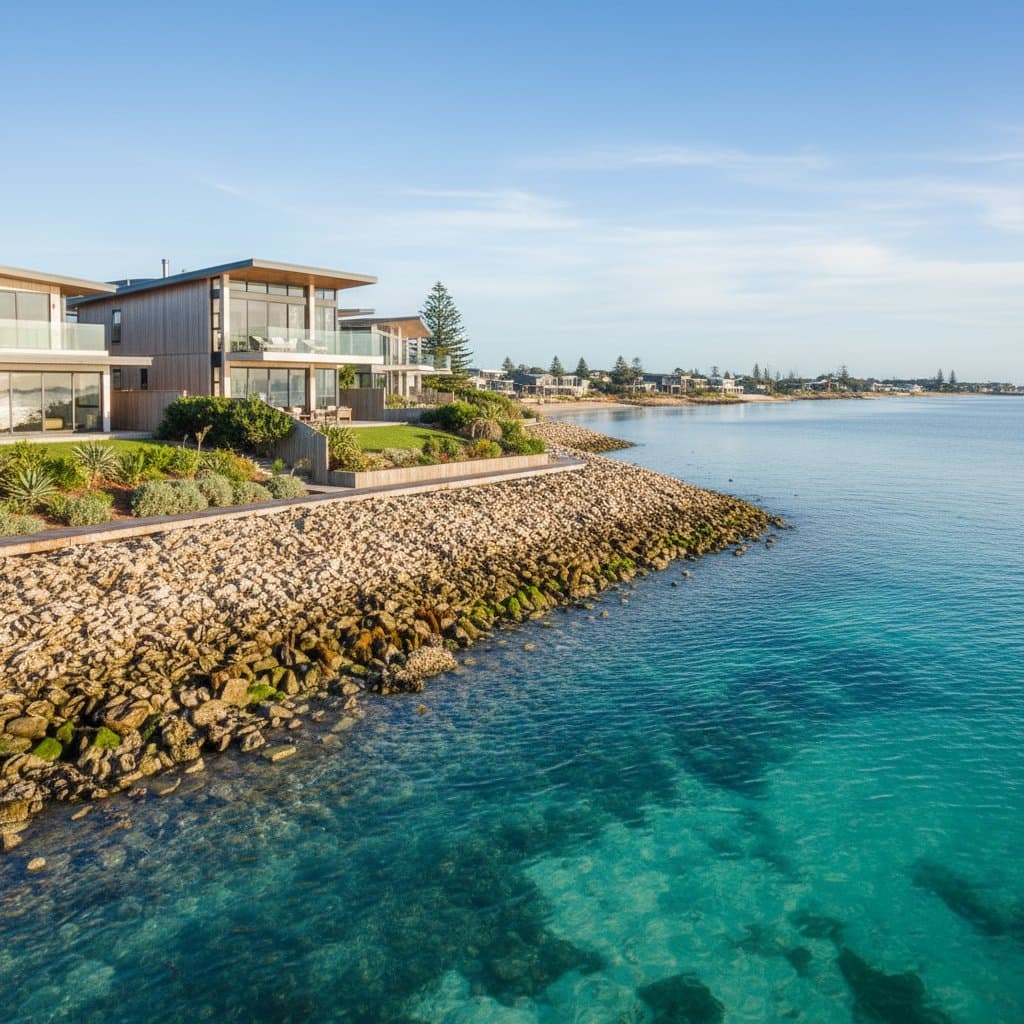
Oyster Reefs as Natural Coastal Defenders
Picture a shoreline after a storm. Waves roll in with energy softened by clusters of living oysters. These shells form ridges that protect the coast as effectively as concrete, yet the barriers breathe, filter water, and grow stronger over time. Communities along many coasts now recognize that oyster reefs achieve results traditional seawalls cannot match. They defend shorelines, support marine life, and improve water quality.
This guide explains how oyster reefs serve as the next generation of coastal protection. Readers will find details on costs, structure types, installation choices, and maintenance practices. Average installation costs range from 150 to 900 dollars per linear foot based on materials, labor, and permits. The long term return includes durable shorelines and healthier marine ecosystems.
Property owners near vulnerable coasts or participants in community projects may find oyster reefs a practical choice for protection and sustainability. Large scale work benefits from consultation with coastal restoration specialists.
Cost Factors
Several elements influence total expense. Material selection, site access, and regulatory requirements all play roles. Recycled shells lower material costs while professional labor adds to the budget for complex sites.
Types and Options
Oyster reefs appear in multiple forms suited to different conditions. Selection depends on wave energy, slope, regulations, and project goals.
Shell Bag Reefs
Mesh bags filled with oyster shells stack along the shore. Young oysters attach to the shells and create a living structure.
Best suited to calm bays and residential waterfronts.
Advantages include low material cost, quick habitat creation, and natural water filtration. Drawbacks involve occasional restacking after storms and slower height gains.
Reef Balls and Modular Blocks
Dome shaped or interlocking units mimic natural reefs. They resist strong currents and accept oyster larvae before placement.
Best suited to high energy coastlines with severe erosion.
Advantages include high durability and immediate structure. Drawbacks include higher cost and need for heavy equipment.
Hybrid Living Shorelines
These systems combine reefs with marsh grasses and gentle slopes. They deliver both physical protection and habitat value.
Best suited to community sites and park shorelines.
Advantages include combined erosion control and biodiversity gains. Drawbacks include design complexity and permit requirements.
Ways to Manage Costs
Strategic approaches keep projects affordable.
- Partner with conservation groups that run shell recycling programs.
- Organize volunteer builds to cut labor expenses.
- Source recycled shells from local restaurants.
- Schedule work during low tide periods to limit equipment needs.
- Add marsh vegetation to reduce required reef size.
Even small contributions to local programs support measurable coastal improvements.
Environmental Benefits
Oyster reefs provide multiple functions beyond wave protection.
- Erosion control through absorption and deflection of wave energy.
- Water filtration at rates up to 50 gallons per oyster each day.
- Habitat for fish, crabs, shrimp, and birds.
- Carbon storage within shell calcium carbonate.
- Continuous reinforcement as oysters grow and reproduce.
These combined benefits position oyster reefs among the most sustainable shoreline options.
Frequently Asked Questions
How long does an oyster reef take to become effective? A reef typically reduces wave impact within six months. Full maturity and independent maintenance require two to three years.
Do oyster reefs produce odors or attract pests? Cured shells remain odor free. Submerged reefs support clean marine growth and improve fishing without pest issues.
Can oyster reefs withstand major storms? Mature reefs absorb force better than rigid walls. Shifting shells occur yet natural regrowth restores structure.
Are oyster reefs safe near swimmers and boaters? Marked reefs placed outside navigation lanes remain safe. Direct contact with sharp shells should be avoided.
Do small reefs require permits? Most jurisdictions mandate approval even for modest projects to protect ecosystems and navigation.
Ongoing Care for Established Reefs
Regular observation supports long term performance. Monitor for sediment, invasive species, or algae. Reposition shifted shells at low tide and avoid removing live oysters.
Neighbor participation strengthens connected reef networks and improves conditions across bays and inlets.
Supporting Coastal Resilience
Oyster reefs demonstrate a practical partnership with natural processes. Communities gain adaptable protection that improves with age while restoring marine environments.