
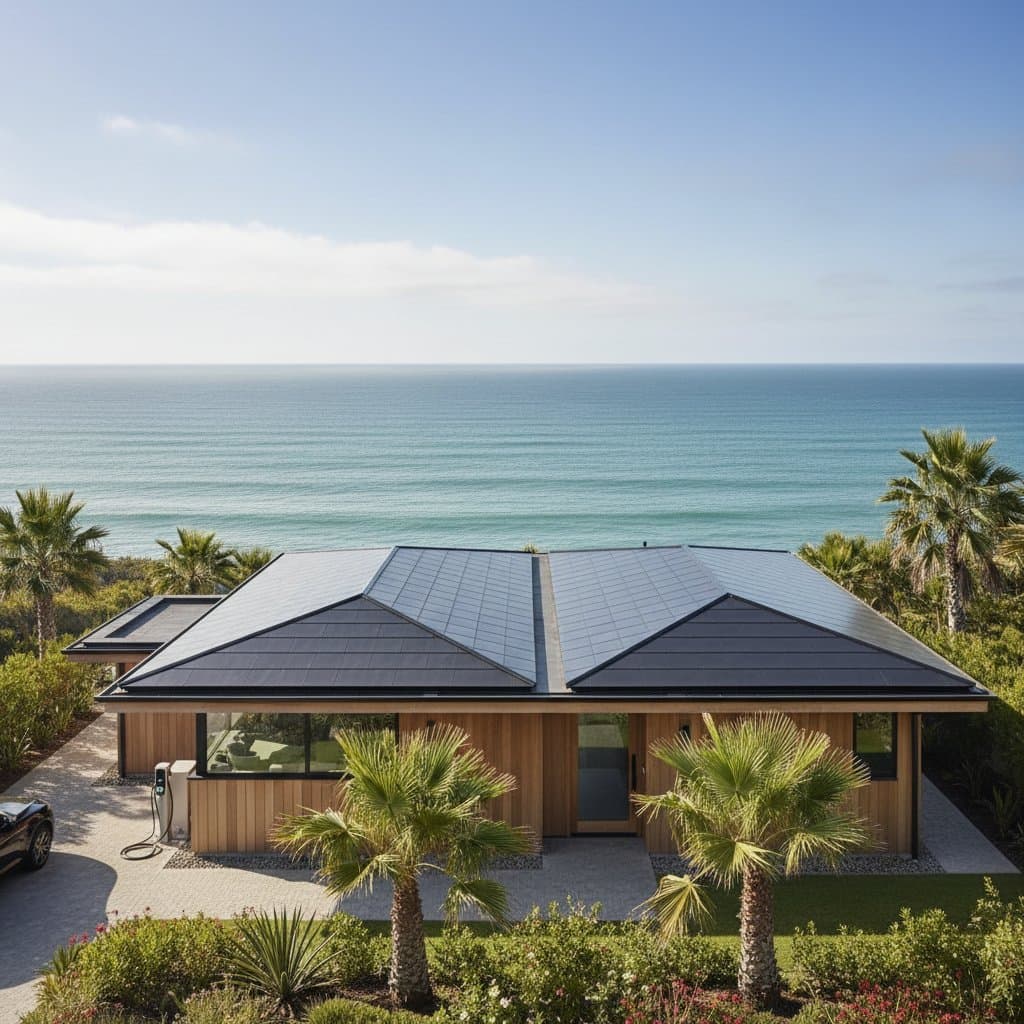
Solar Shingles Pay Off Faster in Coastal Climates
Coastal homeowners increasingly choose solar shingles for substantial energy savings and elegant design integration. These innovative roofing solutions combine photovoltaic technology with traditional shingle aesthetics, performing exceptionally well in sunny, salty environments. This article explores their advantages, return on investment drivers, and practical strategies for installation and maintenance to achieve optimal efficiency and enduring value.
Understanding Solar Shingles
Solar shingles represent an advanced form of solar energy capture integrated directly into roofing materials. Unlike traditional solar panels mounted atop roofs, these shingles replace conventional roofing while generating electricity. Manufacturers design them to mimic the appearance of asphalt or composite shingles, ensuring a seamless look that enhances curb appeal.
In coastal regions, where sunlight abounds and space for large panel arrays may prove limited, solar shingles offer a practical alternative. They withstand harsh weather conditions, including high winds and salt exposure, better than some panel systems. Homeowners appreciate their dual functionality, which eliminates the need for separate roof coverings and solar installations.
Key features include flexibility in installation on various roof pitches and durability ratings that exceed standard shingles. Production capacities vary, but leading models generate between 45 to 72 watts per shingle, allowing for scalable energy output based on roof size.
Advantages in Coastal Environments
Coastal climates present unique challenges and opportunities for solar technologies. Abundant sunshine accelerates energy production, often yielding 20 to 30 percent more output than in inland areas with similar panel efficiencies. Solar shingles capitalize on this by absorbing sunlight across larger roof surfaces without gaps caused by mounting hardware.
Salt air and humidity accelerate corrosion on standard solar panels, but solar shingles incorporate protective coatings and materials resistant to such elements. Studies indicate these shingles maintain efficiency levels above 90 percent after a decade in marine environments, compared to 80 percent for exposed panels. This resilience reduces replacement costs and extends system lifespan.
Moreover, coastal properties frequently face aesthetic regulations or homeowners association rules favoring unobtrusive designs. Solar shingles blend invisibly, preserving architectural harmony while boosting property values. Real estate experts note that homes with integrated solar features sell 5 to 10 percent faster in beachfront markets.
Factors Driving Quick ROI
Return on investment for solar shingles hinges on several interconnected elements, particularly in coastal settings. High local energy rates, often 25 to 40 cents per kilowatt-hour in areas like California or Florida, amplify savings from generated power. A typical 3,000-square-foot roof equipped with solar shingles might offset 70 to 80 percent of annual electricity needs, translating to thousands in yearly bill reductions.
Government incentives further shorten payback periods. Federal tax credits cover 30 percent of installation costs through 2032, while state rebates in coastal regions add thousands more. For instance, programs in sunny states provide upfront grants or low-interest loans tailored to renewable installations.
Durability plays a crucial role in long-term economics. Solar shingles carry warranties of 25 years for energy production and 40 years for roofing integrity, outlasting traditional options. In corrosive coastal air, this longevity minimizes repair expenses, with projected lifespans reaching 50 years under optimal conditions.
By 2026, experts forecast even faster ROI due to declining manufacturing costs and rising utility prices. Projections suggest payback times dropping to 5 to 7 years in high-sunshine zones, compared to 8 to 12 years elsewhere. Homeowners who install now position themselves for these trends, maximizing cumulative savings over decades.
Planning Your Solar Shingle Installation
Effective planning ensures solar shingles deliver promised benefits. Begin with a professional energy audit to assess roof orientation, shading from nearby structures or trees, and current energy consumption patterns. South-facing roofs in the northern hemisphere capture maximum sunlight, ideal for coastal homes with ocean views.
Select certified installers experienced in coastal applications. They evaluate structural integrity to support the added weight, typically 2 to 3 pounds per square foot, similar to premium shingles. Integration with home energy systems, such as battery storage, enhances reliability during frequent power outages from storms.
Budgeting involves calculating total system size based on daily energy use. For a family of four, a 5 to 7 kilowatt system suffices, covering essentials like lighting, appliances, and air conditioning. Financing options range from cash purchases to solar loans with terms under 10 percent interest, preserving cash flow.
Permitting processes vary by locality, but coastal areas often streamline approvals for renewables. Expect timelines of 2 to 4 months from consultation to activation, with minimal disruption to daily life.
Installation Best Practices
Installation demands precision to optimize performance and safety. Crews remove old roofing materials layer by layer, inspecting for underlying damage common in salty environments. They then lay solar shingles in a staggered pattern, wiring them in series for efficient power flow to inverters.
In windy coastal zones, secure fastening techniques prevent uplift during gusts exceeding 110 miles per hour. Grounding systems protect against lightning strikes, prevalent in humid areas. Post-installation testing verifies output levels and grid connectivity, ensuring compliance with utility interconnection standards.
Homeowners benefit from choosing shingles with microinverters, which convert power at the shingle level for higher efficiency in partially shaded conditions. This setup reduces losses from bird droppings or debris, common near beaches.
Maintenance for Longevity and Efficiency
Routine maintenance sustains solar shingle performance in challenging coastal conditions. Inspect annually for salt buildup, which can reduce output by 5 to 10 percent if untreated. Gentle rinsing with fresh water and mild soap restores surfaces without damaging coatings.
Monitor system performance through integrated apps that track energy production and alert to issues. Professional cleanings every two years address accumulated sand or pollen, preserving warranty validity.
Address minor repairs promptly, such as replacing individual shingles affected by hail or falling branches. Most manufacturers offer replacement programs, minimizing downtime. Integrating smart home controls automates usage, further cutting costs during peak rate hours.
Maximizing Protection and Value
Solar shingles provide more than energy generation; they fortify homes against coastal threats. Impact-resistant models shield against flying debris during hurricanes, potentially lowering insurance premiums by 10 to 15 percent. Fire ratings meet class A standards, offering peace of mind in dry, windy seasons.
Over time, these investments enhance financial security. Excess power fed back to the grid through net metering generates credits, offsetting future bills. As energy independence grows, so does resilience to fluctuating utility prices and environmental changes.
Coastal dwellers who adopt solar shingles secure a sustainable future, blending innovation with practicality. The combination of quick ROI, aesthetic appeal, and robust protection makes them a superior choice for seaside living.