
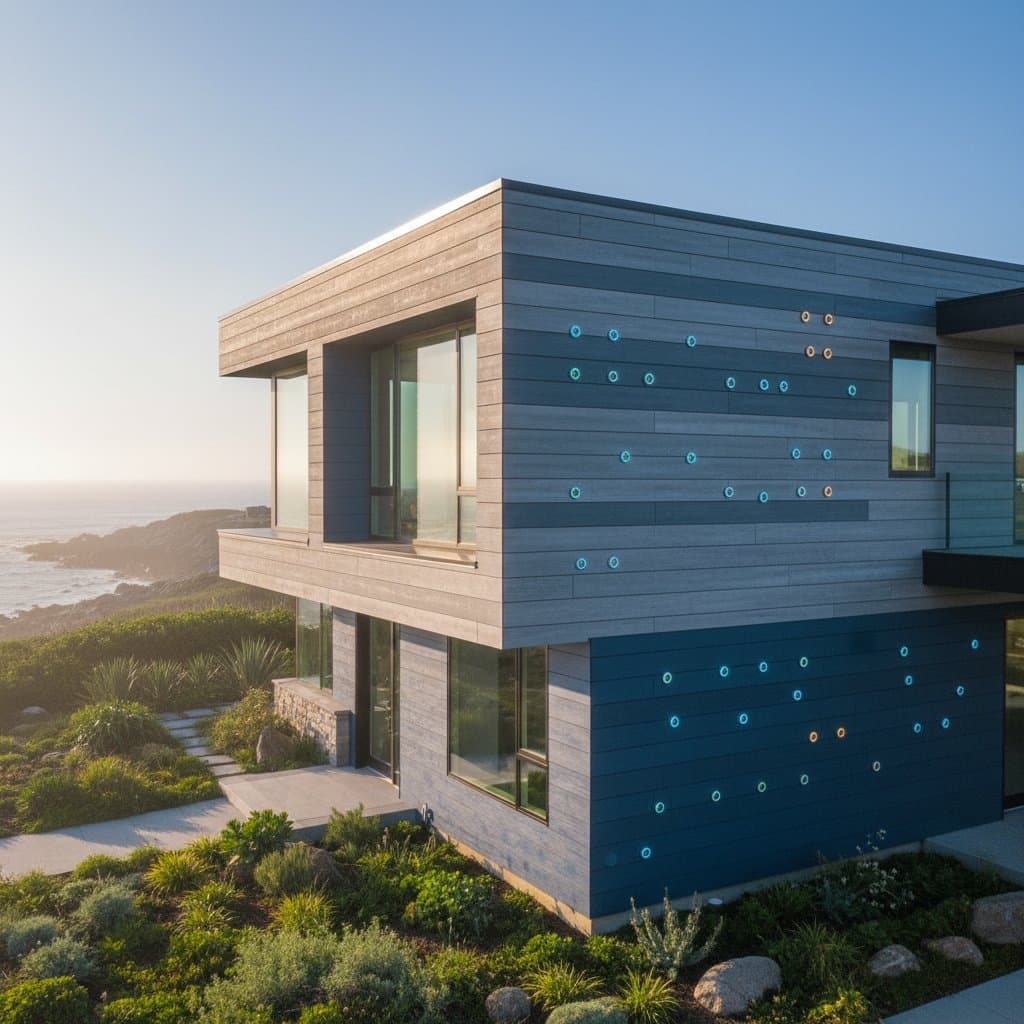
Smart Siding Monitors Moisture to Combat Coastal Rot
Smart siding changes the landscape of exterior protection for homeowners along the coast. In areas such as San Diego, where salty ocean winds combine with elevated humidity, conventional siding materials frequently distort or decay. Smart siding incorporates moisture technology to shield homes from these severe elements while preserving an elegant, pristine appearance.
The Importance of Smart Siding in Coastal Environments
Residence near the ocean exposes structures to persistent dampness. Ordinary wood and fiber cement sidings absorb water, which causes expansion, fractures, and mold proliferation. Smart siding addresses these challenges through innovative composite materials and integrated moisture sensors that monitor humidity beneath the surface.
Homeowners gain the ability to identify issues promptly, which avoids substantial repair expenses and maintains structural integrity. This leads to reduced upkeep, extended durability, and enhanced defense against decay and fungal growth.
Average installation cost: $9 to $15 per square foot
Expected lifespan: 30 to 50 years with appropriate maintenance
The Mechanics of Moisture Detection Technology
Contemporary smart siding employs a multi-layered design to deflect and observe moisture. Under the exterior surface, a network of sensors or a moisture-barrier system detects variations in humidity and sends notifications to homeowners via a linked application or dashboard.
Essential Components
- Moisture sensors: Identify increasing humidity levels prior to any harm.
- Hydrophobic coating: Deflects water to block absorption.
- Ventilated backing: Permits moisture trapped inside to dissipate naturally.
- Data alerts: Deliver immediate updates on the condition of walls.
This blend of protective elements and electronic oversight maintains the siding in a dry, resilient state. For instance, sensors can detect subtle shifts caused by fog or rain, triggering alerts that prompt simple preventive actions like adjusting ventilation.
Evaluating Siding Choices for Coastal Properties
Selecting the right siding involves weighing factors such as cost, resistance to elements, and longevity. The table below compares popular options, highlighting why smart composite stands out in humid, saline settings.
| Siding Type | Cost per Sq. Ft. | Moisture Resistance | Maintenance Level | Lifespan |
|---|---|---|---|---|
| Vinyl | $3 - $6 | Moderate | Low | 20 - 30 years |
| Fiber Cement | $7 - $12 | High | Medium | 25 - 40 years |
| Smart Composite | $9 - $15 | Excellent | Low | 30 - 50 years |
| Natural Wood | $6 - $10 | Low | High | 15 - 25 years |
Smart siding excels in moisture management and overall performance. Although the upfront price exceeds that of vinyl or wood, savings from infrequent repairs and prolonged service life justify the investment. Consider a 2,000-square-foot home: smart siding could save thousands in maintenance over decades compared to traditional alternatives.
Advantages Extending Past Moisture Protection
Smart siding delivers value beyond basic shielding. Its engineered makeup and light-reflective surface aid in stabilizing interior temperatures, which lowers energy use for air conditioning in mild coastal summers. Numerous products incorporate recycled components, aligning with environmental priorities while upholding superior quality.
Further Advantages:
- Withstands color fading and corrosion from salt
- Enhances property market value through modern upgrades
- Offers options for diverse textures and hues
- Connects seamlessly with home automation networks
These features not only protect the home but also elevate daily comfort and aesthetic appeal. For example, integration with smart thermostats can optimize energy flow based on exterior conditions.
Strategies for Budgeting and Installation
Upgrading to smart siding requires careful financial planning that accounts for immediate and future expenses. Professional labor often comprises 40 to 50 percent of the overall project cost. Engage installers certified in smart technologies to guarantee secure sensor placement and system integration.
Practical Guidance:
- Obtain several estimates to evaluate material quality and labor pricing.
- Allocate 10 percent of the budget for potential modifications.
- Time the project for drier seasons to minimize disruptions from precipitation.
- Confirm coverage under warranties for materials and electronics alike.
Professional assessment before installation can reveal site-specific needs, such as reinforcing older frames to support the siding's weight and wiring.
Frequently Asked Questions
How does smart siding prevent rot?
It deflects moisture via hydrophobic coatings and monitors internal humidity levels, sending alerts to homeowners before mold or rot takes hold.
Can smart siding connect to my home automation system?
Yes, numerous models integrate with popular smart home platforms to enable real-time oversight and automated notifications.
Is smart siding suitable for older homes?
Yes, it adapts well to established buildings when paired with updated insulation and underlying sheathing.
What maintenance does it require?
Routine washing with a gentle detergent and water, along with occasional sensor inspections, suffices for optimal operation.
Does it affect home value?
Yes, the addition of advanced siding with intelligent capabilities boosts resale potential through lower ongoing costs and heightened visual allure.
Safeguarding Coastal Exteriors Long-Term
Adopting smart siding marks a proactive step in coastal homeownership. This technology merges robust construction with precise moisture oversight to deliver enduring resistance to dampness and marine influences. Homeowners achieve peace of mind, knowing their investment withstands environmental pressures while supporting sustainable practices.