
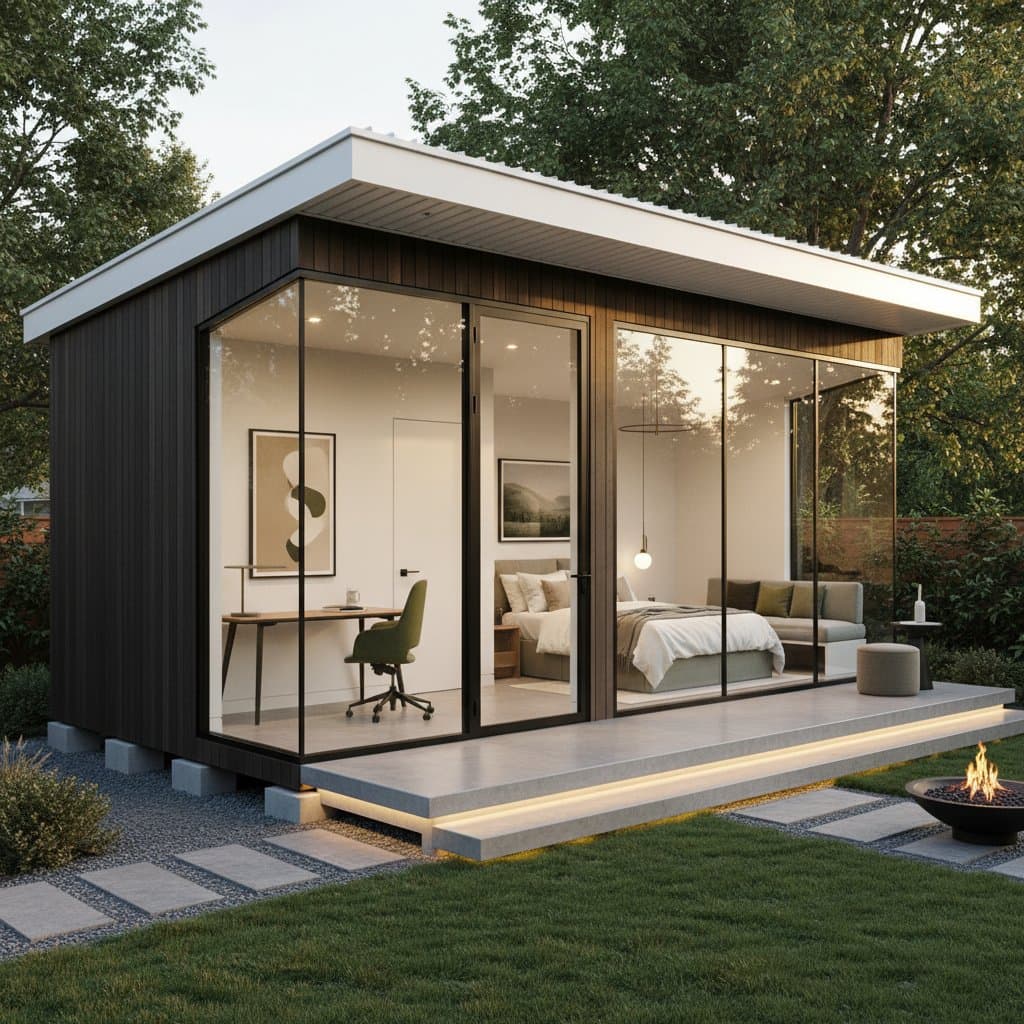
Modular Backyard Rooms: Expand Your Living Space in Days
Homeowners often seek ways to increase usable space without enduring lengthy construction projects. Modular backyard rooms provide a practical solution, delivering prefabricated structures that install swiftly and offer enduring value. These units transform underutilized outdoor areas into versatile extensions of the home, suitable for work, relaxation, or entertainment.
Modular rooms arrive nearly complete from the factory, minimizing on-site labor and disruption. Installation typically involves placing the unit on a prepared foundation and connecting utilities. This approach contrasts sharply with traditional builds, which can span months and involve extensive permitting and weather delays.
Understanding Costs for Modular Backyard Rooms
Budgeting for a modular room requires consideration of base price, site preparation, and add-ons. Entry-level models start at $15,000 for basic 120-square-foot units, while larger or feature-rich options reach $80,000 or more. Factor in delivery fees, which range from $1,000 to $3,000 depending on distance from the manufacturer.
Several elements influence the final expense:
- Customization options: Select upgraded finishes such as hardwood flooring or custom cabinetry, or incorporate advanced insulation for better energy efficiency; each choice elevates the total by 10 to 30 percent.
- Design complexity: Incorporate features like sliding glass walls for seamless indoor-outdoor flow, skylights for natural light, or integrated decks for expanded usability; these additions increase material and labor costs by $5,000 to $15,000.
- Climate considerations: In regions with harsh weather, opt for reinforced insulation or weatherproofing materials to ensure durability; this can add $2,000 to $5,000 to the quote.
Develop a detailed site plan early and maintain open dialogue with the installer to avoid surprise charges. Obtain multiple quotes and review what each includes, such as foundation work or utility connections, to secure the best value.
DIY Assembly Versus Professional Installation: Weighing Options
Certain modular systems promote self-assembly for cost savings, yet this suits only compact, simple designs. Larger units demand expertise for alignment, sealing, and integrations like wiring or plumbing. Professional services guarantee adherence to safety standards and preserve manufacturer warranties.
| Installation Method | Typical Cost Range | Key Benefits | Potential Drawbacks |
|---|---|---|---|
| DIY Kit | $10,000 - $20,000 | Reduced expenses; schedule control on your terms | Lacks assembly warranty; inferior insulation quality; potential code violations |
| Professional Service | $25,000 - $65,000 | Ensures building code compliance; comprehensive warranty; professional-grade results | Greater initial investment; depends on contractor availability |
For rooms requiring electrical outlets, water lines, or heating systems, professional involvement proves essential for safe, legal operation. Reserve DIY for straightforward setups, such as unpowered studios intended for occasional use.
Versatile Applications for Modular Backyard Rooms
Modular rooms excel in adaptability, serving diverse roles that align with evolving family dynamics. Their prefabricated nature allows easy reconfiguration, ensuring the space remains relevant over time.
- Dedicated home office: Create a distraction-free environment with built-in desks and ample lighting, just steps from the main house.
- Guest accommodations: Provide private quarters complete with sleeping areas and en-suite facilities for overnight visitors.
- Fitness area: Equip with mats, weights, or mirrors to support daily workouts, yoga sessions, or mindfulness practices.
- Artistic workspace: Design for hobbies like painting, instrument practice, or writing, with storage for supplies and tools.
- Youth lounge: Offer teenagers a supervised yet independent zone for socializing or studying.
- Income-generating rental: Outfit for guest stays via platforms, featuring essentials like Wi-Fi and basic furnishings.
This multifunctionality positions modular rooms as smart investments, enhancing daily life while potentially increasing property appeal.
Frequently Asked Questions on Modular Backyard Rooms
Permit Requirements for Installation
Local rules dictate permitting based on structure size and features. Structures below 120 square feet often qualify for exemptions in many areas, though additions like wiring or pipes trigger inspections. Consult your municipal office or a local contractor to confirm specifics and avoid fines.
Timeline from Order to Use
Expect the core installation to span two to seven days once the unit arrives. Account for one to four weeks of lead time for site prep, permits, and delivery. This rapid process delivers a usable space weeks ahead of conventional methods.
Relocating the Structure
Most designs support disassembly and transport. Professionals use cranes to lift and reposition the unit onto a new base. Plan for costs around $3,000 to $7,000, making it viable for property changes or relocations.
Foundation Specifications
Standard options include concrete slabs for stability, pier blocks for uneven terrain, or elevated steel frames for flood-prone sites. Select based on soil analysis and code mandates; a professional survey costs $500 to $1,500 but prevents future issues.
Insulation and Utility Integration
Panels feature rigid foam or mineral wool cores, achieving R-values akin to stick-built homes for thermal performance. Connect electricity via buried conduits to the home panel; add HVAC ducts or mini-splits for climate control as needed.
Enhancing Property Value
Prioritize versatile designs with quality insulation, multiple outlets, and resilient exteriors like cedar siding. Such upgrades can boost resale by 5 to 10 percent, appealing to buyers seeking turnkey expansions.
Durability in Harsh Conditions
Engineered frames withstand winds up to 100 mph, with sealed joints repelling moisture. Verify certifications for seismic or hurricane zones; premium models include impact-resistant windows and reinforced roofing.
Steps to Install Your Modular Backyard Room
Select a reputable manufacturer with customizable options and strong reviews. Measure your site, budget for foundation and utilities, and secure permits promptly. Coordinate delivery during mild weather to streamline setup.
Post-installation, furnish and landscape to integrate the space seamlessly. Regular maintenance, such as sealing joints annually, preserves longevity. This investment yields immediate utility and lasting enhancement to your home.