
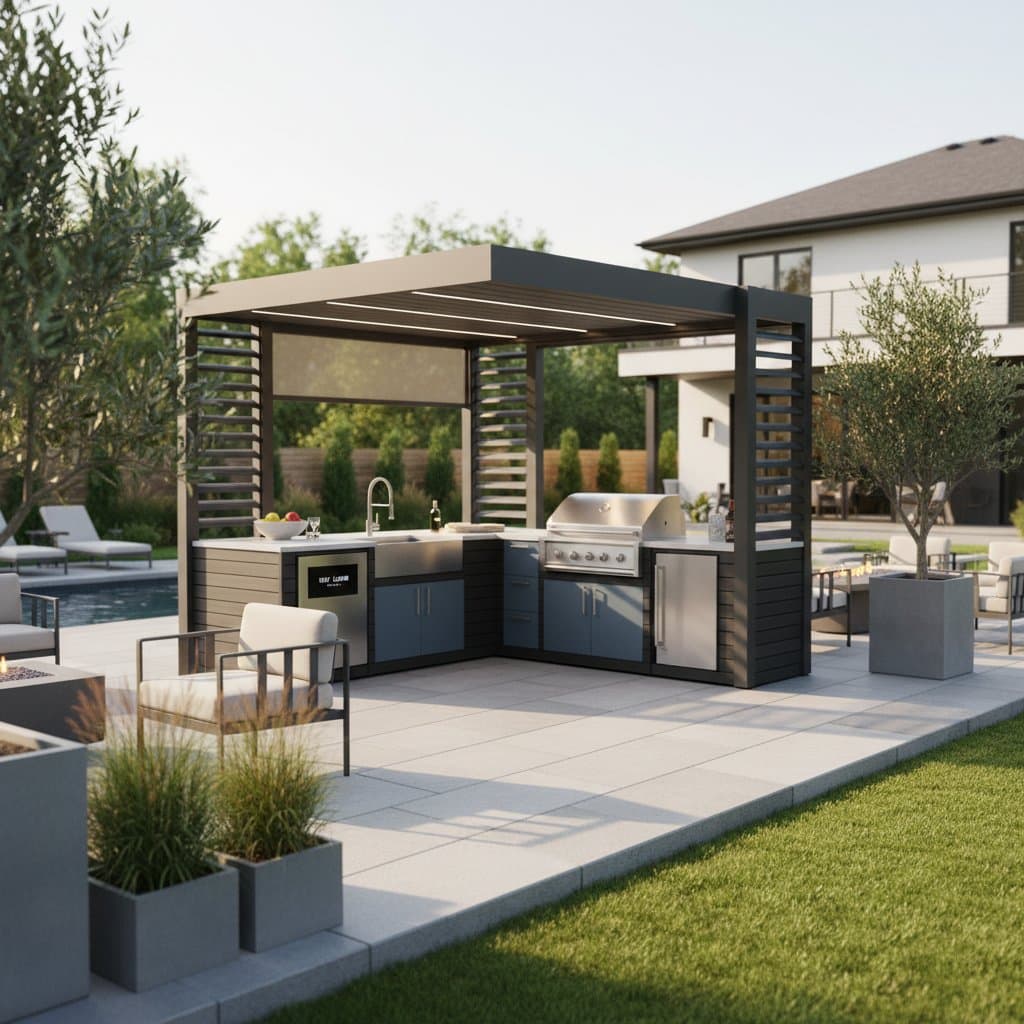
Modular Outdoor Kitchens: Install Your Dream Space in Three Days
Creating an outdoor kitchen once required weeks of design delays, material sourcing, and construction disruptions. The vision of outdoor cooking and entertaining often faded amid the prolonged process. Modular outdoor kitchens change this dynamic by delivering efficiency, adaptability, and aesthetic appeal. These systems enable a complete installation in as few as three days.
This guide details the mechanics of modular outdoor kitchens, outlines the installation process, and provides planning strategies for your project. From a simple grilling setup to a comprehensive entertaining area with seating, storage, and appliances, you gain the knowledge to proceed with assurance.
Understanding Modular Outdoor Kitchens
A modular outdoor kitchen consists of pre-engineered components that assemble into a cohesive layout. Each module serves a dedicated purpose, such as supporting a grill, accommodating a sink, housing a refrigerator, or providing storage.
Manufacturers complete most fabrication off-site, including cutting, framing, and initial finishing. On-site, teams assemble the units, integrate utilities, and apply final surfaces. This prefabrication method supports the rapid three-day timeline.
Why Homeowners Choose Modular Designs
Homeowners select modular outdoor kitchens for several key benefits:
- Rapid Installation: Prefabricated elements minimize on-site labor.
- Adaptability: Rearrange or expand modules to match evolving preferences.
- Budget Management: Begin with essentials and incorporate additions over time.
- Aesthetic Options: Select from diverse finishes, countertops, and arrangements.
- Minimal Disruption: Reduced cutting and demolition maintain a tidy worksite.
Modular systems suit various settings, from coastal properties to suburban yards, allowing personalized designs without extended delays.
Planning Your Modular Outdoor Kitchen
Thorough planning before purchase guarantees that your kitchen aligns with your space, routines, and finances.
Step 1: Identify Usage Patterns
Consider your intended activities in the outdoor kitchen. Will you accommodate large parties or focus on family meals? These insights shape the configuration and equipment selections.
Typical applications encompass:
- Grilling Station: Suited for efficient cooking and modest gatherings.
- Entertainment Center: Incorporates bar seating, cooling units, and preparation zones.
- Daily Cooking Area: Equips full counters, sinks, and storage for routine tasks.
Evaluate circulation, seating arrangements, and integration with adjacent outdoor zones.
Step 2: Select the Layout
Modular kitchens offer standard configurations:
- Linear Arrangement: Optimal for compact patios or constrained areas.
- L-Shaped Design: Separates cooking from preparation effectively.
- U-Shaped Formation: Delivers extensive counter space for several users.
- Central Island: Facilitates open access in expansive entertaining spaces.
Many suppliers provide digital previews to simulate module placement in your environment.
Step 3: Choose Appliances and Accessories
Customization defines modular kitchens. Integrate elements like:
- Built-in grills or smokers for versatile cooking.
- Refrigerators or coolers to maintain ingredients.
- Pizza ovens for specialized baking.
- Sinks with durable faucets for cleaning.
- Drawers and cabinets for organization.
- Side burners or griddles for expanded options.
- Integrated seating or extended counters.
Prioritize outdoor-rated appliances, with stainless steel prevailing for its resistance to corrosion.
Step 4: Set a Realistic Budget
Costs vary based on materials and features, typically ranging from several thousand to tens of thousands of dollars. Factor in labor and delivery, though the expedited process lowers expenses relative to bespoke constructions.
Consult suppliers or contractors early to clarify inclusions for gas, water, and electrical integrations. Regional differences, material selections, and scale influence final figures.
The Three-Day Installation Process
Modular construction renders a three-day schedule feasible. The following outlines the standard progression.
Day 1: Prepare the Site
Installers ready the installation area prior to module arrival. Tasks involve:
- Leveling the terrain or confirming patio stability.
- Locating utility routes and access points.
- Verifying drainage to avoid moisture accumulation.
For setups requiring gas or plumbing, professionals map these elements in advance.
Day 2: Assemble the Modules
Preassembled units arrive for positioning per the approved plan. Teams secure modules, then connect electrical and plumbing systems under licensed supervision to uphold safety and regulations.
By day's end, the structural framework stands complete, revealing the emerging form.
Day 3: Apply Finishes and Verify Functionality
Teams install countertops, secure hardware, and operate each appliance. They inspect gas and water lines for secure, leak-free performance.
At completion, the kitchen operates fully. Optional enhancements like illumination, protective walls, or overhead covers follow separately.
Selecting Materials for Longevity
Outdoor environments expose kitchens to sunlight, humidity, and fluctuations. Durable materials ensure enduring performance with limited upkeep.
Countertop Options
Recommended selections include:
- Granite: Withstands heat and wear on active surfaces.
- Concrete: Allows personalization, though sealing prevents absorption.
- Porcelain: Resists discoloration and remains lightweight.
Cabinet Materials
Opt for weather-resistant options:
- Stainless Steel: Thrives in moist or saline areas.
- Powder-Coated Aluminum: Avoids oxidation while preserving elegance.
- Resin or Polymer Composites: Replicates wood aesthetics without decay.
Surrounding Flooring
For added flooring, select non-slip varieties such as textured porcelain or sealed stone. These choices balance appeal and security in damp settings.
Collaborating with Experts
Professional involvement remains essential despite modular simplicity. Certified specialists guarantee adherence to safety protocols and ordinances.
Evaluating Contractors
Before engagement, perform these assessments:
- Verify Credentials: Confirm licensing for exterior projects and insurance coverage.
- Seek Testimonials: Reputable firms supply client endorsements attesting to dependability.
- Obtain Comprehensive Estimates: Review breakdowns of materials, labor, schedules, and contingencies.
- Examine Guarantees: Clarify protections from manufacturers and installers.
Reliable partners communicate transparently at every phase.
Preserving Your Outdoor Kitchen
Consistent maintenance sustains appearance and operation.
Routine and Seasonal Upkeep
- Clean surfaces immediately post-use to eliminate residues.
- Protect appliances with covers during inclement weather.
- Inspect utilities regularly for integrity.
- Reapply sealants to stone as manufacturer guidelines specify.
Future Adaptations
Modularity supports seamless expansions, such as incorporating storage or cooling units. This flexibility permits incremental development without full reconstruction.
Frequently Asked Questions
How do modular outdoor kitchens differ from custom builds?
Modular versions employ prefabricated components assembled on-site, accelerating timelines and controlling expenses. Custom constructions permit boundless personalization in form and materials, albeit with longer durations.
Is self-installation viable for modular kitchens?
Capable individuals may handle basic setups, yet experts advise professional assistance. Certified technicians manage utility integrations and compliance, safeguarding assets and residences.
What is the expected lifespan of a modular outdoor kitchen?
Quality construction and care yield decades of service. Materials like stainless steel, stone, and composites endure exposure, particularly in temperate regions.
Do modular designs fit small patios?
Affirmative. Compact modules enable efficient arrangements, including grills, counters, and mini-refrigerators, ideal for terraces or balconies.
What foundation supports a modular kitchen?
A level, firm base like concrete or pavers suffices. Alignment prevents misalignment or movement.
Can modular systems integrate gas and plumbing?
Certainly. Designs accommodate conventional connections, with professionals ensuring secure, code-compliant executions.
Do modular outdoor kitchens increase property value?
Popular among prospects, these features boost usability and market appeal. Returns depend on local trends and execution quality.
Maximizing Your Outdoor Kitchen
With installation complete, your yard extends living areas seamlessly. Modular designs facilitate cooking, gatherings, and leisure absent from drawn-out builds.
Sustain value through diligent care and consider enhancements like updated surfaces or expanded seating. Modular adaptability simplifies such evolutions, fostering enduring enjoyment for meals and moments alike.