
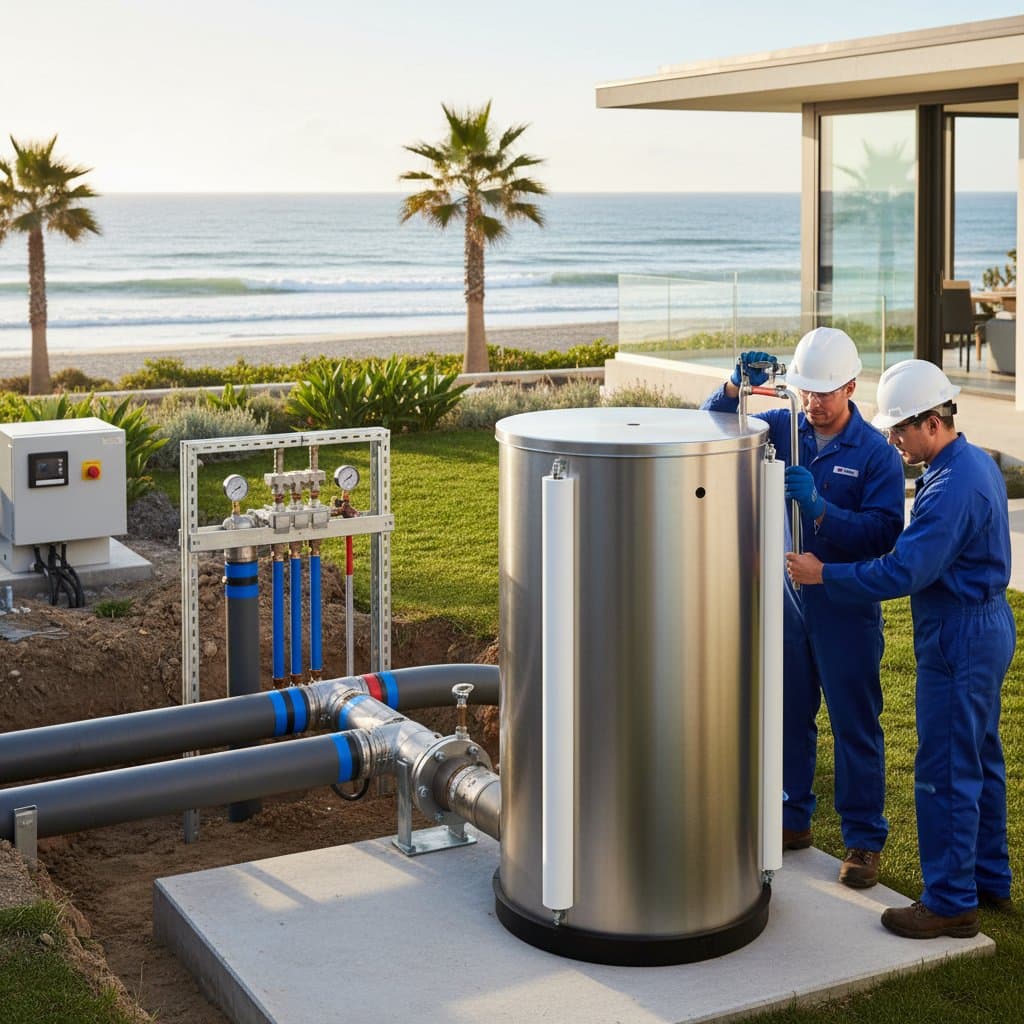
Geothermal HVAC Systems Reduce Coastal Cooling Costs by Up to 60 Percent
Summer energy bills climb rapidly for many coastal homeowners due to persistent humidity, salt-laden air, and intense cooling needs. Geothermal HVAC systems offer a reliable solution, enabling residents to lower cooling expenses by as much as 60 percent while maintaining steady comfort throughout the year.
Key Advantages
- Geothermal HVAC draws on constant underground temperatures to provide effective heating and cooling.
- Energy bill reductions range from 50 to 60 percent relative to conventional systems.
- Operation remains quiet, and durability exceeds that of typical air conditioners.
- Suitability shines in coastal areas plagued by humidity and corrosion.
- Financial incentives, including rebates, help balance installation expenses for efficiency-focused upgrades.
Understanding Geothermal HVAC
Geothermal HVAC systems harness the earth's stable temperatures to regulate home climate. Fluid circulates through buried loops to transfer heat with the ground, cooling interiors during summer and heating them in winter, without relying on fuel combustion or exposed coils vulnerable to salty atmospheres.
Photo: A cross-section diagram illustrating underground geothermal loops installed beneath a coastal residence.
This approach ensures efficiency by avoiding the sharp temperature swings that challenge traditional units, as ground conditions vary little annually.
Advantages for Coastal Properties
Standard air conditioners deteriorate swiftly in coastal settings from salt erosion, elevated moisture, and relentless exposure. Geothermal designs relocate essential components below ground, shielding them from harsh surface conditions.
Primary benefits for coastal owners include:
- Lower corrosion risk: Limited surface hardware reduces contact with saline air.
- Reliable performance: Ground stability persists regardless of atmospheric humidity.
- Extended durability: Properly installed loops endure for decades.
- Silent functionality: Absence of external condensers preserves peaceful surroundings.
Recommendation: Select contractors experienced in coastal geologies to optimize loop positioning and guard against water infiltration.
Financial Analysis
Upfront costs for geothermal HVAC surpass those of standard units, yet long-term efficiencies and incentives frequently justify the expenditure.
| System Type | Average Installation Cost | Average Annual Savings | Lifespan |
|---|---|---|---|
| Traditional HVAC | $8,000 - $15,000 | Baseline (no savings) | 10-15 years |
| Geothermal HVAC | $20,000 - $35,000 | Up to 60 percent on energy bills | 20-25 years |
Lifetime savings may reach tens of thousands in energy expenditures. Tax credits and regional rebates further accelerate return on investment.
Installation Process
- Engage a certified geothermal specialist. This professional evaluates site specifics and soil properties.
- Conduct an energy assessment. Baseline consumption data informs projected efficiencies.
- Evaluate loop configurations. Options like vertical, horizontal, or pond-based suit varied landscapes.
- Schedule ongoing servicing. Inspections of pumps, valves, and loops sustain peak performance.
Photo: A professional examining a geothermal pump assembly within a contemporary coastal dwelling.
Realizing Coastal Efficiency Gains
Post-installation delivers uniform indoor climates, improved air quality, and subdued noise levels. Residents report a balanced, gentle comfort that eliminates the harsh drafts from conventional cooling. Geothermal adoption advances sustainable practices amid escalating energy prices and ecological priorities. For upcoming remodels emphasizing efficiency, consultations with area experts reveal tailored pathways to enduring savings.