
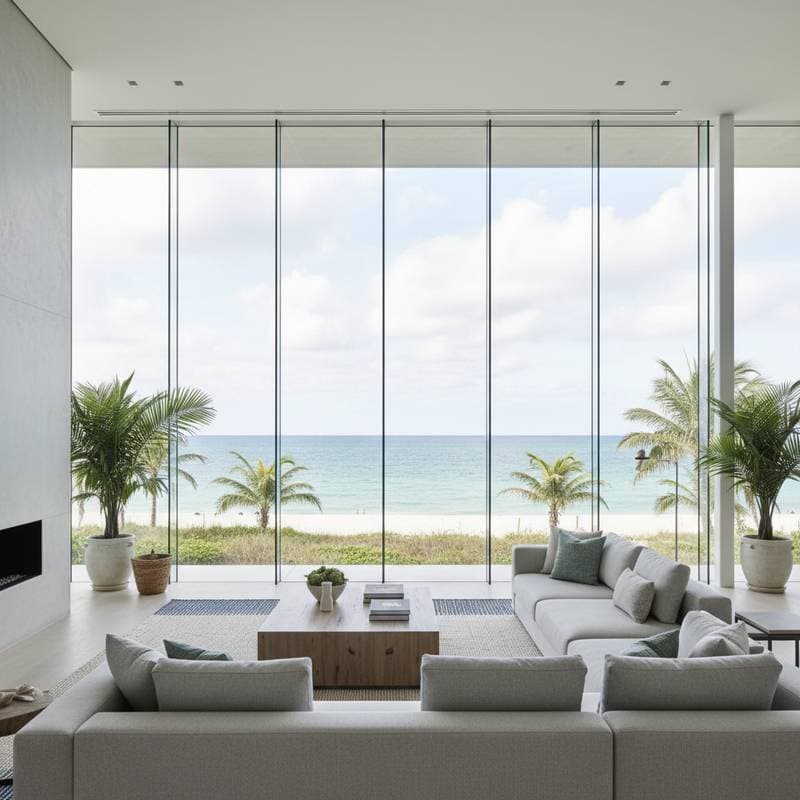
Erase Boundaries: Impact Glass for Coastal Living
Imagine standing in your living room, gazing at the ocean through floor-to-ceiling windows. The salty breeze carries the sound of waves, sunlight dances across the water, and you feel a deep connection to the coast. Impact glass delivers expansive, uninterrupted views while shielding your home from fierce coastal winds, flying debris, and harsh salt air.
This material combines aesthetic appeal with robust engineering. Designed to endure hurricane-force conditions, impact glass maintains the clarity and elegance of standard glass. Initial costs range from $90 to $130 per square foot, including installation, with most homeowners investing $12,000 to $45,000 for a complete set of impact windows, based on size and design. The benefits include enhanced peace of mind, improved energy efficiency, and consistent year-round comfort.
For those prepared to protect a coastal home without compromising style, impact glass merits serious consideration. In cases of complex installations or custom window walls, obtain quotes from professionals experienced in hurricane-rated systems.
Cost Factors
Impact glass represents a premium upgrade that provides enduring value. Impact-resistant windows typically cost $1,500 to $2,800 each for standard coastal installations. A full-house replacement generally ranges from $15,000 to $40,000, influenced by design complexity and the number of windows.
Several elements determine the overall expense:
1. Glass Composition and Strength
Impact glass consists of two panes of tempered or laminated glass joined by a clear interlayer. Options with thicker interlayers and elevated pressure ratings command higher prices but deliver superior protection.
2. Frame Material
- Vinyl frames offer affordability at $90 to $110 per square foot and strong resistance to corrosion.
- Aluminum frames provide greater strength and a slimmer profile, costing $110 to $140 per square foot.
- Fiberglass frames involve higher initial costs yet excel in insulation and weather resistance.
3. Window Size and Shape
Large picture windows, sliding glass doors, or custom configurations increase both material and labor expenses. Corner glass systems or full-wall setups may surpass $200 per square foot.
4. Installation Complexity
Replacements that align with existing openings prove more economical. Projects requiring structural reinforcement or new framing add $3,000 to $8,000 for labor and permits.
5. Coastal Code Compliance
Properties near shorelines adhere to rigorous wind and debris regulations. Certified impact glass that satisfies Miami-Dade or ASTM standards typically increases project costs by 10 to 15 percent.
DIY vs. Professional Installation
Upgrading to impact glass extends beyond simple panel replacement. Frames, anchors, and seals require adherence to stringent wind-load specifications.
DIY Difficulty: High
Skill Level: Advanced carpentry and structural expertise
When DIY Might Suit Your Needs
Experienced builders familiar with standard window installations may manage a single small window or secondary storm panel. Essential tools include a level, drill, caulk gun, shims, and safety equipment. Allocate 4 to 6 hours per unit, excluding cleanup and inspection time.
When to Engage Professionals
Full-home or multi-story projects demand a licensed contractor. Experts verify that framing, anchoring, and waterproofing align with coastal codes, while handling permits and inspections. Professional rates range from $50 to $80 per hour, preventing expensive errors and code infractions.
Tip: Inquire about installers' expertise with impact-rated systems and request documentation of certification or manufacturer training.
Strategies to Manage Costs
Impact glass qualifies as a significant investment, yet strategic approaches allow cost control without sacrificing quality.
-
Phase the Replacements
Prioritize the most vulnerable areas, such as ocean-facing walls, and address remaining sections in subsequent stages. -
Opt for Standard Sizes
Custom shapes or oversized panels substantially elevate prices. Whenever feasible, select conventional window dimensions. -
Leverage Energy Incentives
Certain areas provide rebates for impact glass featuring low-emissivity coatings or insulated glazing. Verify eligibility through local energy initiatives. -
Solicit Multiple Quotes
Contractor pricing varies considerably. Secure detailed bids that delineate materials, labor, and permit fees. -
Retrofit Existing Frames
If current frames remain structurally sound, install impact glass inserts rather than complete replacements. This method can lower total expenses by up to 30 percent.
Key Considerations Before Installation
Climate and Exposure
Coastal residences endure persistent moisture, salt spray, and high winds. Select glass certified for your area's wind zone and exposure category. In humid environments, prioritize frames equipped with corrosion-resistant hardware and effective drainage channels.
Energy Efficiency
Impact glass frequently incorporates double glazing and insulating interlayers to minimize heat transfer. This feature supports stable indoor temperatures and reduced utility costs. In sun-drenched coastal zones, choose options with a low solar heat gain coefficient.
Maintenance and Durability
Cleaning impact glass requires only mild soap and water. Conduct annual inspections of seals to avoid fogging or leaks. Well-installed systems endure 20 to 25 years with routine care.
Insurance and Resale Value
Properties equipped with certified impact glass often secure reduced insurance premiums. The enhanced security and energy benefits appeal to buyers, boosting market value.
Safety and Noise Reduction
The internal laminated layer retains fragments upon shattering, thereby lowering injury risks. Additionally, it dampens external noise, fostering a serene coastal environment.
Maintenance Tips for Enduring Clarity
-
Clean quarterly using a soft cloth and mild detergent. Steer clear of abrasive cleaners that might scratch the surface or degrade coatings.
-
Examine seals and caulking annually to confirm moisture resistance.
-
Apply lubrication to hardware on casement or sliding windows to combat corrosion.
-
Rinse away salt residue following storms to safeguard frames and preserve transparency.
-
Clear drainage holes of obstructions to avoid water accumulation.
Regular maintenance ensures optimal appearance and performance.
Frequently Asked Questions
How Strong Is Impact Glass?
Impact glass withstands wind speeds over 150 miles per hour and resists high-velocity debris. Laminated layers maintain integrity even if the outer pane fractures.
Do I Still Need Shutters with Impact Glass?
Typically, no. Certified impact windows fulfill equivalent wind and debris protection as shutters. Some owners incorporate shutters for visual appeal or extra shading.
Does Impact Glass Reduce UV Damage?
Yes. The interlayer filters up to 99 percent of ultraviolet rays, protecting interiors from fading.
Is Impact Glass Energy Efficient?
Yes. Insulating layers and sealed edges limit heat transfer and air infiltration. Numerous models meet energy-efficient certification standards.
Can I Replace One Window at a Time?
Yes. For budget constraints, proceed incrementally, beginning with ocean-facing or wind-exposed rooms.
Embracing Unobstructed Coastal Vistas
Coastal living thrives on harmony with the natural surroundings. Impact glass facilitates this harmony by providing unobstructed panoramas while defending against storms and salt exposure.
Whether constructing a contemporary beachfront residence or renovating a traditional seaside dwelling, impact glass serves as a durable enhancement. It safeguards your property, quiets the interior, and withstands environmental challenges, allowing you to fully appreciate the coastal landscape through pristine windows.