
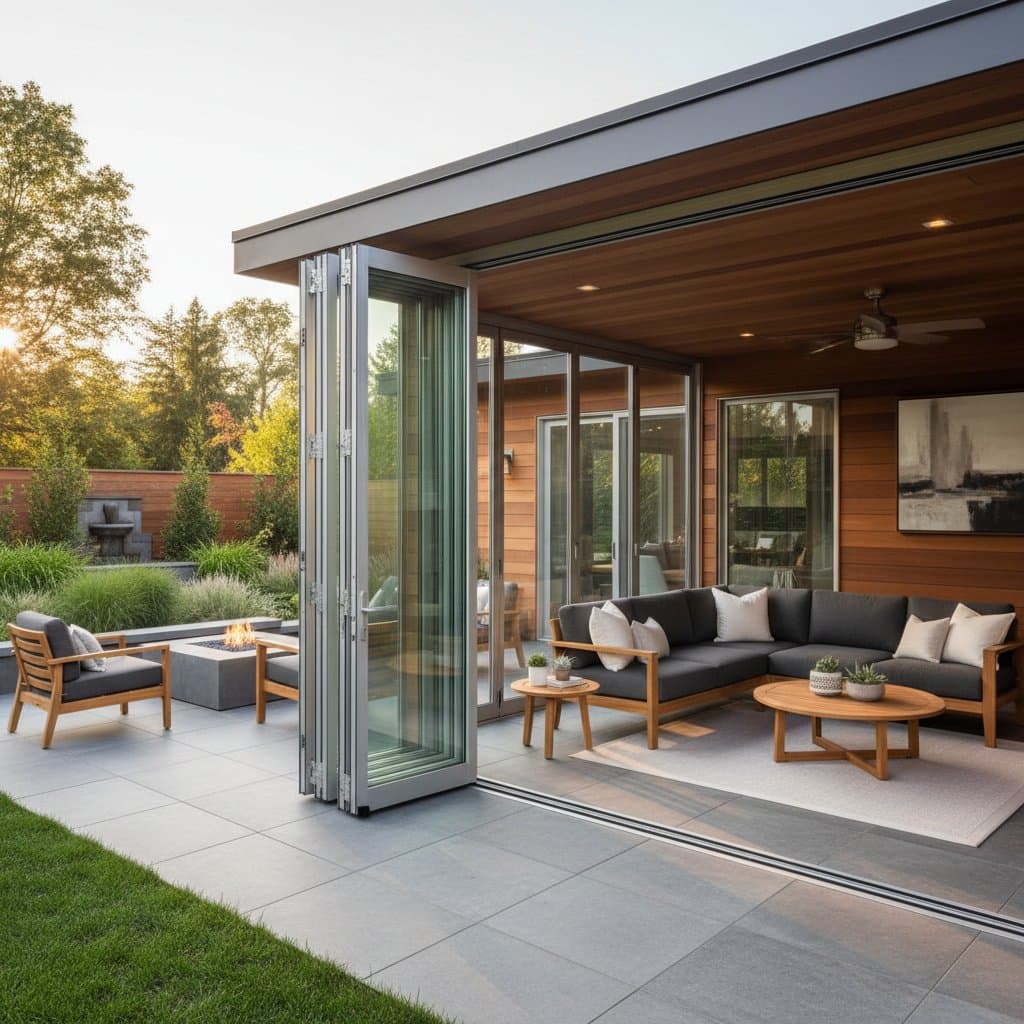
Transform Your Patio into a Versatile Year-Round Retreat
Homes in regions with temperate climates benefit greatly from designs that merge interior and exterior environments. Convertible patio rooms and modular outdoor living areas expand living space without the expense of full home extensions. These installations provide adaptable zones that adjust to daily needs and weather variations.
Consider replacing solid walls with retractable glass systems or envisioning an outdoor dining area that converts into an enclosed lounge. Such innovations unlock the full potential of modular designs. This resource details expenses, material options, planning considerations, and implementation guidance to support informed decisions for your project.
Typical Expenses for Modular Outdoor Living Areas
Convertible patio rooms or modular outdoor spaces generally range from $18,000 to $55,000 in total cost. Factors such as dimensions, selected materials, and installation intricacies determine the final figure. A standard installation averages $32,000 and incorporates retractable entrances, durable flooring, illumination, and basic environmental controls.
| Project Scale | Cost Range | Average Expense |
|---|---|---|
| Compact convertible patio (under 200 square feet) | $10,000 - $22,000 | $16,000 |
| Standard modular outdoor area | $25,000 - $40,000 | $32,000 |
| Premium all-season enclosure with complete glass surroundings | $45,000 - $85,000 | $62,000 |
These figures encompass labor, supplies, and essential elements. Premium additions like automated coverings, audio integrations, or cooking facilities increase the overall investment.
Expenses Based on Materials and Design Elements
Material selections affect both appearance and endurance. Appropriate pairings deliver enduring performance and visual harmony across seasons.
| Material or Component | Cost per Square Foot | Durability Rating | Maintenance Needs | Key Considerations |
|---|---|---|---|---|
| Aluminum framework | $50 - $75 | Excellent | Low | Suited to marine environments |
| Wood framework (cedar or redwood) | $80 - $120 | High | Moderate | Offers organic texture; needs periodic protection |
| Composite substances | $70 - $100 | Very High | Low | Resists elements; provides contemporary finish |
| Retractable glass sections | $900 - $1,400 per linear foot | High | Low | Costly yet creates uninterrupted views |
| Motorized adjustable roof | $120 - $180 per square foot | Very High | Low | Regulates light and precipitation effectively |
Wood appeals for its inviting character, while aluminum and composites excel in moisture-prone settings. Flexible enclosures and adjustable roofs enable seasonal versatility.
Labor and Setup Expenses
Labor constitutes 35 to 50 percent of the project budget. Regional differences apply, yet standard charges include:
- $75 to $125 hourly for certified specialists
- $4 to $8 per square foot for assembly and support structures
- $2 to $6 per square foot for wiring and fixture placement
- $3 to $7 per square foot for surface installations
Projects involving utilities, fuel lines, or automated mechanisms demand expert involvement. Insist on a breakdown separating labor from materials for transparency.
Elements Affecting Overall Expenses
Each modular outdoor project varies based on specific conditions. Key influences include:
- Dimensions and extent of the build
- Enclosure style, from glass barriers to mesh coverings or skeletal supports
- Base preparation, such as concrete pads or elevated platforms
- Utility integrations for power and water
- Surface options like tiles, synthetic boards, or poured concrete
- Environmental adjustments, including fans or radiant warming units
- Local approvals and code requirements
- Site challenges, particularly sloped or obstructed locations
Identifying these aspects allows prioritization of essential features while optimizing expenditures.
Strategies to Reduce Costs on Modular Outdoor Projects
Achieve a high-quality result within budget through deliberate choices. Planning phases offer opportunities for significant reductions.
- Retain the current layout to minimize foundation work.
- Opt for pre-assembled modules over bespoke constructions.
- Select hand-operated mechanisms for barriers instead of powered versions.
- Incorporate wiring plans from the outset to prevent later modifications.
- Choose balanced-grade surfaces that combine style and resilience.
- Arrange work during quieter periods to leverage lower rates.
- Combine elements like illumination, surfaces, and barriers in a single agreement to streamline labor.
Thoughtful selections and proactive organization yield professional outcomes at controlled costs.
Evaluating DIY Options Against Professional Services
Modular outdoor constructions require diverse expertise. Certain tasks suit skilled residents, but others necessitate specialist oversight.
| Activity | DIY Suitability | Professional Preference | Justification |
|---|---|---|---|
| Surface coating and protection on wood | High | No | Accessible with standard equipment |
| Placing deck surfaces or floors | Moderate | Sometimes | Possible with stable bases |
| Wiring and fixture setups | Low | Yes | Involves safety and regulatory standards |
| Framework assembly or roof placement | Low | Yes | Demands precise calculations |
| Fitting sliding doors or glass barriers | Very Low | Yes | Requires exact positioning |
Many projects succeed with combined efforts. Manage aesthetics and surroundings personally, while entrusting foundational work to qualified teams.
Pitfalls to Sidestep in Modular Builds
Steer clear of frequent errors to preserve funds and avoid delays:
- Overlooking load-bearing needs for movable walls or substantial glass
- Bypassing required authorizations, risking project interruptions
- Using interior-grade supplies vulnerable to humidity or UV exposure
- Straining power systems with external devices
- Disregarding water runoff, causing accumulation or base damage
- Overlooking air circulation in sealed areas
Comprehensive blueprints, feasible schedules, and expert advice on stability mitigate these risks.
Inspirations for Adaptable Outdoor Designs
Effective designs fuse interior ease with exterior vitality through versatility. Implement these concepts to guide your vision:
- Sliding or accordion glass barriers that fully retract
- Adjustable mesh barriers for pest control and breeze management
- Overhead warming or cooling units for steady conditions
- Multi-purpose seating that reconfigures for meals or relaxation
- Built-in planting areas for seamless natural integration
- Resilient audio setups for gatherings
- Connected preparation zones that align with interior facilities
Such elements craft dynamic areas for daily routines, social events, and serene moments.
Common Queries on Modular Outdoor Living
Does a convertible patio room require permits?
Local authorities typically mandate approvals for installations with fixed structures, electrical components, or water systems. Consult your area's building office prior to commencement. Compliance safeguards safety and supports property transfer.
How much time does a modular outdoor project demand?
Compact setups finish in 3 to 5 weeks. Extensive designs with specialized elements extend to 8 to 12 weeks. Schedules hinge on complexity, approvals, and environmental factors.
Which flooring suits all-season outdoor areas?
Porcelain tiles, composite boards, and protected concrete perform reliably. These options withstand dampness, simplify upkeep, and ensure grip in wet conditions. Steer away from interior woods or fabrics that degrade outside.
Is it possible to incorporate heating or cooling?
Certainly. Popular additions encompass radiant overhead units, compact air handlers, or adjustable overhead covers. These maintain pleasant temperatures while preserving openness.
Which features boost property value most?
Extensions that genuinely prolong indoor areas deliver maximum return. Movable enclosures, embedded lights, and resilient surfaces promote consistent use, elevating both utility and market worth.
Do modular outdoor rooms promote energy efficiency?
Contemporary builds employ insulated barriers, energy-reflective glass, and managed airflow to sustain comfort economically. Sealed properly, they lessen reliance on full climate systems versus uncovered patios.
How should I maintain an outdoor living space?
Routine care involves cleaning surfaces with mild solutions, inspecting seals and mechanisms quarterly, and reapplying protections to wood or metal annually. Address drainage paths to prevent moisture buildup, and test electrical features seasonally for safety.
Steps to Launch Your Outdoor Transformation
Begin by assessing your space and priorities. Gather quotes from vetted contractors, review material samples, and secure necessary approvals. With a solid plan, your modular outdoor area will deliver enduring enjoyment and enhanced home functionality.