
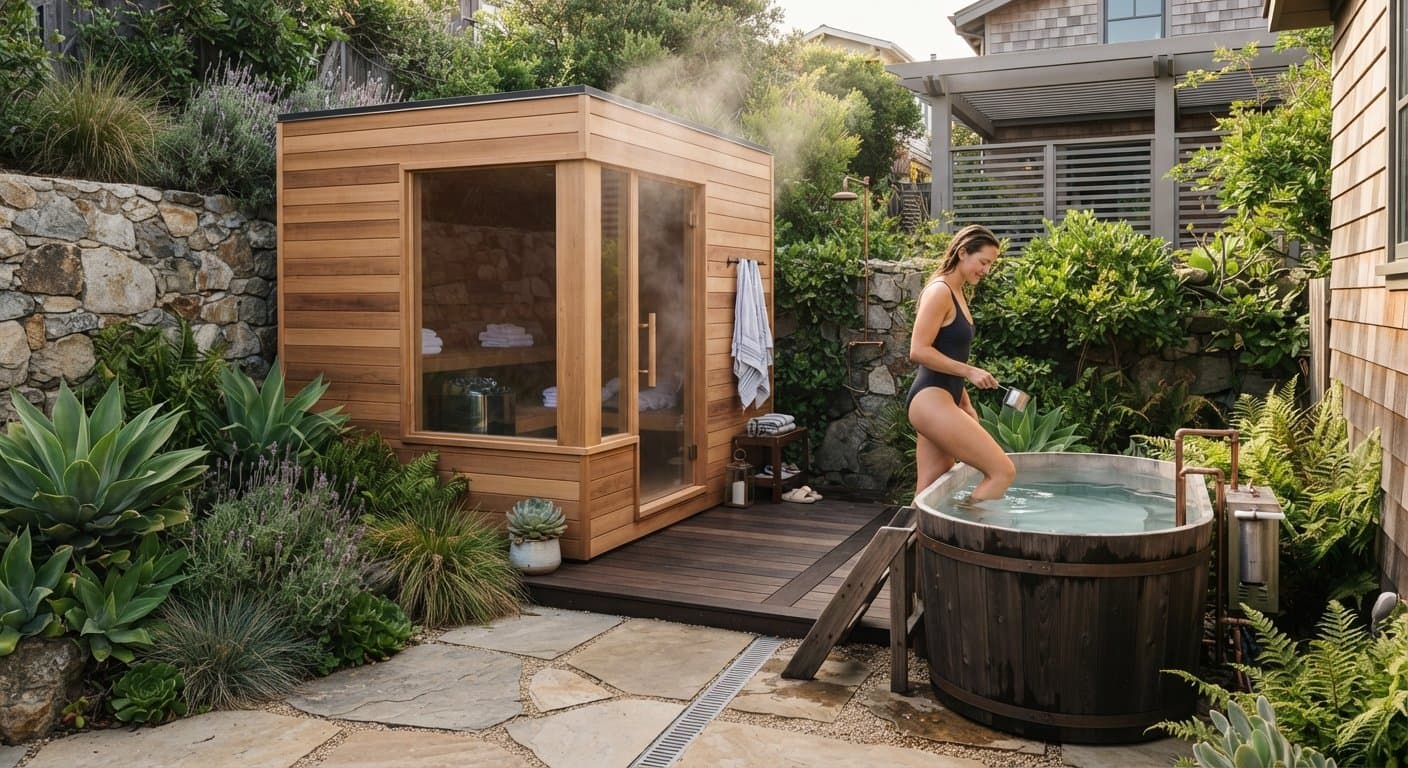
Beach Homes: Cold Plunge and Sauna Nooks Bring Backyard Wellness Home
A beachside walk can refresh your mood, but a private sauna followed by a cool plunge offers a different kind of reset. Homeowners are bringing these compact wellness rituals into outdoor spaces, creating backyard retreats that fit a patio, side yard, or sheltered garden nook.
A cold plunge and sauna nook pairs a heat source with a tub of cool water, plus practical features such as privacy screening, drainage, and a place to sit. For coastal homes, thoughtful planning matters as much as the equipment. Salt air, moisture, limited space, and neighborhood rules all deserve attention before you buy.
Key Considerations for Coastal Wellness Spaces
- A compact outdoor sauna and plunge setup can suit a small coastal yard.
- Durable, corrosion-resistant materials help withstand salty air and damp conditions.
- Drainage, ventilation, privacy, and safe access should guide the layout.
- You can start with one feature and add the second when budget and space allow.
- Professional help is useful for electrical work, plumbing, and major site changes.
Why Coastal Homeowners Want a Wellness Nook
A backyard wellness nook makes it easier to build a restorative routine without leaving home. The appeal is straightforward. Warm up in a sauna, cool down in a plunge tub, then relax outside with a towel and a glass of water. It can feel like a small vacation, minus the parking search.
The design trend also suits beach living. Outdoor spaces often already serve as places to unwind, entertain, and rinse off after a day near the water. A well-planned sauna nook can make an underused corner feel purposeful, while a plunge tub adds a refreshing option during warm weather.
Keep expectations grounded. A sauna and cold plunge do not replace medical care, and cold exposure is not suitable for everyone. If you have a health condition, ask a qualified medical professional whether these practices are appropriate for you.
Choosing the Right Setup for Your Yard
The best setup depends on how much room you have, how often you expect to use it, and whether you want a permanent installation. Measure the space before browsing products. Include room to open doors, move safely between the sauna and tub, and maintain equipment.
| Setup | Best for | Planning considerations |
|---|---|---|
| Sauna only | Homeowners who want warmth and a simpler first project | Power or heater requirements, ventilation, and weather protection |
| Plunge only | A compact, lower-complexity wellness feature | Water treatment, safe entry, and drainage |
| Combined nook | Regular users with enough room and budget | Utility access, privacy, circulation, and maintenance |
| Portable setup | Renters or homeowners testing a routine | Storage, stability, and manufacturer instructions |
A small barrel sauna may work in a side yard, while a prefabricated cabin can offer a more contemporary look. Plunge options range from simple stock tanks to insulated tubs with filtration and temperature controls. Compare the full footprint, including steps, covers, access panels, and clearance around the equipment.
Mark the proposed footprint on the ground with string or removable tape. Walk the route from your back door to the nook and check that the layout feels comfortable before ordering.
Design for Salt Air, Moisture, and Privacy
Coastal conditions can be tough on outdoor materials. Salt carried by sea air may speed corrosion, while persistent moisture can encourage rot or mildew. Choose exterior-rated components and follow manufacturer guidance for cleaning and upkeep.
For a longer-lasting backyard wellness space, consider these material and design choices:
- Corrosion-resistant hardware. Look for suitable stainless steel or other exterior-rated metals, and confirm compatibility with the equipment.
- Appropriate wood. Cedar and other naturally durable woods are popular for saunas, but they still need proper detailing and care.
- Protective surfaces. Use slip-resistant paving around wet areas and avoid finishes that become slick when damp.
- Smart screening. Slatted fences, coastal grasses, or a privacy wall can screen the nook without blocking necessary airflow.
- Weather protection. A roof or canopy can shield equipment, provided it does not interfere with ventilation or installation requirements.
Privacy should feel inviting, not boxed in. Leave enough space for air circulation and safe movement. Planting can soften the area, but avoid placing roots near pipes or choosing foliage that drops debris into the plunge tub.
Plan Utilities, Drainage, and Safety
Before construction, check local permitting rules, property restrictions, and any homeowner association requirements. Requirements can differ by location and by the type of equipment. A qualified contractor or local building department can help clarify what applies to your project.
A sauna may require a dedicated electrical circuit, especially if it uses an electric heater. Electrical work near water needs careful planning and should be handled by a licensed professional. Wood-burning models bring separate considerations, such as clearances, ventilation, and fire safety. Follow the manufacturer instructions rather than relying on a product photo or a neighbor setup.
Drainage deserves equal attention. Plan where splash water and tub drainage will go, and make sure runoff will not flow toward the home, a neighboring property, or a foundation. If you are connecting plumbing or adding a permanent drain, ask a qualified professional to assess the site.
Keep the transition between sauna and plunge straightforward. Use a stable path, provide a handhold where needed, and keep towels within reach. Avoid clutter around the tub, and make sure covers are easy to lift and secure.
Budget for the Whole Project
Prices depend on equipment, site preparation, utility work, materials, and installation. A basic portable plunge may cost far less than a permanent, insulated tub. A prefabricated sauna also tends to require less custom building than a made-to-order structure, though electrical upgrades or difficult access can add expense.
Budget for the supporting work, not just the headline product. Your project may include:
- Site leveling and a stable base
- Electrical service or plumbing changes
- Privacy screens, lighting, and weather protection
- Drainage improvements and slip-resistant paving
- Delivery, assembly, and ongoing water care
Request itemized quotes so you can compare what each contractor includes. Set aside a contingency for unexpected site issues, especially if the yard has limited access or older utility lines. If the full setup is out of reach, install a sauna first or start with a simpler plunge option, then expand later.
Make the Routine Comfortable and Sustainable
A wellness nook works best when it feels easy to use. Store towels nearby, add a bench for resting, and provide soft lighting that supports safe movement after dark. Choose outdoor-rated fixtures and place them so they do not glare into neighboring windows.
Water care is part of owning a plunge tub. Follow the manufacturer directions for filtration, sanitation, cleaning, and water replacement. A cover helps keep leaves and insects out, while a rinse station can reduce the amount of dirt carried into the tub. Avoid assuming that clear water is automatically clean.
Start any heat or cold routine conservatively, follow equipment instructions, and stop if you feel unwell. Keep children away from unsupervised hot or cold equipment, and secure access when the nook is not in use.
Frequently Asked Questions
Does a cold plunge and sauna setup need a large yard?
No. A compact sauna and plunge tub can fit a modest patio or side yard if you plan circulation, access, drainage, and ventilation carefully. Measure the complete equipment footprint before choosing a location.
Can I install an outdoor sauna near the coast?
Often, yes, but you should select equipment and hardware suited to outdoor exposure. Salt air and moisture can increase wear, so follow the manufacturer maintenance guidance and protect vulnerable components.
Is a cold plunge expensive to maintain?
Maintenance depends on the tub and its water system. Filtration, sanitation, cleaning, and water replacement all factor into ongoing costs. Review the care instructions and supply needs before buying.
Should I hire a contractor?
Hiring a contractor makes sense for electrical work, plumbing connections, or site changes that require permits. A licensed professional can ensure the installation meets safety codes and local requirements.
Start Planning Your Coastal Wellness Nook
Begin by measuring your available space and noting sun patterns, drainage paths, and proximity to utilities. These details will shape your equipment choices and layout decisions. With careful planning, even a small coastal yard can support a private wellness routine that fits your lifestyle and withstands the elements.