
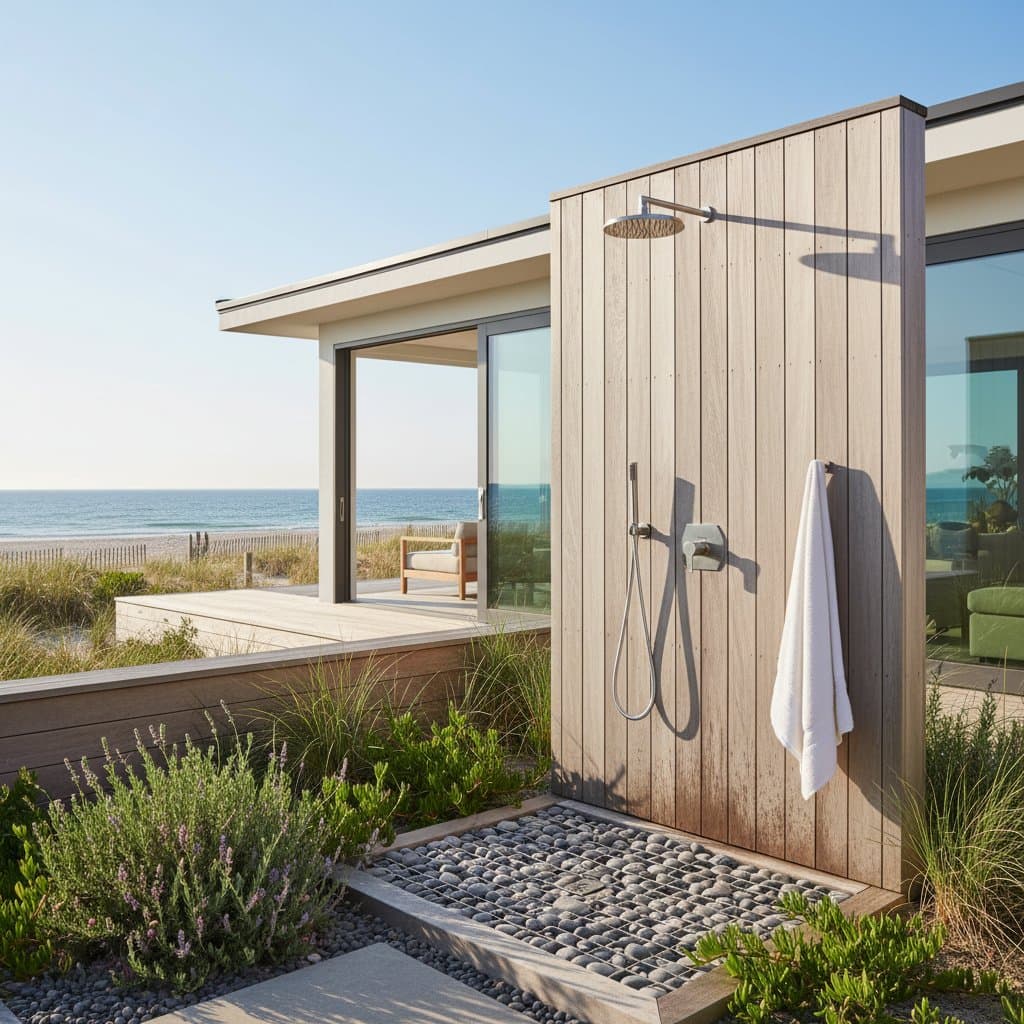
Beach Towns Require Outdoor Showers to Protect Ecosystems
Coastal communities face unique challenges in preserving their natural environments while accommodating residential growth. Many beach towns have introduced building codes that mandate outdoor showers for properties near the shore. These requirements stem from a need to safeguard delicate ecosystems and promote sustainable living practices.
Outdoor showers serve as a simple yet effective barrier against environmental harm. Homeowners rinse off sand, salt, and sunscreen before entering their homes, which prevents contaminants from entering indoor plumbing systems. This practice reduces the risk of pollutants reaching waterways and supports long-term coastal health.
The Environmental Imperative Behind the Mandate
Beach ecosystems rely on clean sands and waters to thrive. When beachgoers track in sand and residues, these materials often wash into storm drains during heavy rains. Such runoff carries chemicals from lotions and soaps directly into the ocean, harming marine life and coral reefs.
Local governments recognize this threat and have updated codes to address it. For instance, properties within a certain distance of the high-tide line must include an outdoor shower station. This rule applies to new constructions and major renovations, ensuring widespread adoption.
The benefits extend beyond immediate pollution control. By keeping contaminants out of municipal sewer systems, these showers help prevent algal blooms and maintain water quality. Wildlife, including seabirds and fish populations, benefits from reduced chemical exposure in their habitats.
How Outdoor Showers Integrate with Coastal Building Codes
Building codes vary by region, but common standards emphasize functionality and durability. Outdoor showers must feature non-porous surfaces that resist corrosion from saltwater exposure. Materials like stainless steel or treated composites ensure longevity in harsh coastal conditions.
Installation requirements often include proper drainage to direct water away from the property and into permeable areas. This design prevents pooling and erosion while filtering out debris before it reaches larger water bodies. Codes also specify hot and cold water connections, though solar-heated options gain popularity for energy efficiency.
Compliance involves working with certified contractors familiar with local regulations. Homeowners submit plans for approval, detailing shower placement and features. These steps guarantee that installations meet safety and environmental standards without compromising aesthetic appeal.
Practical Benefits for Homeowners
Beyond regulatory compliance, outdoor showers offer tangible advantages for daily life. They provide a convenient rinse-off area after beach outings, eliminating the mess inside the home. This setup saves time on cleanup and preserves indoor spaces from abrasive sand particles.
Property values see an uplift from these additions. Prospective buyers view outdoor showers as a premium feature that evokes resort living. In competitive coastal markets, such enhancements differentiate listings and appeal to environmentally conscious purchasers.
Maintenance proves straightforward with regular cleaning and seasonal checks. Homeowners avoid costly plumbing repairs by intercepting sand before it clogs pipes. Overall, the investment yields returns in convenience, durability, and marketability.
Designing and Installing an Outdoor Shower
Selecting the right design balances form and function. Compact models suit smaller lots, while larger enclosures offer privacy with frosted panels or natural screens. Placement near entryways maximizes accessibility without obstructing views.
Budget considerations range from basic cold-water units to fully plumbed systems. Entry-level options cost under one thousand dollars, covering fixtures and basic piping. Advanced setups with heating and lighting push expenses higher but add luxury elements.
Professional installation ensures code adherence and optimal performance. Contractors assess site conditions, such as soil drainage and water pressure, to recommend suitable configurations. Homeowners gain peace of mind knowing the system operates efficiently year-round.
- Evaluate your property's layout and proximity to the beach.
- Review local building codes for specific requirements.
- Choose durable materials suited to coastal climates.
- Plan drainage to support environmental goals.
- Hire a licensed professional for installation.
- Test the system post-installation for functionality.
Embracing Sustainable Coastal Living
Adopting outdoor showers represents a commitment to harmonious beach living. These fixtures protect ecosystems while enhancing homeowner experiences. Communities that enforce such measures foster resilient environments for future generations.
Homeowners discover added value in this blend of necessity and luxury. The mandate encourages innovative designs that elevate outdoor spaces. Ultimately, outdoor showers contribute to a cleaner, more vibrant coastal lifestyle.