
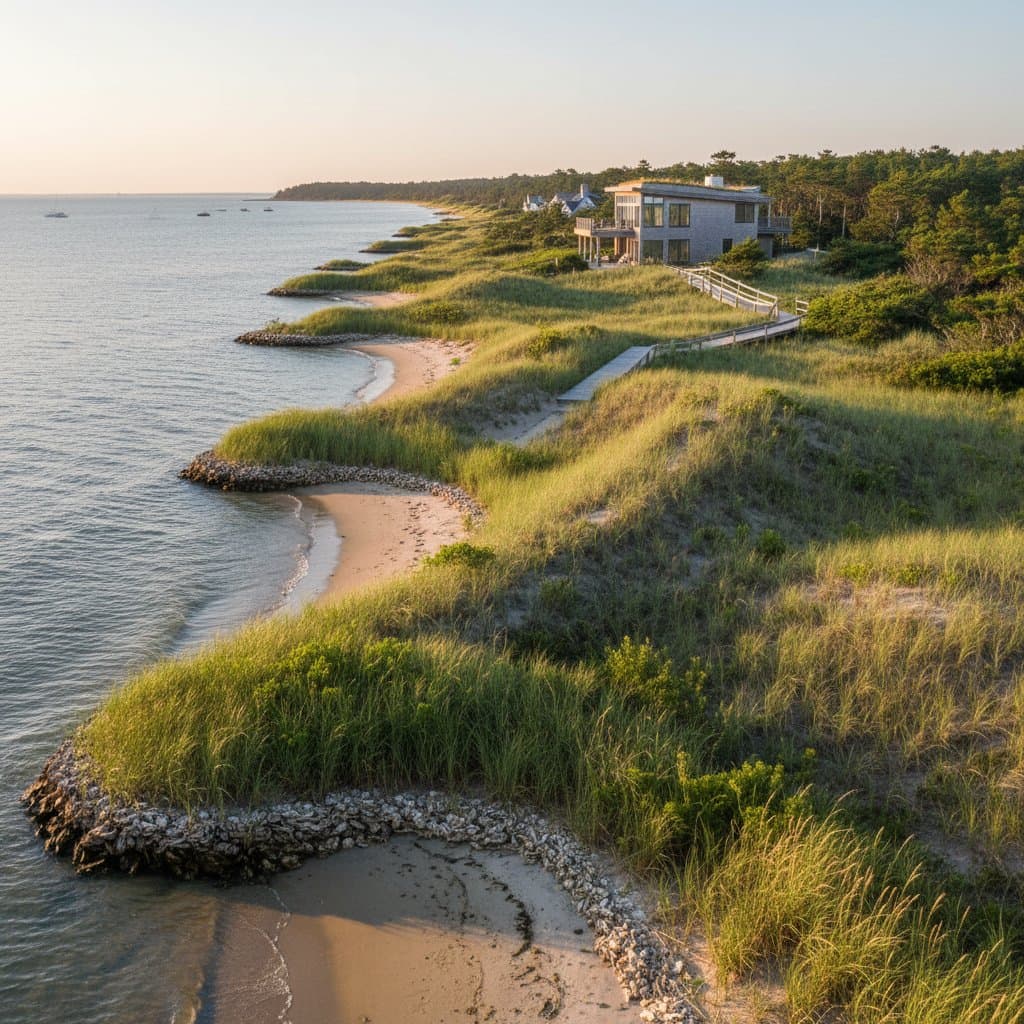
Save Your Coastal Home from Erosion Without Seawalls
Coastal erosion endangers properties along sandy bluffs and dynamic shorelines each year. Homeowners frequently view seawalls as the primary solution, but viable eco-friendly options exist that shield land while upholding coastal aesthetics. Effective approaches integrate vegetation, organic materials, and strategic layouts to curb erosion rates and bolster marine habitats. A thoughtfully engineered natural system delivers enduring protection, sidestepping the intensive upkeep and ecological harm associated with rigid structures.
This resource details strategies to secure your coastal property through environmentally harmonious techniques aligned with regional conditions. Readers gain insights into principal techniques, suitable materials, and implementation advice drawn from coastal engineering and landscaping expertise to establish resilient living shorelines.
Why Avoid Seawalls
Seawalls present an apparent immediate remedy, yet they frequently exacerbate issues over time. These inflexible structures redirect wave forces toward the sea, intensifying scour at their foundations and adjacent sites. Eventually, such dynamics provoke structural compromise, expensive fixes, and diminished beachfront.
Drawbacks of Seawalls
- Elevated expenses for initial build and ongoing repairs
- Degradation of habitats essential for fish, avian species, and aquatic flora
- Undermining scour that compromises foundational integrity
- Narrowing of accessible beach zones, which lowers real estate worth
- Aesthetic disruption from stark concrete installations
Natural alternatives preserve ecological processes and visual harmony, thereby safeguarding assets more effectively.
Cost Comparison: Natural Erosion Control vs. Seawalls
Approaches rooted in nature typically demand lower initial outlays and far reduced long-term expenditures compared to engineered barriers. The following table outlines representative costs for shoreline stabilization choices.
| Method | Average Cost per Linear Foot | Maintenance Level | Lifespan (Approximate) |
|---|---|---|---|
| Seawall (concrete or steel) | $400 to $1,200 | High | 20–30 years |
| Living shoreline | $100 to $400 | Low to moderate | 30+ years |
| Coir logs and vegetation | $50 to $200 | Low | 10–20 years |
| Dune restoration | $40 to $150 | Moderate | Continuous improvement |
Costs fluctuate based on site specifics, material selections, and project intricacy. Natural systems appreciate in efficacy as they evolve, unlike rigid installations that degrade progressively.
Planning and Budgeting Tips
Establishing natural shoreline defenses demands deliberate preparation and gradual execution. Effectiveness builds as flora establishes and habitats equilibrate.
Budgeting Tips
- Allocate 10 to 20 percent of the total budget toward upkeep and oversight activities.
- Solicit bids from several specialists versed in living shoreline installations.
- Select indigenous plant varieties procured from regional suppliers to maximize establishment success.
- Pursue available grants or municipal programs promoting eco-conscious coastal initiatives.
Design and Implementation Tips
- Initiate with modest test areas to evaluate plant compatibility and material performance.
- Deploy degradable erosion blankets to shield emerging seedlings from exposure.
- Integrate plantings with subtle stone revetments or bivalve shell structures for reinforced stability.
- Time vegetation installation to align with mild, moist periods to optimize rooting.
Long-Term Benefits of Natural Erosion Control
Beyond mere property defense, sustainable practices elevate overall coastal durability and nurture biodiversity. Adaptive features such as wetland expanses and sand formations respond to fluctuating tides, offering supple safeguards absent in conventional setups.
Environmental advantages encompass:
- Purification of stormwater via natural sediment trapping
- Expansion of niches for aquatic species and migratory birds
- Reestablishment of sediment transport patterns
- Amplification of leisure opportunities and landscape allure
Property owners report heightened biodiversity, screened vistas, and elevated market desirability from these installations.
Frequently Asked Questions on Natural Erosion Control
| Question | Answer |
|---|---|
| How long does it take for a living shoreline to stabilize? | Systems typically show initial stabilization in one to two growing seasons, with complete development spanning multiple years. |
| Do natural methods require permits? | Certain jurisdictions mandate approvals for any shoreline alterations, including organic ones. Consult regional environmental authorities prior to commencement. |
| Can natural erosion control handle strong storms? | Well-conceived designs dissipate wave forces adeptly in typical gales, although severe occurrences might inflict short-term disruptions. |
| Will vegetation block my view? | Ground-level grasses and compact shrubs secure substrates without impeding sightlines. Position elevated species to complement rather than obscure panoramas. |
| How do I maintain a living shoreline? | Perform regular assessments to replenish sparse plantings, eradicate non-native intruders, and evaluate post-event integrity. |
Ensuring Lasting Shoreline Protection
After deploying a natural erosion control framework, diligent stewardship secures its viability. Conduct post-storm evaluations to identify shifted elements or compromised growth. Renew biodegradable components upon degradation and reinforce root zones as needed. Gradually, the installation achieves autonomy, necessitating minimal periodic interventions to sustain its protective role.