
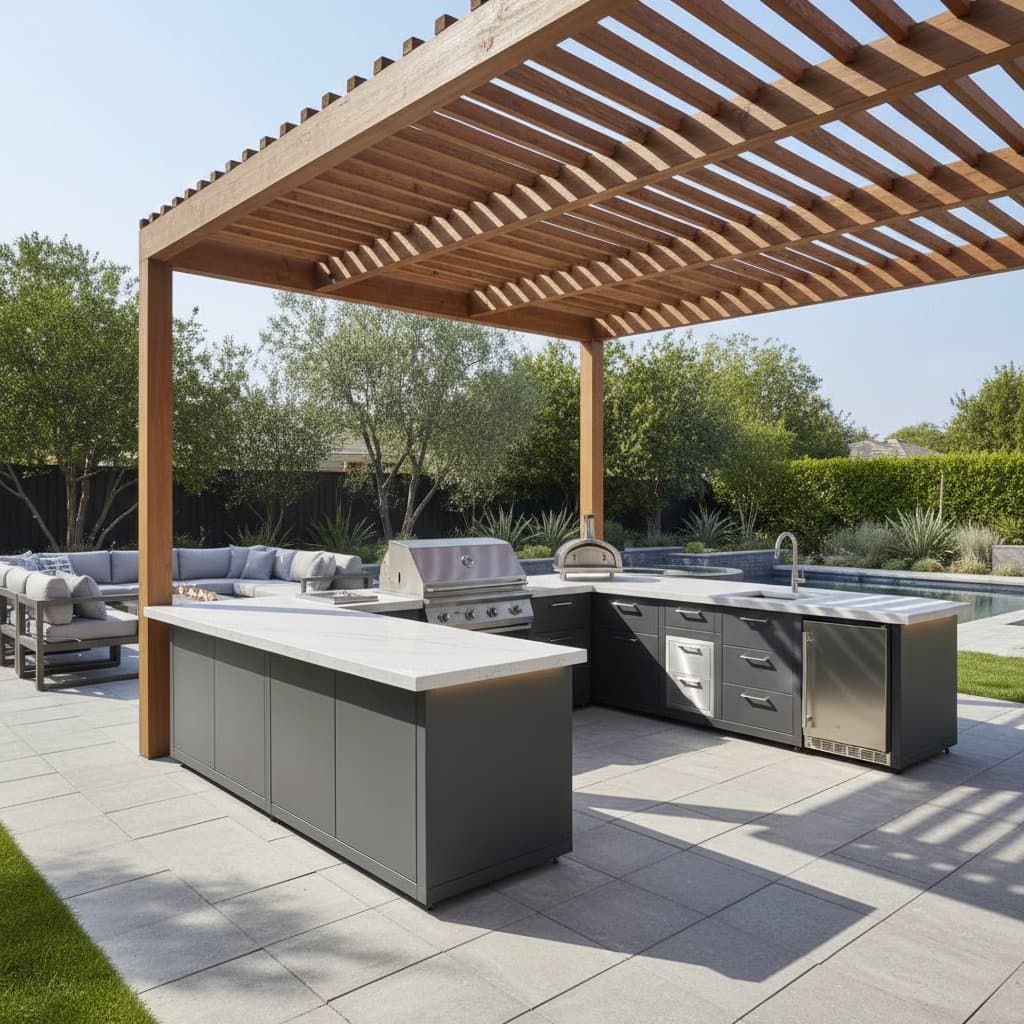
7 Reasons DIY Modular Outdoor Kitchens Outperform Custom Builds
Homeowners seeking a backyard cooking station that matches their space, style, and budget have increasing options. Outdoor living continues to expand as an extension of the home, with the kitchen emerging as a central feature. Traditional custom builds previously dominated this space. Now a clear shift favors DIY modular outdoor kitchens because of their flexibility, cost efficiency, and refined appearance.
These prefabricated systems rely on precise engineering and straightforward assembly. They deliver creative freedom without extended construction periods or elevated expenses. Owners gain the ability to cook, host, and unwind outdoors in a setting that suits their preferences.
The following sections detail seven specific advantages that explain why modular systems surpass custom construction for most residential projects.
Efficient Assembly and Flexible Configurations
Rapid Setup Using Basic Tools
Modular outdoor kitchens arrive with components designed for quick connection through interlocking panels or bolts. A complete station can be assembled over one weekend once a stable base exists. Begin with a level concrete pad or paver surface to support long-term stability.
Configurations That Match Varied Outdoor Areas
Compact patios and expansive yards both accommodate modular designs. Select from L-shaped, U-shaped, or straight layouts, then incorporate additional modules later. Brands supply separate units for sinks, smokers, or serving counters that attach without structural changes.
Budget Advantages and Design Choices
Premium Features at Lower Total Cost
Custom outdoor kitchens frequently range from ten thousand to thirty thousand dollars when labor and materials are included. Modular systems begin at a few thousand dollars while still providing weather-rated appliances and finished surfaces. Select stone or stainless steel panels to achieve a built-in appearance without the full custom expense.
Multiple Finish and Material Combinations
Current modular lines offer stone textures, metal cabinetry, and wood accents in coordinated palettes. Align the station with existing home siding or hardscape for visual continuity. These options eliminate the uniform appearance once associated with prefabricated units.
Growth Potential and Material Resilience
Modules That Scale With Changing Needs
Additional sections can be added as gatherings increase in size. Common expansions include a pizza oven module, a refrigeration drawer, or extra storage cabinets. This incremental approach avoids the disruption of new construction each time requirements evolve.
Materials Selected for Outdoor Exposure
Stainless steel frames, powder-coated aluminum, and engineered stone surfaces resist corrosion, fading, and moisture damage. In coastal regions these materials maintain performance with routine cleaning. Apply a protective cover during extended storms and wipe stainless areas regularly to preserve appearance.
Ownership Experience and Daily Use
Direct Involvement From Assembly to First Use
Owners who complete assembly themselves report satisfaction from creating a functional space in a short time. Begin with a basic grill island and prep counter, then expand once initial use confirms layout preferences. The process places control over timing and customization directly with the homeowner.
Preparation Steps Before Purchase
Measure the available outdoor surface and note utility access points. Verify that selected appliances carry outdoor safety ratings. Consult a licensed technician for gas and electrical planning. Incorporate overhead lighting and shade structures to extend usable hours.
Common Questions About Modular Systems
Are modular outdoor kitchens weatherproof? Most units employ rust-resistant and UV-protected materials formulated for continuous exterior placement.
Can installation be completed without professional help? Systems include detailed instructions and require only standard hand tools for assembly.
Do modular kitchens match the appearance of custom builds? Updated finishes and precise joinery produce results comparable in both aesthetics and durability.