
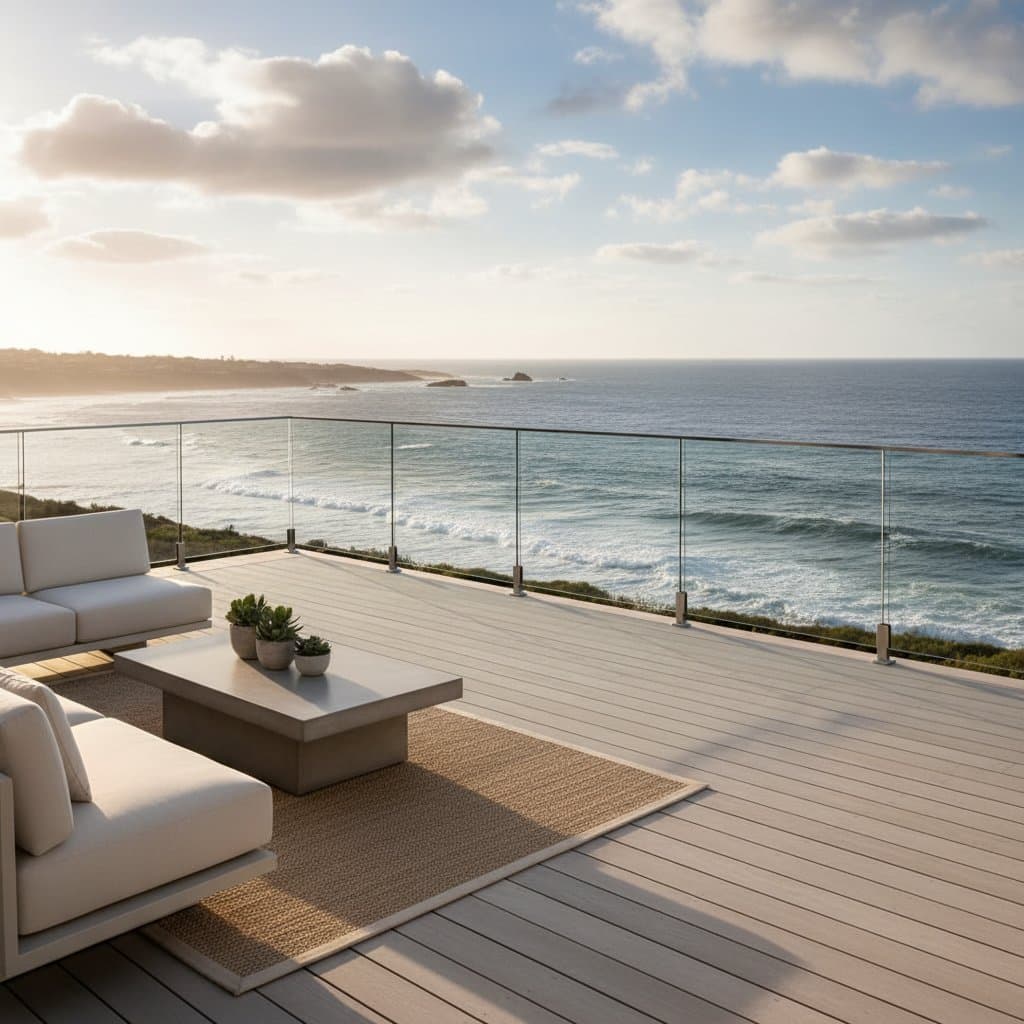
9 Reasons Glass Railings Outperform Wood on Oceanfront Decks
Coastal homeowners cherish their decks as prime locations for savoring ocean vistas, gentle sea breezes, and tranquil sunsets. A key decision in deck design involves selecting between glass and wood railings, as this choice profoundly influences both aesthetics and usability. While wood offers a classic warmth, glass railings introduce a contemporary openness that amplifies the seaside ambiance.
Proximity to the ocean demands railings that prioritize resilience, upkeep, and sightlines. Harsh salt air, persistent humidity, and strong winds degrade wood rapidly, whereas glass endures these conditions with remarkable stability and transparency. For those planning a deck renovation or new construction, recognizing the benefits of glass empowers informed choices that yield enduring satisfaction.
The following outlines nine compelling reasons why glass railings excel over wood for oceanfront decks. These points apply to both updating existing structures and creating fresh outdoor retreats, guiding designs that blend visual allure with practical performance.
Enhancing Visibility and Design
1. Seamless Ocean Vistas
Transparency stands as the primary benefit of glass railings. These installations allow full appreciation of the coastline, distant horizons, and wave action without any interruption. In comparison, wooden balusters or solid panels fragment the panorama, undermining the essence of an oceanfront deck.
Select tempered glass panels to balance robustness and safety. Such materials deliver pristine clarity while complying with coastal building codes for wind resistance.
2. Contemporary Aesthetic Integration
Glass railings impart a sleek, minimalist look that harmonizes with modern coastal architecture. They frame the deck without overwhelming the natural surroundings, creating an illusion of expanded space. Wood, though timeless, can appear bulky and dated in high-exposure settings.
Incorporate slim stainless steel or aluminum frames to accentuate the glass's clean lines. This combination resists corrosion and complements neutral palettes common in seaside homes.
Durability Against Coastal Elements
3. Resistance to Salt Corrosion and Humidity
Oceanfront environments expose materials to airborne salt and elevated moisture levels, which accelerate wood's deterioration through rot and decay. Glass remains impervious to these threats, preserving its integrity over decades without chemical treatments or sealants.
Engineered glass formulations, including low-iron varieties, minimize discoloration from environmental factors. Homeowners avoid the frequent reapplications required for wood preservation.
4. Prevention of Warping and Cracking
Fluctuations in temperature and humidity cause wood to expand, contract, and warp, leading to uneven surfaces and structural weaknesses. Glass panels maintain dimensional stability, ensuring a level and reliable barrier year-round.
Opt for laminated glass constructions that further enhance resistance to thermal stress. This choice supports consistent performance in variable coastal climates.
Maintenance and Longevity
5. Simplified Upkeep Routines
Wood railings necessitate regular sanding, staining, and inspections to combat weathering, a labor-intensive process that disrupts outdoor use. Glass requires only occasional rinsing with mild soap and water, freeing time for enjoyment rather than maintenance.
Address salt buildup promptly after exposure to sea spray. A soft cloth and freshwater solution restores the surface to its original luster efficiently.
6. Robust and Secure Build Quality
Contemporary glass systems employ tempered or laminated glass, rendering them far stronger than ordinary varieties. These withstand intense winds and unintended collisions effectively. In the event of breakage, the material shatters into small, blunt pieces rather than dangerous fragments.
Verify installation adheres to local codes for height and spacing. Professional fitting ensures maximum load-bearing capacity suited to seaside conditions.
7. Wind Resistance with Preserved Openness
Glass panels form an effective shield against coastal gusts, enhancing deck comfort during inclement weather. Unlike opaque wood barriers, they transmit natural light fully, fostering a sense of expansiveness and connection to the environment.
Explore frosted or tinted variants for subtle privacy. These options diffuse direct sightlines while admitting ample illumination.
Safety and Practicality
8. Enhanced Protection for Families
The solid expanse of glass eliminates potential footholds or gaps where children or pets might climb or fall. This continuous enclosure provides reassurance alongside unobstructed oversight of play areas.
Pair railings with non-slip deck surfaces for added security. Regular inspections of mounting hardware prevent loosening from vibrational forces.
Increasing Property Worth
9. Elevated Market Value and Desirability
Prospective buyers in coastal regions favor features that maximize views and minimize ongoing costs. Glass railings convey sophistication and foresight, distinguishing properties in competitive markets and potentially raising appraisal figures.
Document installation details for future disclosures. This transparency reassures buyers of the system's compliance and longevity.
[Image: Sleek coastal residence featuring glass railings against a vibrant sunset backdrop]
Maximizing Your Deck's Coastal Potential
After installation, glass railings define the deck's character, capturing daylight reflections by day and glowing softly at night. The result encourages extended outdoor living through an airy, immersive atmosphere. Perform routine hardware checks and post-storm cleanings to sustain peak condition.
Selecting glass over wood transcends mere style; it secures sustained elegance, reduced effort, and an intimate bond with the sea.