
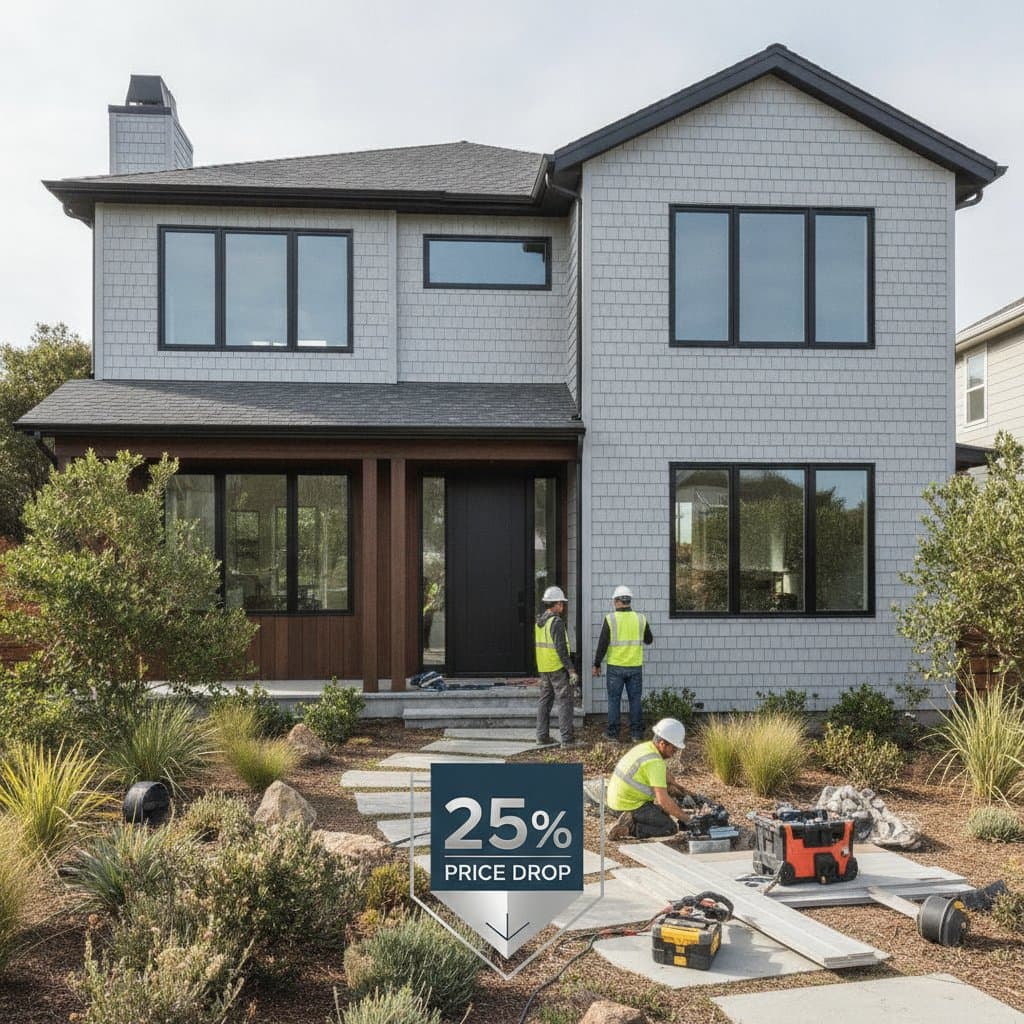
Why Fiber Cement Siding Costs Are Dropping as Demand Increases
Homeowners in coastal and suburban areas notice a clear shift. Fiber cement siding now costs about 25 percent less than in prior years. This change creates new opportunities for exterior upgrades that combine durability with visual appeal.
The material delivers strength against weather, low maintenance requirements, and consistent performance over time. Rising demand has not driven prices higher because production methods, market competition, and logistics have all improved. The following sections explain these factors and show how to apply them to a home project.
Market and Material Shifts
Increased Production Efficiency
Manufacturers now use refined mixing systems that control the blend of cement, sand, and cellulose fibers with greater precision. These systems reduce material waste and shorten curing times in high-efficiency kilns. The resulting lower overhead appears directly in panel pricing.
Ask contractors about products made with recycled content or advanced kiln technology. Such options often carry reduced costs while meeting the same strength standards.
Expanding Competition Among Brands
More suppliers now offer fiber cement products, which forces established companies to adjust prices to retain market share. New entrants bring additional textures, widths, and fastening options that expand choices for buyers.
Compare at least three brands on warranty length, finish quality, and thickness before selecting a product. Wider availability supports better negotiation on both materials and labor.
Improved Transportation and Supply Chains
Regional distribution centers have shortened delivery distances for many contractors. Lower freight expenses reduce the final installed price, especially on projects that require several hundred square feet of material.
Simplified Installation Systems
Interlocking edges and hidden fastener designs cut installation time. Pre-cut panels arrive ready for placement, which reduces on-site waste and labor hours. Contractors complete work faster and often reflect those efficiencies in project quotes.
Prefinished Color Options Reduce Labor
Factory-applied finishes eliminate the need for field painting. Homeowners avoid separate painting costs and receive a coating that resists fading longer than site-applied paint. Lighter neutral tones help manage heat absorption in sunny regions.
Rising Demand for Low-Maintenance Exteriors
Fiber cement resists salt air, moisture, and insects common near coastlines. Increased orders have allowed factories to operate at higher volumes, which spreads fixed costs across more units and holds unit prices steady.
Economic Factors Influencing Prices
Bulk Buying by Contractors and Developers
Large purchasers negotiate volume discounts that smaller buyers rarely access directly. Partnering with a contractor who maintains supplier agreements can transfer a portion of those savings to individual homeowners.
Lower Raw Material Volatility
Cement and cellulose prices have remained steadier in recent periods. Predictable input costs allow manufacturers to publish stable price lists instead of frequent adjustments.
Stronger Consumer Awareness and Market Transparency
Online cost calculators and side-by-side comparisons give homeowners current pricing data before they request quotes. Suppliers respond by keeping margins competitive.
Request itemized bids that separate material, labor, trim, and moisture barrier expenses. Clear breakdowns help confirm that quoted prices align with current market levels.
Planning Advice for Homeowners
Review the home elevation to decide between horizontal lap, vertical panels, or shingle profiles. Each style carries different thickness and texture options that affect final cost.
Consult a contractor experienced with local wind and moisture conditions. Obtain warranties from two manufacturers and compare coverage for impact, wind, and finish adhesion. Include all trim, flashing, and sealant items in the budget to avoid later additions.
Current Pricing and Suitability
Installed costs now range from five to nine dollars per square foot depending on profile and region. The material performs well in coastal settings because it does not corrode or support insect activity. Prefinished surfaces accept later repainting with quality exterior acrylic coatings when color changes become desirable.
Maximizing Value from Current Market Conditions
Schedule consultations with two or three licensed contractors who regularly install fiber cement. Review recent project photos, verify supplier relationships, and lock in material pricing while current production efficiencies remain in place. This approach secures both performance and cost advantages for the exterior upgrade.