
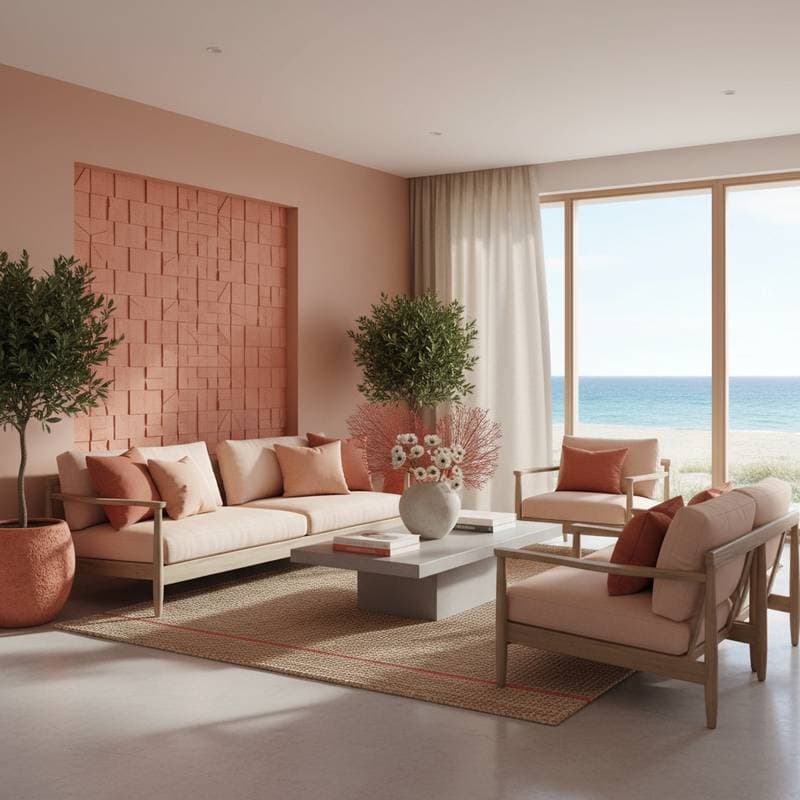
Why Coral Became the Defining Beach House Color for 2026
Beach house remodels rely on thoughtful color choices to capture the essence of coastal living. These palettes must harmonize with natural light, textures, and the serene mood of seaside environments. In 2026, coral emerges as the standout color, offering warmth and vibrancy inspired by ocean reefs and sunsets. This hue transforms ordinary spaces into inviting retreats, blending sophistication with effortless charm.
Homeowners increasingly select coral for its ability to infuse energy without overwhelming the design. It pairs seamlessly with classic coastal elements, elevating interiors and exteriors alike. As trends evolve toward personalized, nature-driven aesthetics, coral stands out for its versatility and timeless appeal.
The Enduring Appeal of Coral in Coastal Design
Coral occupies a unique position on the color wheel, bridging pink, orange, and peach tones. This creates a range that evokes tropical vibrancy while maintaining refined elegance. Designers draw inspiration from natural sources such as seashells, coral reefs, and golden-hour skies, ensuring the color feels authentic to beach settings.
The adaptability of coral makes it ideal for diverse styles, from rustic charm to sleek modernism or eclectic bohemia. It enhances neutral backdrops like crisp whites, warm woods, and sandy beiges without dominating the palette. In spaces with cooler accents such as aqua or seafoam, coral provides a balancing warmth that promotes relaxation and visual interest.
Consider how coral reflects light to brighten rooms during overcast coastal days. This property amplifies the sense of openness in beach homes, where windows often frame ocean views. By selecting coral, owners create environments that feel alive yet peaceful, perfectly suited to leisurely seaside lifestyles.
Selecting the Ideal Coral Shade for Your Space
Coral appears in various intensities, each suited to specific applications based on lighting and room function. Understanding these options allows for precise integration into your remodel. The following table compares key shades to guide your decisions:
| Shade Type | Tone Description | Best Use |
|---|---|---|
| Soft Coral | Pale with subtle pink undertones | Bedrooms and bathrooms for a calming effect |
| Vibrant Coral | Bold blend of red and orange | Accent walls or outdoor furniture for energy |
| Muted Coral | Earthy and understated | Living rooms or cabinetry for subtle depth |
| Blush Coral | Soft and romantic with peach hints | Window treatments and textiles for gentle accents |
Lighter variants amplify natural illumination, ideal for sunlit areas. Deeper tones add contrast and dimension, particularly in shaded corners. Experiment with layering multiple shades to achieve a bespoke look that evolves with the home's architecture.
Budgeting for a Coral-Centered Remodel
A targeted color refresh in a beach house generally ranges from $8,000 to $25,000, influenced by square footage, material quality, and scope. This investment yields significant returns through enhanced curb appeal and interior harmony. Focus on high-impact areas to optimize value.
Break down typical expenses as follows:
| Remodel Element | Typical Cost Range | Notes |
|---|---|---|
| Interior Painting | $4,000 - $10,000 | Opt for moisture-resistant formulas to withstand humidity |
| Exterior Painting | $6,000 - $14,000 | Choose marine-grade paints for longevity against salt air |
| Decor and Textiles | $1,500 - $4,000 | Incorporate coral pillows, rugs, and artwork for cohesive accents |
| Furniture Updates | $3,000 - $8,000 | Refresh upholstery or select pieces in complementary tones |
Coral's compatibility with existing neutrals reduces the need for comprehensive overhauls, keeping costs manageable. Prioritize durable products to minimize future maintenance in corrosive coastal conditions.
Understanding Labor and Professional Expertise
Labor constitutes 60 to 70 percent of remodel expenses, with painters billing $40 to $80 per hour based on complexity. For comprehensive projects, rates average $5 to $15 per square foot, covering preparation and materials. Engage a color consultant for $300 to $800 to refine selections and avoid mismatches.
Professionals handle intricate tasks like high ceilings or textured surfaces, ensuring uniform application. Their knowledge of coastal challenges, such as humidity and UV exposure, leads to resilient finishes. While initial costs seem higher, expert work extends the palette's lifespan and preserves property value.
Key Factors Affecting Remodel Expenses
Several variables determine the final budget for a coral refresh:
- Home size and layout, with larger or multi-level properties increasing labor demands
- Paint and primer quality, where premium options resist fading and peeling
- Surface preparation, including repairs, sanding, and sealing to promote adhesion
- Trim and detail elements like shutters, doors, or wainscoting that require specialized attention
- Geographic location, as urban access or remote sites affect contractor availability
- Specialized coatings for moisture control, essential in humid beach environments
Evaluate these elements early to develop a realistic financial plan. Consult local suppliers for region-specific recommendations on products and pricing.
Strategies to Reduce Costs on Your Coral Project
Achieve a striking update without exceeding your budget through these practical approaches:
- Test paint samples in multiple lighting conditions to confirm suitability before large purchases.
- Limit repainting to focal points, such as accent walls or entryways, for maximum impact at minimal expense.
- Revive existing furniture with coral-inspired slipcovers or fabric dyes rather than full replacements.
- Tackle minor DIY tasks like painting accessories or small fixtures to cut professional fees.
- Coordinate interior and exterior services with a single contractor to negotiate bundled rates.
These methods preserve quality while streamlining expenditures. Track progress with a detailed timeline to stay within financial boundaries.
Weighing DIY Approaches Against Professional Services
For modest updates, DIY efforts suit handy homeowners, with supply costs of $150 to $400 per room covering paints, brushes, and drop cloths. This option fosters creativity in personalizing spaces. However, it demands time and skill for optimal results.
Professionals excel in demanding scenarios, including exterior elevations or intricate details, delivering flawless, weather-resistant outcomes. Their efficiency often offsets higher fees through reduced errors and extended durability. Assess your experience and project scale to choose the best path.
Pitfalls to Sidestep in Coral Remodels
Selecting hues without daylight testing can lead to disappointing results under varying coastal light. Overapplication risks a monotonous feel, so distribute coral sparingly for balance. Mismatched undertones may conflict with permanent features like wood floors or stone counters.
Additionally, standard paints falter in wet areas; always specify humidity-resistant varieties for longevity. Plan for these oversights by involving experts during the design phase to safeguard your investment.
Frequently Asked Questions on Coral in Beach House Design
How can coral integrate with traditional coastal colors?
Combine coral with soft whites, sandy beiges, seafoam greens, or navy blues for harmonious effects. Position coral as an accent to preserve the palette's equilibrium and enhance overall flow.
What maintenance does a coral-painted exterior require?
Apply protective sealants annually and inspect for salt buildup. Rinse surfaces with fresh water after storms to prevent corrosion and maintain vibrancy.
Is coral suitable for small beach cottages?
Yes, lighter coral shades expand perceived space and reflect light effectively. Use it on ceilings or trim to add subtle warmth without crowding the interior.
Integrating Coral for Timeless Coastal Elegance
Incorporate coral thoughtfully to craft a beach house that resonates with the sea's rhythm. Start with sample boards to visualize combinations, then proceed to key applications. This approach yields spaces that invite relaxation and celebrate the coastal spirit.
The result is a home that not only looks stunning but also withstands the elements, providing enduring joy. Embrace coral's potential to redefine your seaside sanctuary in 2026 and beyond.