
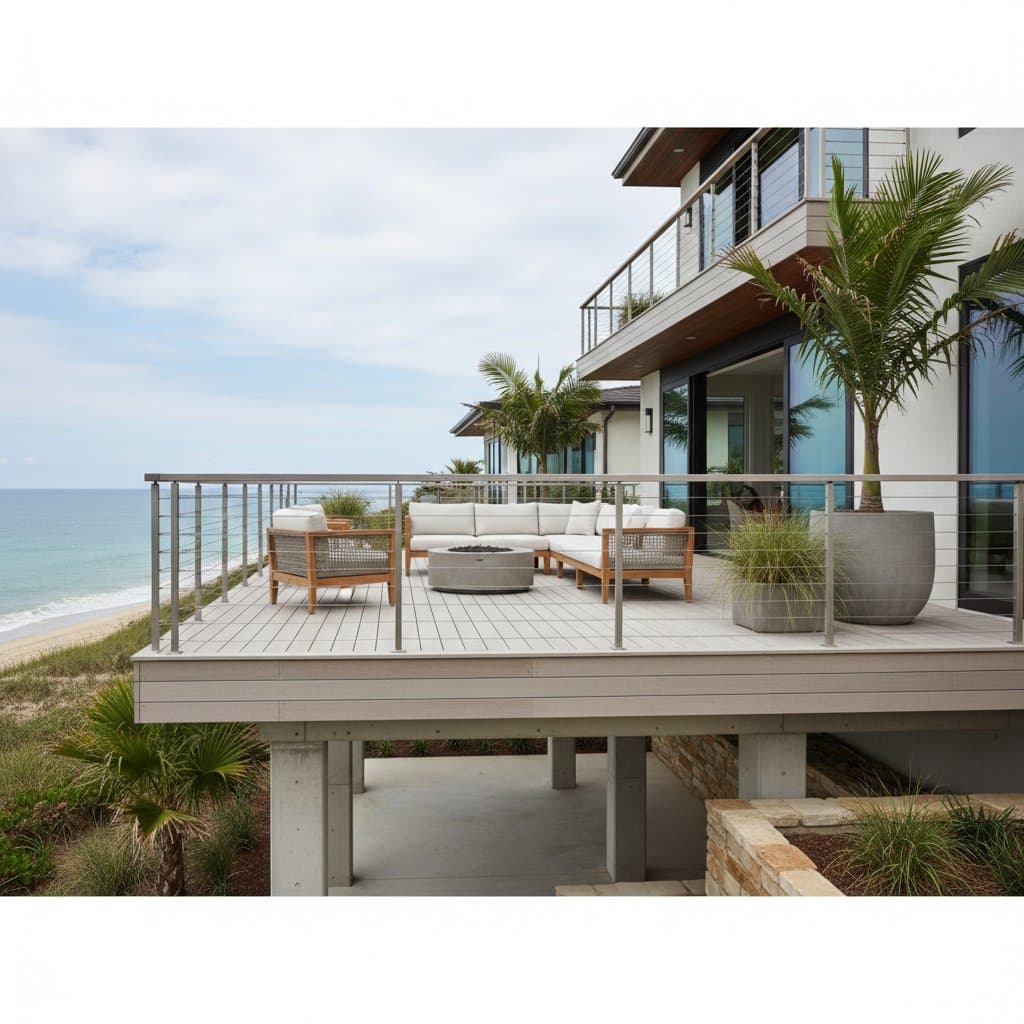
Why Coastal Homes Elevate Outdoor Spaces for Flood Safety
Coastal living delivers unmatched beauty, tranquility, and immersion in the natural world. For shoreline residents, however, flood protection ranks as a primary priority. Elevated outdoor spaces emerge as a hallmark of coastal design, integrating defense against water threats with practical enjoyment. Homeowners raise decks, patios, and similar features primarily to lessen flood exposure while sustaining accessibility and asset worth. In numerous seaside locales, lifted decks and platforms maintain dry surfaces amid high tides or storm-induced inundation. This method bolsters security and yields picturesque, versatile zones suited for leisure and social events.
The Purpose Behind Elevating Coastal Outdoor Spaces
Raising decks and exterior areas fulfills two core objectives: shielding residences from water intrusion and establishing raised habitable zones that function despite submerged ground levels. Positioning vital spaces beyond anticipated flood heights provides reassurance and upholds real estate value.
Flood Prevention and Structural Safety
During storm surges or intense downpours, water overtops low decks and patios first. Lifted platforms mitigate this danger by permitting water passage underneath the framework. Construction professionals employ fortified pilings, concrete footings, or steel beams to ensure stability, while preserving clearance for fluid dynamics. Such tactics avert material degradation and curb expensive remediation efforts.
Lifestyle and Aesthetic Advantages
Elevation extends beyond mere safeguarding. It enriches seaside routines through expanded panoramas, enhanced circulation, and increased seclusion. Perched decks afford unobstructed gazes toward oceans or inlets, and winds flow more readily, moderating temperatures in open areas. Residents frequently host dusk assemblies or savor dawn beverages on these heights, which deliver both protection and calm.
!(image-placeholder-2.jpg)
Elevated Patios
Raised patios incorporate concrete, stone, or tiled surfaces atop elevated bases. These endure prolonged service and fit dwellings facing recurrent tidal rises. Such patios harmonize with greenery for fluid shifts from interiors to exteriors.
Rooftop Terraces
Certain coastal properties repurpose roofs as recreational expanses. Rooftop terraces grant sweeping aquatic perspectives while positioning leisure above deluge thresholds. Contemporary sealing techniques and guard systems render these venues secure and refined.
Pier Platforms
Pier-based platforms excel in intense flood territories. Anchored by profound stakes embedded in earth, they facilitate underflow without impairment. These prevail in properties adjacent to estuaries, waterways, or shorelines.
!(image-placeholder-4.jpg)
Common Mistakes to Avoid
In erecting or refining raised decks amid seaside settings, sidestep these pitfalls:
-
Inadequate height breaching deluge norms.
-
Faulty runoff causing pooled moisture below.
-
Non-treated wood succumbing to brine swiftly.
-
Overlooking corrosion-proof joinery, demanding marine-grade options.
-
Skipping routine checks, permitting concealed decay or rust.
Engaging certified seaside constructors averts such fiscal burdens.
FAQs About Elevated Coastal Outdoor Spaces
How high should a coastal deck be above ground?
Ideal altitude varies by regional deluge charts. Typical coastal raises span 3 to 8 feet, or more per ordinances.
Do elevated decks require special permits?
Yes, jurisdictions typically demand approvals for raised builds, particularly in vulnerable sectors.
What materials last longest near saltwater?
Composites, corrosion-resistant bolts, and seafaring aluminum offer superior endurance.
Can existing decks be elevated later?
Occasionally, specialists hoist and brace prior decks via fresh stakes or bases, albeit at notable expense.
Does elevation affect property insurance?
Residences with raised exteriors frequently secure lowered deluge rates from diminished hazards.
How often should elevated decks be inspected?
Yearly reviews advised to detect unsecured fixings, moisture harm, and coating erosion.
Sustaining Long-Term Performance
Post-completion, consistent attention preserves elevated exteriors for decades. Routines involve surface cleansing, securement tightening, and material refreshing. Clear understructure clutter to sustain drainage. Post-event reviews identify minor flaws promptly.
Raised outdoor realms shield against deluges while embodying seaside essence. They unite defense, form, and ease into a prudent advancement.